
Description
COLOR WORTH LOOKING AT CLOSELY
Yellow and pink in the turn of a petal.
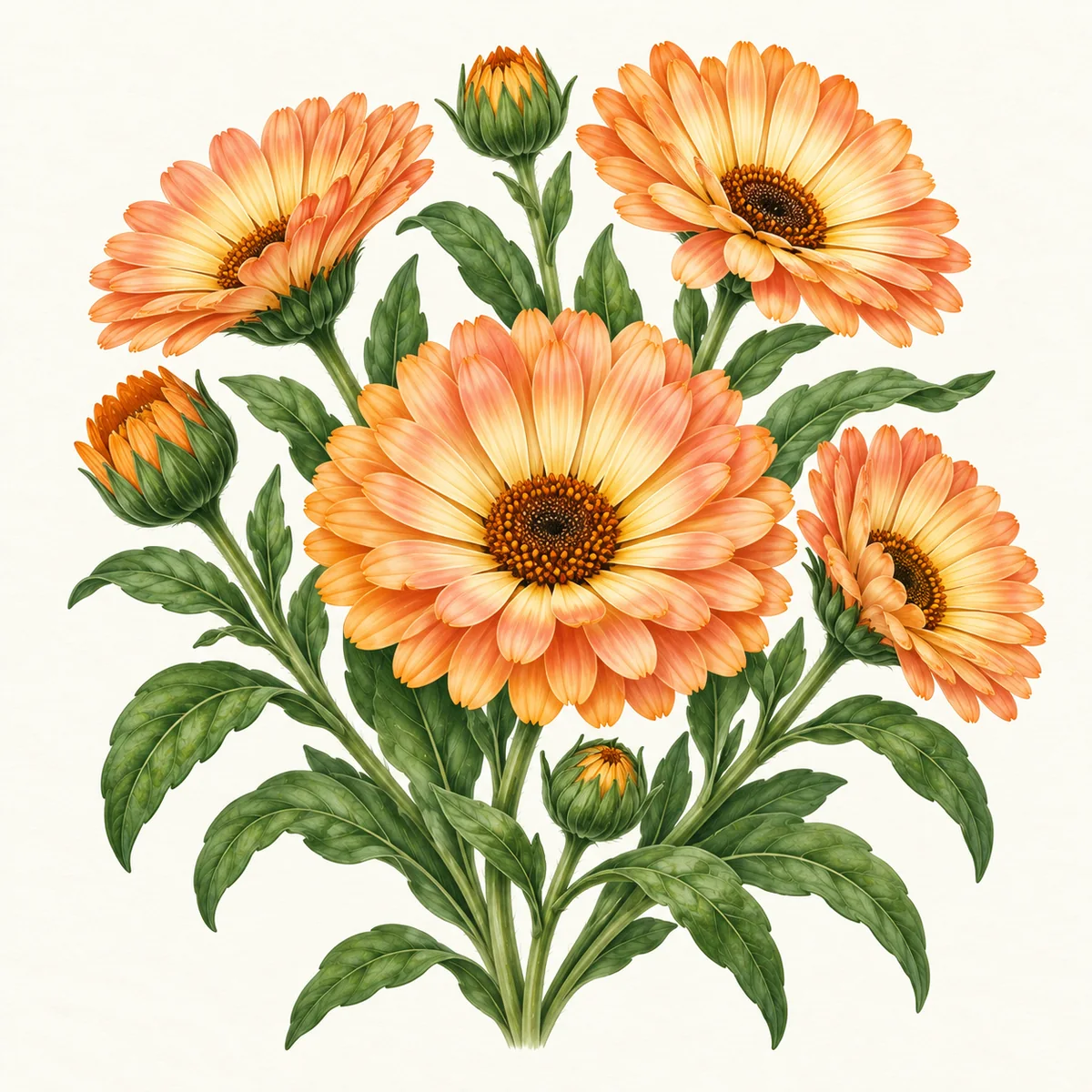
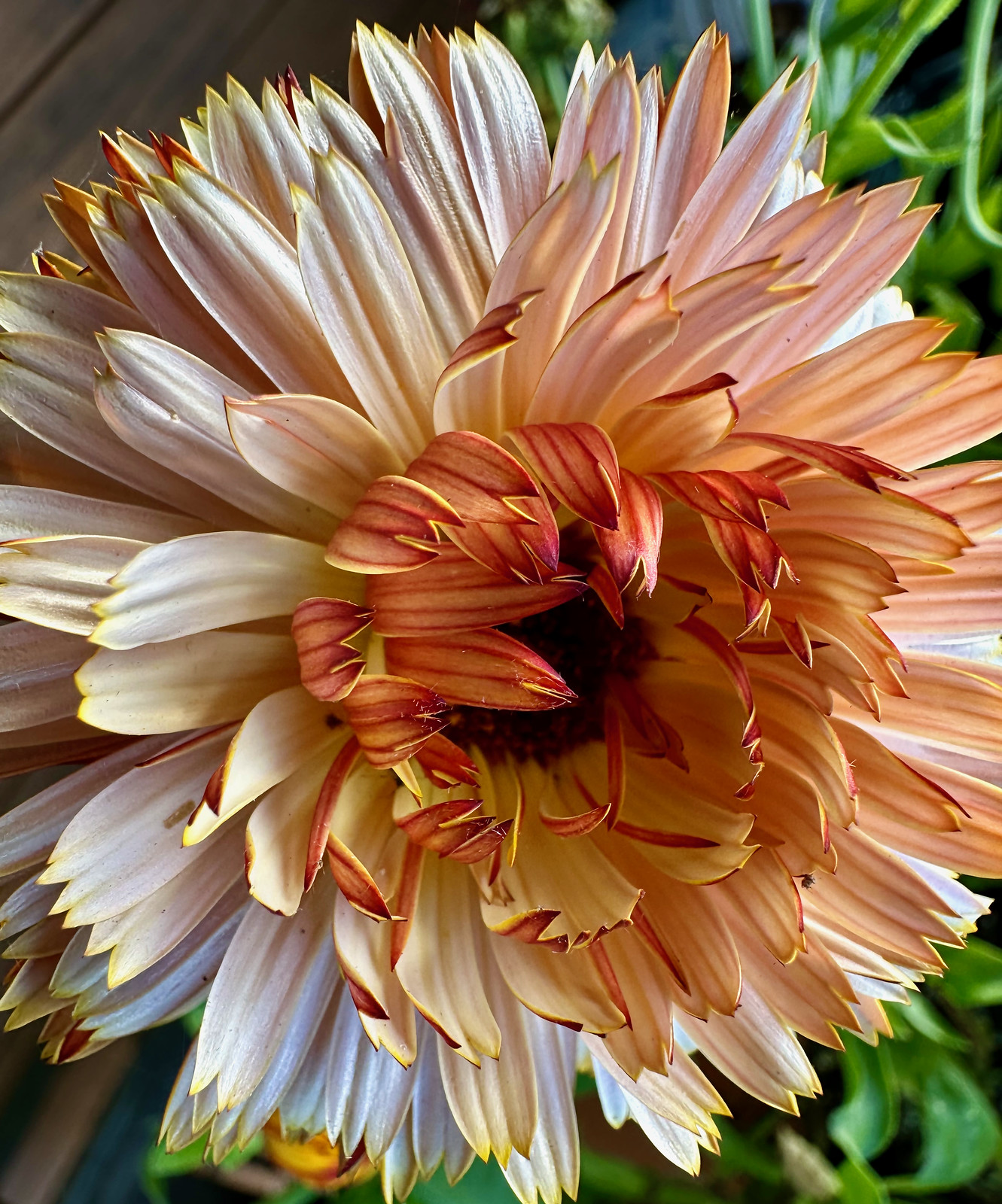
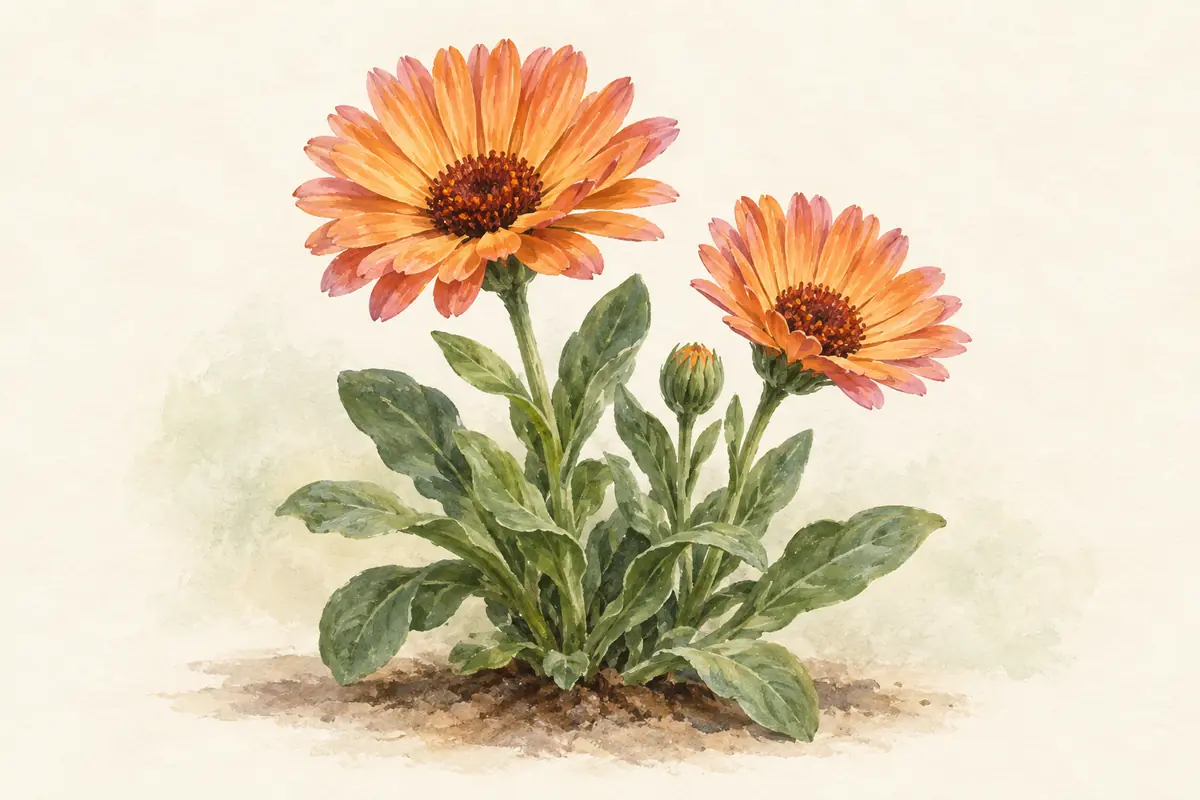
Zeolights brings layered color to a familiar cottage-garden flower. Its flowers combine yellow and soft orange-to-pink faces with pink-maroon petal backs and dark centers; the layered colors shift with the flower and bloom stage. Look at an opening bloom from the side as well as above: the petal reverses are part of its character.[2]
Choose it for: Muted flower color, small arrangements, and edible petals from plants grown for culinary use.
FROM PACKET TO GARDEN
Start with the right season.
Use the mild part of spring.
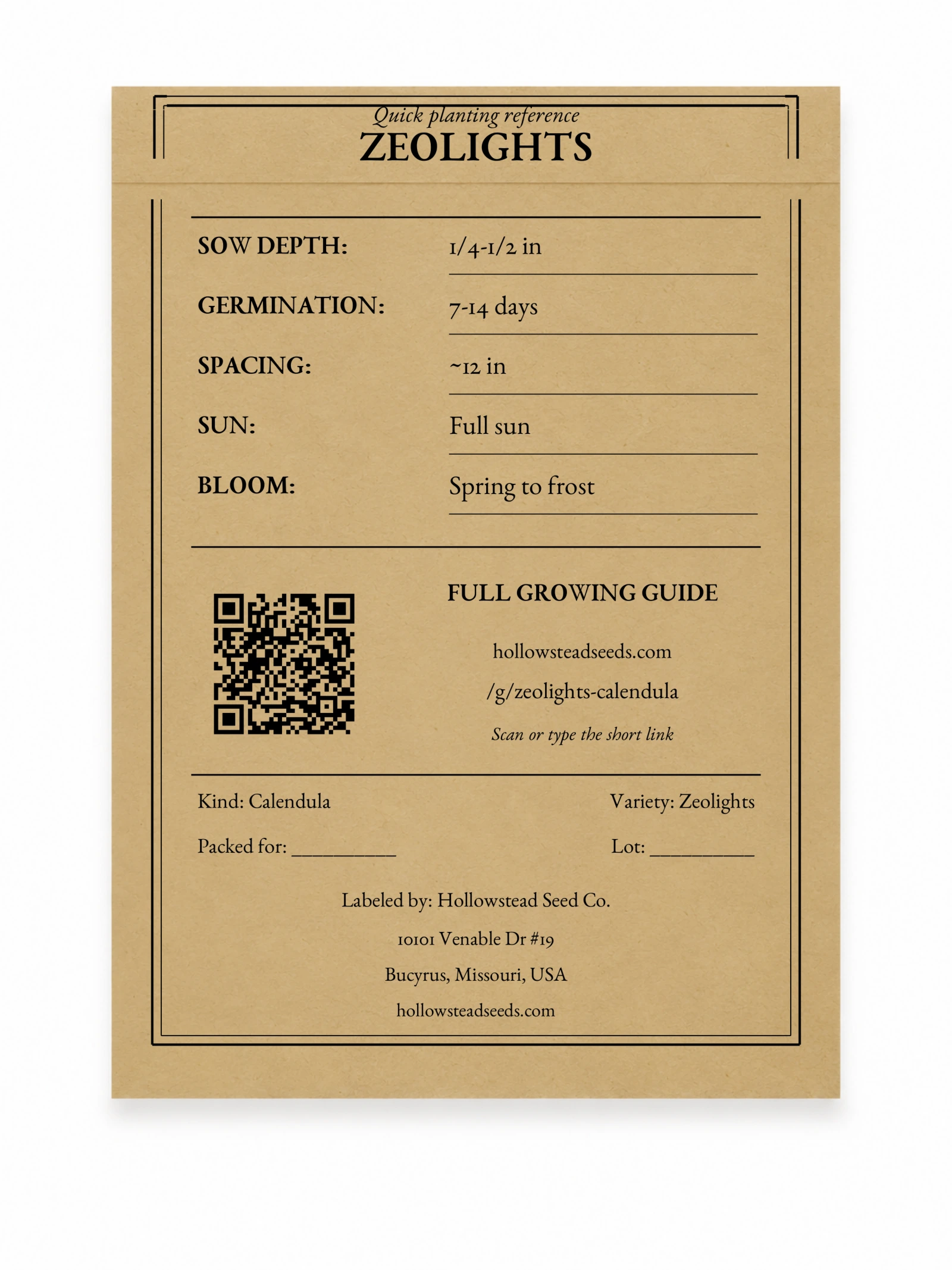
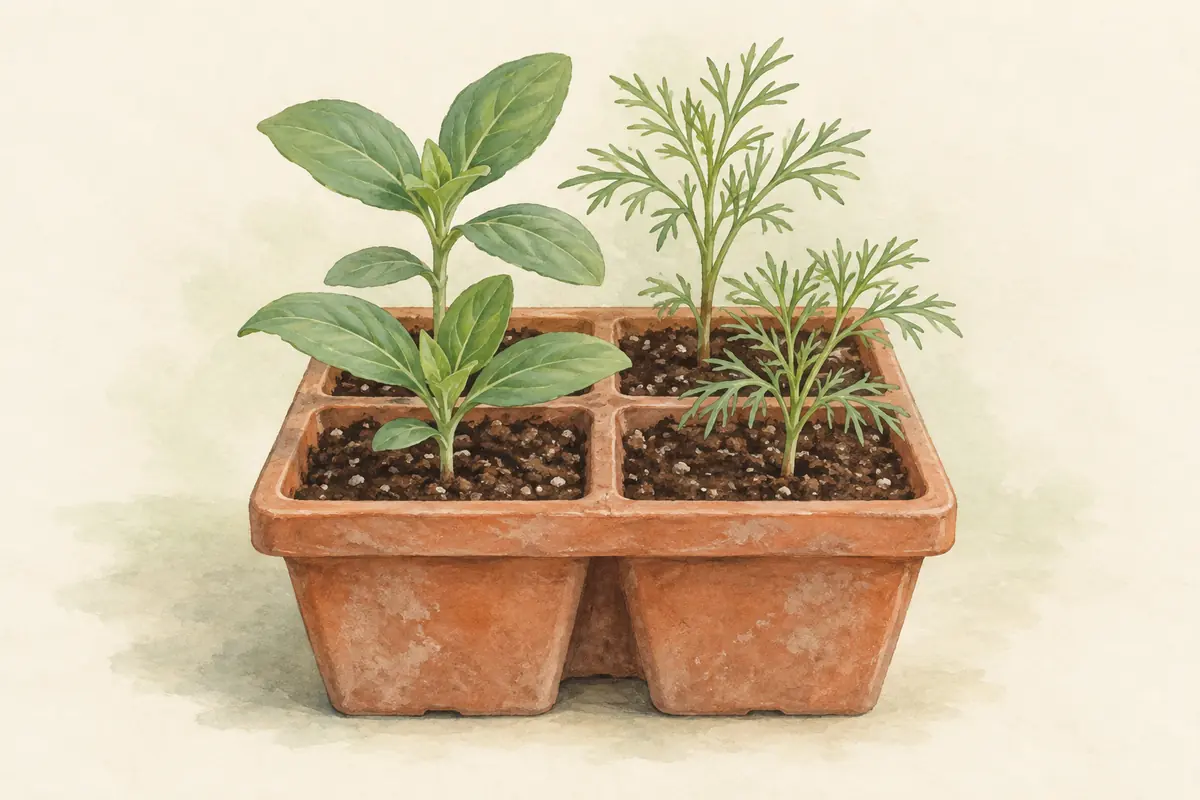
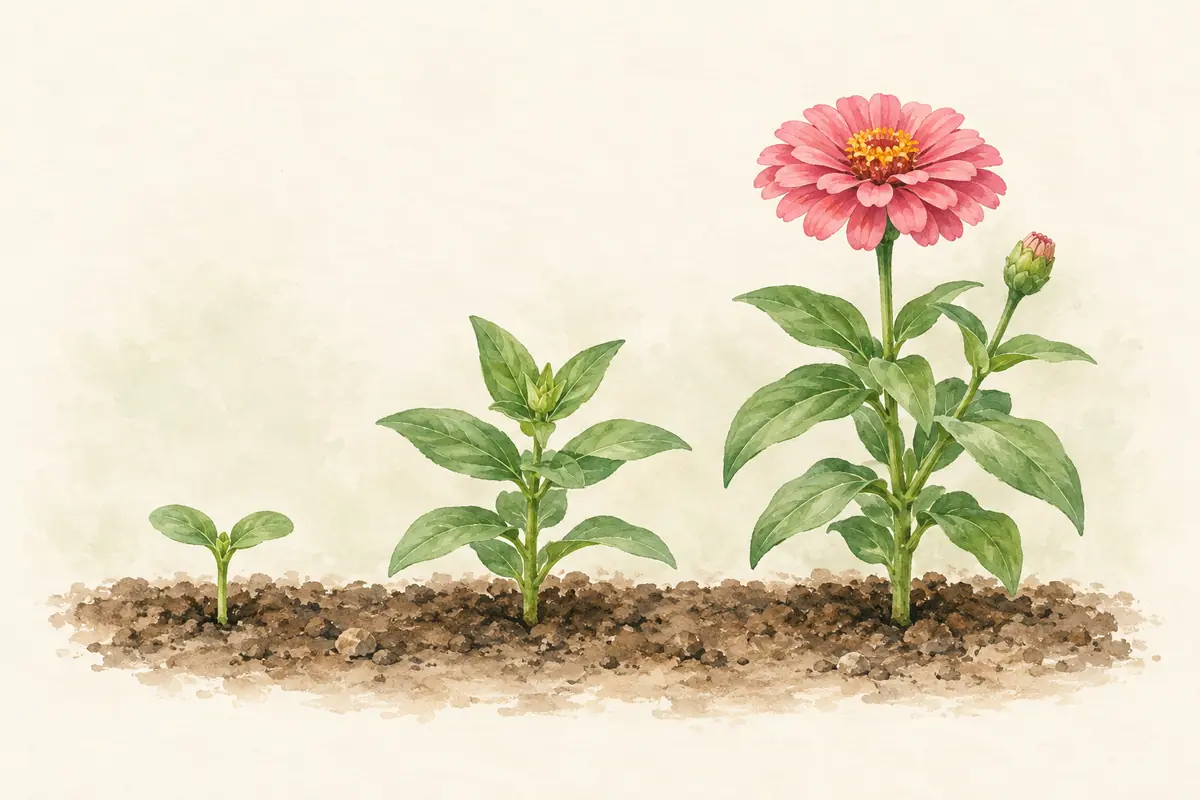
Direct sow in a well-drained bed as soil warms to around 60°F. Cover about ¼ inch deep; the catalog’s ¼–½-inch range calls for a light covering, not deep burial.[3]
Thin to a useful plant.
Keep the seedbed moist through the usual 1–2-week emergence period. Thin to one plant about every 12 inches so branches have space and flowers are easy to reach.[3]
Think ahead to fall.
Where summers are hot, leave room for a later planting timed to cooling weather. In a mild season, a healthy spring planting may continue or recover as conditions improve.[4]
SMALL DECISIONS, BETTER FLOWERS
Practical growing tips
Judge several bloom stages.
An opening flower and an older flower can look different. Expect a blend of warm pastel tones and darker petal backs rather than one unchanging flat shade.[2]
Choose the harvest first.
For a vase, cut when a bloom is about halfway open. For culinary petals, let it open fully, then remove the petals from the head.[5]
Treat heat as a condition to manage.
If buds slow during hot weather, check root moisture and plant health. Keep viable plants tended, but plan spring and fall color rather than relying on uninterrupted midsummer bloom.[3][4]
Remove seed heads selectively.
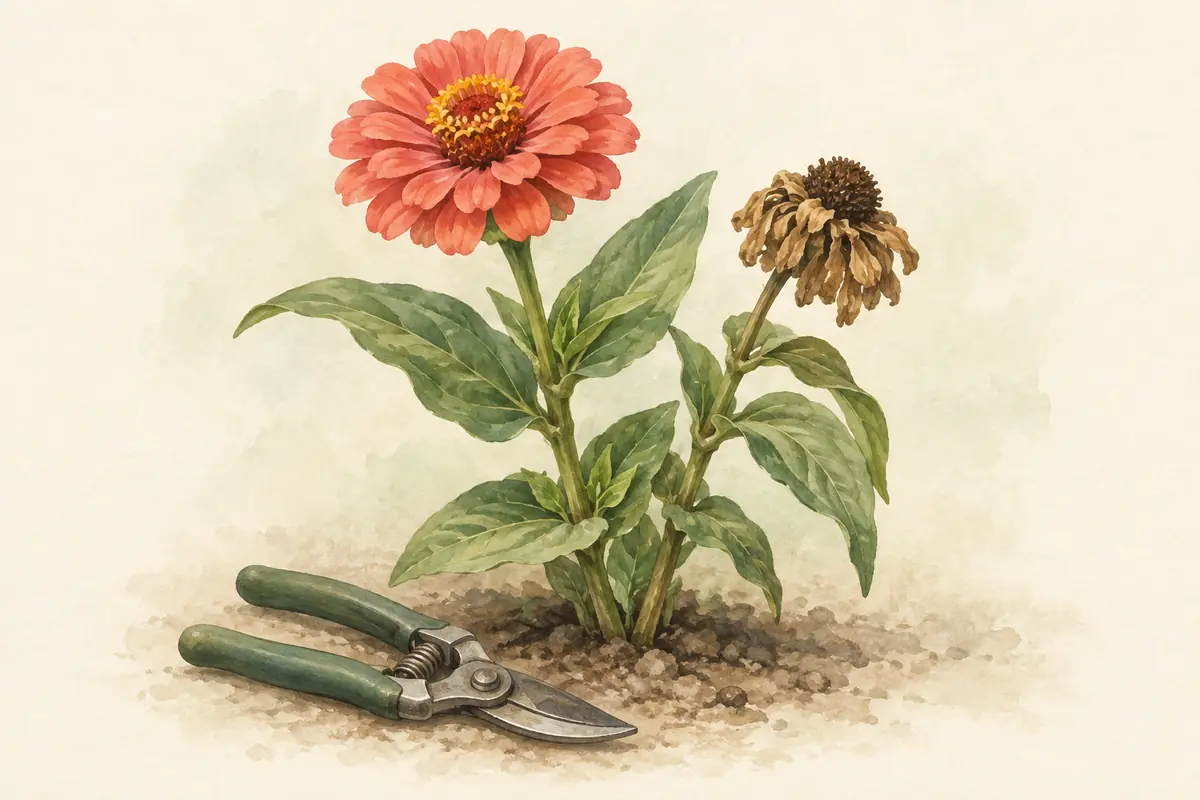
Deadhead most spent blooms for continued flowering. Mark the heads you want for planting seed and let those mature; fresh petals and ripe seed are different harvests.[3][4]
FLOWERS FOR THE GARDEN AND TABLE
Use the petals at their freshest.
Harvest clean, fully opened flowers from positively identified plants grown for edible use. Use the detached petals for color in salads or other dishes; avoid flowers treated with products unsuitable for food crops. To dry petals, spread them in a thin layer with good airflow out of direct sun and seal only when completely dry.[3][5]
FIND ITS PLACE
Choose the flower for the job.
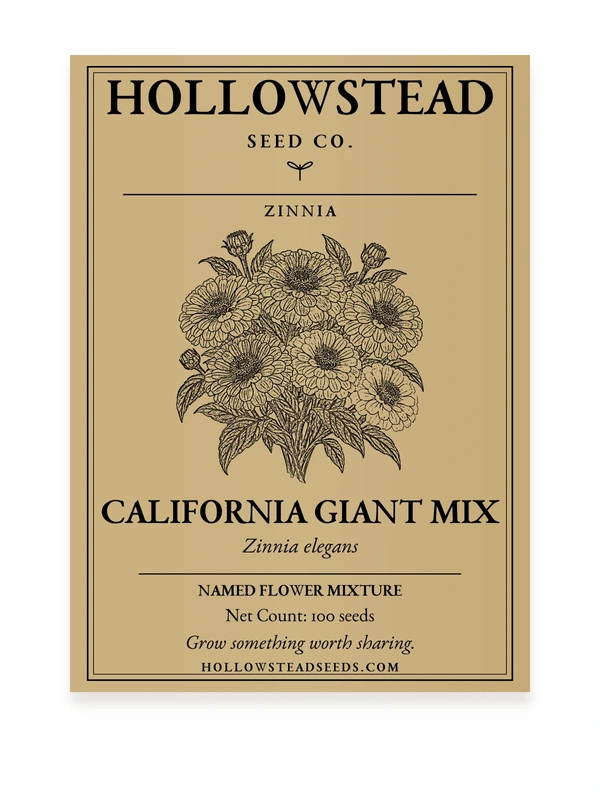
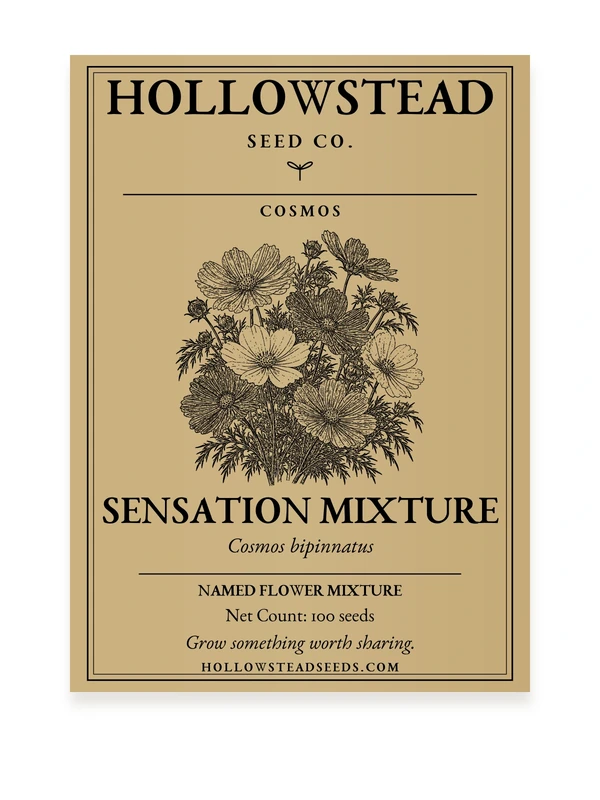
Choose Zeolights for softer color and cooler-season flowering. California Giant Zinnia takes the garden toward bolder warm-season bouquets. Sensation Cosmos provides a taller, airier layer. Together they offer different heights and seasonal strengths; none needs to perform every job.
A FEW THINGS WORTH KNOWING
Before you plant.
Who bred Zeolights?
Zeolights was bred by Frank Morton. Wild Garden Seed lists it as Triangle Flashback/Zeolights; that alternate name is useful when comparing variety descriptions.[2]
Is it a mixed calendula packet?
It is a named open-pollinated variety. Color can vary between flowers and with bloom stage, but this is not a general orange-and-yellow calendula mixture.
Can I grow it on a patio?
Yes. Our guide suggests one plant in a well-drained 3–5-gallon pot as a practical starting plan. Check moisture more often than in a garden bed, especially in sun and wind.
MAKE ROOM FOR THE HARVEST
Plan your planting.
Choose whether most flowers are for the vase, culinary petals, or the bed. Reserve only selected healthy heads for seed saving, and keep the rest of the patch in the regular cutting or deadheading routine.
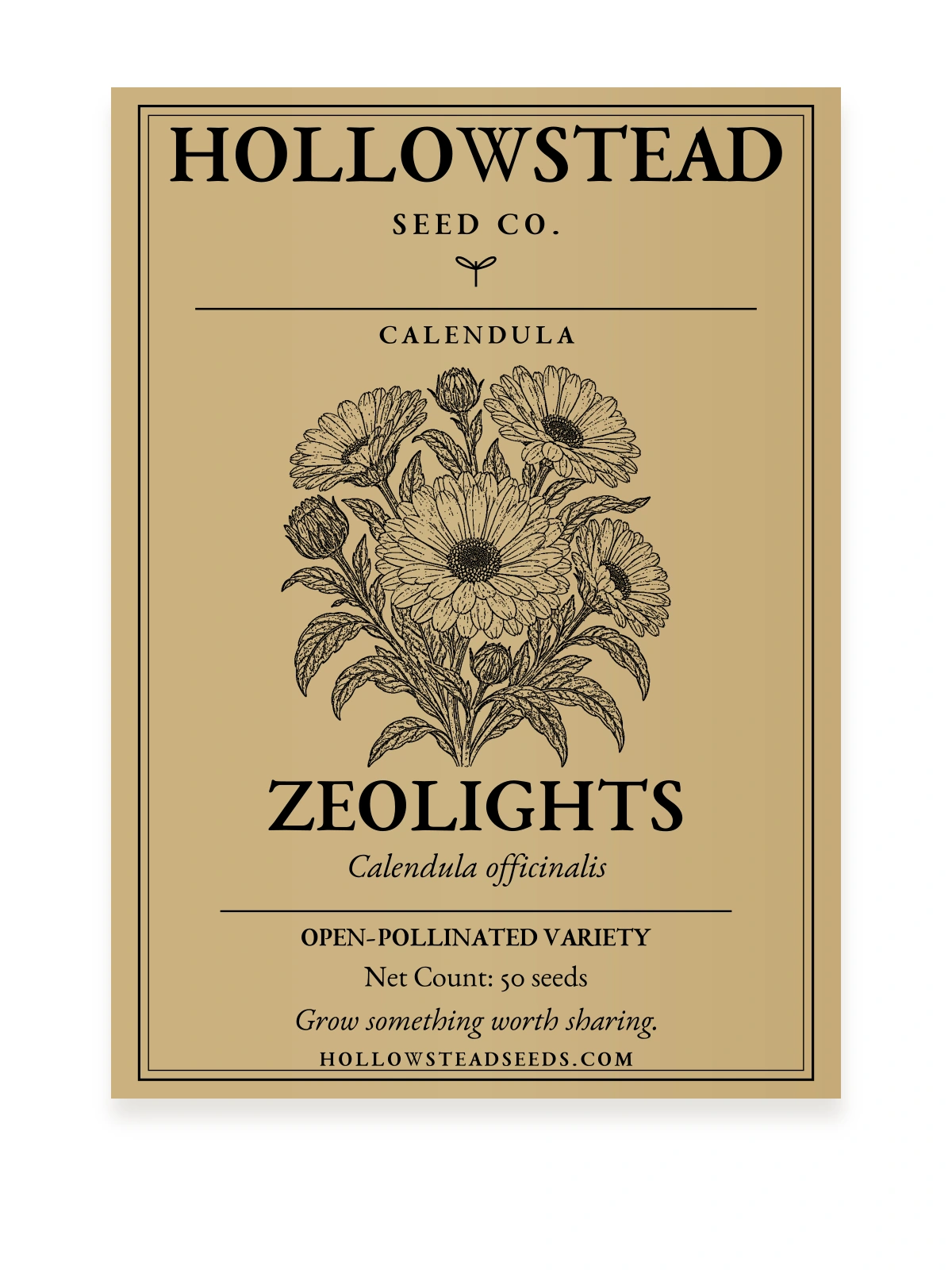
Read the Zeolights Calendula growing guide for a staged growing plan, harvest checks, containers, and troubleshooting.
Packet quantity is a seed count, not a guaranteed plant count. Bloom timing and mature size vary with weather, site, and care.
Growing references
Variety descriptions and crop guidance; supplier figures are planning references, not Hollowstead lot-test results. Reviewed September 24, 2026.

Reviews
THIS PATCH IS JUST GETTING STARTED
Your garden could start the conversation.
No published reviews for this variety yet. Once you have tried these seeds, your experience can help another gardener decide what to plant.
A few honest details are worth more than a perfect growing season.