
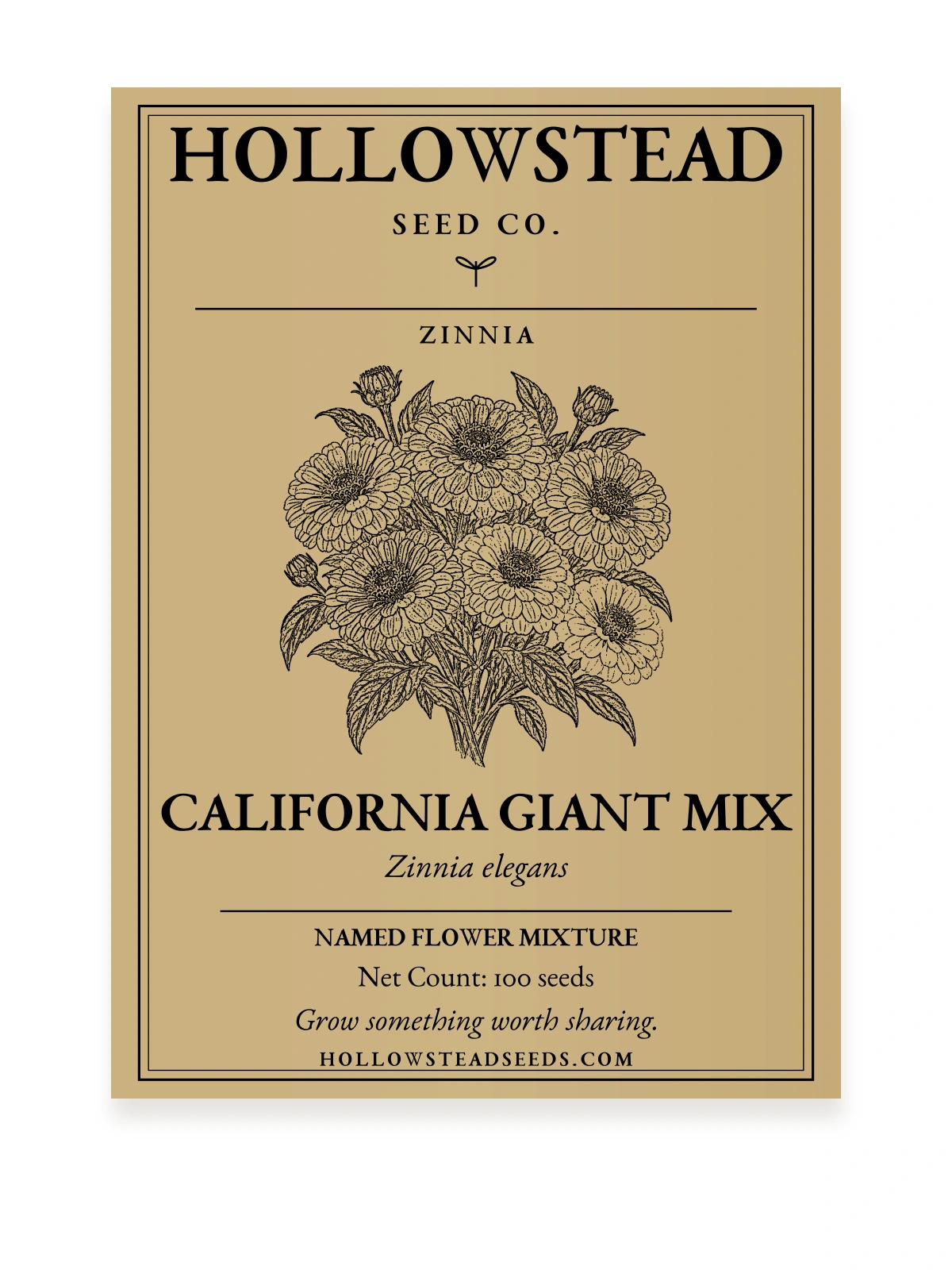
Description
GROW A FEW EXTRA STEMS
Big summer color, with another bouquet coming.
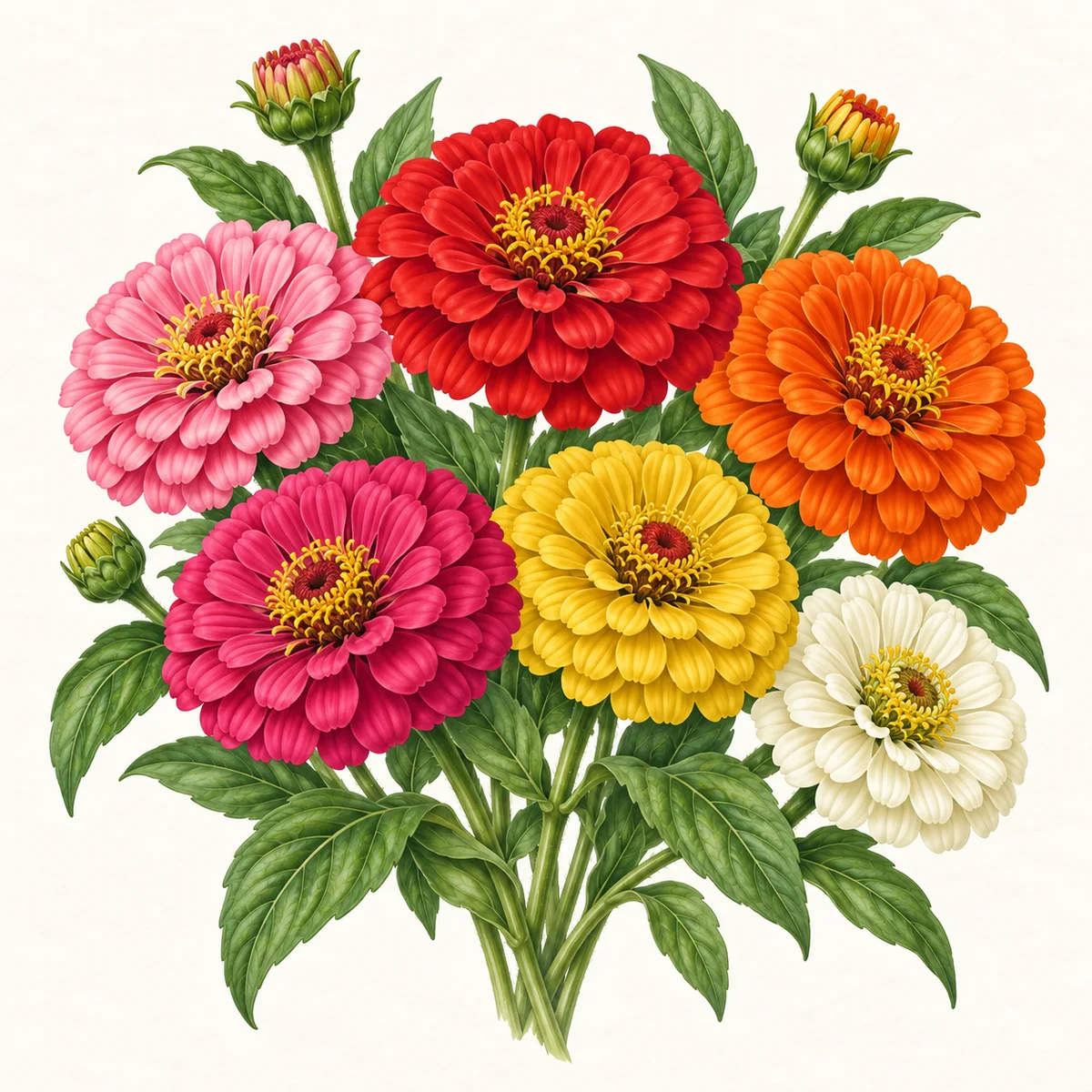
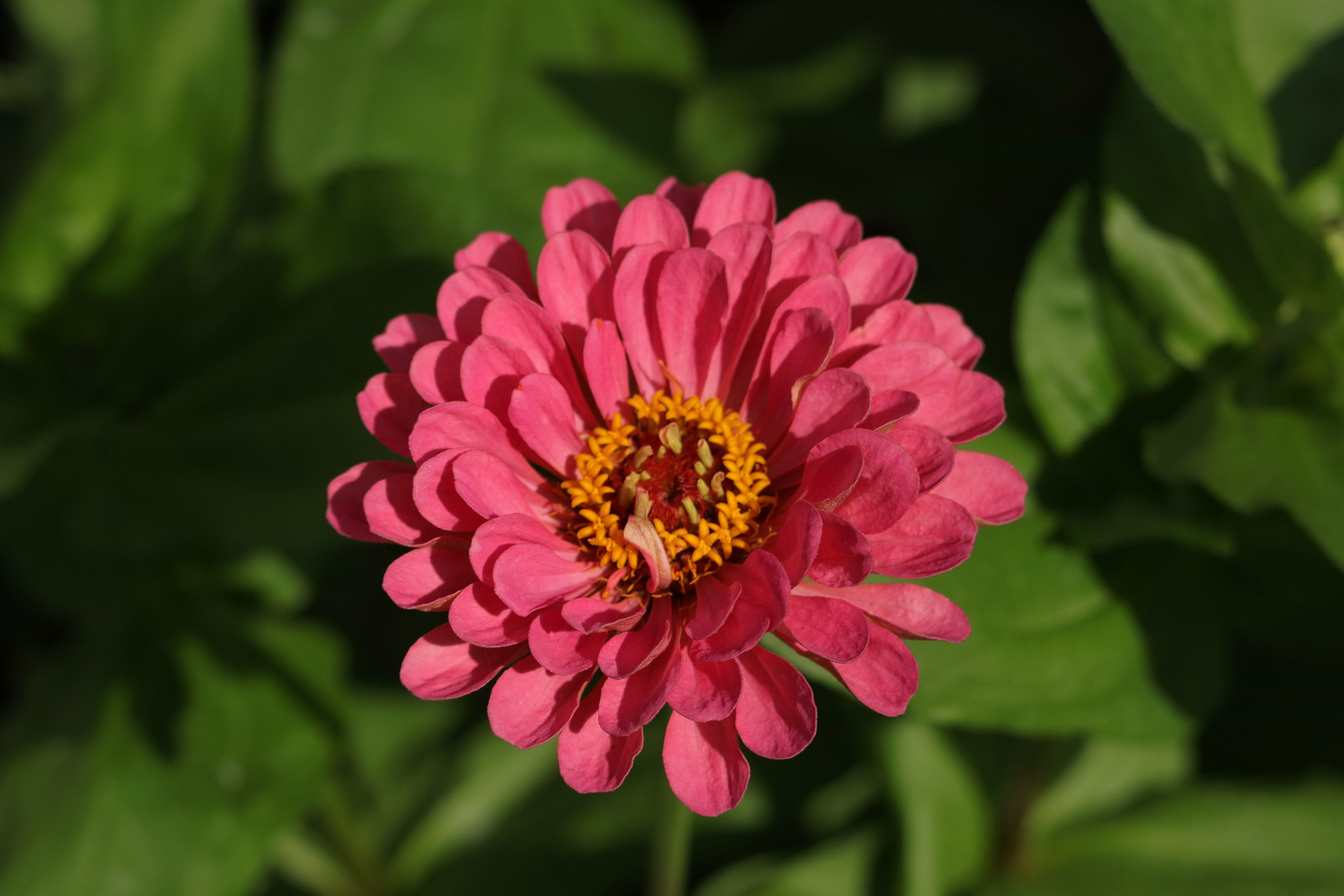
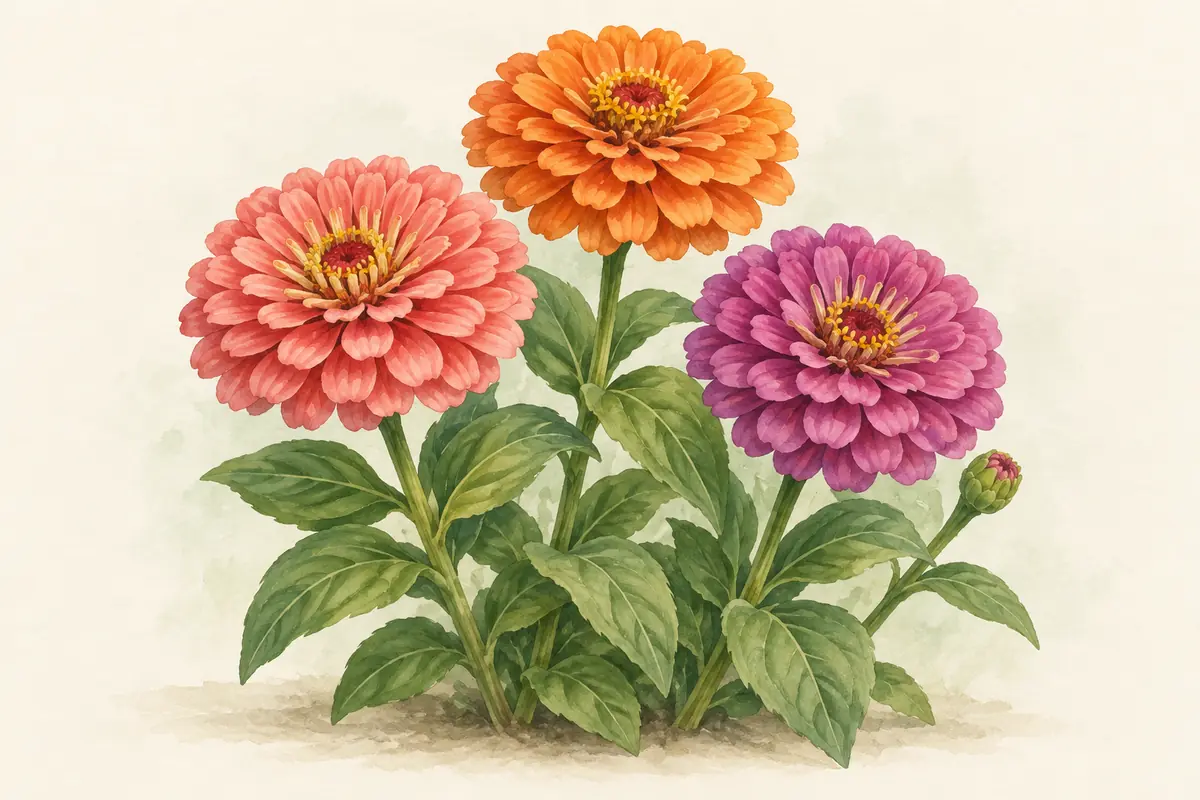
California Giant Mix brings substantial, many-petaled flowers to a sunny cutting patch: a lively range of pink, orange, red, purple, white, and yellow rather than a tightly matched color scheme. This tall mixed cutting type can make large blooms and substantial stems for a simple jar; allow bed room and use the guide’s support and cutting-stage cues.[1]
Choose it for: Bold bouquets, a colorful back border, and flowers to share.
FROM PACKET TO GARDEN
Start with the right season.
Wait for warmth.
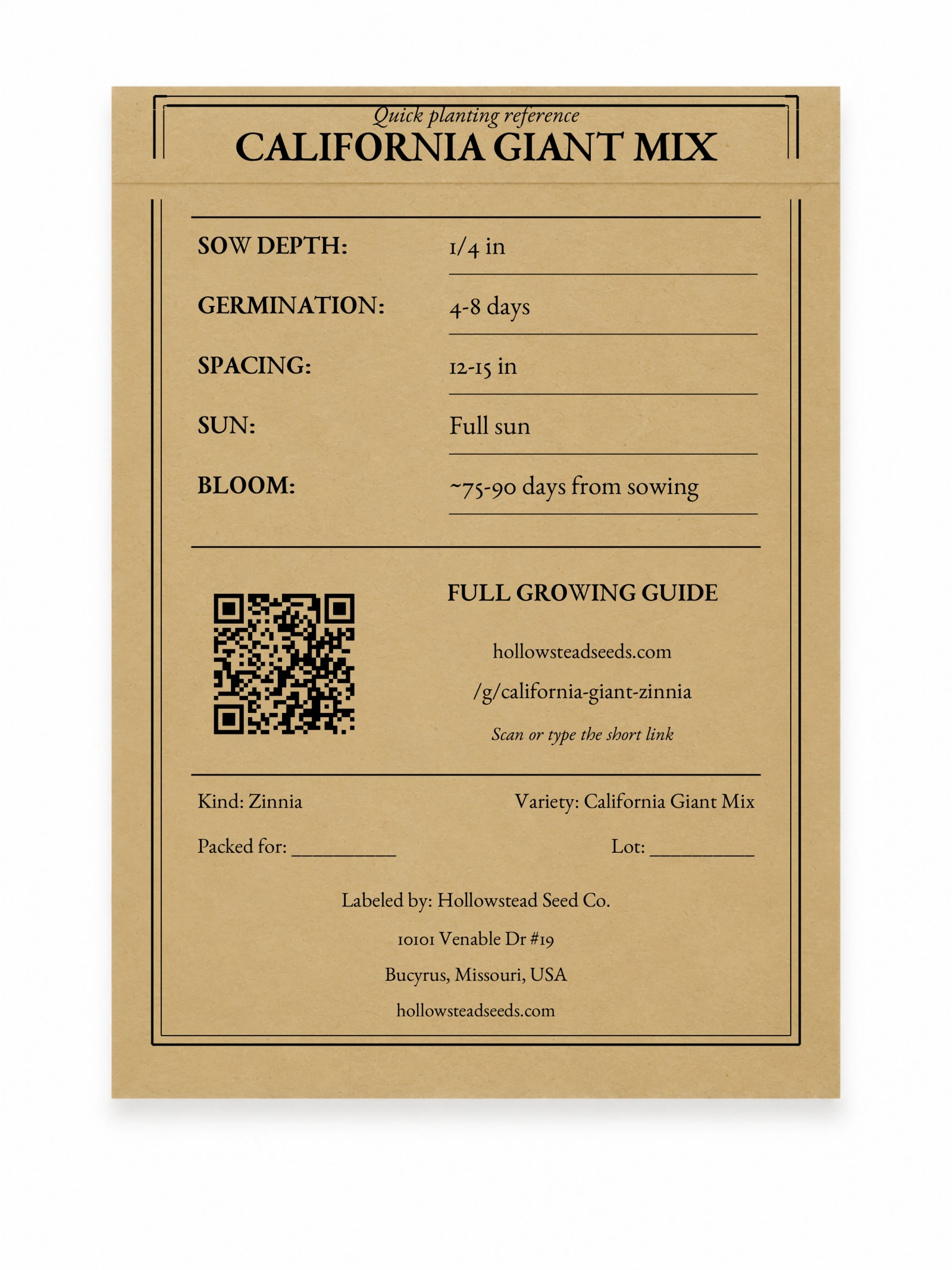
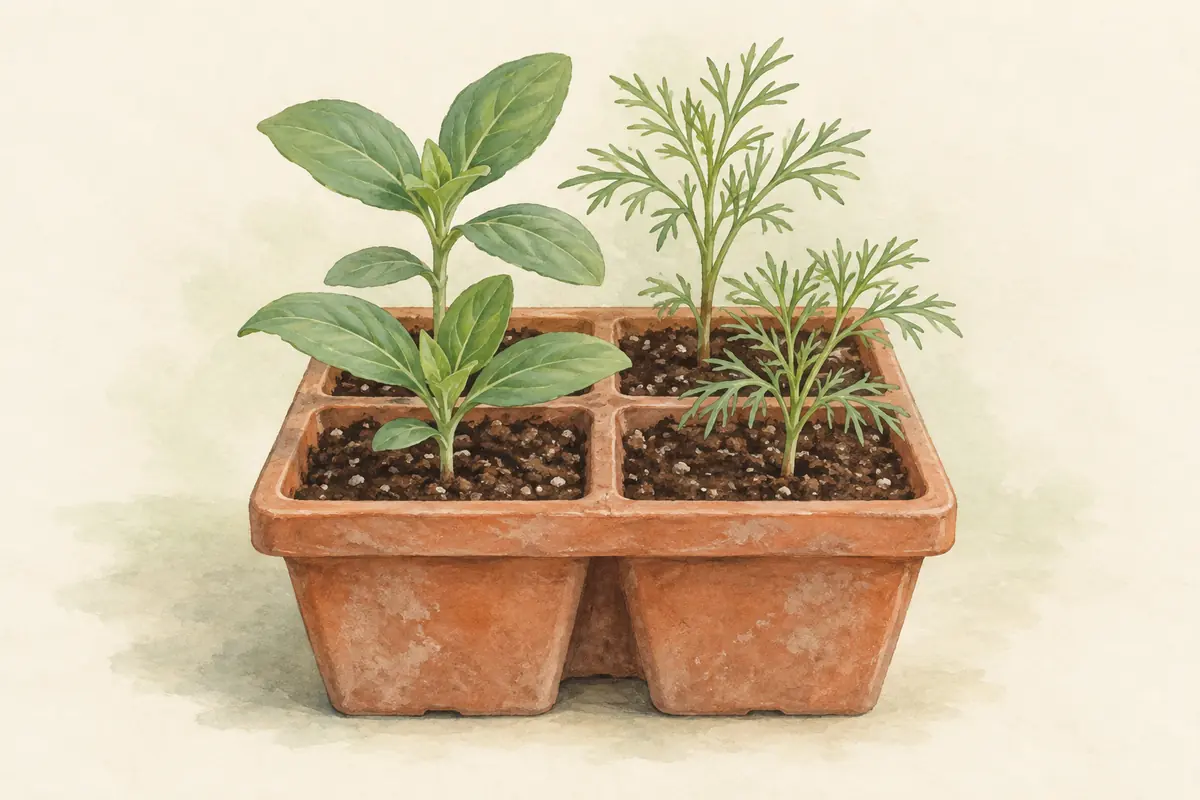
Direct sow after frost in a warm, well-drained seedbed. For an earlier start, sow indoors about four weeks before planting out and move young plants with their roots intact.
Cover lightly.
Sow ¼ inch deep. Keep the seed zone moist through emergence; the variety reference gives about 7–10 days under suitable conditions. Cold soil can take longer.
Thin while plants are small.
Begin with 12–15 inches between plants. Leave access for cutting and let each seedling develop without a tangle of competing neighbors.
SMALL DECISIONS, BETTER FLOWERS
Practical growing tips
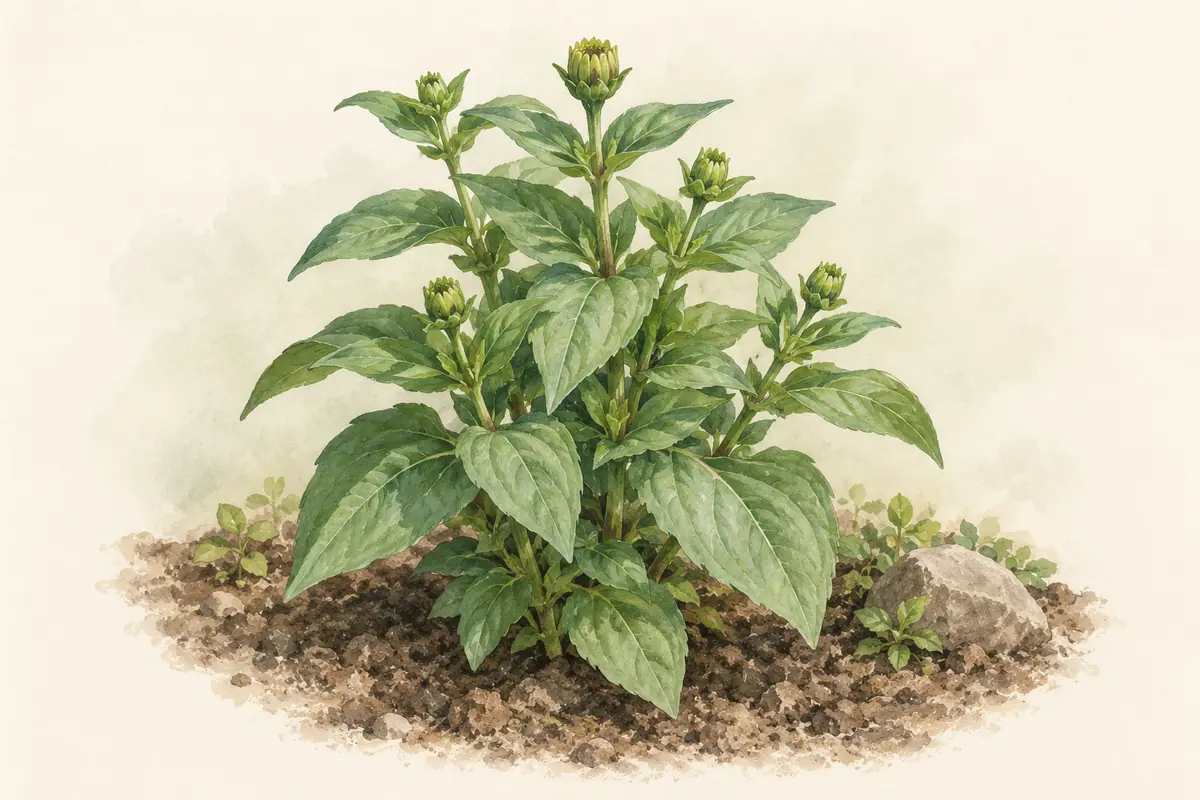
Pinch for a branchier patch.
For repeated bouquets, remove the growing tip of a healthy, established young plant above a leaf pair. Leave some plants unpinched if the first central flower matters more to you.[3]
Use the stem as your signal.
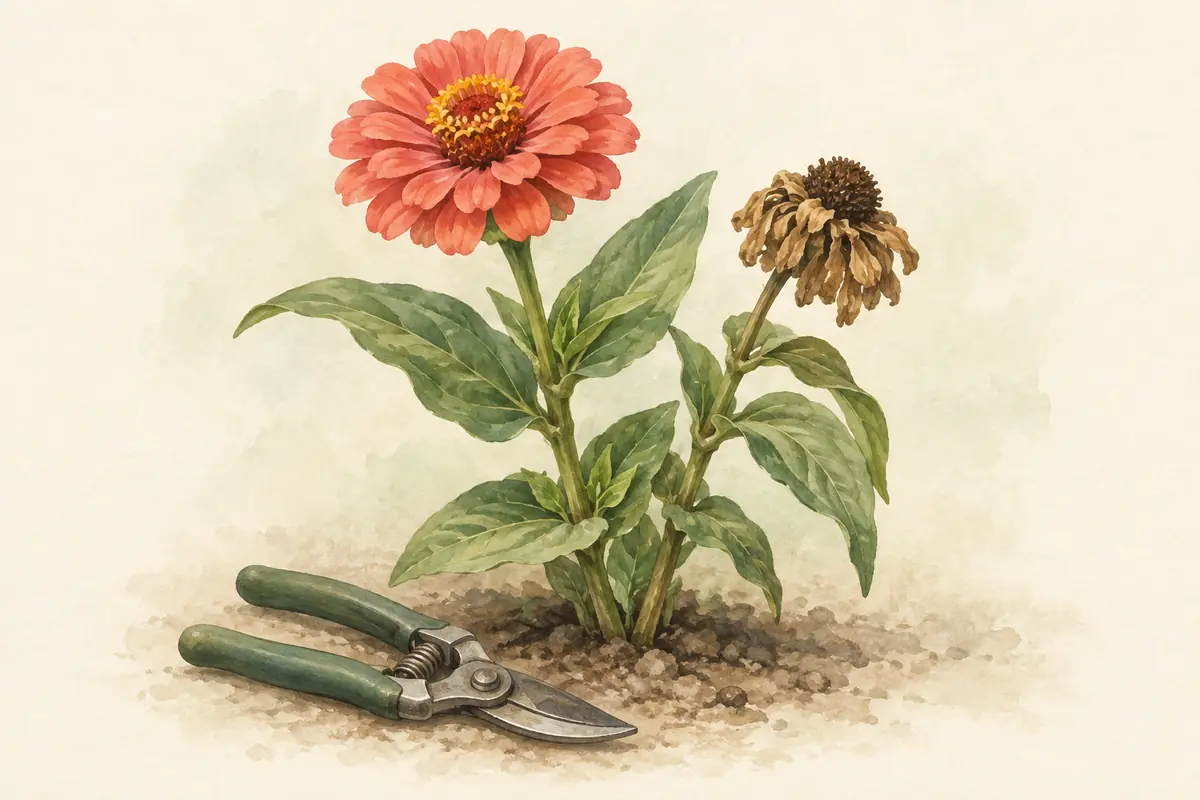
Gently wiggle the stem just below an open flower. A firm neck is ready to cut; a head that nods on a soft stem needs more time.[3]
Make humid beds easier to tend.
Keep plants open to sun and air, and water the root zone. White powder on leaves and brown leaf spots need different checks; base watering alone cannot prevent powdery mildew.[1][4]
Keep summer warmth in perspective.
Heat suits established zinnias, but seedlings still need moisture. When an older patch loses vigor, a later sowing may help if enough frost-free growing time remains. See the guide’s succession plan.
CUTTING WITH A PURPOSE
Harvest a stem, leave a growing plant.
FIND ITS PLACE
Choose the flower for the job.
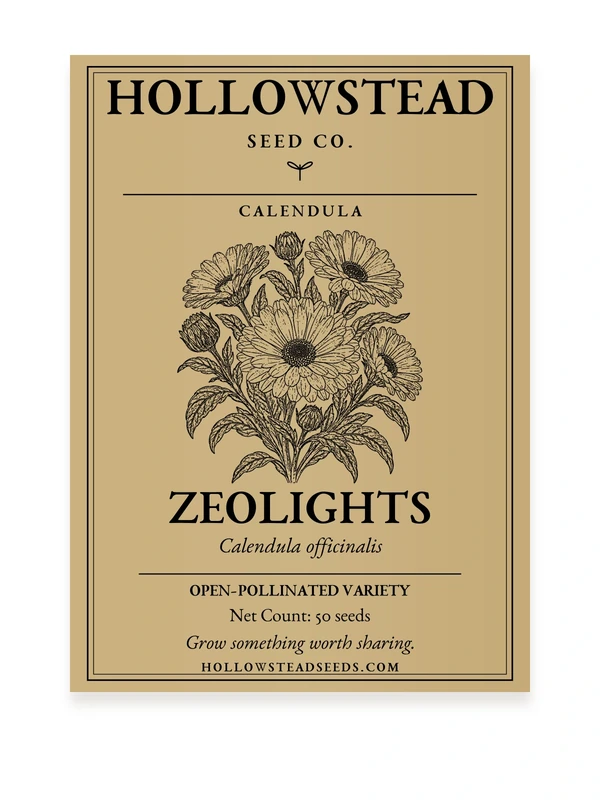
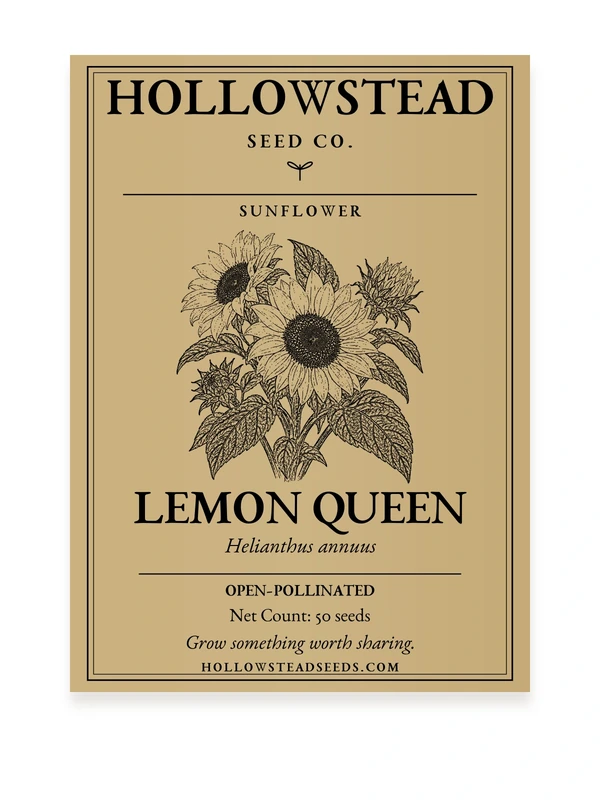
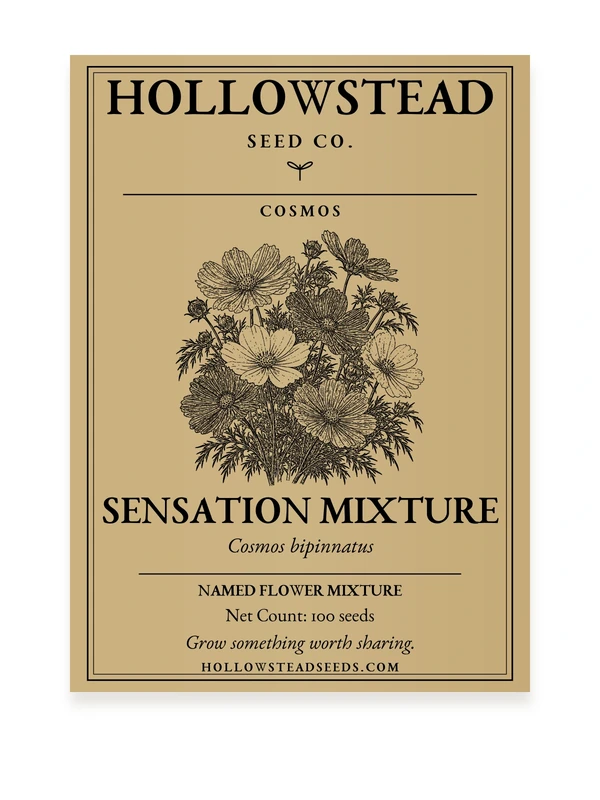
Choose California Giant for bold flower heads. Pair it with Sensation Cosmos for fine foliage and a lighter shape in the same bouquet. For lower, muted flowers during cooler spring or fall weather, consider Zeolights Calendula. Choose Lemon Queen when you have room for a much taller branching backdrop.
A FEW THINGS WORTH KNOWING
Before you plant.
Will every bloom be the same color and shape?
No. This is a seed-grown mixture. Colors and flower forms vary, and a packet does not contain a guaranteed proportion of each shade.[1]
Can I grow it in a container?
Yes, if the pot is substantial and stable. Our guide starts with one plant in at least a 5-gallon container, with drainage and support where exposed; this is a planning allowance for a tall plant.
Will the same plants return next year?
California Giant is an annual. Saved or self-sown seed starts a new generation; nearby compatible zinnias can change the flowers in that generation. See the seed-saving guidance.
MAKE ROOM FOR THE HARVEST
Plan your planting.
Start with a patch you can reach from a path. Reserve a few planting spaces for a later sowing if you want to spread the work and flowering season, rather than crowding every seed into the first row.
Read the California Giant Mix Zinnia growing guide for a staged growing plan, harvest checks, containers, and troubleshooting.
Packet quantity is a seed count, not a guaranteed plant count. Bloom timing and mature size vary with weather, site, and care.
Growing references
Variety descriptions and crop guidance; supplier figures are planning references, not Hollowstead lot-test results. Reviewed September 24, 2026.

Reviews
THIS PATCH IS JUST GETTING STARTED
Your garden could start the conversation.
No published reviews for this variety yet. Once you have tried these seeds, your experience can help another gardener decide what to plant.
A few honest details are worth more than a perfect growing season.