
Description
LET THE FLOWER PATCH REACH UP
A pale-yellow canopy, one branch at a time.
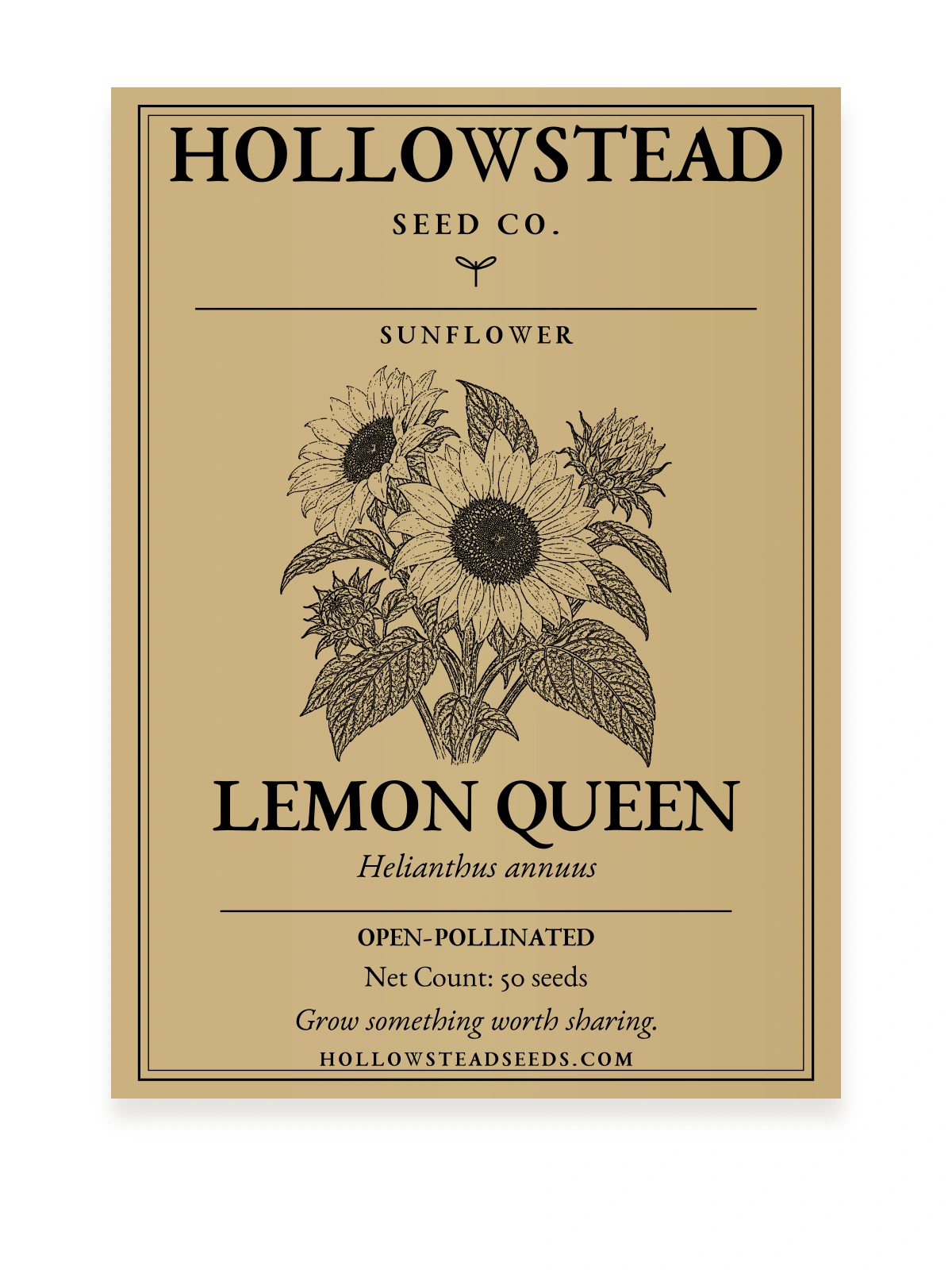
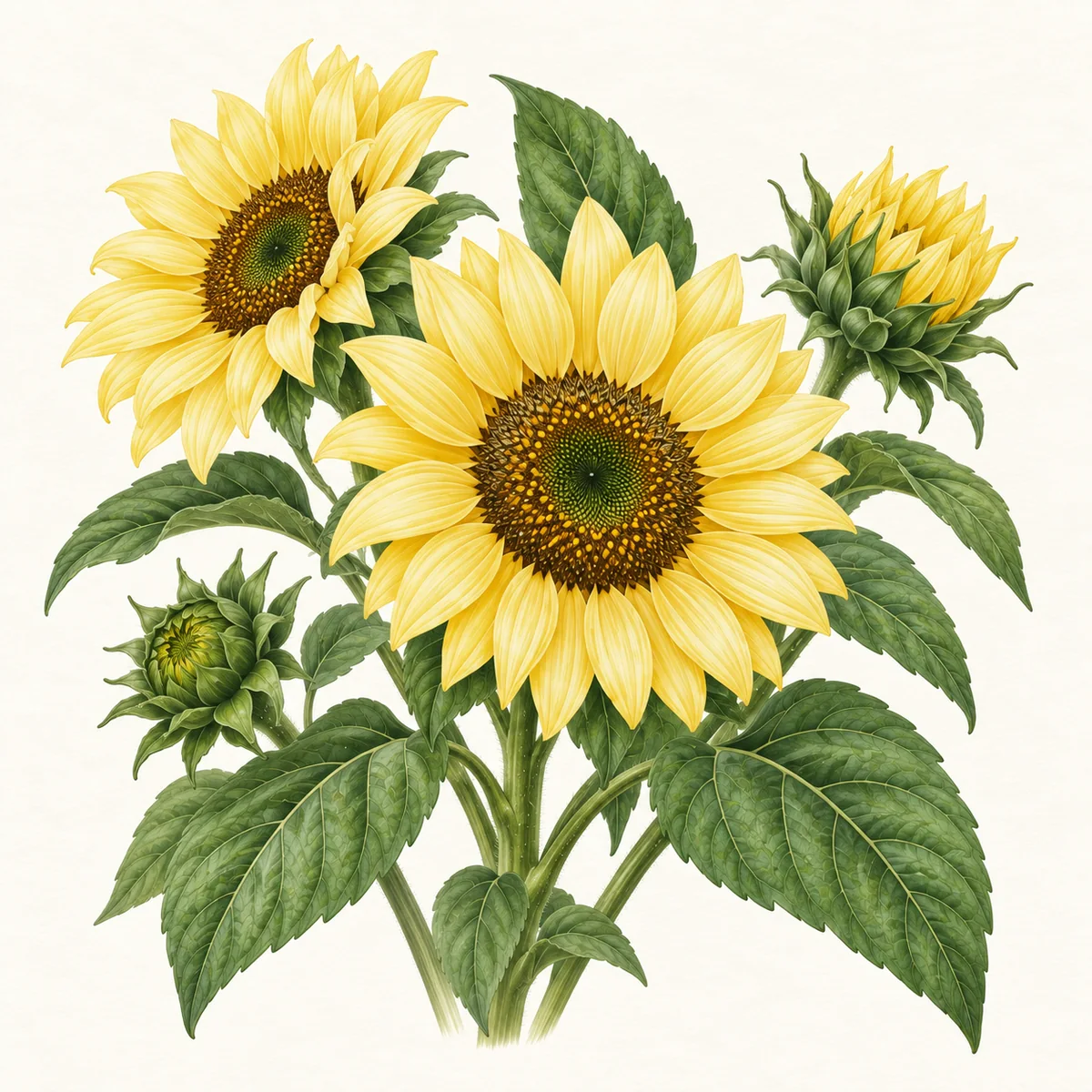
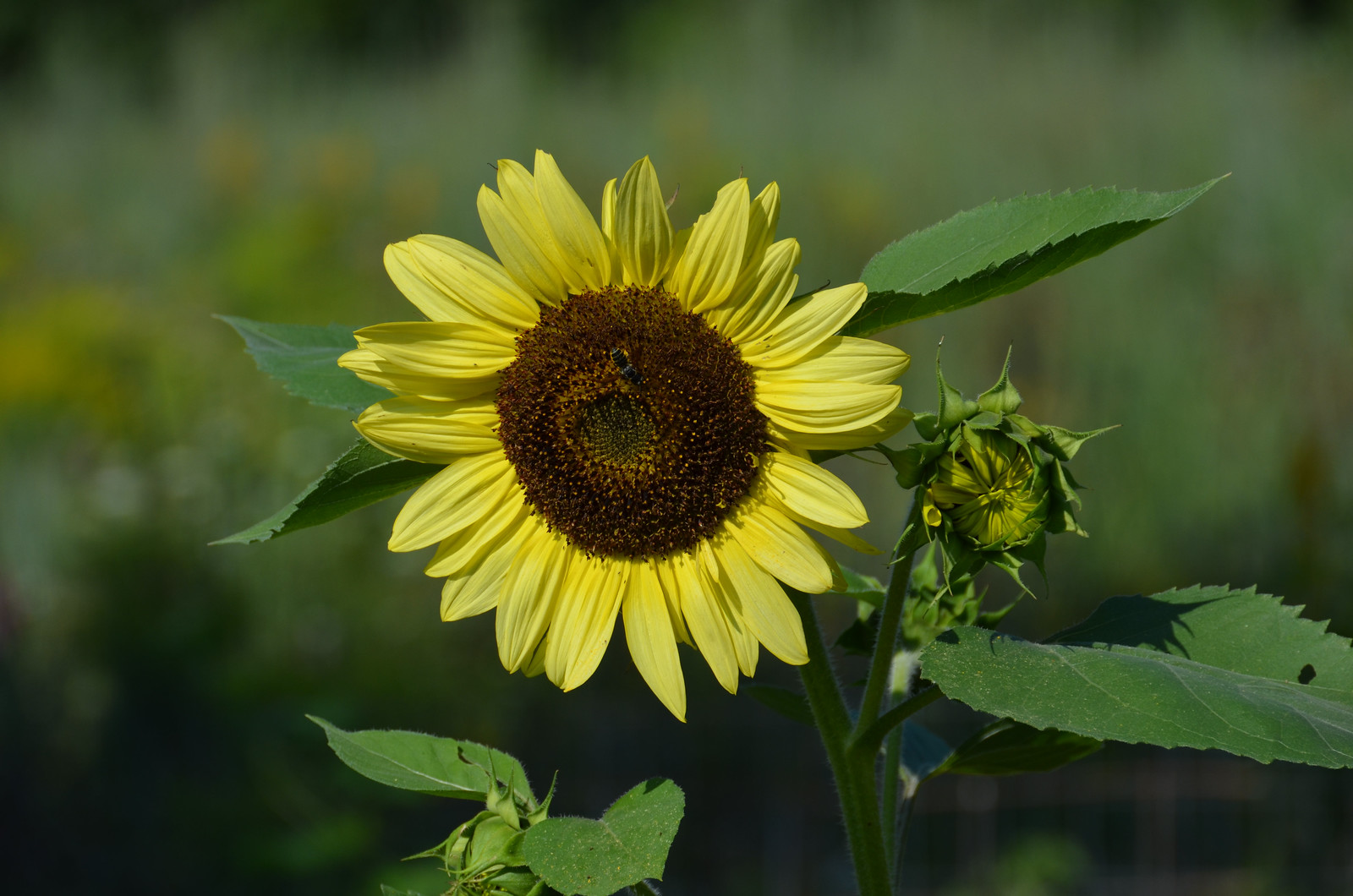
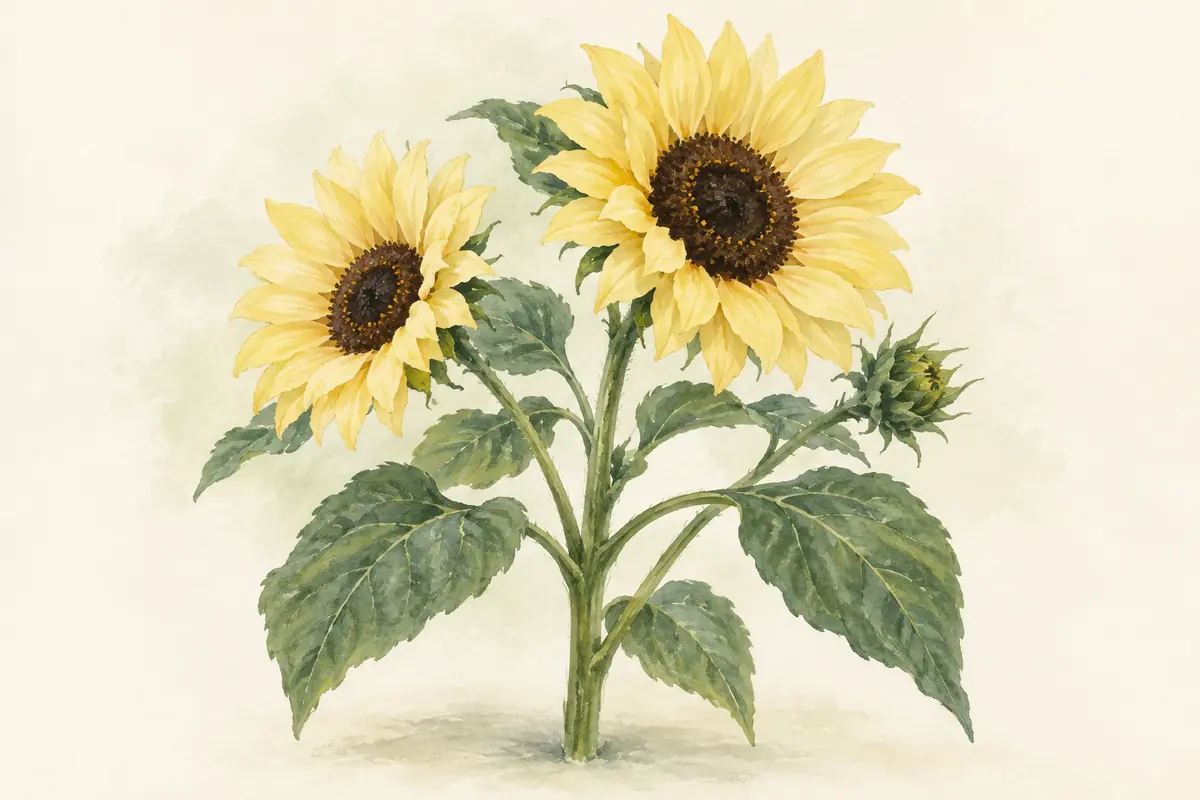
Lemon Queen is a branching annual sunflower with light lemon-yellow petals and brown centers. Its interest builds across several stems: opening flowers for a vase, open heads in the garden, and selected heads left to mature. Plan for a tall presence—about 60–84 inches, with flowers around 3–5 inches across in the published variety reference.
Choose it for: A sunny back border, a sunflower row, and informal arrangements.
FROM PACKET TO GARDEN
Start with the right season.
Choose the final position.
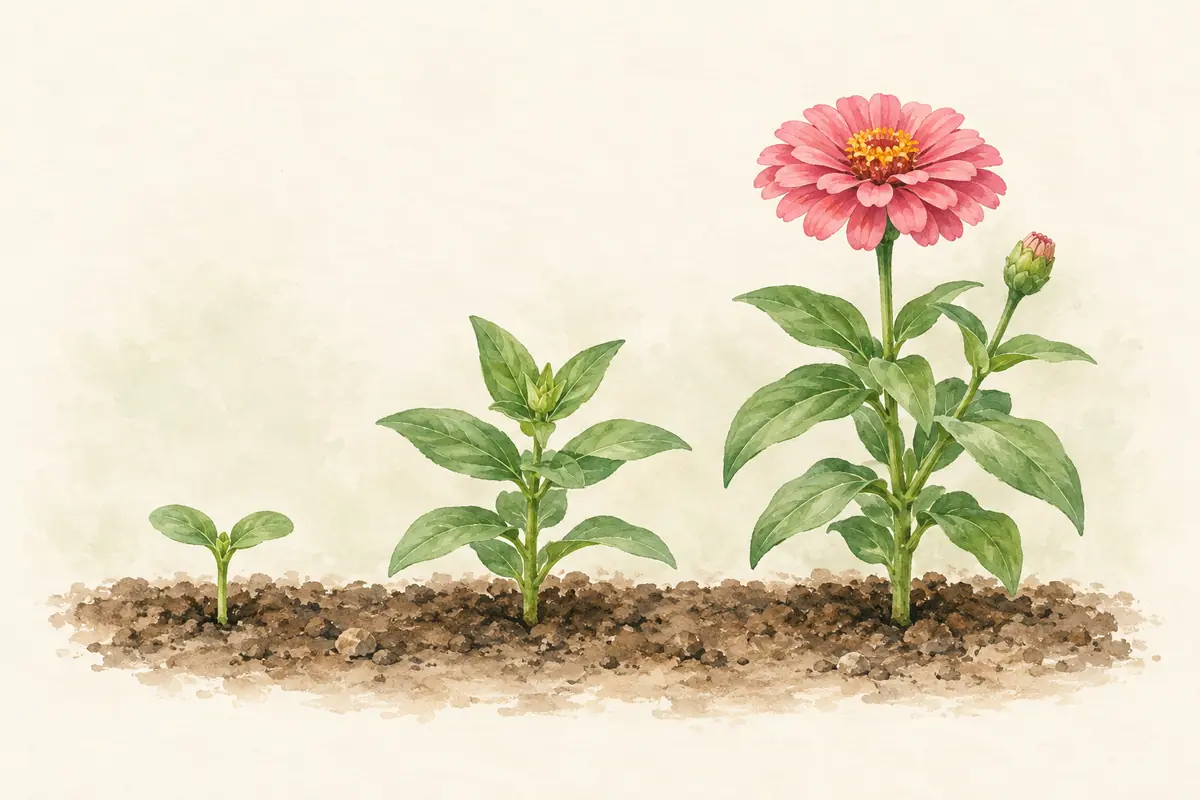
Direct sow after frost in full sun and soil that drains. Put tall plants where they will not shade smaller crops and where their branches remain easy to reach.[2]
Sow and protect the start.
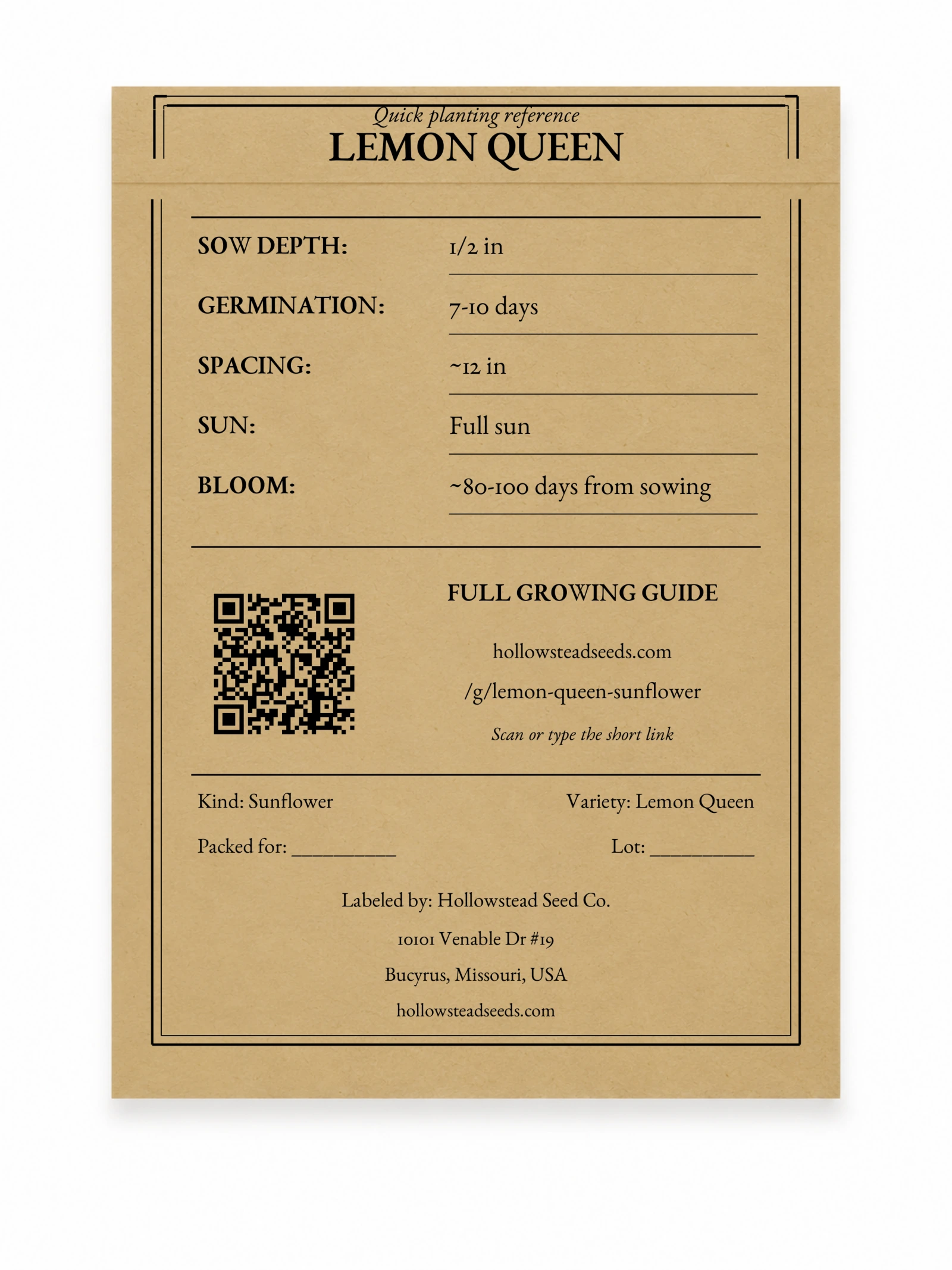
Cover seed about ½ inch deep and maintain moisture until established. If seed or seedlings disappear, inspect for digging or clipped stems before blaming germination.
Give branches useful space.
Start with 12 inches for sturdy branching plants. Use 18–24 inches when broad side branches, airflow, and cutting access matter more than plant count.[3]
SMALL DECISIONS, BETTER FLOWERS
Practical growing tips
Install support before the storm.
Stake or corral an exposed planting while it is young. A tall plant carrying several heads is difficult to lift upright after heavy rain or wind.
Keep indoor starts brief.
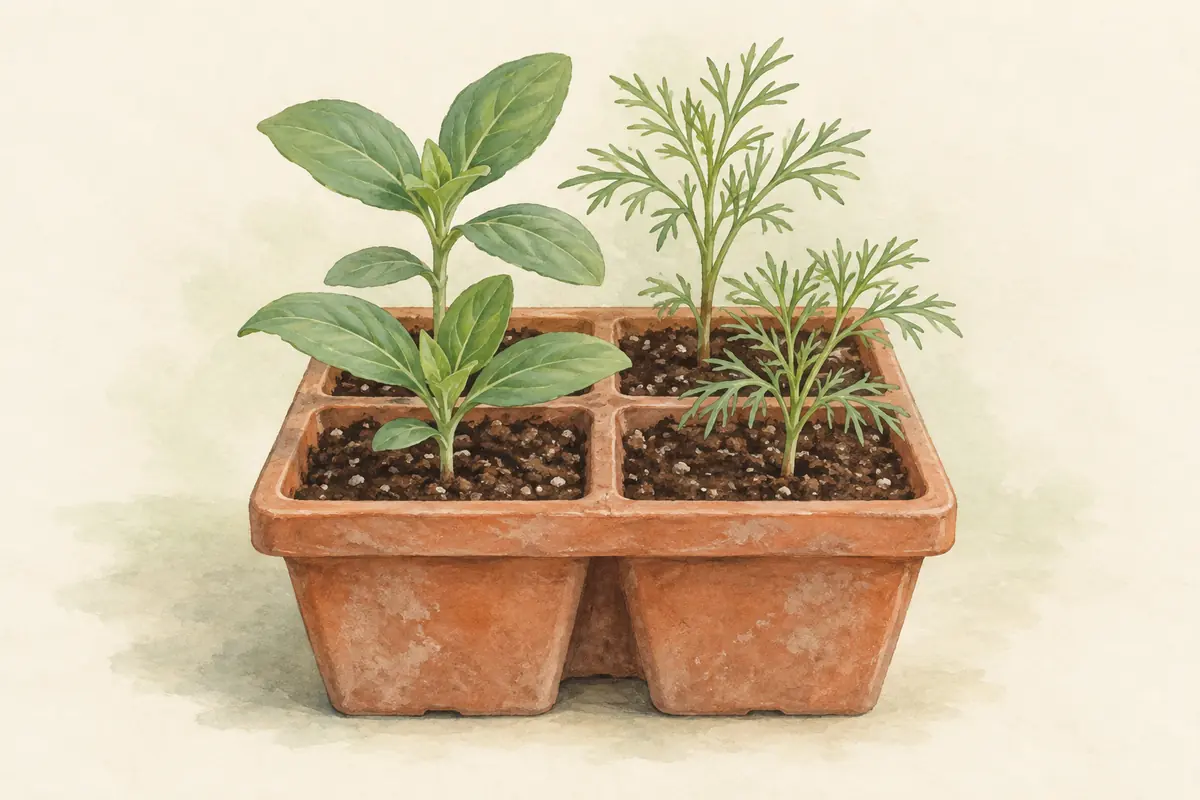
If starting indoors, use individual cells about 2–3 weeks before planting out. Move young plants with the root ball intact; prolonged time in a small cell can undermine the head start.[2][3]
Cut a branch, keep the framework.
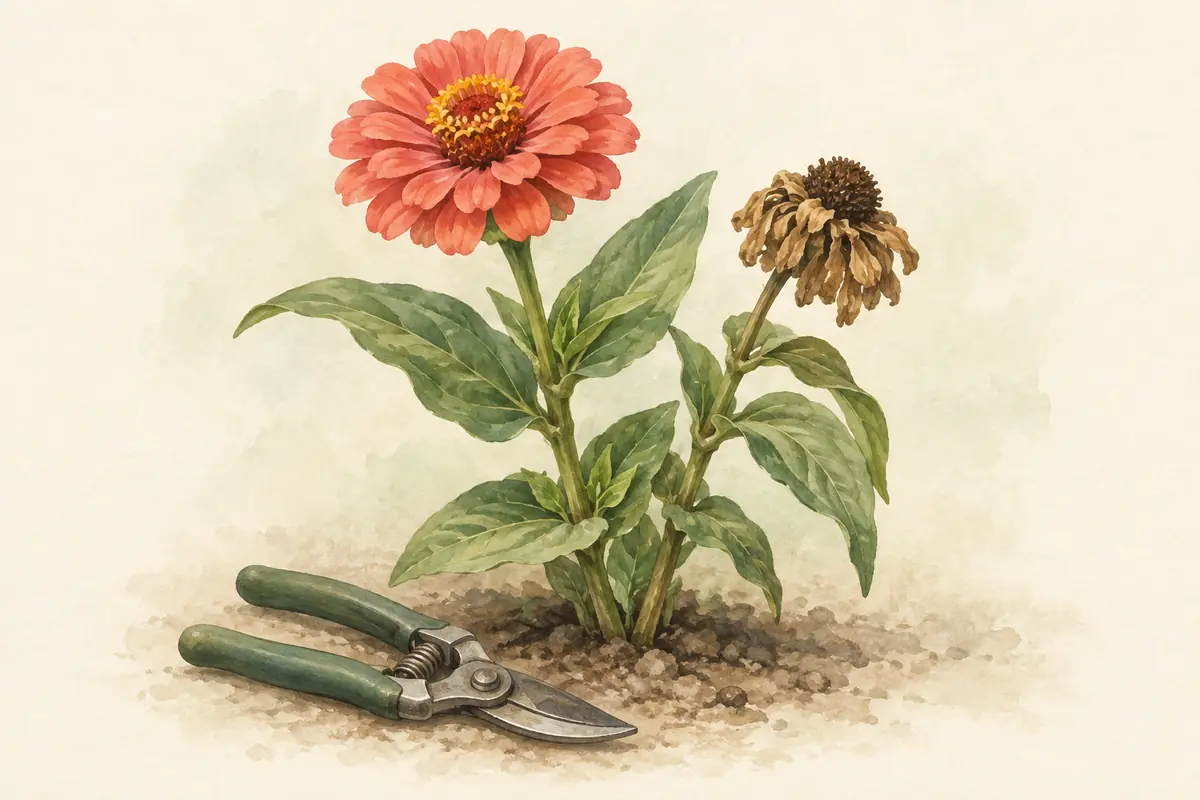
Choose a young head with petals beginning to open. Cut above a healthy junction and leave other branches and foliage to continue developing. Put the stem straight into water.[4]
Use small successive sowings.
A second batch two or three weeks later can overlap the first. Leave enough growing season for the final batch; the bloom estimate does not include time to ripen planting seed.[3]
DECIDE WHICH HEADS TO KEEP
One plant can serve several purposes.
This annual bears pollen and nectar. [5] Choose some young flowers for bouquets and leave others open for visiting insects; a documented pollenless type is tidier if indoor pollen drop matters. If mature seed is a goal, mark separate heads and let them finish on the plant. Birds may reach unprotected seed before you do.[4]
Keep weeds from competing with small plants and water during dry spells. Check below the soil surface before adding water to a wilting plant; a saturated root zone needs drainage.[2]
FIND ITS PLACE
Choose the flower for the job.
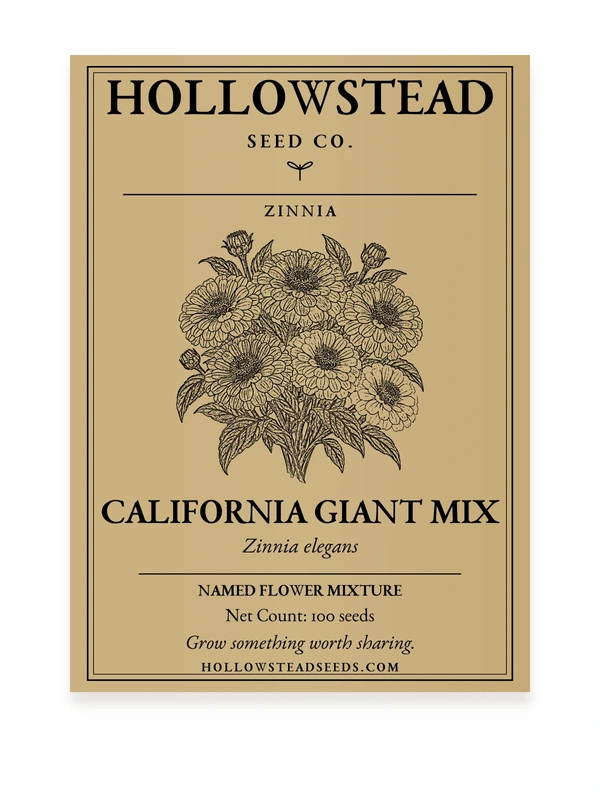
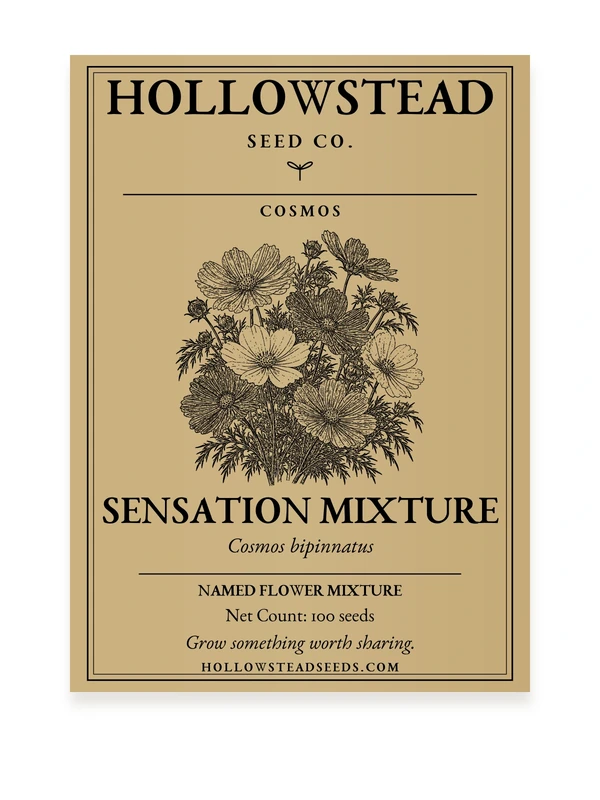
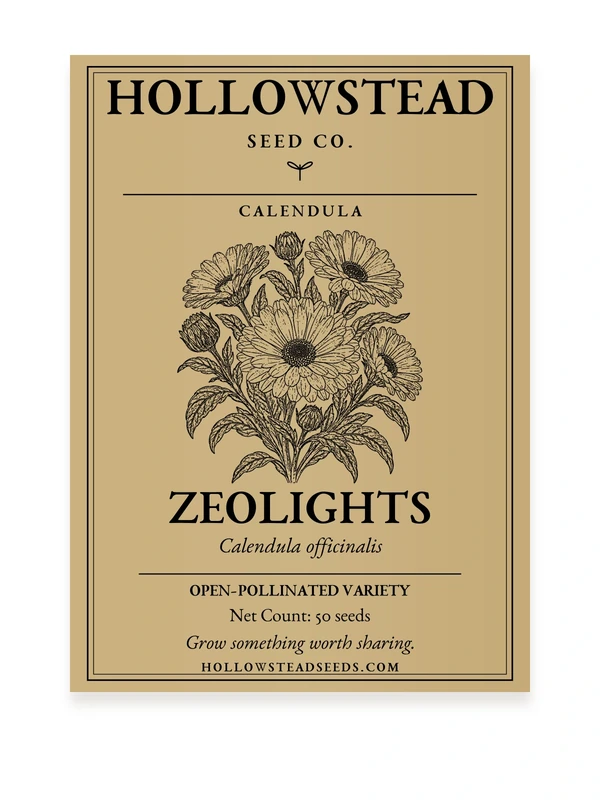
Choose Lemon Queen for height and pale-yellow heads. California Giant Zinnia makes a lower, bolder-color cutting patch. Sensation Cosmos contributes finer foliage and lighter flowers. For a smaller plant and a cool-season role, choose Zeolights Calendula.
A FEW THINGS WORTH KNOWING
Before you plant.
Does one plant produce only one flower?
Lemon Queen is a branching selection that can develop several heads. Plant size, branch number, and the harvest window depend on conditions; they are not fixed yields.
Is this a giant snack-seed sunflower?
Choose it for flowers and garden use. This listing does not promise the large edible kernels associated with varieties selected for snacking.
Can I grow it in a pot?
It is a demanding container choice. Our guide uses one plant in a stable 15–20-gallon container, with root depth, support, and frequent moisture checks. A ground bed is simpler if you have room.
MAKE ROOM FOR THE HARVEST
Plan your planting.
Mark the mature plant positions first and leave an approach for cutting. In a mixed bed, think through the shadow cast by the sunflower row. Allocate a few heads to bouquets and a few to garden display before seed begins to mature.
Read the Lemon Queen Sunflower growing guide for a staged growing plan, harvest checks, containers, and troubleshooting.
Packet quantity is a seed count, not a guaranteed plant count. Bloom timing and mature size vary with weather, site, and care.
Growing references
Variety descriptions and crop guidance; supplier figures are planning references, not Hollowstead lot-test results. Reviewed September 24, 2026.

Reviews
THIS PATCH IS JUST GETTING STARTED
Your garden could start the conversation.
No published reviews for this variety yet. Once you have tried these seeds, your experience can help another gardener decide what to plant.
A few honest details are worth more than a perfect growing season.