
HARVEST GUIDE
When and How to Cut Flowers for Bouquets
Harvest better homegrown bouquets by cutting at the right flower stage, using clean tools and buckets, conditioning stems quickly, protecting foliage from vase water, and managing vase conditions.
FlowersHarvest guideBeginner → advanced
Published by Hollowstead Seed Co. · How this guide is prepared

Quick answer
Harvest flowers during the cool part of the day with clean, sharp pruners and a clean bucket already filled with water. Cut each species at the stage that travels and opens best: young opening sunflowers, firm-stemmed open zinnias, partially open cosmos, and calendula roughly halfway open. Strip foliage below the future waterline and hydrate stems promptly.[1][2][6]
Vase life starts before the vase. A flower harvested too old, with a weak stem, or left dry in the sun cannot be repaired by fancy flower food.
At a glance
| Step | Best practice |
|---|---|
| Timing | Cool morning when stems are hydrated |
| Tools | Clean, sharp bypass pruners/shears |
| Bucket | Clean water carried into the garden |
| Leaves | Remove foliage that would sit underwater |
| Conditioning | Hydrate before arranging |
| Vase | Clean vessel, clean water, cool display |
- Harvest time
- Cool morning
- Stem condition
- Firm and well hydrated
- Cleanliness
- Clean pruners, bucket, vase, water
- Speed
- Into water immediately
- Foliage
- None below waterline
- Display
- Cool location away from direct sun and ripening fruit
Take the bucket to the flowers
Illinois Extension recommends harvesting in morning when flowers are hydrated, using clean, sharp bypass pruners, and placing stems into clean water as soon as possible.[1] That is more reliable than cutting a pile of stems and carrying them around dry while you decide what to arrange.
Keep stems off bare soil and rinse obvious splash before it enters the bucket. Clean tools and buckets reduce the bacterial load that will eventually be sitting against cut stem ends.
Cut each flower at its useful stage
- Lemon Queen Sunflower: head young and beginning to open.
- California Giant Mix Zinnia: bloom open and neck firm during a gentle wiggle.
- Sensation Mixture Cosmos: buds partially open.
- Zeolights Calendula: buds beginning to open for stems; fully open flowers for culinary petals.
Harvest stage by flower
Use the table below to choose a harvest stage for each flower.
Different flower structures want different harvest stages. Illinois Extension notes that sunflowers are generally cut as they begin opening, while zinnias need to be fully open.[1] Seed Savers adds useful crop-specific cues for cosmos and zinnia stem maturity.[2]
For calendula, halfway open is this guide’s starting cue. Seed Savers’ earlier, just-opening stage is a trial alternative; the Zeolights guide also explains Floret’s later three-quarters-open stage. Compare a few stems for vase performance in your conditions. Fully open flowers remain the separate culinary-petal harvest.[2][6]
Make a cut that serves both the bouquet and the plant
Follow the stem down to a branching point that gives you useful length without stripping the plant of all healthy foliage. Repeated cutting is a form of pruning: where you cut determines which buds remain to make the next stems.
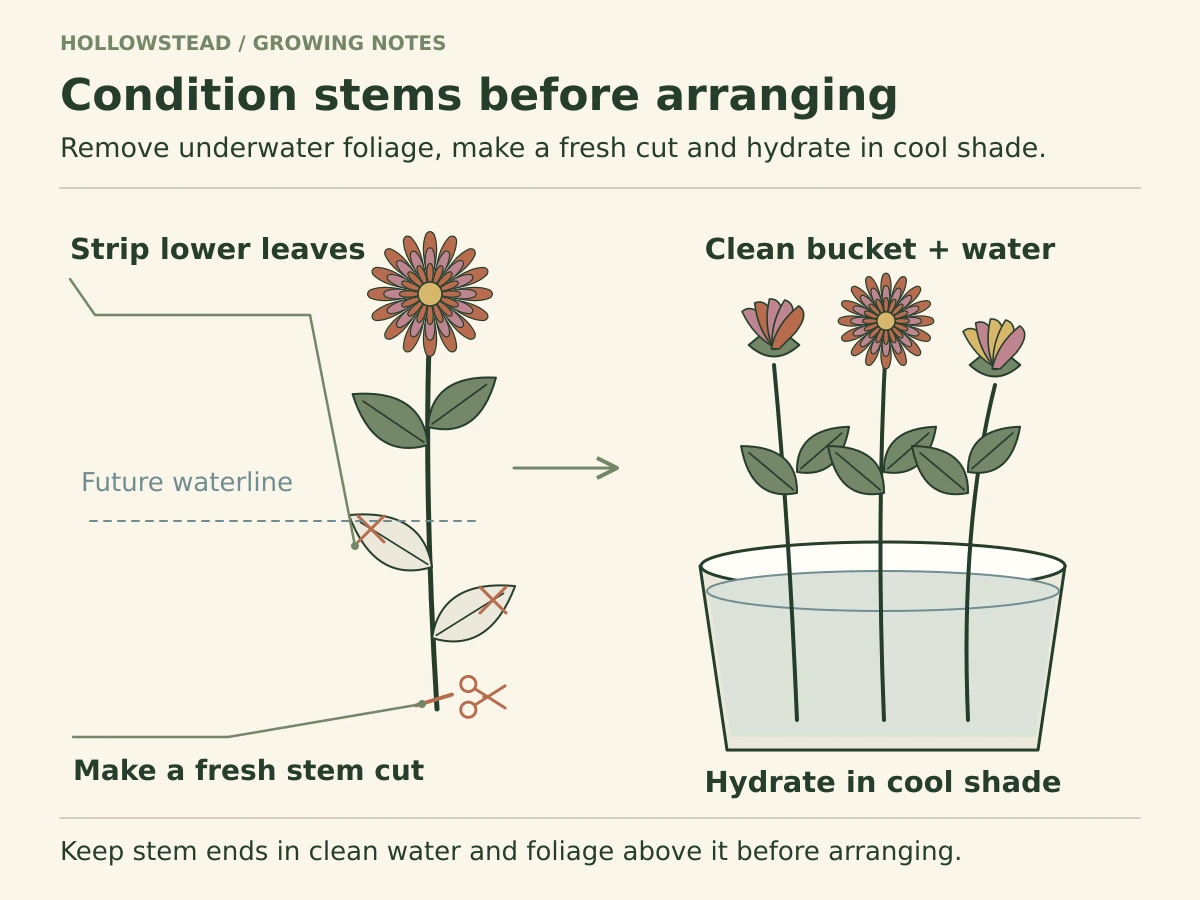
Use one decisive cut rather than crushing the stem. Strip lower leaves in the field or at the conditioning station so nothing decays below the waterline. Illinois Extension advises removing submerged foliage because it promotes bacterial growth in vase water.[1]
Condition stems before arranging
Let freshly cut stems hydrate in clean water before the final arrangement, especially when the garden is warm. Keep the bucket cool and shaded. Seed Savers recommends removing stem foliage and allowing stems to rest in water for several hours before arranging.[5]
Use a clean vase, replenish or change water before it becomes cloudy, and make a fresh stem cut when changing water. Illinois Extension recommends keeping bouquets away from direct sun, heat sources, drafts, and ripening fruit that releases ethylene.[1] Commercial flower food can help when mixed according to label directions; cleanliness still matters.
 View full-size diagram
Bouquet troubleshooting
A five-step bucket checklist
- Start with clean pruners and a clean bucket of water.
- Cut opening sunflower heads, partially open cosmos, roughly halfway-open calendula blooms, or open zinnias whose neck stays firm when gently wiggled.
- Leave healthy nodes and foliage for the next cut; reserve seed heads separately.
- Strip leaves below the waterline and put each stem directly in water.
- Hydrate in cool shade for several hours before arranging; keep the vase clean, check water daily and follow flower-food label directions if used.
Fully open calendula flowers are the culinary-petal stage; that is a different purpose from selecting a young cut stem.
CUT YOUR OWN BOUQUETS
Harvest flowers at their best stage.
The variety guides show how each Hollowstead flower grows; this guide focuses on the moment it leaves the plant and becomes a bouquet stem.
HOLLOWSTEAD SEED
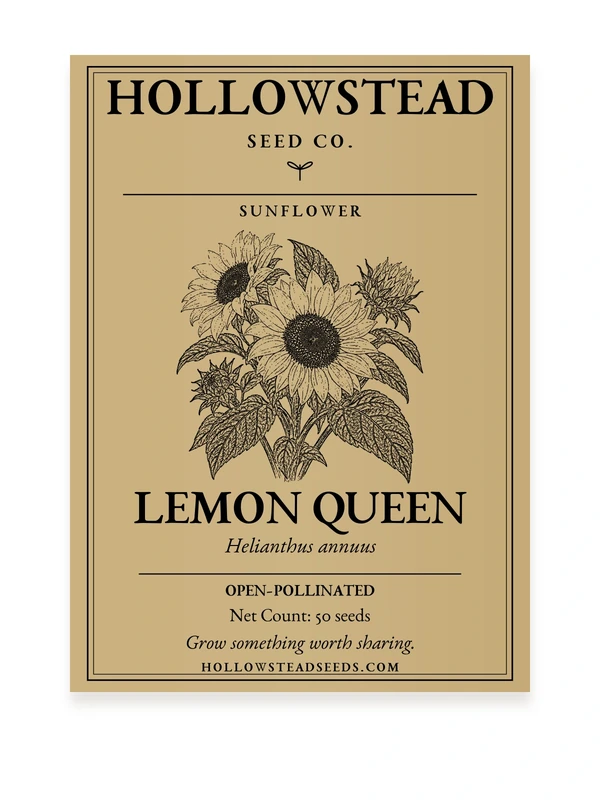
Lemon Queen Sunflower Seeds
$3.99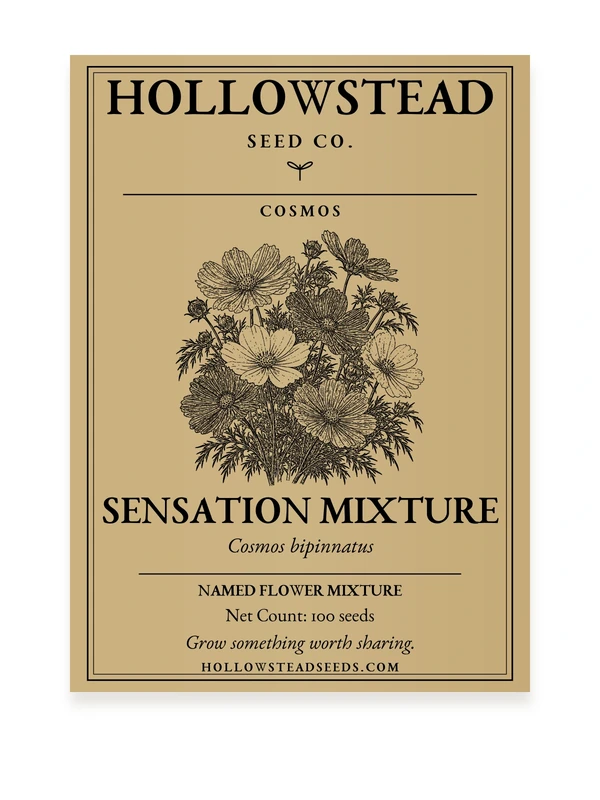
HOLLOWSTEAD SEED
Sensation Mixture Cosmos Seeds
$3.99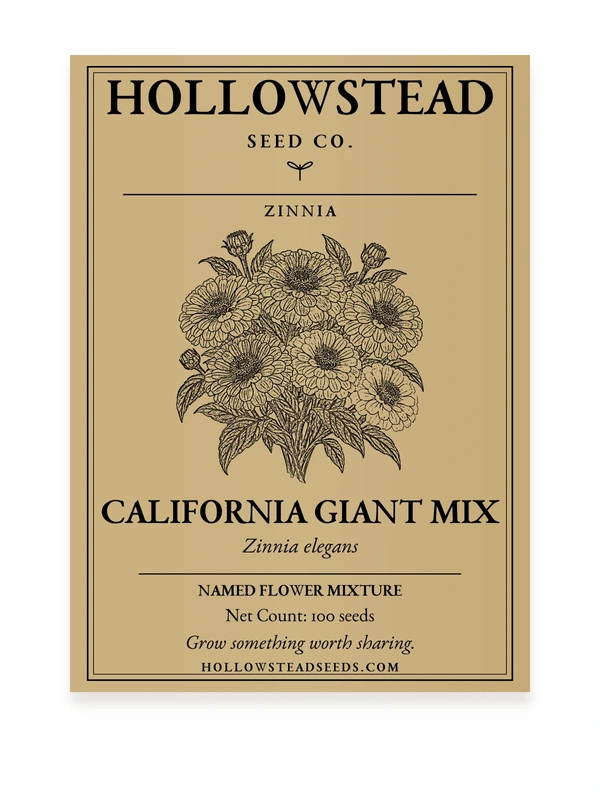
HOLLOWSTEAD SEED
California Giant Mix Zinnia Seeds
$3.99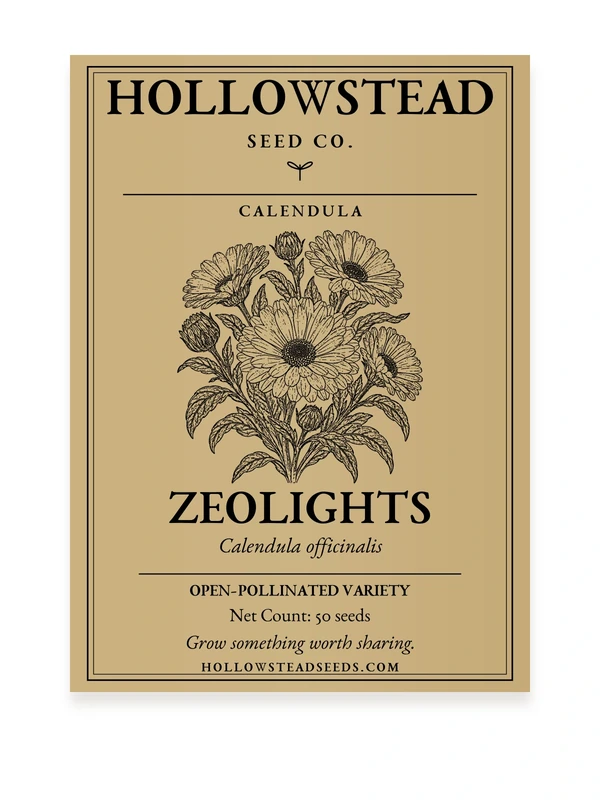
HOLLOWSTEAD SEED
Zeolights Calendula Seeds
$3.99KEEP LEARNING
Related Hollowstead guides
FLOWER CARE
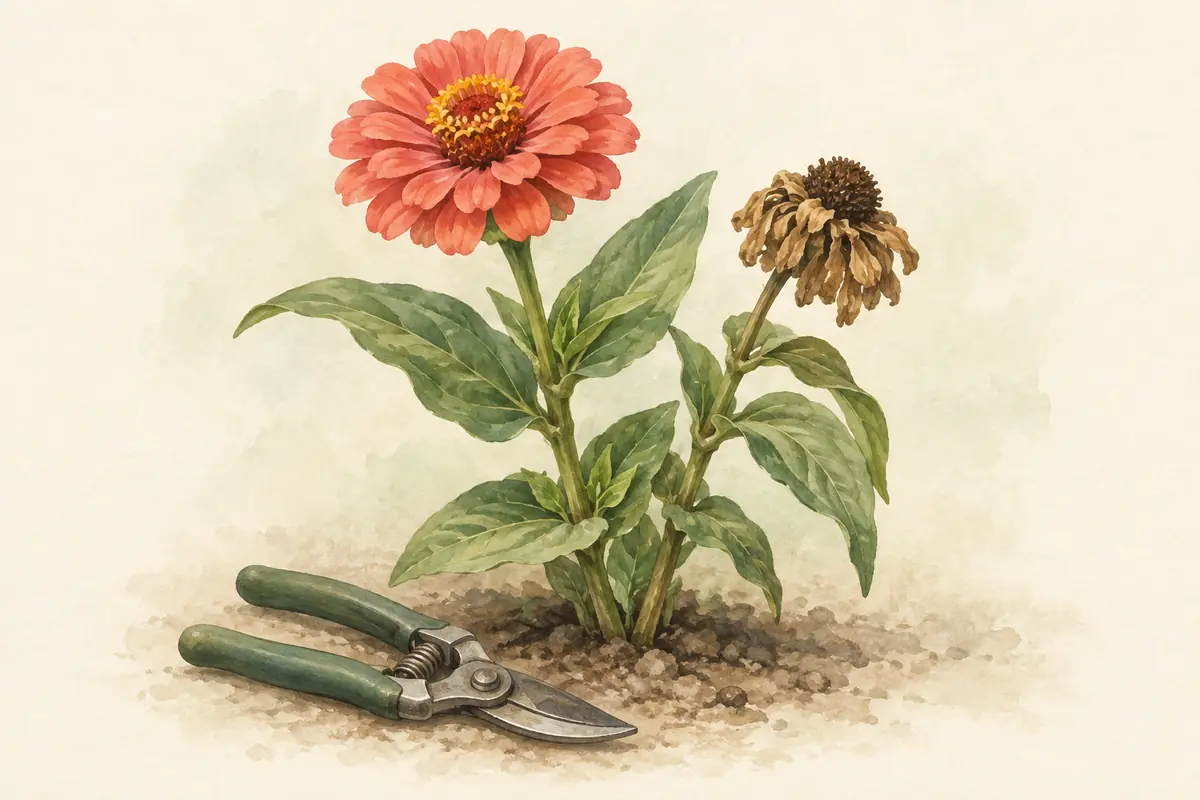
How to Deadhead Flowers for More Blooms
Deadhead annual flowers more precisely by learning where to cut, how each crop responds, how often to revisit plants, what diseased material to remove, and when to stop for seed saving.
Read the guide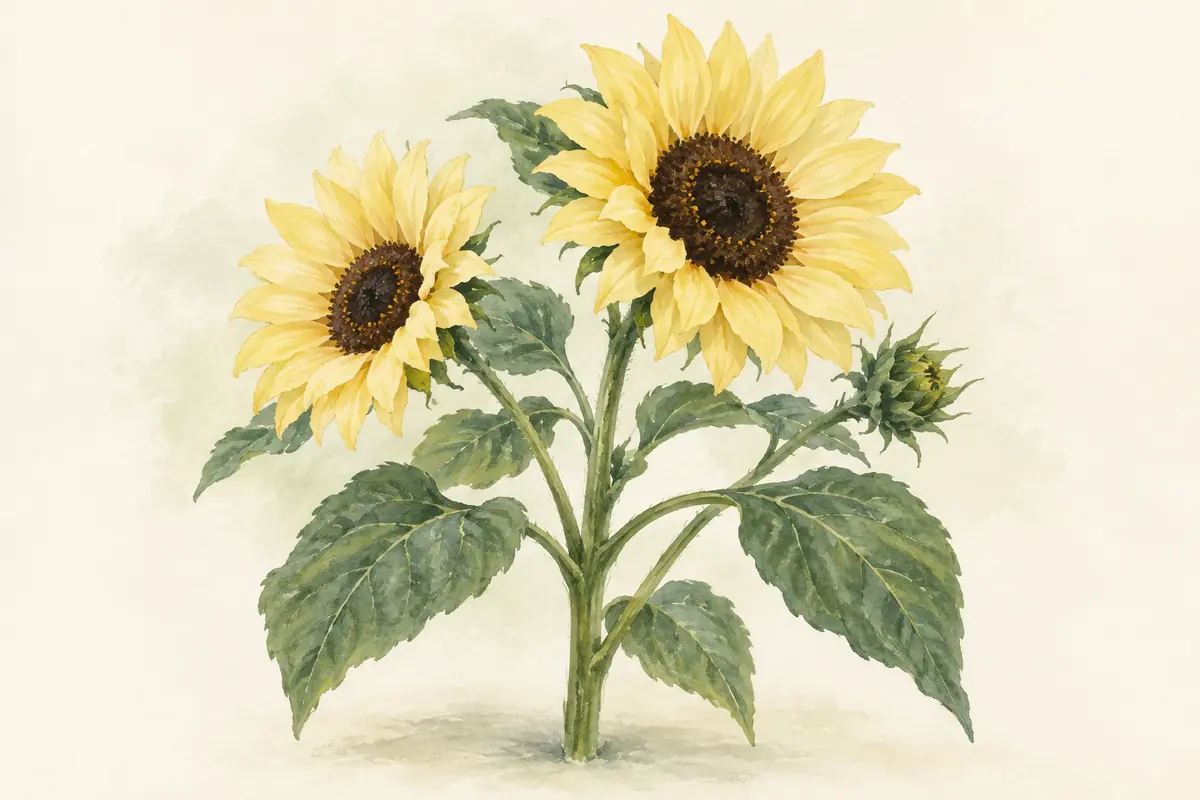
SUNFLOWER GUIDE
Lemon Queen Sunflower Growing Guide
Grow Lemon Queen sunflower as a tall, branching annual for pale-yellow blooms, cut stems, pollinator value, succession sowings, mature seed heads, and intentional seed saving.
Read the guide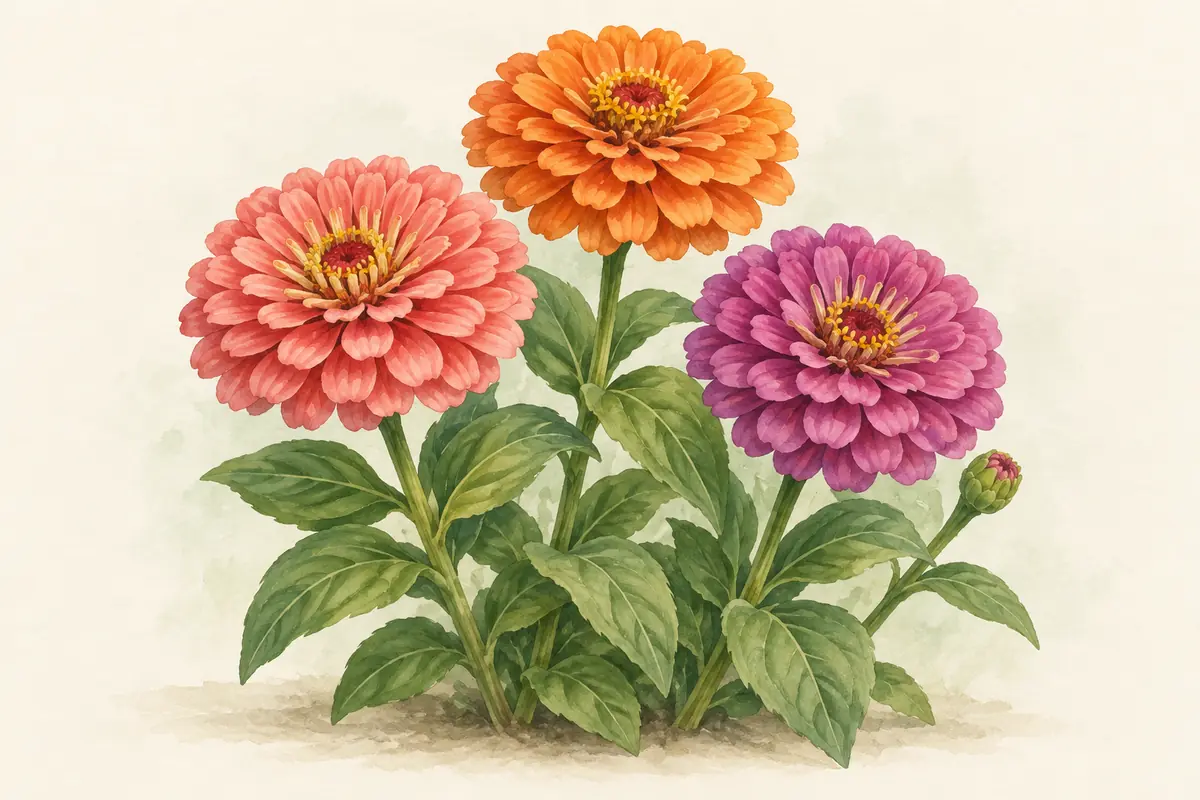
ZINNIA GUIDE
California Giant Mix Zinnia Growing Guide
Grow California Giant Mix zinnias for tall summer color and cutting stems with warm-soil sowing, spacing, pinching, support, base watering, disease prevention, harvesting, and seed saving.
Read the guideFrequently asked questions
What time of day is best for cutting flowers?
Cool morning is a reliable default because plants are well hydrated and not yet heat-stressed.
Should every flower be cut fully open?
No. Zinnias should be open and stem-mature; sunflowers, cosmos, and calendula are commonly cut younger.
Do I need a bucket in the garden?
It helps. Immediate hydration prevents stems from spending unnecessary time dry between cutting and conditioning.
Should leaves stay on bouquet stems?
Keep useful upper foliage if desired, but remove any leaf that would sit below the waterline.
Why should bouquets stay away from fruit?
Ripening fruit releases ethylene, a plant hormone that can accelerate aging in ethylene-sensitive flowers.
Sources & further reading
- Illinois Extension Bright blooms: How to care for flower bouquets https://extension.illinois.edu/blogs/good-growing/2026-02-13-bright-blooms-how-care-flower-bouquets
- Seed Savers Exchange Flower Seed Saving Profiles https://seedsavers.org/flower-seed-saving-profiles/
- University of Minnesota Extension Where bouquets begin: growing a cutting garden from seed https://extension.umn.edu/news/where-bouquets-begin-growing-cutting-garden-seed
- University of Missouri Extension Cut Flower Garden https://extension.missouri.edu/publications/ym103
- Seed Savers Exchange — Growing and Saving Flower Seeds
- Johnny’s Selected Seeds — Calendula: Key Growing Information
Hollowstead Growing Notes
A little help for your next growing season
Practical sowing advice, help choosing seeds, and occasional Hollowstead shop news. Usually one or two emails a month, plus a short welcome note.
Choose your topics and frequency after you confirm. Our guides and planting calendar are always free.