
PRESERVING HERBS
How to Dry and Preserve Garden Herbs
Preserve garden herbs safely with air drying, dehydrator drying, freezing, and dry storage. Learn when to harvest, how to avoid mold, and how to store dried leaves and seed.
HerbsGrowing guideBeginner → advanced
Published by Hollowstead Seed Co. · How this guide is prepared
Quick answer
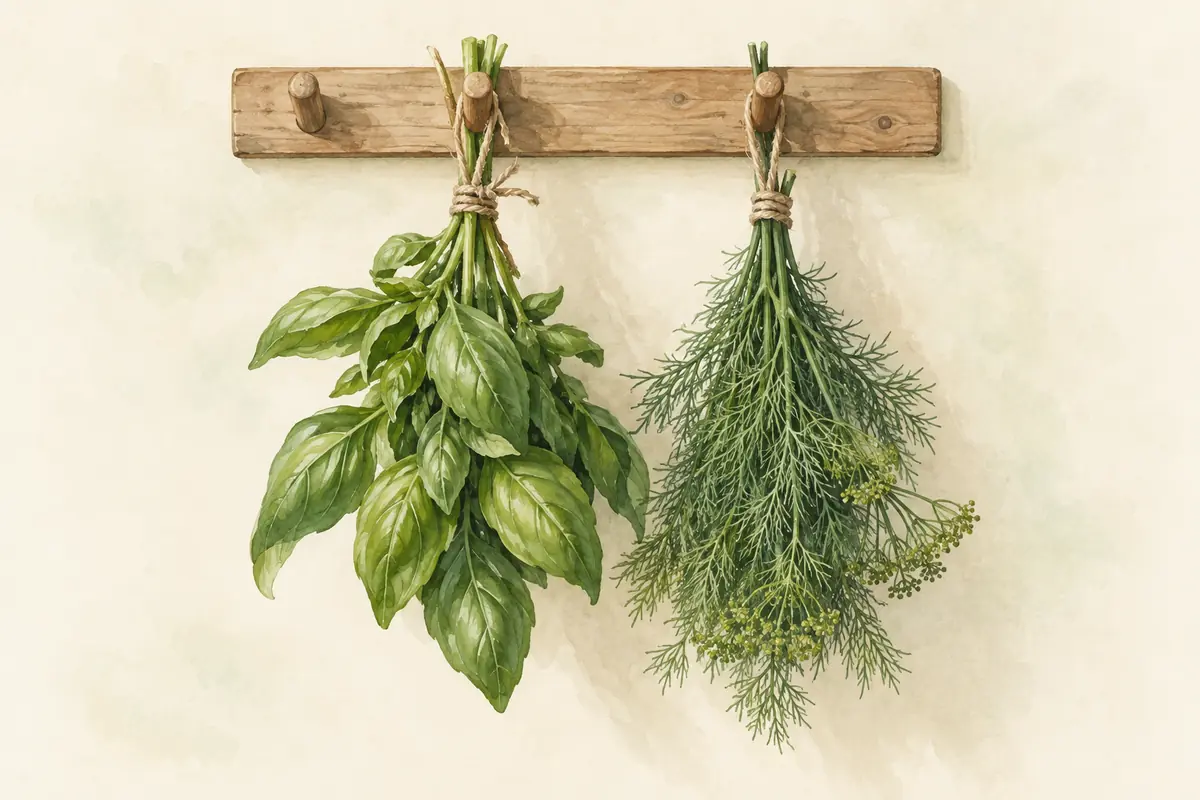
For drying, harvest healthy herbs after dew has dried and before heavy flowering when leaf quality is the goal. Dry them quickly in moving air and keep finished herbs in airtight containers away from heat and light. The National Center for Home Food Preservation recommends indoor air drying or controlled dehydrator drying rather than sun drying because sun can reduce color and flavor.[1]
Freezing is another good option for fresh herbs. Washed, dried leaves or sprigs can be packaged and frozen; frozen herbs are best used in cooked dishes because thawed leaves lose their crisp fresh texture.[2]
The short version: harvest clean dry material, dry quickly or freeze promptly, make sure dried herbs are truly crisp before packing, and store away from heat, moisture, and light.
Preserving herbs at a glance
| Question | Useful starting point |
|---|---|
| Best harvest condition | Dry foliage after dew evaporates |
| Air drying | Small bundles in a dry, ventilated place |
| Dehydrator | Controlled low-temperature drying |
| Freezing | Good for leaves used later in cooked dishes |
| Sun drying | Not recommended for best color and flavor |
| Dryness test | Leaves crumble; stems snap rather than bend |
| Storage | Airtight, cool, dry, and dark |
| Labeling | Herb name and date |
| Herb oils | Nonacidified: refrigerate and discard within four days, or freeze; acidification is limited to the tested ingredients and complete method below. |
- Harvest
- Healthy material after dew dries
- Air drying
- Best for herbs that dry readily in moving air
- Dehydrator
- Controlled low-temperature drying
- Freezing
- Preserves flavor for cooked use, not crisp texture
- Storage
- Fully dry, airtight, cool, dark
- Food safety
- Fresh herbs in oil require tested controls and refrigeration
Harvest the best material you have
Choose healthy leaves and stems, ideally after dew has dried. For most leafy herbs destined for drying, NCHFP recommends harvesting before flowers fully open, when leaf quality is high.[1] Keep harvested herbs out of direct hot sun while you prepare them.
Choose the preservation method by how you will use the herb
Can you dry or freeze shiso leaves?
Yes—choose dried shiso for a crumbled seasoning and frozen shiso for cooking. For a fresh garnish or flexible wrapper, pick fresh leaves from your Green Shiso plant. The following applies general herb-preservation guidance to shiso; it is not a cultivar-specific storage trial.
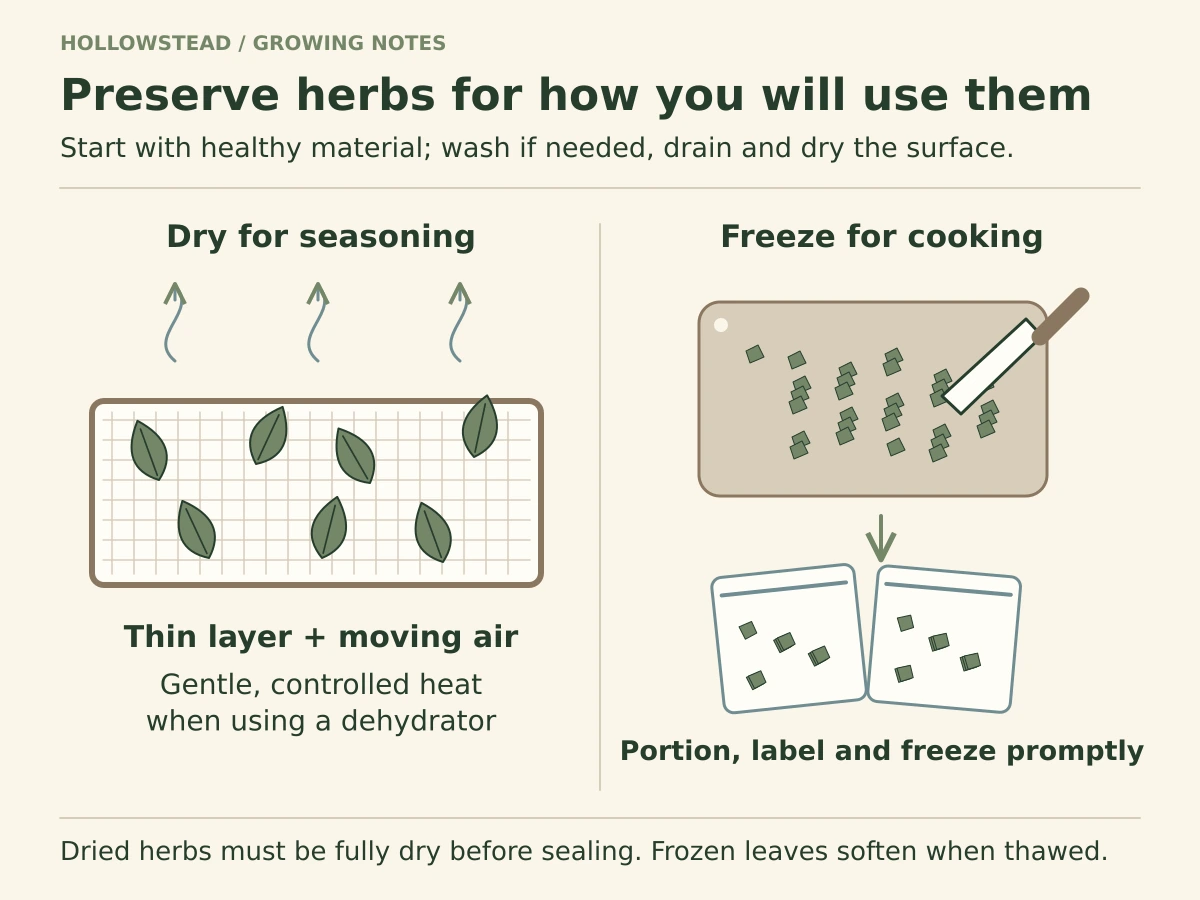
Rinse healthy leaves if needed, drain well, and use the controlled low-temperature drying method below. Arrange leaves loosely so air reaches them, check until they crumble, then cool and pack in a dry, airtight container. A dehydrator is a useful choice when room humidity makes air drying slow.[1] For freezing, wash and dry the leaves, package in usable portions, and freeze promptly; expect limp leaves after thawing.[2]
Do not extend the tested infused-oil method to shiso. See the separate herb-oil safety instructions.
For these four crops, start with intended use: basil and shiso often serve best fresh; freeze chopped leaves for cooked dishes when flavor matters more than texture. Cilantro leaves likewise lose fresh texture when frozen. Dill fronds can be frozen for cooked use, while fully dry mature dill seed is a separate pantry harvest. Follow the NCHFP freezing guidance and drying guidance; no shortcut here changes the separate oil-safety rules below.
Drying and freezing are not competing versions of the same result. Drying creates a concentrated shelf-stable seasoning when moisture is removed sufficiently. Freezing keeps more of a fresh-herb character for cooking, but thawed leaves lose crisp texture. NCHFP specifically notes that frozen herbs are best used in cooked dishes rather than as a fresh garnish.[2]
Air dry small bundles
Tie small bundles rather than large dense bunches and hang them in a dry, well-ventilated place out of direct sunlight. Tender, high-moisture leaves such as basil are more prone to molding if they dry too slowly, so small bundles and good airflow matter.[1]
Use a dehydrator for controlled drying
NCHFP recommends low dehydrator temperatures—generally around 95–115°F, with somewhat higher settings possible in very humid conditions—and checking periodically until leaves crumble and stems break.[1] Follow your dehydrator manufacturer’s instructions as well.
Freeze herbs when fresh character matters more than texture
Wash, drain, and dry herbs before freezing. NCHFP notes that frozen herbs become limp when thawed, so they are better for soups, sauces, curries, and other cooked dishes than for a fresh garnish.[2]
Dry, freeze or handle oils safely
- Dry herbs with gentle heat and airflow; store only fully dry leaves and stems.
- Freeze herbs for cooked dishes; thawed leaves lose fresh texture.
- Nonacidified herb oils: refrigerate and discard within four days after preparation, or freeze.
- Acidification is validated only for garlic, basil, oregano and rosemary using the complete tested method; do not substitute dill, cilantro or shiso.
Store fully dried herbs away from heat and light
Do not pack herbs while they still feel leathery or damp. Once thoroughly dry, store them in airtight containers in a cool, dry, dark place. Label the herb and date so older jars get used first.[1]
Moisture is the enemy of dried storage
If condensation appears in a jar, the herb was not fully dry. Remove the material and dry it again before storage; discard anything that develops mold or an off odor. Drying herbs is simple, but safe storage depends on removing enough moisture.
Fresh herbs in oil need food-safety controls
Do not treat fresh herbs submerged in oil as a shelf-stable preservation method. Low-acid herbs in an oxygen-poor oil environment can support botulism if time, temperature, and acidity are not controlled.
Keep nonacidified herb oils refrigerated and discard them no later than four days after preparation, or freeze them. This time limit also applies when home-dried herbs are used; home drying does not establish a laboratory-verified safe moisture level. [6]
The validated acidification method covers garlic, basil, oregano, and rosemary only. Do not substitute cilantro, dill, shiso, or other herbs. For those tested ingredients, follow the complete UGA method, including its acid, proportions, and timings; a splash of vinegar or lemon juice is not an equivalent process.
The same principle applies to pesto and similar mixtures: oil does not make fresh herbs shelf stable. Follow a tested preservation source instead of assuming that a clean jar, a layer of oil, or a vacuum seal controls microbial hazards.
GROW THESE HERBS
Put the guide to work.
Explore Hollowstead’s herb varieties and put these techniques into practice.
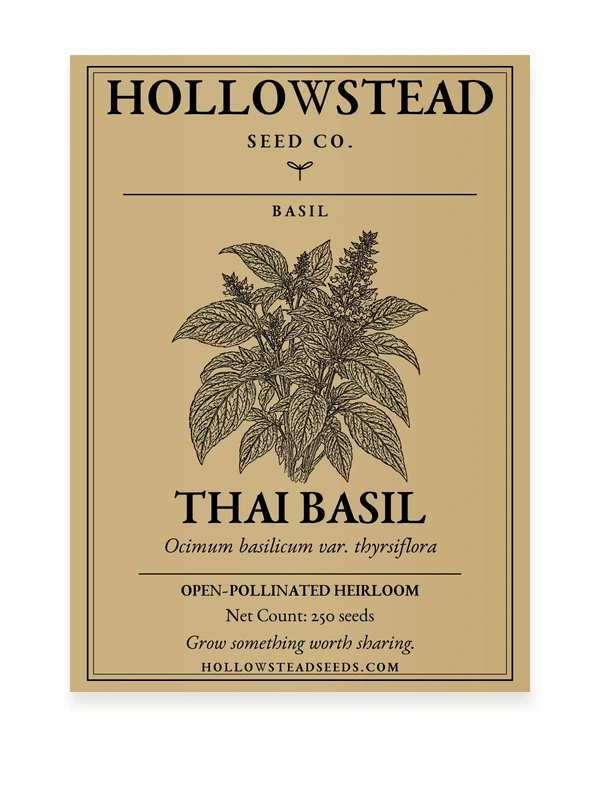
HOLLOWSTEAD SEED
Thai Basil Seeds
$3.49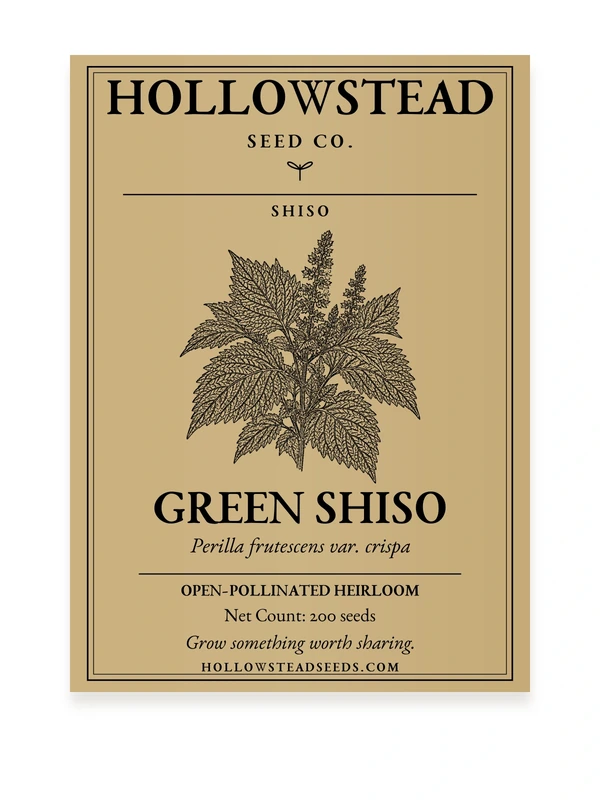
HOLLOWSTEAD SEED
Green Shiso Seeds
$3.49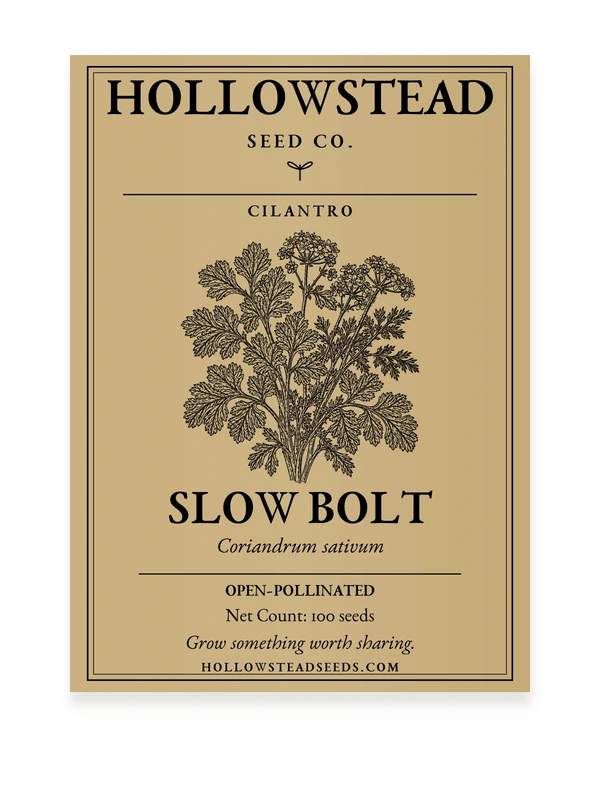
HOLLOWSTEAD SEED
Slow Bolt Cilantro Seeds
$3.49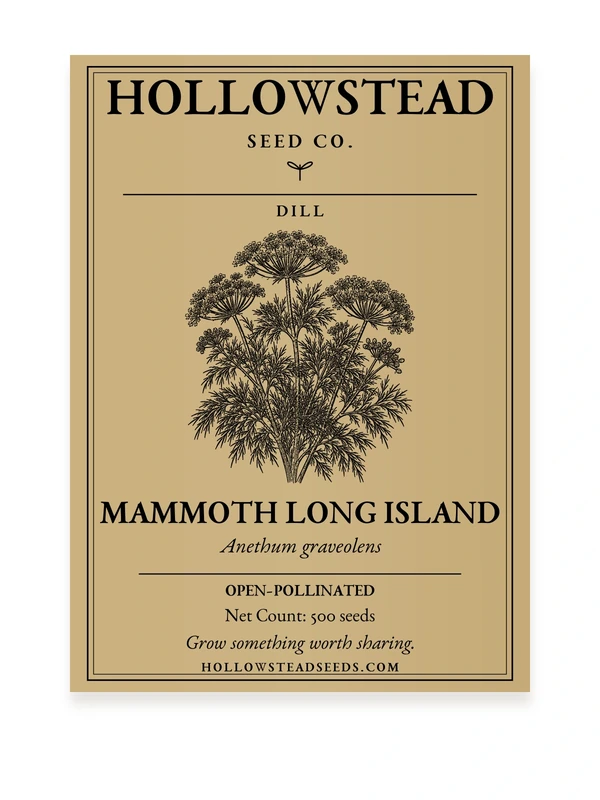
HOLLOWSTEAD SEED
Mammoth Long Island Dill Seeds
$3.49KEEP LEARNING
Related Hollowstead guides
HARVEST GUIDE
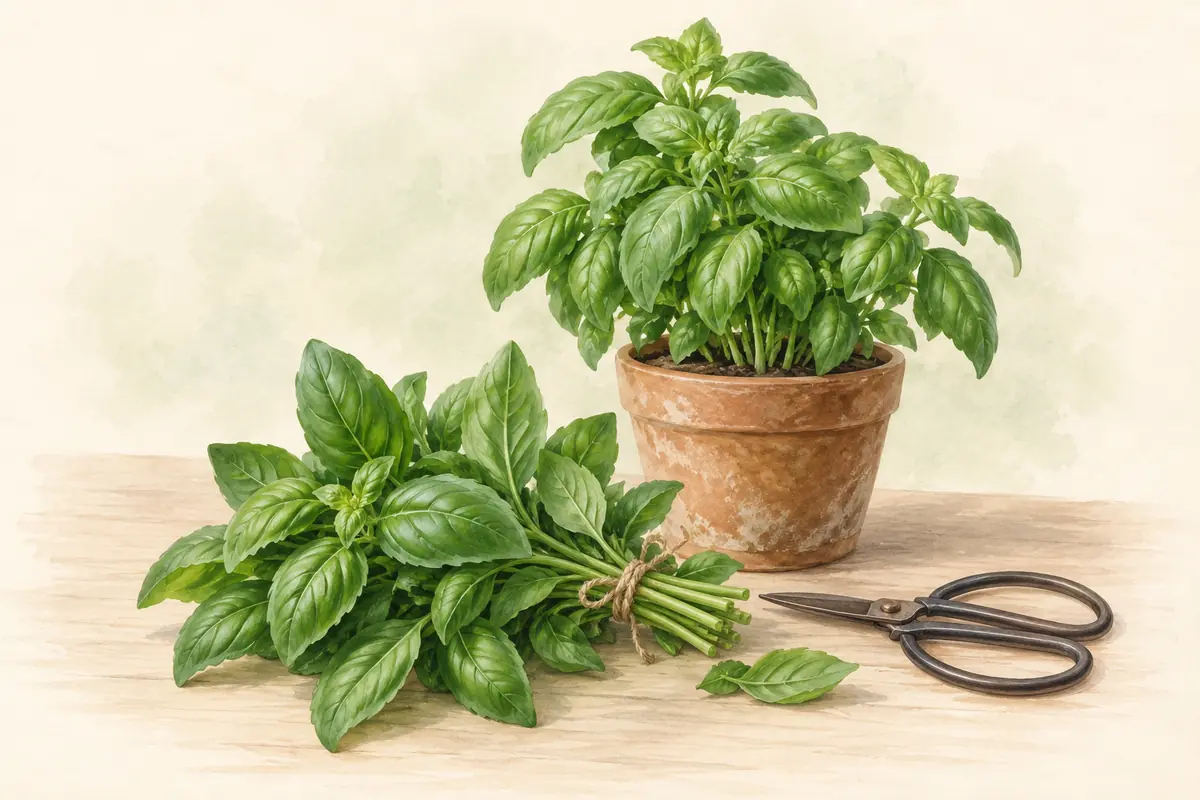
When and How to Harvest Herbs
Harvest basil, cilantro, dill, and shiso without cutting away the plant’s future. Learn when to pinch, snip, gather leaves, harvest flowers, and leave stems for mature seed.
Read the guide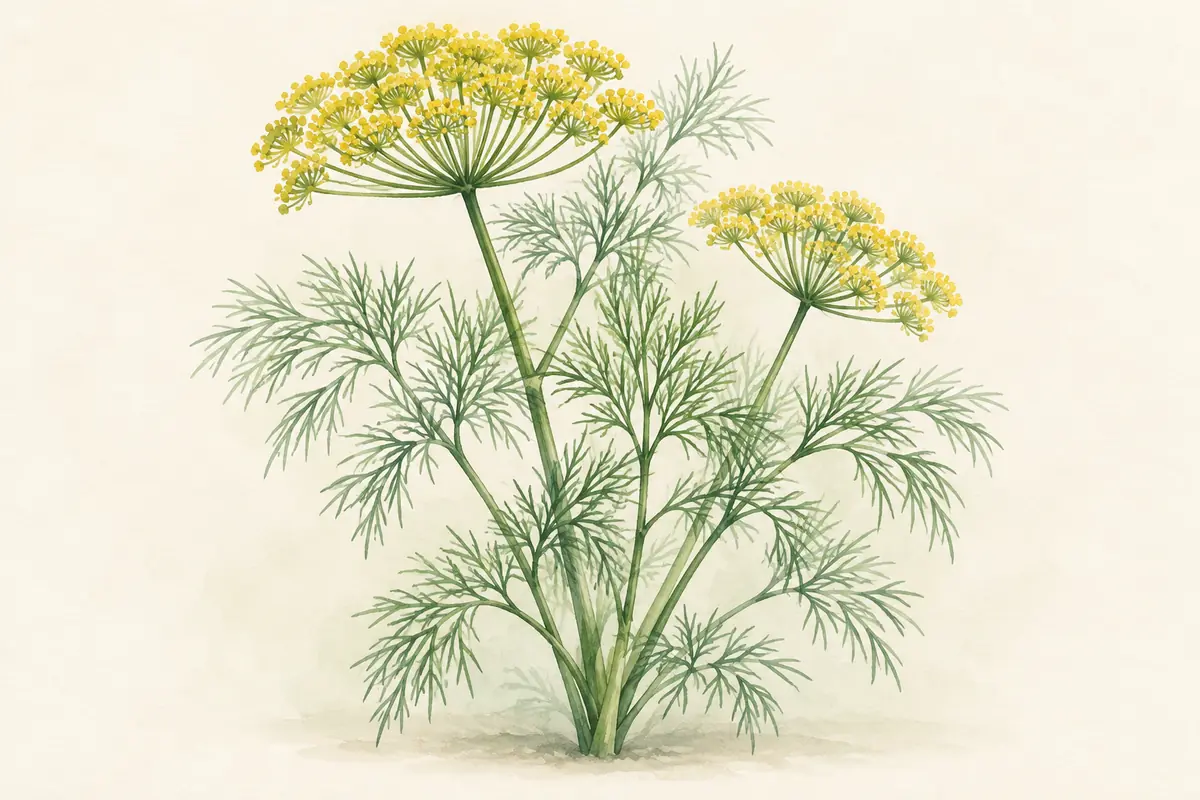
DILL GUIDE
Mammoth Long Island Dill Growing Guide
Mammoth dill is a tall annual for feathery foliage, yellow umbels, and later seed. Learn direct sowing, spacing, staking, leaf harvest, flower harvest, and mature seed collection.
Read the guide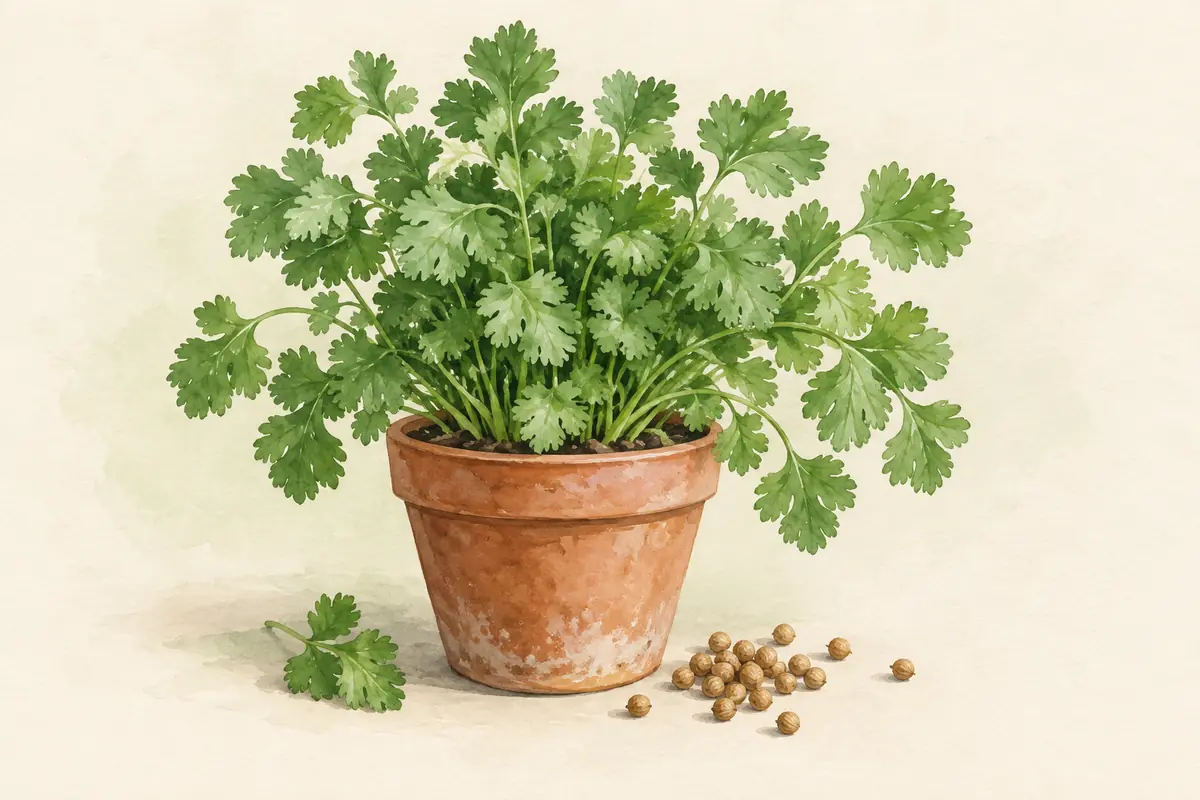
CILANTRO GUIDE
Slow Bolt Cilantro Growing Guide
Grow Slow Bolt cilantro as a cool-season leaf crop, then let selected plants finish for coriander seed. Learn succession sowing, harvest timing, heat management, bolting, and container care.
Read the guideFrequently asked questions
Can I dry herbs in direct sun?
NCHFP does not recommend sun drying for herbs because color and flavor can be lost. A dry, ventilated indoor location is a better choice.
How do I know herbs are dry enough?
Leaves should crumble readily and stems should break rather than bend.
Can I freeze basil and other herbs?
Yes. Frozen herbs lose fresh-leaf texture but work well in cooked dishes.
Should I wash herbs before drying?
If washing is needed, rinse gently and remove excess moisture before drying so the drying process starts with clean, well-drained material.
Sources & further reading
- National Center for Home Food Preservation Herbs — drying https://nchfp.uga.edu/how/dry/recipes/herbs/
- National Center for Home Food Preservation Freezing Fresh Herbs https://nchfp.uga.edu/how/freeze/vegetable/freezing-fresh-herbs/
- University of Minnesota Extension Growing herbs in home gardens https://extension.umn.edu/garden-and-home/yard-and-garden/gardening-in-minnesota/growing-herbs
- Penn State Extension How to Safely Make Infused Oils https://extension.psu.edu/how-to-safely-make-infused-oils
- University of Missouri Extension Growing Herbs at Home https://extension.missouri.edu/publications/g6470
- University of Georgia Extension — How to Safely Make Infused Oils
Hollowstead Growing Notes
A little help for your next growing season
Practical sowing advice, help choosing seeds, and occasional Hollowstead shop news. Usually one or two emails a month, plus a short welcome note.
Choose your topics and frequency after you confirm. Our guides and planting calendar are always free.