
CALENDULA GUIDE
Zeolights Calendula Growing Guide
Grow Zeolights calendula as a productive cool-season flower with spring and fall sowing, summer heat management, regular harvest, edible petals, drying, deadheading, and seed saving.
FlowersVariety guideBeginner → advanced
Published by Hollowstead Seed Co. · How this guide is prepared
Quick answer
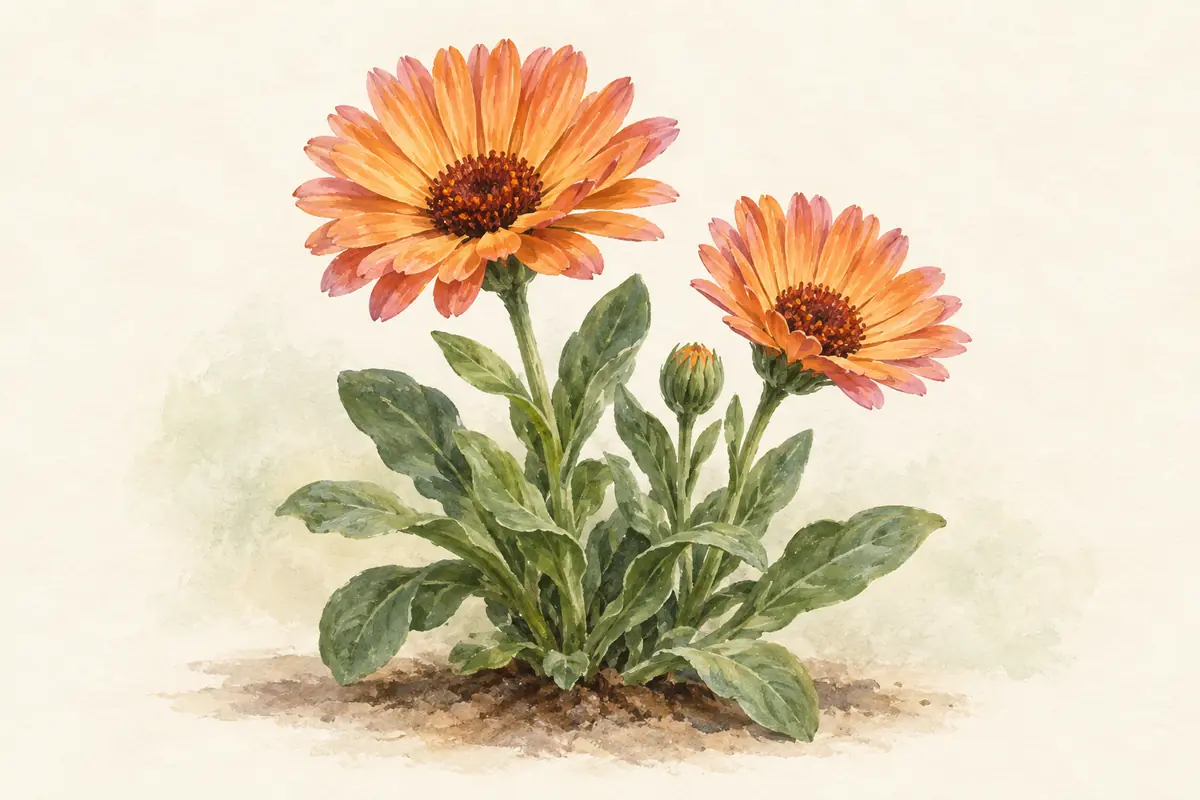
Zeolights is an open-pollinated Calendula officinalis with yellow-to-pastel flower faces and contrasting maroon-pink petal backs.[5] Treat it as a cool-season annual: sow in spring while conditions are mild, keep plants harvested or deadheaded, expect flowering to slow in extreme heat, and consider another sowing for fall.[1][3]
Use calendula for the cooler edges of the season. It favors mild conditions, and a midsummer slowdown can be normal rather than a sign that the plant needs more fertilizer.
At a glance
| Trait | Useful starting point |
|---|---|
| Species | Calendula officinalis |
| Habit and height | Annual; catalog height about 12–24 inches, with taller growth reported below |
| Light | Full sun; tolerates some light shade |
| Sowing depth | About ¼–½ inch for Hollowstead seed |
| Spacing | About 12 inches after thinning |
| Best season | Cool spring and fall weather |
| Harvest | Pick flowers regularly |
| Seed | Harvest promptly; ripe seed can shatter |
- Season
- Cool spring and fall
- Soil
- Well drained, moderately fertile
- Heat
- Bloom can slow above the crop’s comfort range
- Deadheading
- Frequent harvest encourages more bloom
- Petals
- Harvest clean flowers intended for food use
- Seed
- Watch ripening heads closely
SAVE FOR SOWING DAY
Five-step crop plan for Zeolights Calendula
Open the sow-to-harvest plan
- StartSow in the cool side of the season; current catalog says about ¼–½ inch deep. Direct sow or use a short indoor start if conditions warrant. Guide details
- PlantThin or transplant toward about 12 inches in a well-drained sunny spot. Guide details
- MaintainKeep establishment moisture even, then harvest or deadhead often; prolonged heat may slow flowering despite healthy green plants. Guide details
- HarvestFor a first bouquet, cut blooms roughly halfway open. For culinary petals, use fully open, positively identified edible-use flowers; dry clean petals fully before sealed storage. Guide details
- Next sowing or seedConsider a small fall sowing only if local cooling leaves establishment time; let selected heads mature and collect before seeds shatter. Guide details
- Space
- Plant spacing: about 12 inches. Height: catalog bed range about 12–24 inches; Floret reports 32–36 inches in a cut-flower context. Leave picking access and support leaning stems as needed.
- Timing
- Cool spring/fall windows suit calendula; summer heat can slow flowers. Judge a repeat sowing by the local season remaining, not a fixed bloom date.
Full growing guidehttps://hollowsteadseeds.com/zeolights-calendula-growing-guide/Seed packethttps://hollowsteadseeds.com/product/zeolights-calendula-seeds/Find planting dates by ZIP code
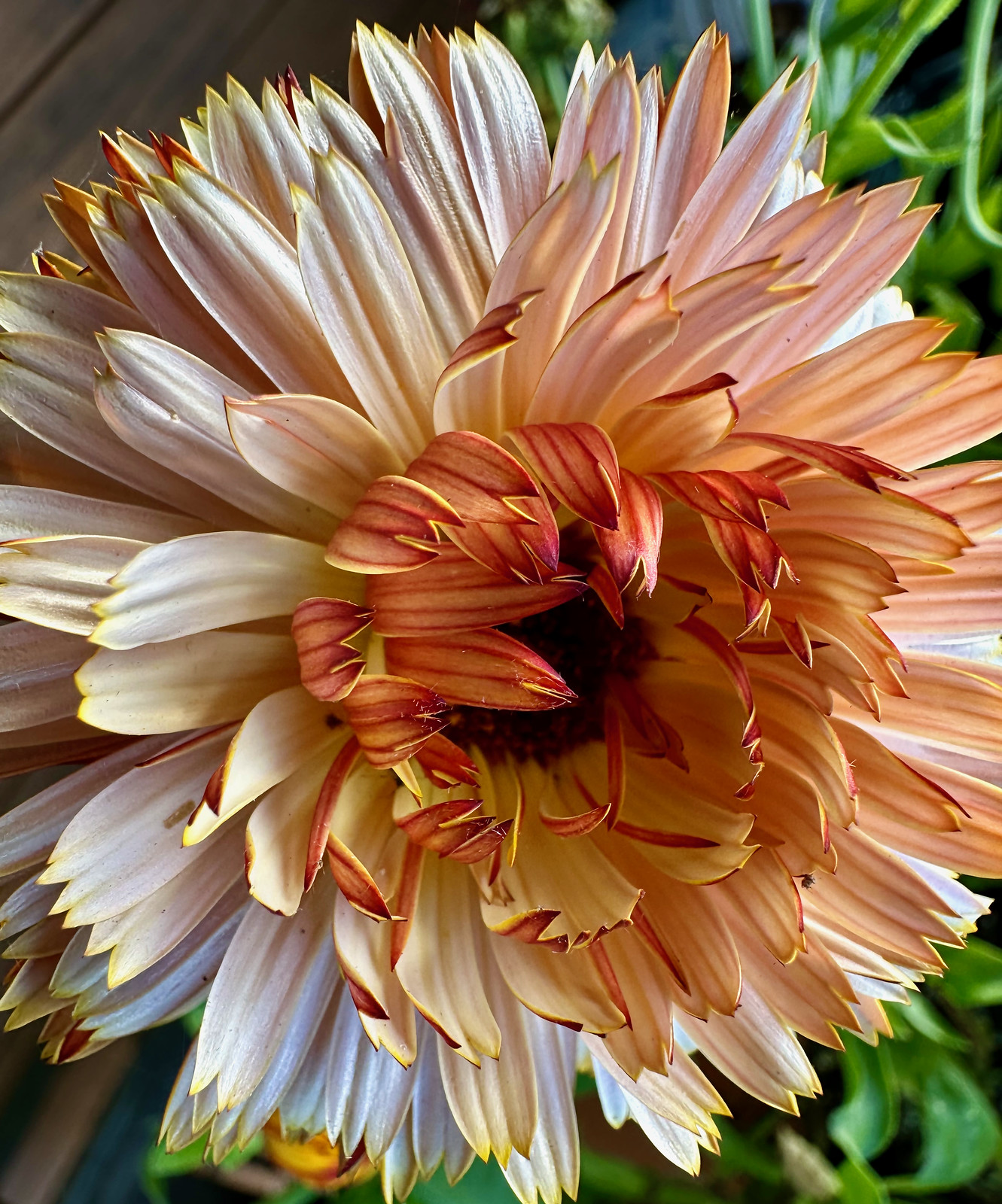
Variety reference photo
Layered color on a branching annual
Zeolights was bred by Frank Morton. Its layered flowers combine yellow and soft orange-to-pink faces with pink-maroon petal backs and dark centers. Wild Garden Seed also lists the variety as Triangle Flashback/Zeolights.[5] The petal faces and backs are both part of the variety’s layered palette. Examine several flowers and stages rather than expecting every bloom to match one photograph.
Allow for variation: Floret reports 32–36-inch plants in its cut-flower context, taller than the catalog’s 12–24-inch bed range. These published descriptions may reflect different stock and systems; leave access around the plants instead of counting on a fixed compact height.[8]
Place plants near a picking path with room on either side. Watch longer stems after wind and stake them only if they lean; mature height and usable cutting-stem length are different measurements.
The breeder identifies this as an OSSI-pledged variety.[5] That variety designation and a supplier’s certification do not establish a separate Hollowstead certification or current germination-test result.
Zeolights calendula: grow with the cool season
- Give this branching annual room in a sunny, well-drained place during mild spring or fall weather. Its flower faces and petal backs can show different colors.
- Cut opening blooms for stems, or take clean fully open flowers for culinary petals; deadhead spent blooms unless reserving heads for seed.
- Extreme summer heat can slow or stop flowering. Maintain reasonable moisture and reassess as weather cools; extra fertilizer cannot remove the heat limit.
Sow into the cool side of the season
Utah State recommends planting calendula seed about ¼ inch deep once soils are around 60°F, with emergence commonly in one to two weeks, then thinning seedlings to roughly 8–12 inches.[1] Hollowstead’s current catalog guidance uses a ¼–½ inch depth and about 12 inches after thinning—close enough to treat as a practical home-garden target rather than a precision measurement.
You can direct sow or transplant calendula. Direct sowing is simple; a short indoor start is useful when spring soil is very wet or you want neatly spaced transplants. Because calendula tolerates cooler conditions than zinnias and sunflowers, it can occupy garden time that warm-season flowers cannot.
Cool-season timing and summer slowdown
Calendula favors cool weather. Utah State reports best performance below about 85°F and says extreme heat can stop flowering; Missouri Extension also places calendula among annuals suited to cooler spring and fall conditions.[1][2] Treat this as a weather response, not a sharp cutoff at a single temperature.
For an exploratory first-bloom countback, Floret lists about 60 days. Roughly two months before desired flowers is a starting calculation; check local frost and heat, and allow establishment time before promising a fall display.[8]
| Conditions | Plan for flowers |
|---|---|
| Mild summer, healthy spring plants | Keep harvesting or deadheading. A small succession sowing can replace aging plants and spread the work. |
| Prolonged hot weather, green plants but few flowers | Check moisture and keep plants healthy. Wisconsin Extension notes that calendula may recover when cooler weather returns.[6] |
| Hot summer with time for a fall crop | Reserve space for a fresh planting as conditions moderate. Compare your remaining season with the time needed to establish plants and form flowers. |
| Old, badly damaged plants | Remove failing plants and correct the cause before replanting. A new batch can be more useful than trying to force an exhausted plant to bloom. |
Johnny’s suggests successive sowings two to three weeks apart for calendula.[7] That is a useful option while conditions suit the crop, not a guarantee of flowers through a hot Missouri summer. A small spring batch and a carefully timed fall attempt may suit a home garden better.
Water, fertility, and deadheading
Calendula tolerates ordinary garden soil but performs best in a well-drained root zone. Utah State recommends a soil test before fertilizer and cautions against overwatering.[1] Maintain even moisture during establishment and active bloom, then adjust to rainfall and soil type.
Frequent harvest functions as deadheading. Seed Savers describes calendula as prolific and recommends regular cutting or deadheading because seed develops quickly.[3] Cut the flower with whatever stem length your use requires, leaving enough leaf area and branching points for continued growth.
Zeolights troubleshooting
Edible petals, harvest, and drying
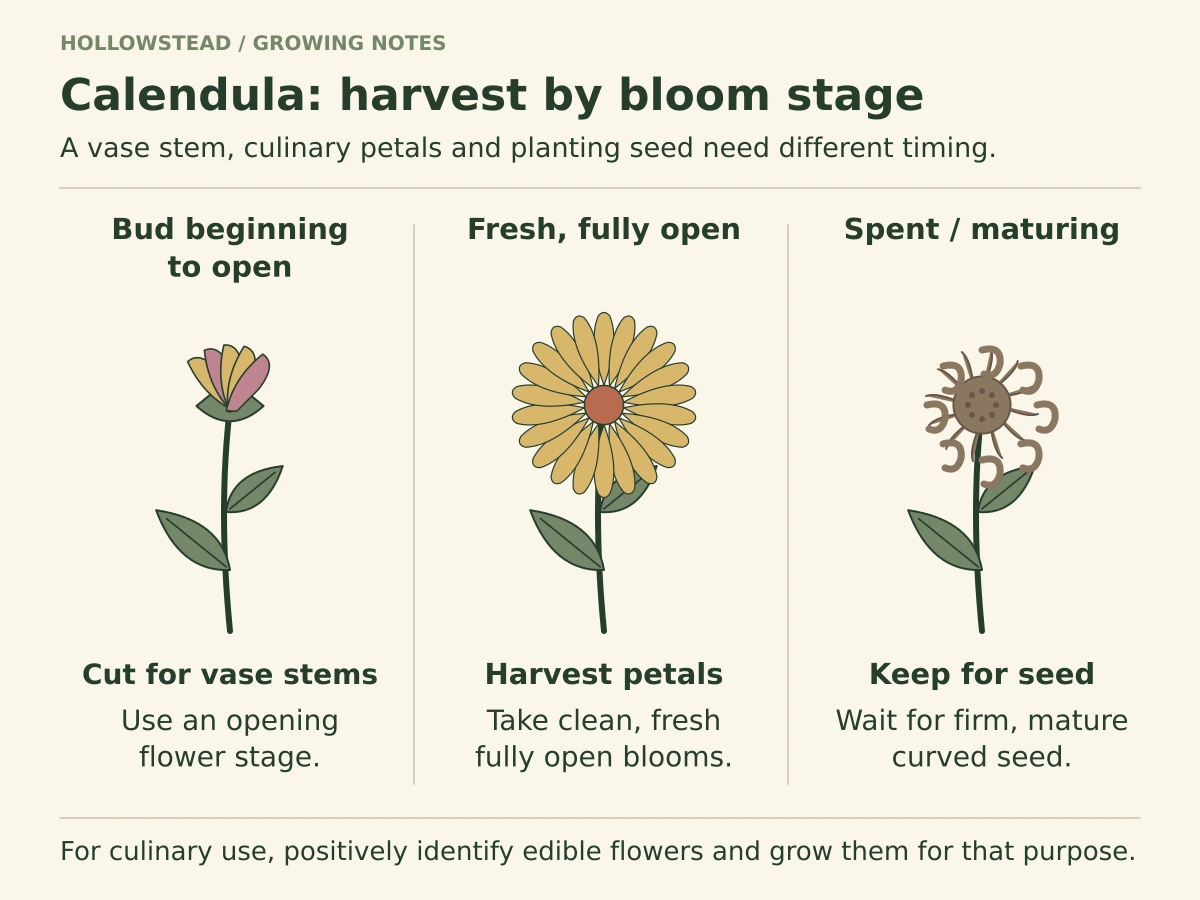
Calendula officinalis petals are commonly used as edible flowers. Utah State recommends harvesting complete flower heads at full bloom and notes that petals can be removed for culinary use.[1] Only eat flowers you have positively identified and grown or purchased for edible use; do not use flowers treated with pesticides that are not labeled for edible crops.
For a first bouquet, use roughly halfway-open blooms, following Johnny’s calendula cutting cue.[7] Other sources offer useful trial alternatives: Seed Savers cuts as buds begin opening,[3] while Floret cuts its Zeolights at about three-quarters open.[8] Compare a few stems at those stages for vase performance in your conditions. Keep the fully open harvest for culinary petals separate.
For drying, harvest clean, dry flowers and spread them with strong airflow out of direct sun. Utah State reports natural drying commonly taking about one to five days depending on conditions, then recommends moisture-tight storage in a cool, dark location.[1] The finished petals should be fully dry before they enter a sealed jar.
Zeolights Calendula harvest choices
- Cut stems when buds begin opening; harvest fully open flowers for culinary petals.
- Use only positively identified flowers grown for edible use.
- Dry petals with airflow and store only when fully dry; this is culinary guidance without wellness promises.
- For planting seed, keep selected heads until curved seed is firm and mature, then collect before shattering.
Saving Zeolights calendula seed
Zeolights is open-pollinated, but calendula is insect-pollinated and can cross with other Calendula officinalis varieties. Seed Savers recommends isolation when maintaining a named calendula variety.[3] If you grow multiple calendulas together, saved seed can still be planted, but you should expect possible variation.
Stop deadheading selected healthy plants. Watch seed heads closely: calendula seed can mature and shatter rapidly, so Seed Savers suggests collecting slightly early heads for further drying or using blossom bags where seed loss is a problem.[3] Finish drying thoroughly, clean away loose chaff, label, and store cool and dry.
For selection, keep seed from plants that match the Zeolights character you value—color, plant habit, flowering, vigor—not simply from whichever head happened to escape your pruners.
Harvest stages and a seasonal checklist
| Goal | Look for | Next step |
|---|---|---|
| Cut stems | A bloom roughly halfway open: the starting cue for bouquets. | Cut a usable stem and hydrate in clean water. Early stems may suit small jars better than tall arrangements.[7] |
| Culinary petals | A clean, fully opened flower from an edible-use plant. | Detach petals from the head; use promptly or dry thoroughly for storage.[1][7] |
| Planting seed | Firm, curved seeds turning tan or brown around a drying head. | Collect before the ring shatters; a freshly opened flower cannot also supply ripe seed.[3] |
- Before sowingChoose a mild-weather window and well-drained soil. Sow with a ¼–½-inch covering. For an indoor head start, Johnny’s recommends about four to five weeks before planting out.[6][7]
- At establishmentThin to about 12 inches. Harden indoor plants gradually and transplant the intact root ball; correct a saturated seedbed before replacing failed seedlings.
- During active floweringKeep a small collection bowl or water bucket nearby so the harvest matches its use. Deadhead unneeded flowers, but label the heads reserved for seed.
- As weather changesInspect plant health before deciding whether to keep a spring plant, start a fall batch, or use the space for another flower. Do not count on a heat-stalled plant to meet a bouquet date.
One workable container plan
For a conservative patio design, allow 3–5 US gallons; about 10–12 inches deep for 1 plant. These are planning allowances rather than a cultivar trial or a minimum-size guarantee. Most manageable of this group on a patio. Use a potting mix with open drainage, leave the whole volume available to roots, and check below the surface before watering. Match feeding to the mix’s existing fertilizer and the label. See container flower plans.
A small home seed-saving workflow
For a first learning batch, mark 5–10 healthy representative plants if space permits and save modest amounts from each. This is a practical sampling exercise, not a conservation population standard; one or two plants may give usable seed but capture little diversity. Choose plants for the desired crop traits rather than saving only whichever plant produces seed first.
Watch for firm, curved, tan-to-brown seeds around a drying head. Collect before the seed ring shatters; spread heads to finish drying, then separate the curved seeds from dried flower tissue. Spread cleaned seed thinly in a sheltered, dry, ventilated place until fully dry before sealing. Label crop, variety, harvest year, parent plants and possible crossing. Keep cool, dry and dark. Before committing next season’s bed, germinate a small counted sample; that checks usefulness, not varietal purity.
Keep compatible volunteers and nearby varieties in mind when saving a named strain: crossing may occur before a seed bag is applied. Label uncertain garden seed honestly and consult seed-saving principles for isolation and parent-diversity planning.
Sourced grower observation
MrBrownThumb documented a first season growing Zeolights: flowers appeared bright yellow as buds opened, then displayed peach and bronze as they expanded and aged. The Kokoro Garden flower farmer separately names Zeolights among muted calendulas used in arrangements, while noting that their calendula stems are often short early in their season. Observe several bloom stages before judging the named variety’s color, and test actual stems for your bouquet needs. Read the Kokoro Garden account and the MrBrownThumb account; compare the crop guidance. These are independent accounts, not a Hollowstead trial of the offered seed lot.
GROW ZEOLIGHTS
Grow the variety you just learned.
Zeolights brings layered yellow, warm pastel, and pink-maroon tones to a cool-season flower patch and rewards frequent harvest.
HOLLOWSTEAD SEED
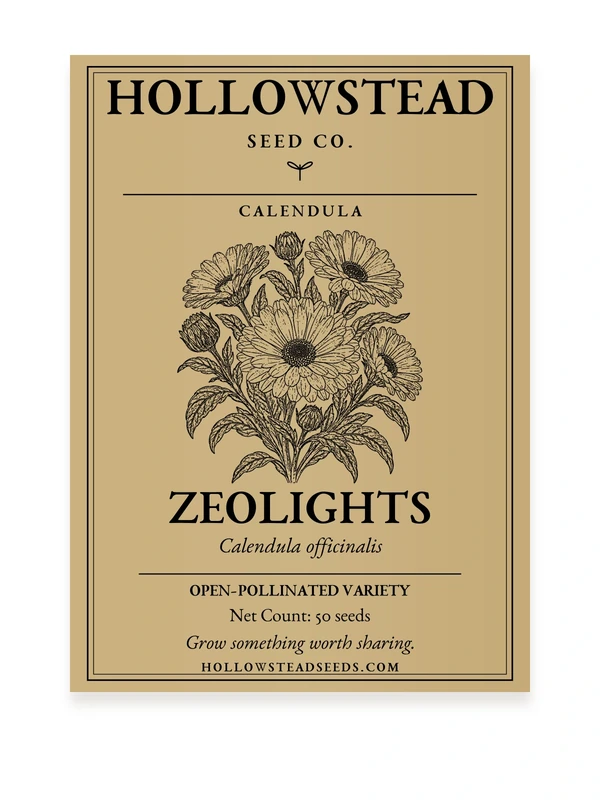
Zeolights Calendula Seeds
$3.99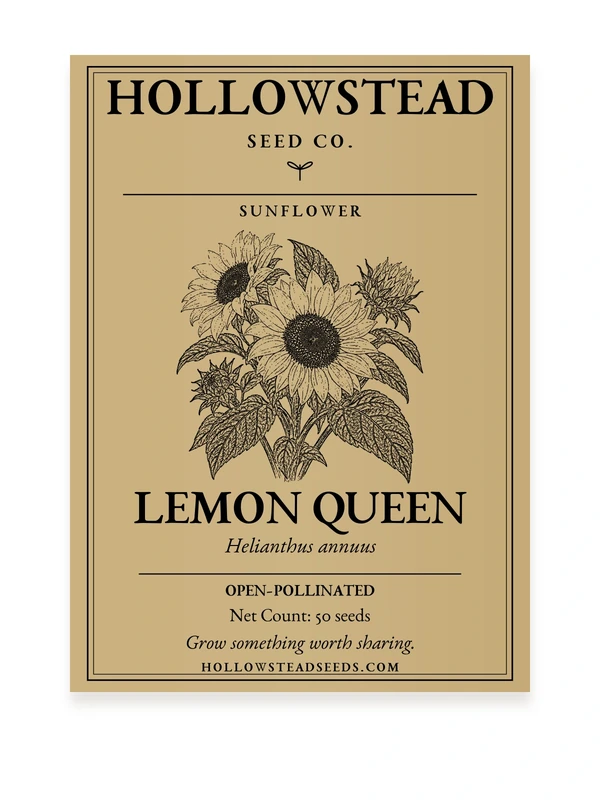
HOLLOWSTEAD SEED
Lemon Queen Sunflower Seeds
$3.99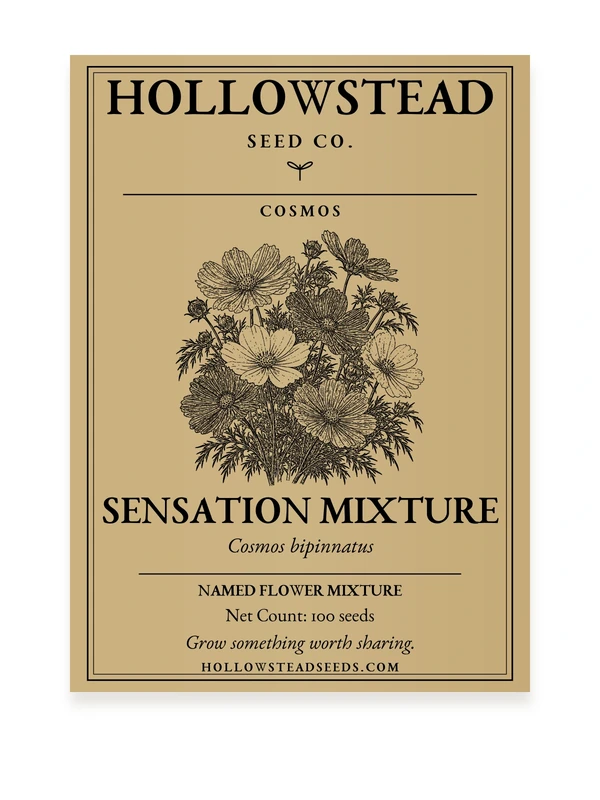
HOLLOWSTEAD SEED
Sensation Mixture Cosmos Seeds
$3.99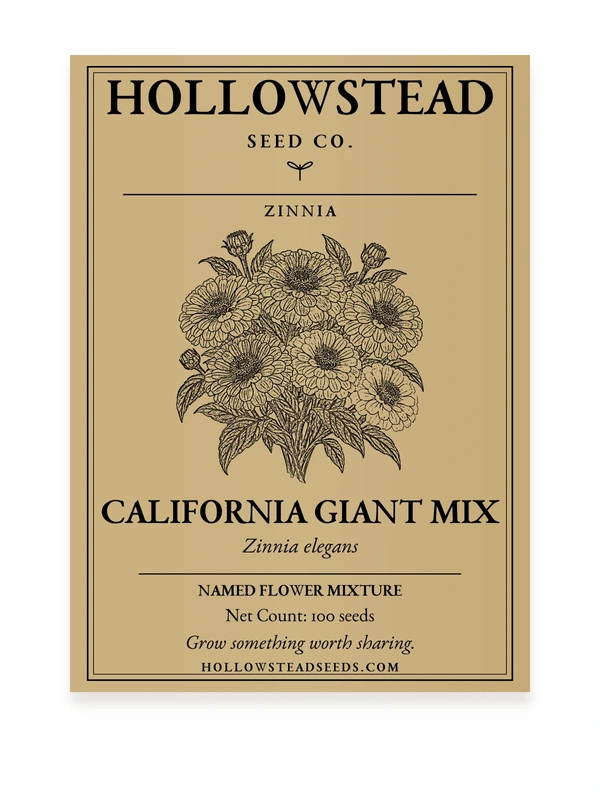
HOLLOWSTEAD SEED
California Giant Mix Zinnia Seeds
$3.99KEEP LEARNING
Related Hollowstead guides
SEED STARTING
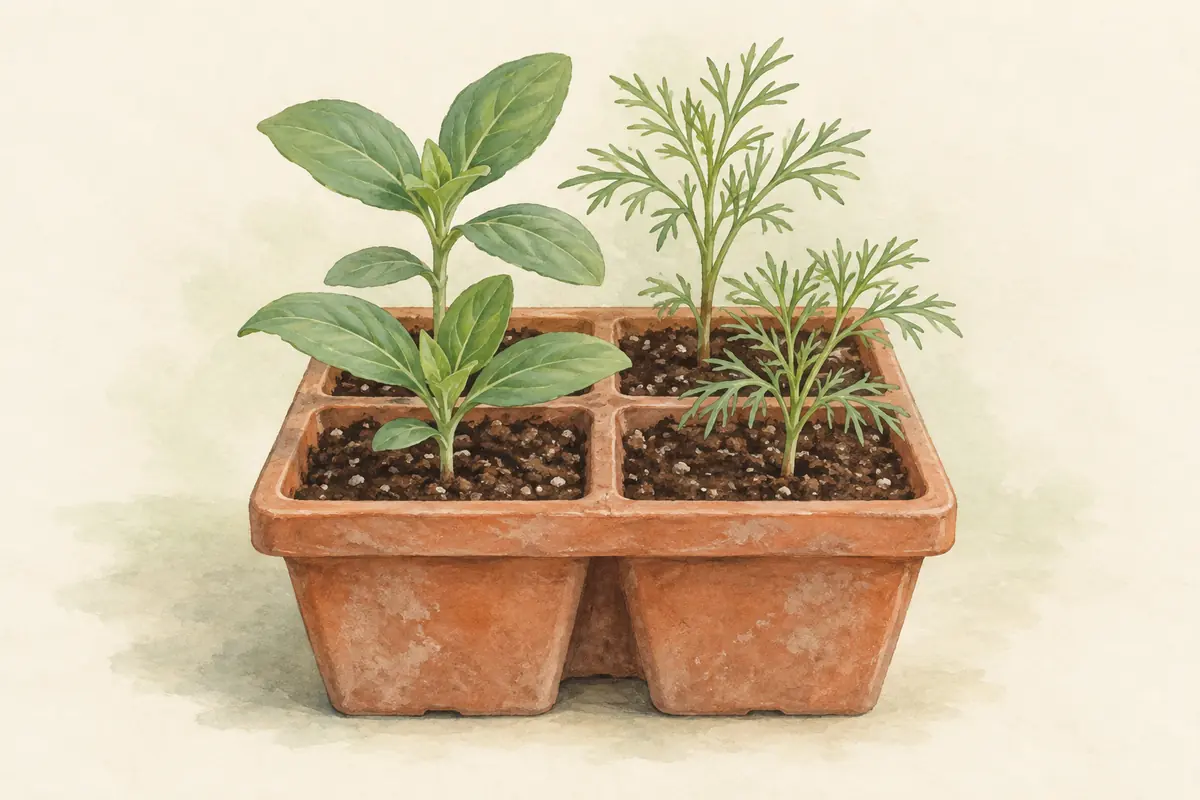
Growing Four Annual Flowers From Seed
Grow annual flowers from seed with a crop-by-crop plan for sowing, germination, thinning, transplanting, soil preparation, watering, pinching, bloom care, cutting, troubleshooting, and seed saving.
Read the guide
FLOWER CARE
How to Deadhead Flowers for More Blooms
Deadhead annual flowers more precisely by learning where to cut, how each crop responds, how often to revisit plants, what diseased material to remove, and when to stop for seed saving.
Read the guide
HARVEST GUIDE
When and How to Cut Flowers for Bouquets
Harvest better homegrown bouquets by cutting at the right flower stage, using clean tools and buckets, conditioning stems quickly, protecting foliage from vase water, and managing vase conditions.
Read the guideFrequently asked questions
Is calendula a warm-season flower like zinnia?
No. Calendula performs especially well in cooler weather and may slow or stop blooming during extreme summer heat.
Can I eat Zeolights petals?
Calendula officinalis petals are edible. Use positively identified flowers grown without non-food-safe pesticide treatments.
How often should I harvest calendula?
Harvest frequently during active bloom. Regular cutting or deadheading keeps plants from moving every flower into seed.
Why did calendula stop blooming in midsummer?
Heat is a common reason. Check water and plant health, but do not assume a healthy plant needs more fertilizer.
Can I save Zeolights seed?
Yes. Because calendula is insect-pollinated, isolate from other calendula varieties if maintaining the named variety matters.
Sources & further reading
Reviewed September 24, 2026. Variety references inform identity and planning; crop guidance is adapted to a home garden.
- Utah State University Extension — Calendula in the Garden.
- University of Missouri Extension — Flowering Annuals: Characteristics and Culture.
- Seed Savers Exchange — Flower Seed Saving Profiles.
- Seed Savers Exchange — Isolation Methods.
- Wild Garden Seed — Triangle Flashback/Zeolights.
- University of Wisconsin–Madison Extension — Calendula.
- Johnny’s Selected Seeds — Calendula Growing Information.
- Floret Library — Zeolights calendula Farm cut-flower context: 60 days, 32–36-inch height and three-quarters-open cut. https://library.floretflowers.com/products/calendula-zeolights
Read Our Story for how Hollowstead sources seed, or get in touch with a question about the offered lot.
Hollowstead Growing Notes
A little help for your next growing season
Practical sowing advice, help choosing seeds, and occasional Hollowstead shop news. Usually one or two emails a month, plus a short welcome note.
Choose your topics and frequency after you confirm. Our guides and planting calendar are always free.