
GARDEN PLANNING
Succession Planting Flowers for Continuous Blooms
Build continuous flower harvests with repeat sowings, overlapping generations, crop-specific intervals, frost-date planning, bed resets, and records for sunflowers, zinnias, cosmos, and calendula.
FlowersGarden planningBeginner → advanced
Published by Hollowstead Seed Co. · How this guide is prepared
Quick answer
Succession planting means starting another generation before the current planting is finished. For flowers, the useful interval depends on the crop: sunflowers are especially well suited to repeat sowings, zinnias and cosmos can be renewed as older stands decline, and calendula often makes more sense as a cool-season spring/fall sequence than as nonstop midsummer sowing.[1][2]
Do not succession-plant by calendar alone. Use your frost dates, each flower’s temperature preference, expected time to bloom, and the condition of the current planting.
Planning zinnias specifically? Start with the two-block zinnia example, then use the last-sowing calculation with your local fall frost date.
At a glance
| Crop | Succession logic |
|---|---|
| Branching sunflower | Small repeat sowings can extend the overall sunflower window |
| Zinnia | Start a fresh block before disease/age reduces the first |
| Cosmos | Repeat sow or rejuvenate, depending on space and season |
| Calendula | Prioritize cool spring and fall windows |
| Cutting garden | Overlap generations rather than waiting for a bed to fail |
- Mark last spring frostThis anchors tender-flower direct sowing and transplant windows.
- Choose the first plantingStart each crop when its temperature preference makes sense.
- Schedule the next small batchSow before the first planting reaches peak bloom.
- Evaluate the current standKeep productive healthy plants; replace diseased or exhausted sections.
- Stop before fall becomes unrealisticCount backward using days from sowing to bloom, a useful flowering window, and a separate weather margin.
- Record what actually happenedNext year, use real first-bloom and decline dates instead of memory.
Build a succession plan from frost dates
Start with your local average last spring frost and first fall frost. Warm-season flowers such as sunflowers, zinnias, and cosmos go outside after frost danger and suitable warmth; calendula can use cooler parts of the season.[2] A useful succession schedule must fit inside that biological window.
Use the stated starting point: days from sowing to bloom already include germination and establishment. Subtract that duration from your target first-bloom date; do not add establishment again. If a source counts from transplanting, first find the transplant date, then count back separately for indoor propagation. Average frost dates are probabilities, so reserve an additional weather margin and enough time to enjoy the flowers.
Use frost-relative sowing windows
- Warm-season sunflower, zinnia and cosmos: begin after frost and suitable soil warmth.
- Branching Lemon Queen can use small repeat sowings; renew zinnia and cosmos when a later generation has time to bloom.
- Calendula: favor cool spring or fall growing windows; avoid automatic midsummer sowing into extreme heat.
- Last sowing = target first-bloom date minus days from sowing to bloom. Reserve a separate weather margin and usable bloom window before frost.
Succession strategy by flower
Start the next generation before the old one looks finished
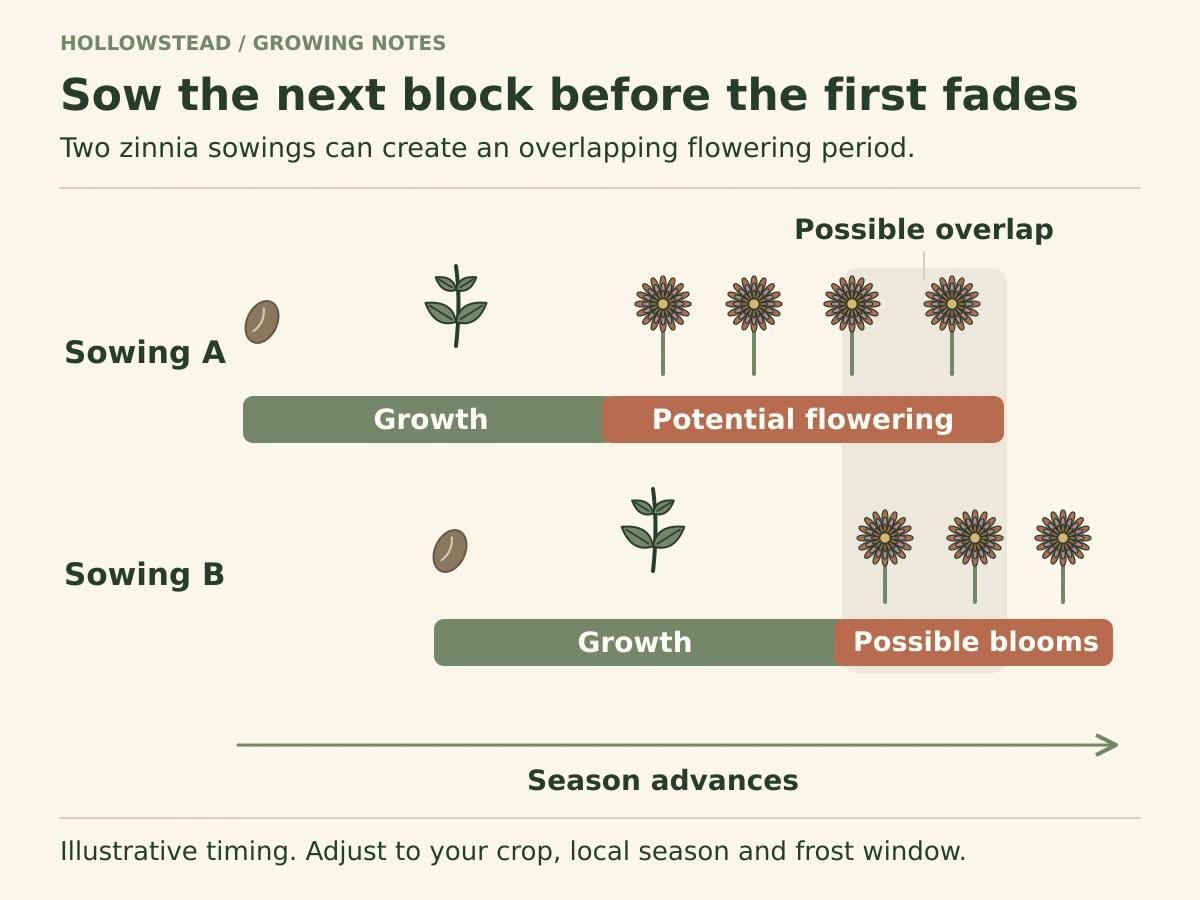
A practical two-block zinnia succession
Divide the zinnia space into an early block and a replacement block. Sow the first in suitable warm conditions. Schedule the second early enough to grow while the first still supplies stems, using the current packet’s first-bloom estimate and the remaining season. This is a planning example, not a fixed interval for every garden.
- Write down sowing and first-cut dates for block A.
- Choose when you want block B to start flowering; count backward using its expected sowing-to-bloom interval.
- Check that the new block also fits before your fall cutoff.
- Keep productive plants while the replacement establishes. Remove declining plants when their stems no longer justify the space.
Use the California Giant Zinnia guide for pinching and harvest readiness. Plan Calendula’s cool-season crop separately.
The common mistake is waiting until a planting looks terrible before sowing its replacement. A new zinnia or sunflower block needs time to germinate, establish, branch, and make buds. University of Minnesota Extension recommends thinking about cutting gardens from seed as a planned season rather than a one-time spring event.[2]
Overlap creates resilience. If the first stand remains excellent, you have extra flowers. If storms, disease, or heat shorten it, the next planting is already moving. The trade-off is space, so a small home garden may use shorter rows or a few plants per succession rather than duplicating whole beds.
Reset a bed when the old crop stops earning the space
Do not keep an annual indefinitely because it once looked good. Remove plants that are badly diseased, weak, or no longer producing useful stems. Pull roots and debris, remove weeds, assess soil moisture, and prepare a clean seedbed or transplant zone for the next crop.
If disease caused the decline, do not simply chop infected material into the surface and replant the same susceptible crop. Sanitation and rotation matter. If the crop is merely old, healthy residue can be managed according to your normal composting system.
Replace by crop condition
- Sow a replacement before an aging stand stops producing useful stems.
- Sunflower batches can overlap; branching plants already give more than one harvest.
- Replace badly diseased zinnia or exhausted cosmos when there is enough season left.
- Resume calendula as heat moderates; a universal 2–3-week interval does not fit every crop.
Keep records simple enough that you will actually use them
For each sowing, record date sown, date emerged, first cut, peak period, and when quality declined. Add one sentence about the reason: powdery mildew, heat, storm lodging, seed set, or simply age. Those five dates make next year’s succession schedule far more accurate than a generic “sow every two weeks” rule.
Advanced growers can also record stem length, usable stems per plant, or vase performance. The goal is not paperwork for its own sake; it is learning which succession interval produces the harvest you actually want in your garden.
A worked last-sowing example
A blank planning line for each variety: local last frost date → safe sowing date → supplier’s stated first-bloom range → expected first bloom → weather margin. Calendula may fit a different cool-season window; a warm-season sunflower estimate should not be used as its schedule. Confirm the offered lot and local season before filling dates.
Suppose your expected killing frost is October 15 and a chosen flower takes 80 days from sowing to first bloom. For an illustrative 14-day flowering window plus a separate 14-day weather margin, count back 108 days: sow by June 29. The arithmetic is 80 + 14 + 14; seedling establishment is already in the 80 days. Use the longer end of your actual crop estimate when late-season growth slows. This is a planning example, not a universal last-sowing date.
PLAN THE NEXT WAVE
Keep the flower patch moving.
Use the individual variety guides to adjust succession timing for each Hollowstead flower instead of forcing every crop into the same schedule.
HOLLOWSTEAD SEED
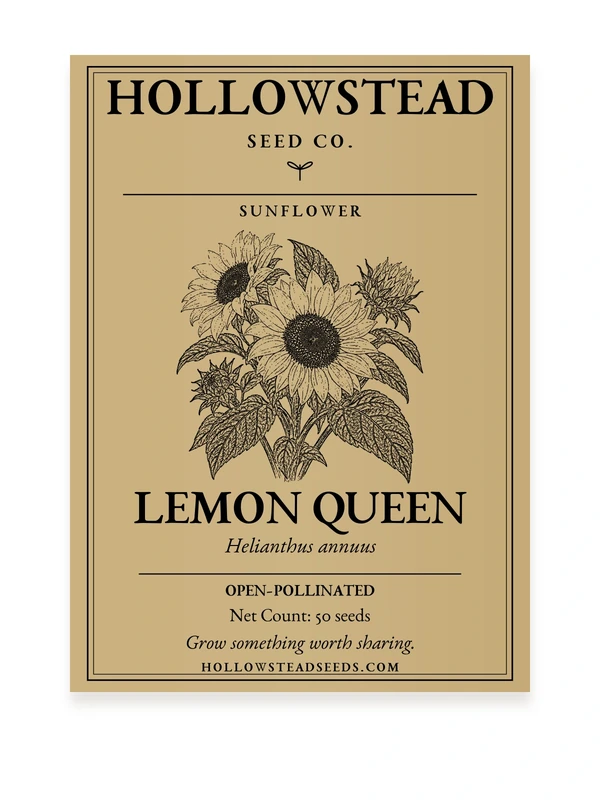
Lemon Queen Sunflower Seeds
$3.99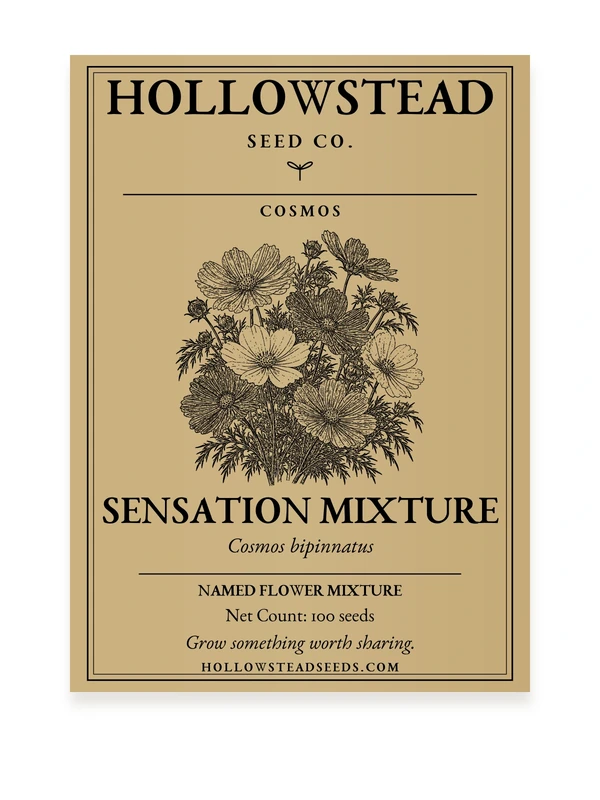
HOLLOWSTEAD SEED
Sensation Mixture Cosmos Seeds
$3.99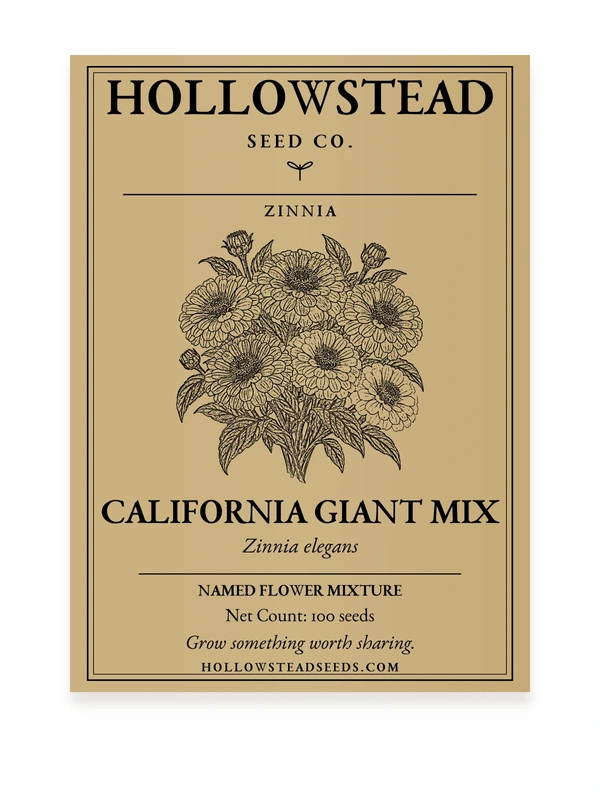
HOLLOWSTEAD SEED
California Giant Mix Zinnia Seeds
$3.99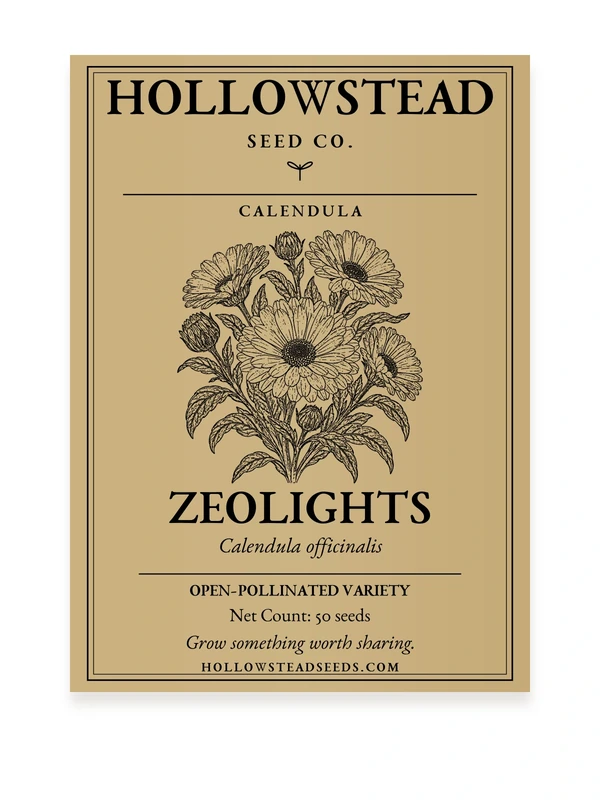
HOLLOWSTEAD SEED
Zeolights Calendula Seeds
$3.99KEEP LEARNING
Related Hollowstead guides
SEED STARTING
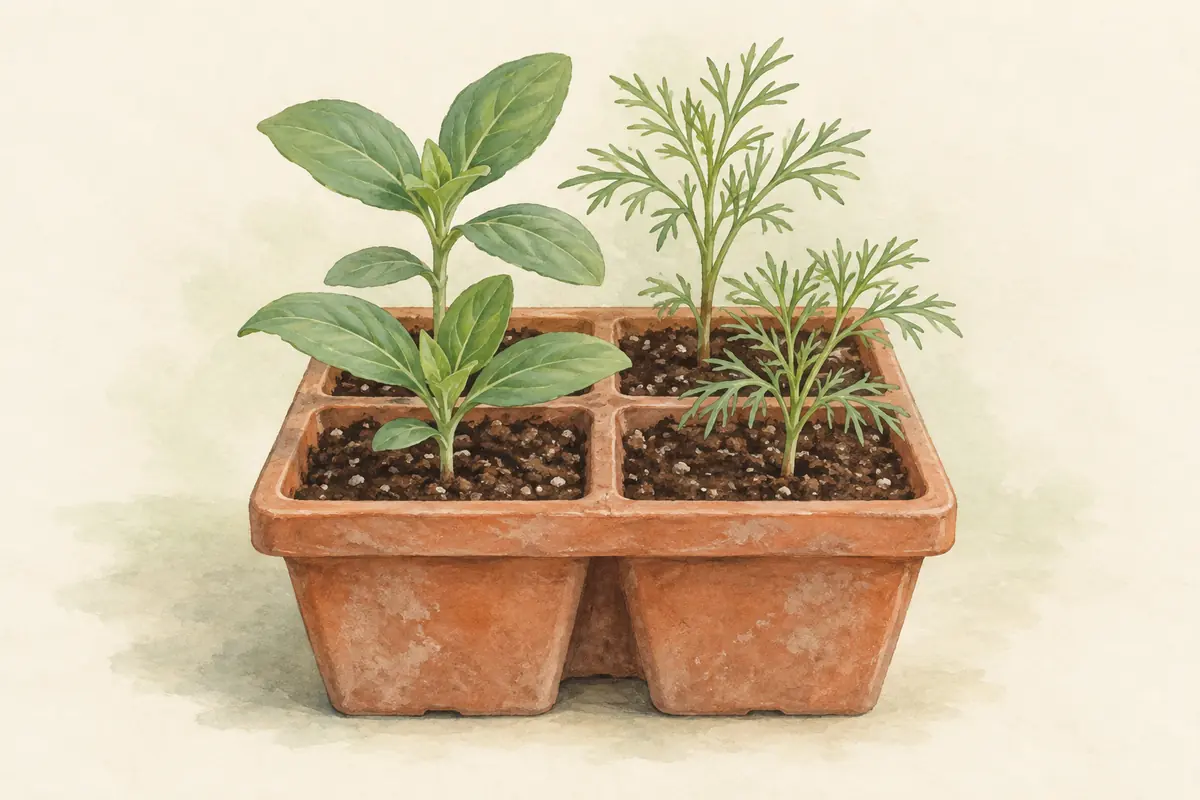
Growing Four Annual Flowers From Seed
Grow annual flowers from seed with a crop-by-crop plan for sowing, germination, thinning, transplanting, soil preparation, watering, pinching, bloom care, cutting, troubleshooting, and seed saving.
Read the guide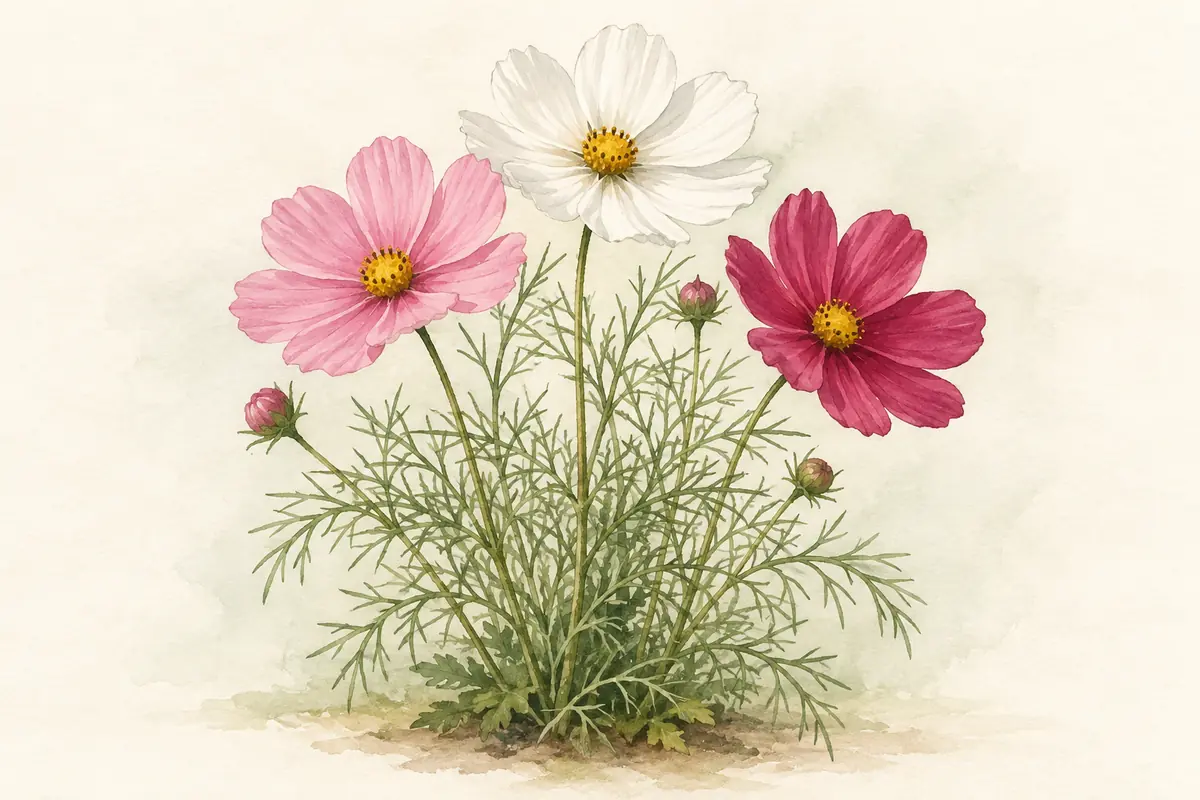
COSMOS GUIDE
Sensation Mixture Cosmos Growing Guide
Grow Sensation cosmos for tall, airy summer color and cut flowers with direct sowing, modest fertility, pinching, support, repeated harvest, deadheading, and seed saving.
Read the guide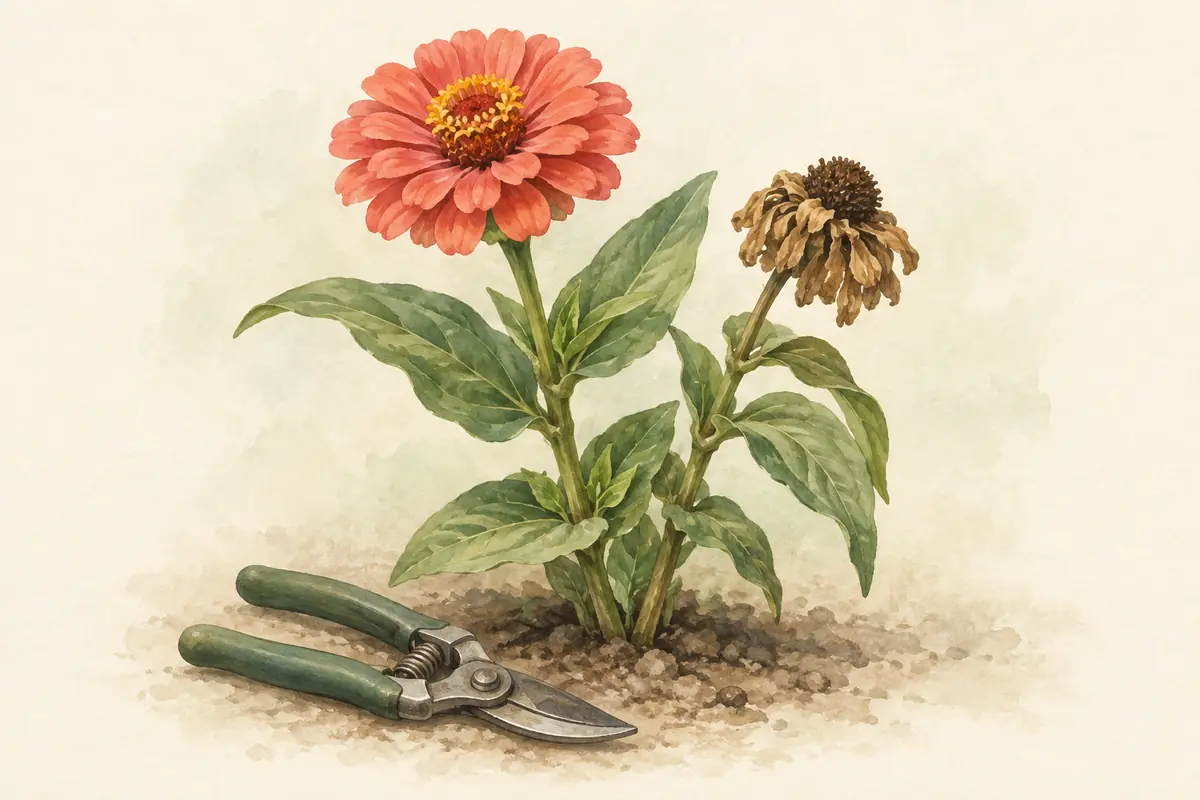
FLOWER CARE
How to Deadhead Flowers for More Blooms
Deadhead annual flowers more precisely by learning where to cut, how each crop responds, how often to revisit plants, what diseased material to remove, and when to stop for seed saving.
Read the guideFrequently asked questions
Do I need to plant flowers every two weeks?
No. Two weeks is a useful starting interval for some crops, especially sunflowers, but the best interval depends on flower type, weather, space, and harvest goal.
Can I succession plant branching sunflowers?
Yes. Branching already stretches harvest, and small repeat sowings can extend it further.
Should I keep sowing calendula all summer?
Usually not in extreme heat. Calendula is better suited to cool spring and fall windows.
When should I remove an old zinnia planting?
When disease, weak stems, or age make it less useful than the space it occupies—especially if a clean succession is ready.
What records matter most?
Sowing date, emergence, first harvest, peak harvest, and decline date are enough to make next year’s plan much better.
Sources & further reading
- Illinois Extension How to grow sunflowers at home — A great addition to any garden https://extension.illinois.edu/blogs/good-growing/2022-03-18-how-grow-sunflowers-home-great-addition-any-garden
- University of Minnesota Extension Where bouquets begin: growing a cutting garden from seed https://extension.umn.edu/news/where-bouquets-begin-growing-cutting-garden-seed
- University of Missouri Extension Flowering Annuals: Characteristics and Culture https://extension.missouri.edu/publications/g6629
- Utah State University Extension How to Grow Calendula in Your Garden https://extension.usu.edu/yardandgarden/research/calendula-in-the-garden
Hollowstead Growing Notes
A little help for your next growing season
Practical sowing advice, help choosing seeds, and occasional Hollowstead shop news. Usually one or two emails a month, plus a short welcome note.
Choose your topics and frequency after you confirm. Our guides and planting calendar are always free.