
COSMOS GUIDE
Sensation Mixture Cosmos Growing Guide
Grow Sensation cosmos for tall, airy summer color and cut flowers with direct sowing, modest fertility, pinching, support, repeated harvest, deadheading, and seed saving.
FlowersVariety guideBeginner → advanced
Published by Hollowstead Seed Co. · How this guide is prepared
Quick answer
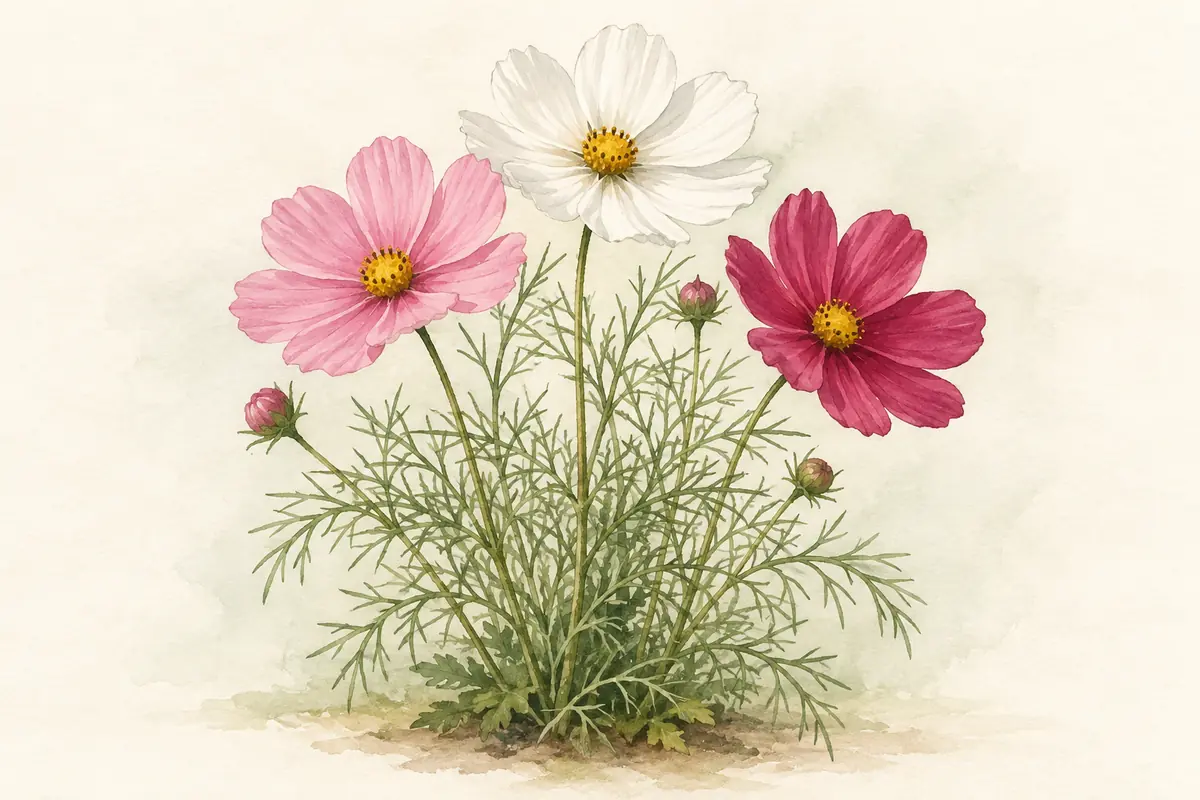
Sensation Mixture is tall Cosmos bipinnatus: sow after frost in full sun, keep fertility modest, avoid chronic overwatering, and give the plants enough space or support for their airy 3–5 foot habit. Pinching can increase branching for cutting, while regular harvest or deadheading keeps plants from putting all their energy into seed.[1][3]
Cosmos rewards restraint. Bright sun, modest fertility, measured water, and repeated cutting usually outperform rich soil and constant feeding.
At a glance
| Trait | Useful starting point |
|---|---|
| Species | Cosmos bipinnatus |
| Habit | Tall, airy; about 3–5 feet |
| Light | Full sun |
| Sowing | Direct sow after frost |
| Depth | Shallow; current catalog about ¼ inch |
| Spacing | About 12 inches; wider for sturdier individual plants |
| Fertility | Low to moderate |
| Harvest | Cut partially open buds / fresh flowers often |
- Soil
- Well drained; average to lean fertility
- Sun
- Full sun
- Water
- Steady for establishment, lighter once rooted
- Pinch
- Optional for branching/cutting
- Support
- Useful in wind or rich ground
- Seed
- Matures and shatters quickly
SAVE FOR SOWING DAY
Five-step crop plan for Sensation Mixture Cosmos
Open the sow-to-harvest plan
- StartDirect sow shallowly after frost when soil is warm enough (about 65°F); keep the seed zone moist to establish. Guide details
- PlantThin toward about 12 inches in full sun; allow room for an airy, tall stand and install support if exposed. Guide details
- MaintainKeep fertility modest and avoid chronic overwatering; optional pinching branches a healthy young plant but delays its main stem. Guide details
- HarvestCut as petals begin unfolding, leave a healthy leaf junction below, and deadhead unreserved spent flowers. Guide details
- Next sowing or seedA second small sowing needs enough season left; leave chosen heads to dry and bag seed promptly before it shatters, labeling mix and crossing uncertainty. Guide details
- Space
- About 12 inches is a starting point for 3–5-foot airy plants; wider spacing helps access, while wind may require support.
- Timing
- Catalog’s 60–90 days from sowing is a planning window; day length and growing conditions can move first bloom.
Full growing guidehttps://hollowsteadseeds.com/sensation-cosmos-growing-guide/Seed packethttps://hollowsteadseeds.com/product/sensation-mixture-cosmos-seeds/Find planting dates by ZIP code
Variety reference photo
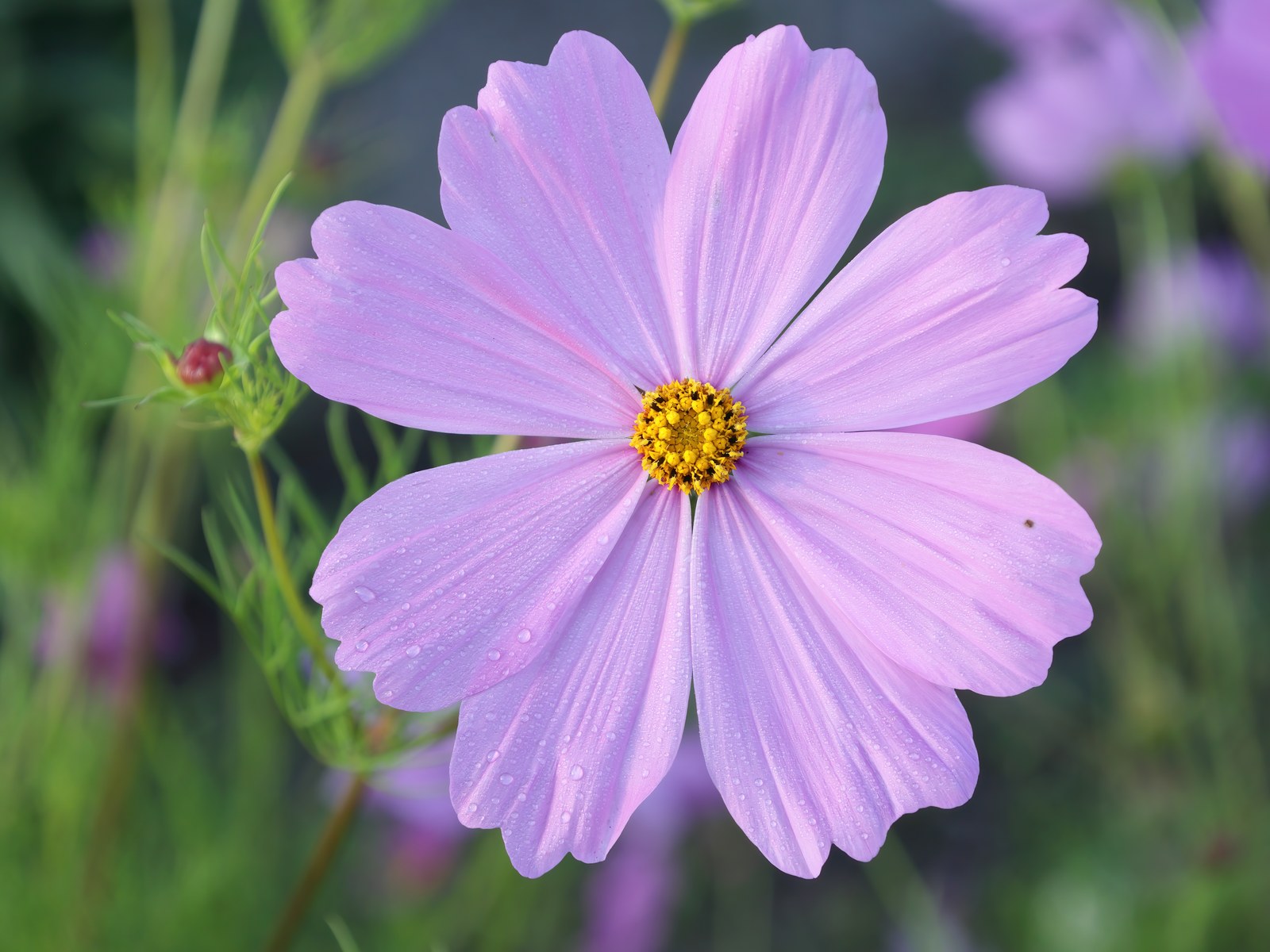
Plan for tall, airy growth
Sensation is not a compact bedding cosmos. It develops fine, fernlike foliage and tall flowering stems that move in wind and work well in the back or middle of a cutting patch. Hollowstead’s product range is about 3–5 feet, while Utah State notes that C. bipinnatus cultivars can range broadly in height depending on genetics and conditions.[1]
Johnny’s lists its Sensation Mix at 48–54 inches, with 3–4-inch single flowers and a 75–90-day sow-to-flower estimate. Give tall airy stems room to cut or support. For a cramped patio or very short season, compare a documented compact or earlier cosmos selection; day length and conditions still move first bloom.[7]
Plan placement before planting. A young cosmos seedling occupies almost no visual space; a mature stand can lean into paths and neighboring crops if that final volume was not considered.
Sensation cosmos: choose the shape and season
- Allow room for tall, airy 3–5-foot growth; support stems where wind or rich soil makes lodging likely.
- Pinching an established, vigorous young plant is optional for more branches and cutting stems; it delays the first central bloom.
- Full sun and modest fertility help. Long days may slow first bloom in young plants, so use the 60–90-day window as a guide, not a deadline.
Direct sow into warm-enough soil
Utah State recommends sowing cosmos after frost once soils have warmed to about 65°F, with best germination around 70–75°F. Seed is sown shallowly; overly deep planting reduces emergence.[1] Keep the seed zone moist until the stand is established, then thin rather than leaving every seedling.
Spacing changes plant architecture. Closer plants can help support one another and produce a denser screen, while wider spacing allows larger individual plants and better access. For a home cutting row, Hollowstead’s roughly 12-inch starting point is a practical middle ground.
Pinching, support, and stem quality
Pinching a young, established cosmos plant removes the central growing tip and encourages side branches. It is useful when you want more cutting stems and a bushier plant, but it also delays the original central stem. Pinch only a healthy plant with enough growing season left to rebuild.
Tall cosmos can lodge in wind, especially in rich soil or after heavy rain. Seed Savers recommends support such as corralling with posts and twine for cosmos.[3] Support the patch as a group rather than tying every flexible stem rigidly.
If your cosmos is six feet of soft foliage with few flowers, do not “feed it into blooming.” First look at fertility, watering, sun, and season.
Water and fertility: avoid loving cosmos to death
Utah State’s cosmos guidance is unusually clear: established cosmos needs little water and no routine fertilizer in ordinary garden conditions; rich soil and heavy fertility can produce weak stems, late bloom, and fewer flowers.[1] That does not mean letting new seedlings bake dry. Water consistently through germination and establishment, then shift to deeper, less frequent irrigation as roots develop.
Use actual plant response. In extremely poor, disturbed soil a soil test may reveal a real deficiency. In an average garden bed, however, a dark-green, rapidly elongating cosmos plant is rarely asking for more nitrogen.
Why first bloom varies, and what succession can do
Use the catalog’s 60–90 days from sowing as a planning window. A plant’s age and the season both matter. Johnny’s production guide explains that young Cosmos bipinnatus plants may flower more slowly during long days; mature plants can keep flowering across those conditions.[6] A leafy early-summer plant is therefore not proof of a fertility problem—check its sowing date, sun, and developing buds as well.
For repeat cutting, try a small second sowing about two weeks after the first, provided there is enough season left. Johnny’s uses that interval in its general cosmos succession program.[6] Keep notes on how the two batches perform in your garden rather than expecting an exact two-week gap between their first flowers.
Keep some plants in flower during a reset. If tired plants still have healthy lower growth, a cutback may renew them. Utah State describes trimming to 12–18 inches, with flowering returning in roughly a month under suitable conditions.[1] Try it on part of the patch first; a drought-stressed plant or an approaching frost may not allow that recovery.
Cutting, deadheading, and rebloom
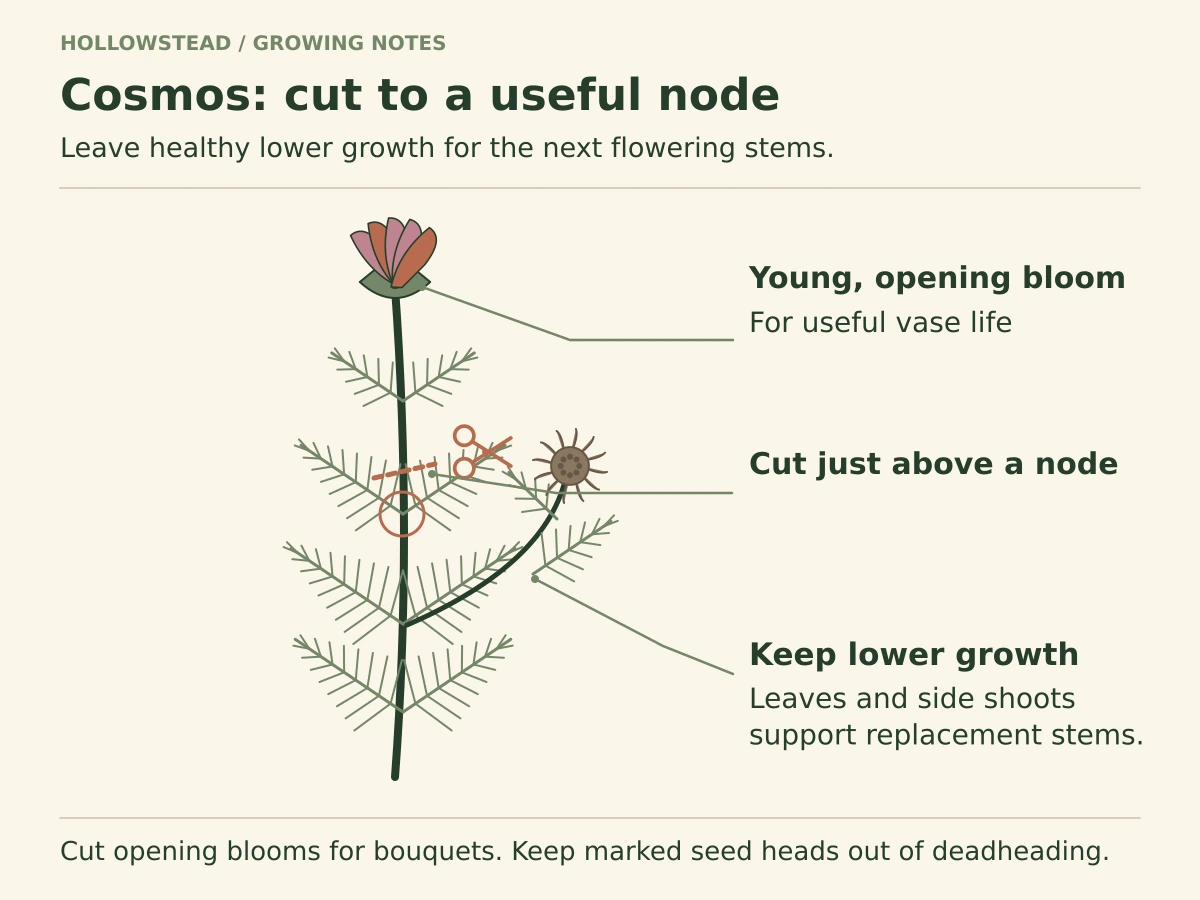
Cut a flower as its petals begin to unfold, before the flower has flattened into a broad disc. Both Seed Savers and Johnny’s recommend an early opening stage for fresh cuts.[3][5] Fully open flowers can still be lovely for immediate display, but do not wait for browning petal edges if useful vase time is the goal.
Follow the stem to a healthy leaf junction and make a clean cut, leaving growing points below. Put the stem into clean water and remove submerged foliage. Revisit the patch often: take fresh flowers for a vase and remove faded ones unless they are marked for seed. A longer stem cut can provide room for replacement branches; continually clipping only the flower head leaves a crowded tangle.[6]
Sensation Mixture Cosmos: cut and renew
- Cut partially open buds for bouquets; fully open flowers suit immediate display but are not promised longest vase life.
- Cut above a useful node and hydrate in clean water.
- Deadhead spent flowers unless marked for seed; collect ripening dark seed before it scatters.
Cosmos troubleshooting
Saving Sensation Mixture cosmos seed
Sensation is a mixture, so even correctly saved seed will not give a guaranteed equal color ratio. Insect pollination adds another layer: Seed Savers lists cosmos as insect-pollinated and recommends isolation when preserving a named variety.[3] If another C. bipinnatus variety flowers nearby, crossing can change the next generation.
Select healthy plants with the color, form, stem quality, and vigor you want to preserve. Stop cutting several blooms and watch the seed heads closely—cosmos seed matures quickly and readily shatters.[3] Harvest dry or nearly dry heads into a paper bag, finish drying with good airflow, clean as much chaff as practical, label, and store cool and dry.
A growing checklist by stage
- Before sowingChoose sun and ordinary, well-drained soil. Leave fertilizer out of the routine unless a soil test or a clear deficiency supports it. Mark roughly 12-inch plant spacing.
- After emergenceThin when true leaves appear. For indoor starts, harden gradually and move plants before roots become tightly matted; keep enough root ball intact to avoid unnecessary setback.
- At several pairs of true leavesIf the plant is healthy and repeated cutting is the goal, remove the growing tip above a leaf junction. Retain leafy nodes below and set up a loose support corral.[5]
- When buds show colorCheck daily if possible; petals change quickly from folded to flat. Cut the opening stems, remove spent flowers, and keep marked seed heads outside the cutting routine.
- When bloom slowsCheck moisture, old seed heads, plant health, and the time left before frost. Use the succession and recovery choices before cutting back the whole patch.
One workable container plan
For a conservative patio design, allow 7–10 US gallons; about 14–16 inches deep for 1 plant. These are planning allowances rather than a cultivar trial or a minimum-size guarantee. Large, stable pot plus support; leave room around the canopy. Use a potting mix with open drainage, leave the whole volume available to roots, and check below the surface before watering. Match feeding to the mix’s existing fertilizer and the label. See container flower plans.
A small home seed-saving workflow
For a first learning batch, mark 5–10 healthy representative plants if space permits and save modest amounts from each. This is a practical sampling exercise, not a conservation population standard; one or two plants may give usable seed but capture little diversity. Keep a mix’s color forms represented rather than saving only the first flower or earliest bolting plant.
Watch for dark, firm, elongated seeds fanning outward from a drying head. Collect individual ripening heads before seeds fall, finish drying over paper and pick or rub out the long seeds. Spread cleaned seed thinly in a sheltered, dry, ventilated place until fully dry before sealing. Label crop, variety, harvest year, parent plants and possible crossing. Keep cool, dry and dark. Before committing next season’s bed, germinate a small counted sample; that checks usefulness, not varietal purity.
Keep compatible volunteers and nearby varieties in mind when saving a named strain: crossing may occur before a seed bag is applied. Label uncertain garden seed honestly and consult seed-saving principles for isolation and parent-diversity planning.
Sourced grower observation
A UK gardener growing cosmos for the first time on r/gardening identified their flowers as Sensation cosmos and reported tall plants still carrying flowers and buds in October. This is a single garden’s season, not a promise of autumn bloom elsewhere; keep cutting or deadheading and allow room for tall stems. Read the original grower account; compare the crop guidance. This is one grower’s account, not a Hollowstead trial of the offered seed lot.
GROW SENSATION COSMOS
Grow the variety you just learned.
Use Sensation Mixture where you want tall, airy pink, rose, white, and magenta flowers that respond well to repeated cutting.
HOLLOWSTEAD SEED
Sensation Mixture Cosmos Seeds
$3.99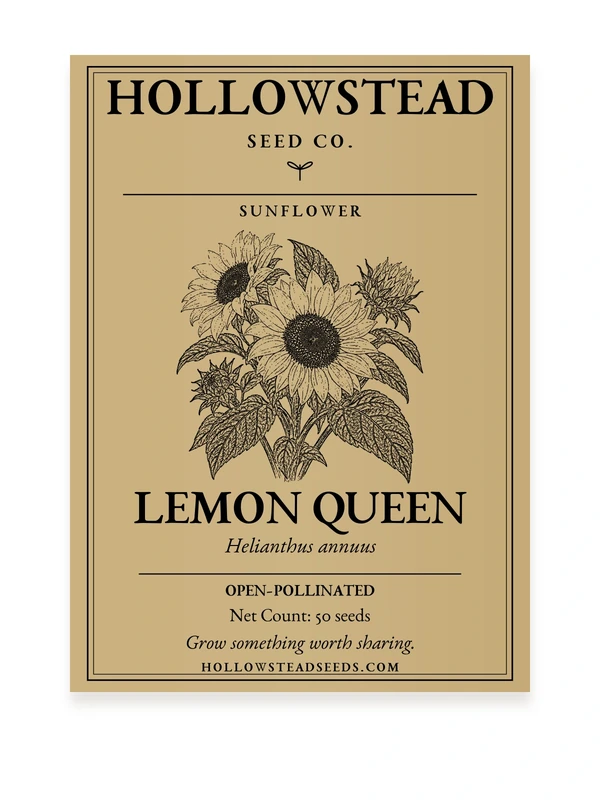
HOLLOWSTEAD SEED
Lemon Queen Sunflower Seeds
$3.99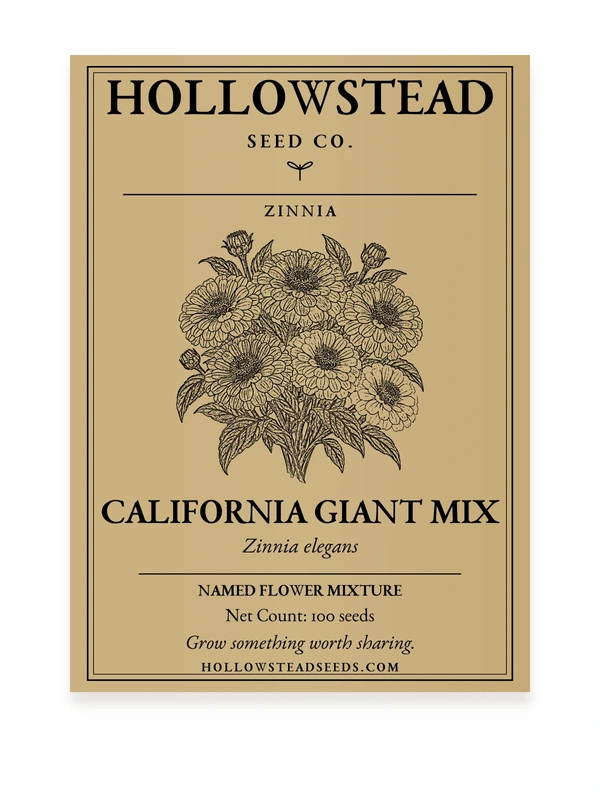
HOLLOWSTEAD SEED
California Giant Mix Zinnia Seeds
$3.99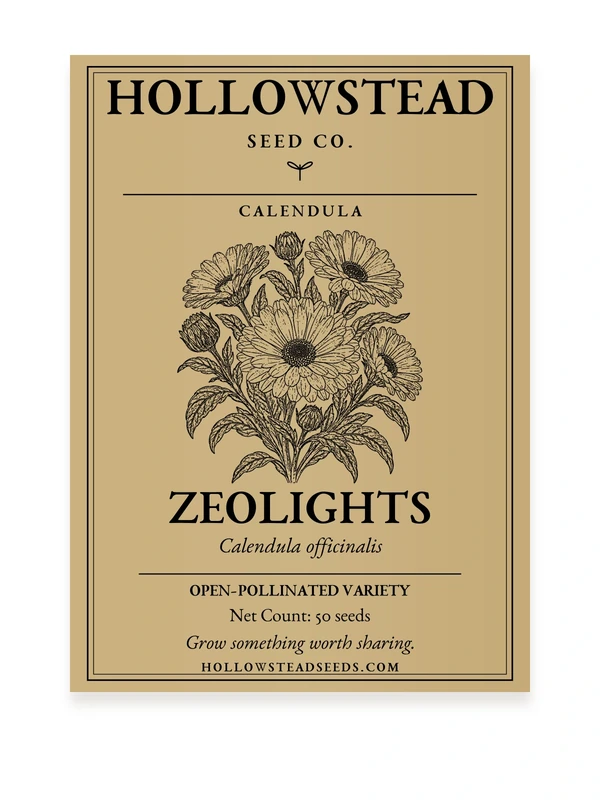
HOLLOWSTEAD SEED
Zeolights Calendula Seeds
$3.99KEEP LEARNING
Related Hollowstead guides
SEED STARTING
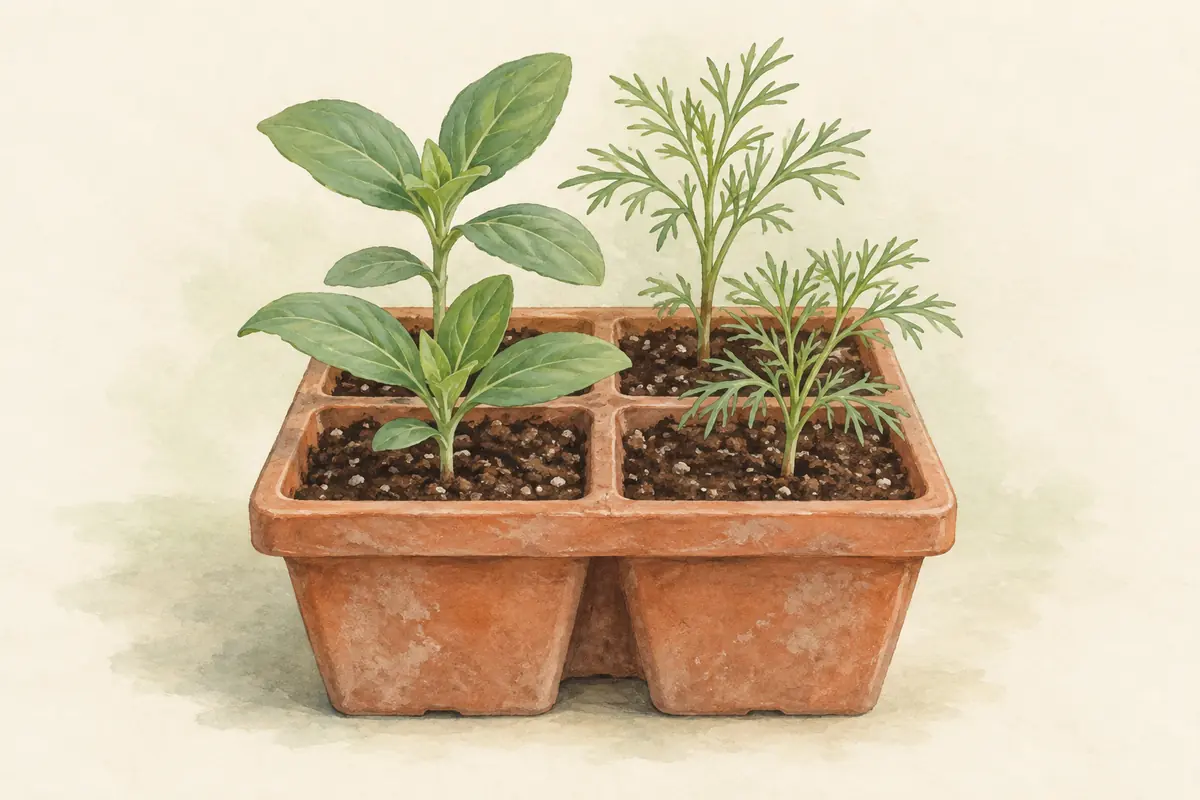
Growing Four Annual Flowers From Seed
Grow annual flowers from seed with a crop-by-crop plan for sowing, germination, thinning, transplanting, soil preparation, watering, pinching, bloom care, cutting, troubleshooting, and seed saving.
Read the guide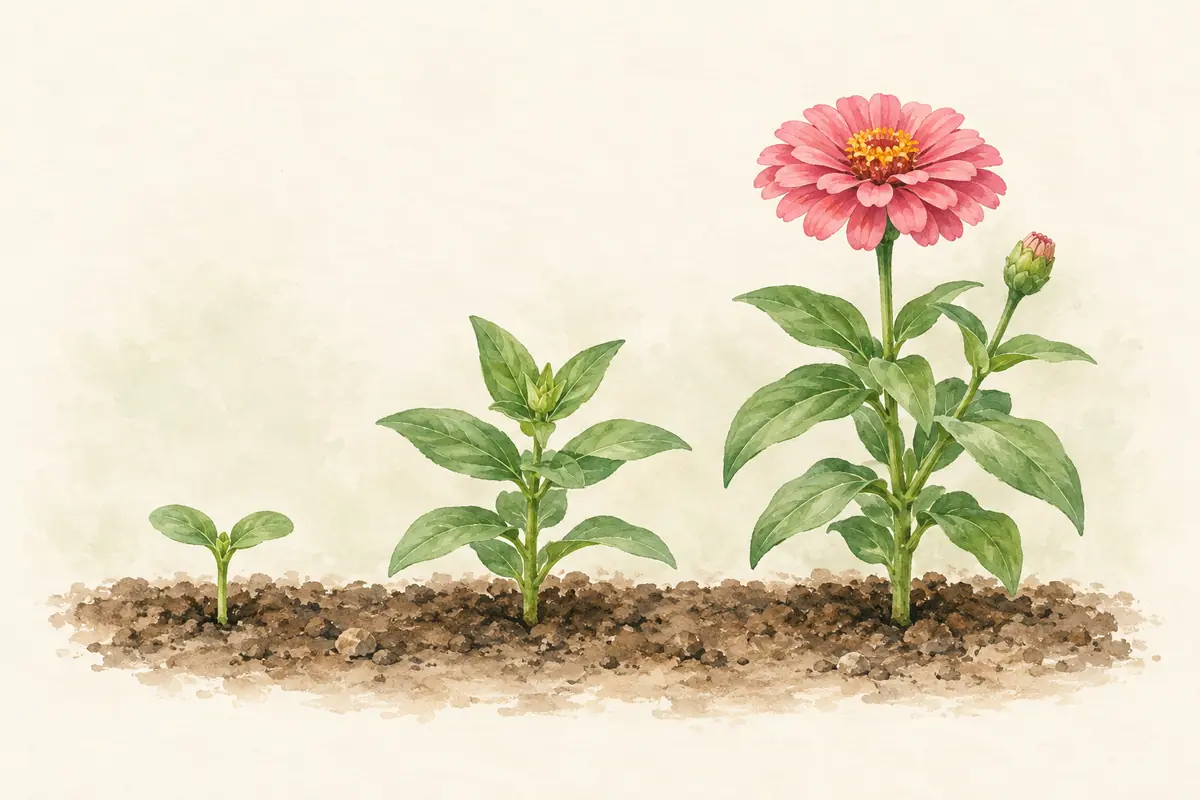
GARDEN PLANNING
Succession Planting Flowers for Continuous Blooms
Build continuous flower harvests with repeat sowings, overlapping generations, crop-specific intervals, frost-date planning, bed resets, and records for sunflowers, zinnias, cosmos, and calendula.
Read the guide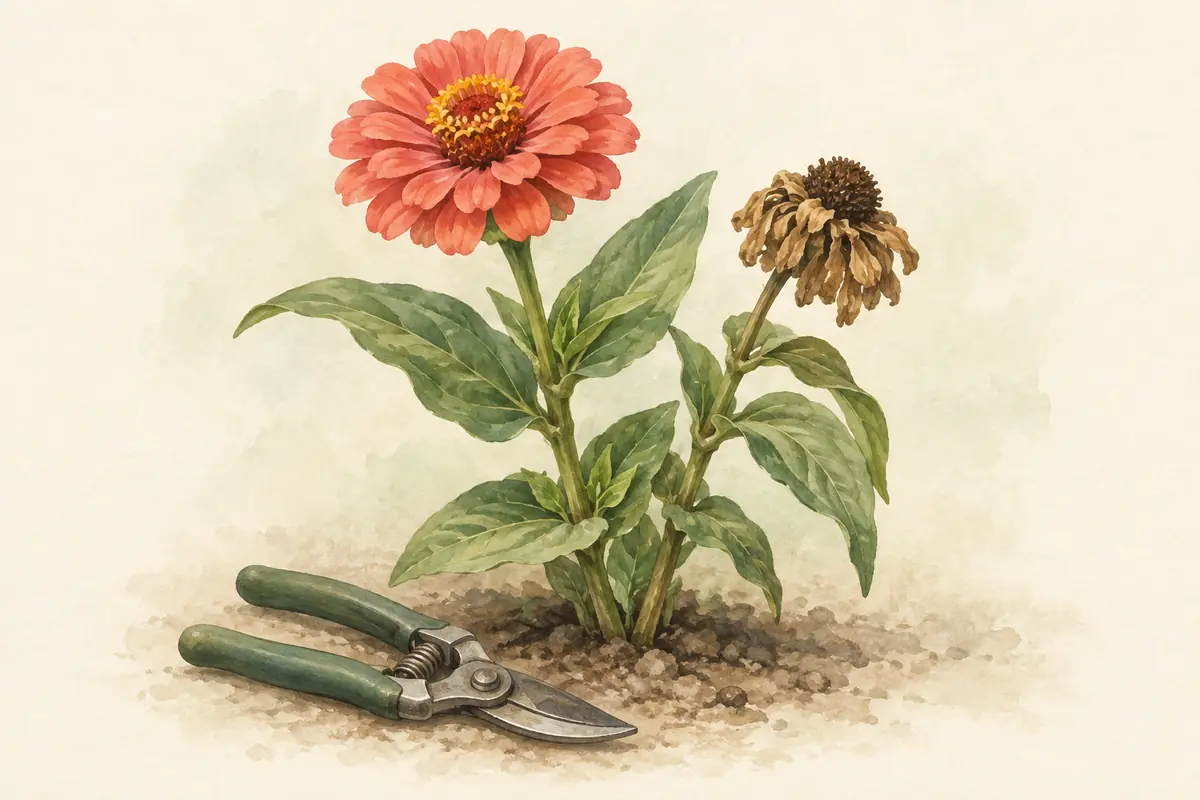

FLOWER CARE
How to Deadhead Flowers for More Blooms
Deadhead annual flowers more precisely by learning where to cut, how each crop responds, how often to revisit plants, what diseased material to remove, and when to stop for seed saving.
Read the guideFrequently asked questions
Does Sensation cosmos need rich soil?
No. Cosmos often flowers better in average to lean soil than in heavily fertilized ground.
Should I pinch Sensation cosmos?
Pinching is optional. It is useful for more branching in a cutting patch, but a healthy unpinched plant will still flower.
Why is my cosmos tall but not blooming?
Check excess nitrogen, heavy watering, insufficient sun, plant maturity, and seasonal/day-length effects before adding fertilizer.
When should I cut cosmos for bouquets?
Cut when buds are partially open or flowers are very fresh, then place stems into clean water promptly.
Can I save seed from the mixture?
Yes, but color proportions vary and nearby compatible cosmos can cross-pollinate.
Sources & further reading
Reviewed September 24, 2026. Variety references inform identity and planning; crop guidance is adapted to a home garden.
- Utah State University Extension — Cosmos in the Garden.
- University of Minnesota Extension — Where Bouquets Begin.
- Seed Savers Exchange — Flower Seed Saving Profiles.
- Seed Savers Exchange — Isolation Methods.
- Johnny’s Selected Seeds — Cosmos Growing Information.
- Johnny’s Selected Seeds — Cosmos Production (PDF).
- Johnny’s Selected Seeds — Sensation Mix cosmos listing Its 48–54-inch, 3–4-inch single-flower and 75–90-day estimates. https://www.johnnyseeds.com/flowers/cosmos/sensation-mix-cosmos-seed-1090.11.html
Read Our Story for how Hollowstead sources seed, or get in touch with a question about the offered lot.
Hollowstead Growing Notes
A little help for your next growing season
Practical sowing advice, help choosing seeds, and occasional Hollowstead shop news. Usually one or two emails a month, plus a short welcome note.
Choose your topics and frequency after you confirm. Our guides and planting calendar are always free.