
TROUBLESHOOTING
Why Bean Seeds Don’t Germinate: Early Problems & Fixes
Missing bean seedlings usually leave clues underground. Learn how cold and wet soil, drying, crusting, planting depth, damping off, and seedcorn maggot affect emergence—and how to decide whether to wait or replant.
BeansTroubleshootingBeginner → advanced
Published by Hollowstead Seed Co. · How this guide is prepared
Quick answer
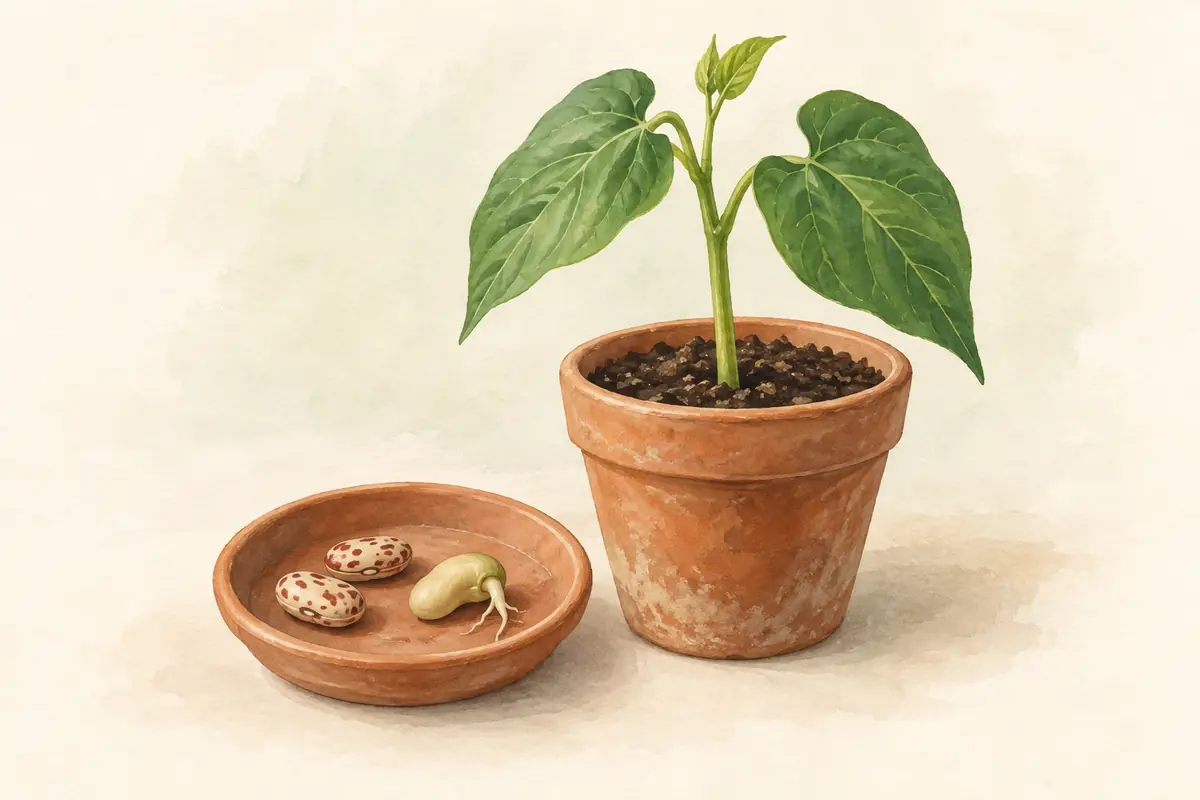
When a bean row has gaps, dig up a missing seed before guessing. A hard, dry seed suggests insufficient moisture. A swollen, soft or discolored seed points toward cold/wet conditions or decay. A hollowed seed or damaged cotyledon can indicate seedcorn maggot. A seedling pinched or dark at the soil line suggests damping off.[1][2]
Do not replant into the same unresolved problem. Warmth, drainage, seedbed moisture, soil crust, seed quality, and soil pests leave different clues underground.
Diagnosis at a glance
| Hard, dry seed | Seedbed likely too dry / poor contact |
|---|---|
| Swollen, mushy seed | Cold-wet rot/damping-off risk |
| Seed missing/hollowed | Possible soil pest such as seedcorn maggot |
| Seedling pinched at soil line | Damping off |
| Seedling trapped below crust | Surface compaction/crusting |
- Day 0: sowUse warm, moist—not saturated—soil and even planting depth.
- Days 4–7: check conditionsWarm soil may show swelling, root emergence, or seedlings approaching the surface.
- Days 7–10: expect emergenceUtah State reports common bean emergence in about 7–10 days in warm 65–85°F soil.
- After the expected windowDig several gaps and compare what happened to the seed.
- Before replantingCorrect cold, saturation, crusting, dryness, pest risk, or seed-quality problems first.
Dig-and-inspect diagnostic path
Bean germination checks: cold soil, excess water, excess depth and seed viability
- Inspect a failed station. Compare depth with the current 1-inch packet guidance, correct cold or saturated conditions, and test questionable stored seed before discarding it by age alone.
Cause 1: cold, wet soil
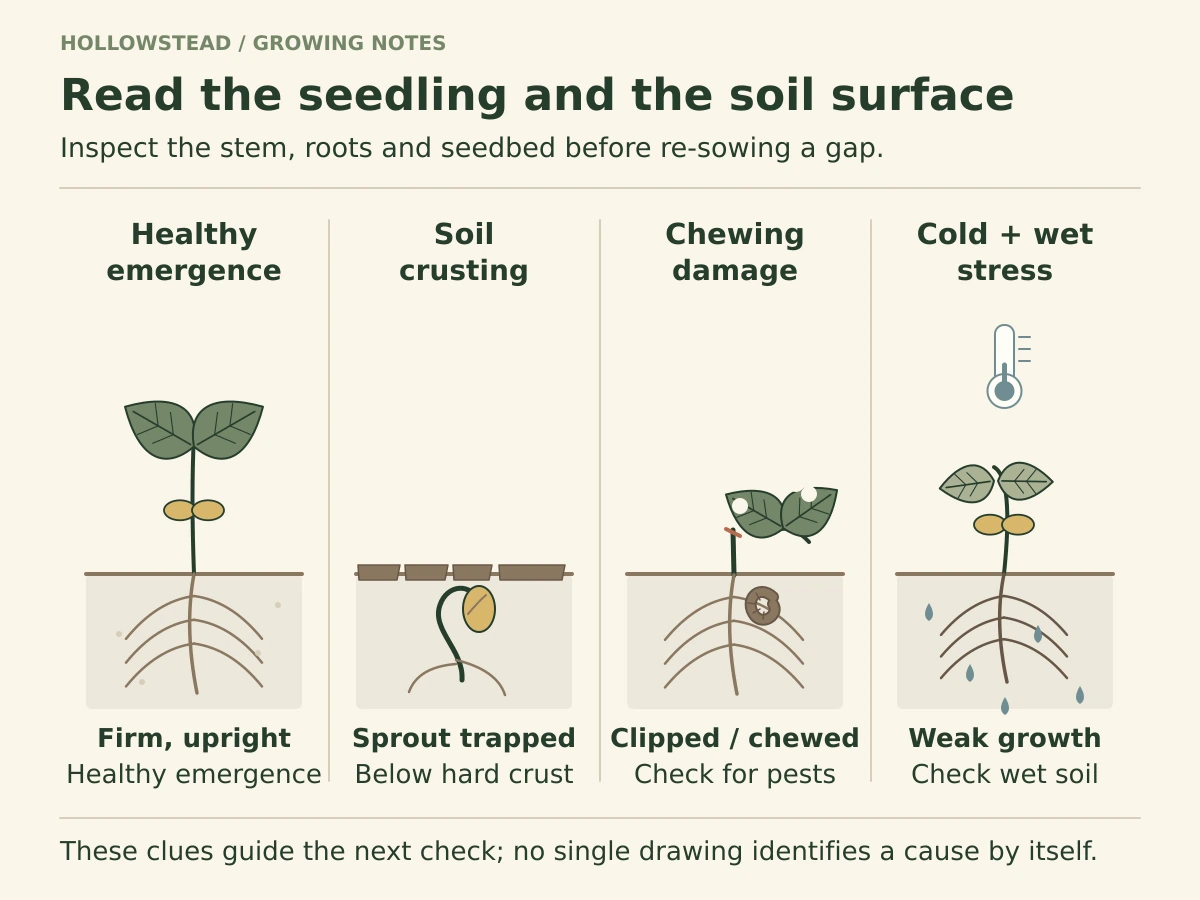
Missouri recommends waiting until soil reaches about 65°F for green beans, and Utah State reports best emergence once soils are warm.[3][4] Cold soil slows germination; wet soil simultaneously reduces oxygen and favors seed decay. That combination is more dangerous than cool or moist conditions by themselves.
Do not keep watering because you cannot see seedlings. If the planting depth is already saturated, more water makes the seed environment worse.
Cause 2: the seedbed dried out—or crusted
Missouri lists dry soil and crusting as reasons snap beans fail to emerge.[3] A large bean seed needs enough moisture to imbibe and activate germination, but a hard crust after heavy rain can physically trap a perfectly healthy seedling below the surface.
Check the soil at seed depth, not just the top quarter-inch. A dry surface may hide adequate moisture below; a dark surface can also hide a dry layer underneath.
Cause 3: planting depth or uneven seed-to-soil contact
About 1 inch is a useful general depth for common beans. Planting too shallowly can expose seed to rapid drying; excessively deep seed spends more stored energy reaching the surface and emerges more slowly. Cloddy soil can leave air gaps around individual seeds, creating uneven moisture uptake across the row.
Cause 4: seedcorn maggot
Seedcorn maggot larvae feed on germinating seeds and cotyledons. Minnesota notes that risk rises in cool, wet soils and where fresh organic matter such as manure, weeds, or cover crops has recently been incorporated.[2] The damage is already done by the time missing seedlings are noticed; there is no rescue treatment.
If you recently tilled in a lush cover crop or manure, delaying replanting can reduce risk while the attractive decaying material breaks down and the pest generation advances.
Cause 5: damping off and seed rot
Minnesota lists several fungi and oomycetes that can rot snap-bean seed or collapse seedlings at the soil line.[1] Look for darkened or water-soaked stems, soft seed, wilt, and sometimes visible cottony growth. The practical response is not to drench the row continuously—it is to improve the seedbed environment and avoid saturation.
 View full-size diagram
Seed age, viability, and storage
Older seed can still be useful, but storage matters. Seed Savers reports common bean seed can remain viable roughly 3–4 years when completely dry and stored cool, dark, and airtight.[5] Heat and humidity shorten that window.
If the whole row fails under otherwise good conditions and the seed is old or poorly stored, test a sample indoors between moist paper towels before blaming the garden. A germination test separates a seed-lot problem from a soil problem.
Do not diagnose from the calendar alone. “It has been ten days” tells you much less than an excavated seed. Digging three or four gaps is the fastest way to stop guessing.
Test questionable seed before it goes into the garden
For a home screening test, count 10 seeds from the suspect packet onto a moist paper towel inside a loosely closed bag or covered container. Keep it around 70–80°F, out of direct sun, and moist but not submerged. Check daily for about 7–10 days in warmth; allow longer if cooler, and record how many develop both a healthy root and an emerging shoot. A root alone shows germination has begun, not that a normal seedling has formed. Compare this small sample with a fresh packet under the same conditions if useful. This is a home check, not an official germination or vigor test.[4][6]
If fewer normal root-and-shoot seedlings appear, consider using fresh seed or sowing extra where spacing allows, then thin. A 10-seed home sample is only a rough screen; record the result and check soil conditions before blaming the seed lot.
Missing seed is not always germination failure
Birds and small mammals can pull or dig newly planted beans, especially in obvious freshly worked rows. A seed that has vanished completely leaves different evidence than a rotted seed. Look for disturbed soil, shells, tracks, or clipped seedlings before diagnosing a disease.
Row cover can protect a new planting from birds while seedlings establish, but remove or manage it appropriately as climbing beans need their support and temperatures rise.
Evaluate the stand, not just individual gaps
A few missing plants in an otherwise vigorous row may not justify tearing everything out. Bush beans can often fill some space laterally; pole beans can branch and cover trellis area. Replant only the gaps if the surviving stand is healthy and the season still has enough time. A nearly empty row is a different decision.
When to wait and when to replant
Utah State reports emergence in about 7–10 days when soil is warm.[4] If conditions have been cooler, emergence may take longer. Wait when seeds are swollen, firm, and actively germinating. Replant when seed has rotted, been eaten, never imbibed because the bed stayed dry, or when the stand is too thin to justify nursing it.
Before replanting, change the failed condition: wait for warmth, improve drainage, break a crust, restore moisture, or allow recently incorporated organic matter more time before sowing into a seedcorn-maggot risk window.
Before committing a planting window to an older packet, use the seed-storage and home germination-test guide. It helps separate an uncertain seed lot from problems in the seedbed.
TRY AGAIN WITH THE RIGHT CONDITIONS
Warm soil does more than an early calendar date.
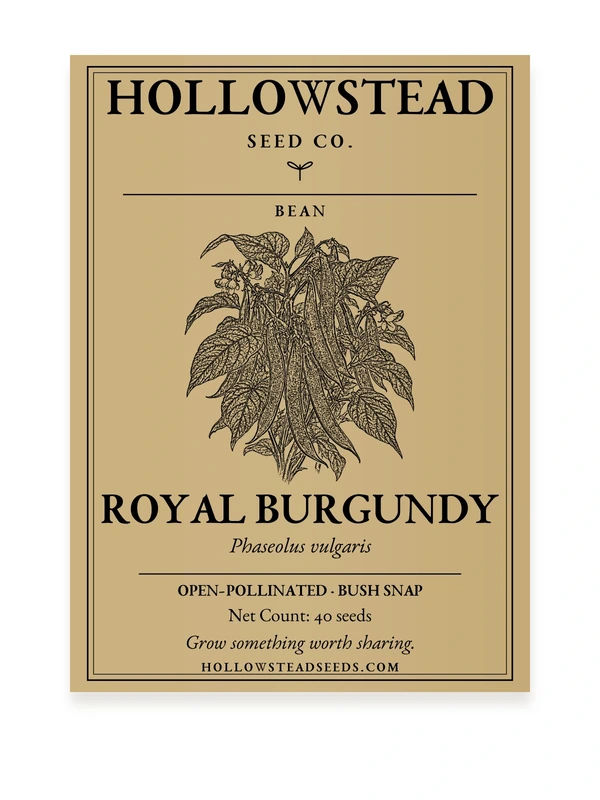
Both Hollowstead bean varieties are direct-sown crops, but Red Noodle is especially dependent on real summer warmth.
HOLLOWSTEAD SEED
Royal Burgundy Bush Bean Seeds
$4.49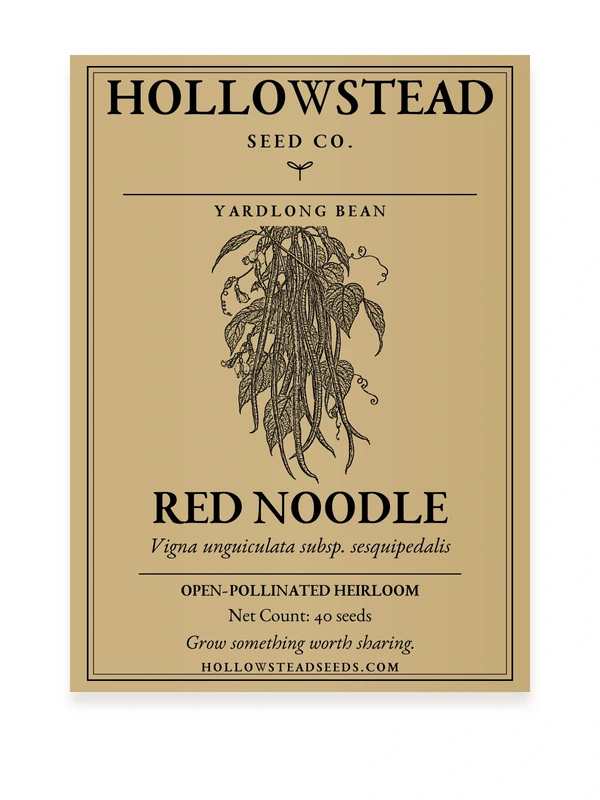
HOLLOWSTEAD SEED
Red Noodle Yard Long Bean Seeds
$4.49KEEP LEARNING
Related Hollowstead guides
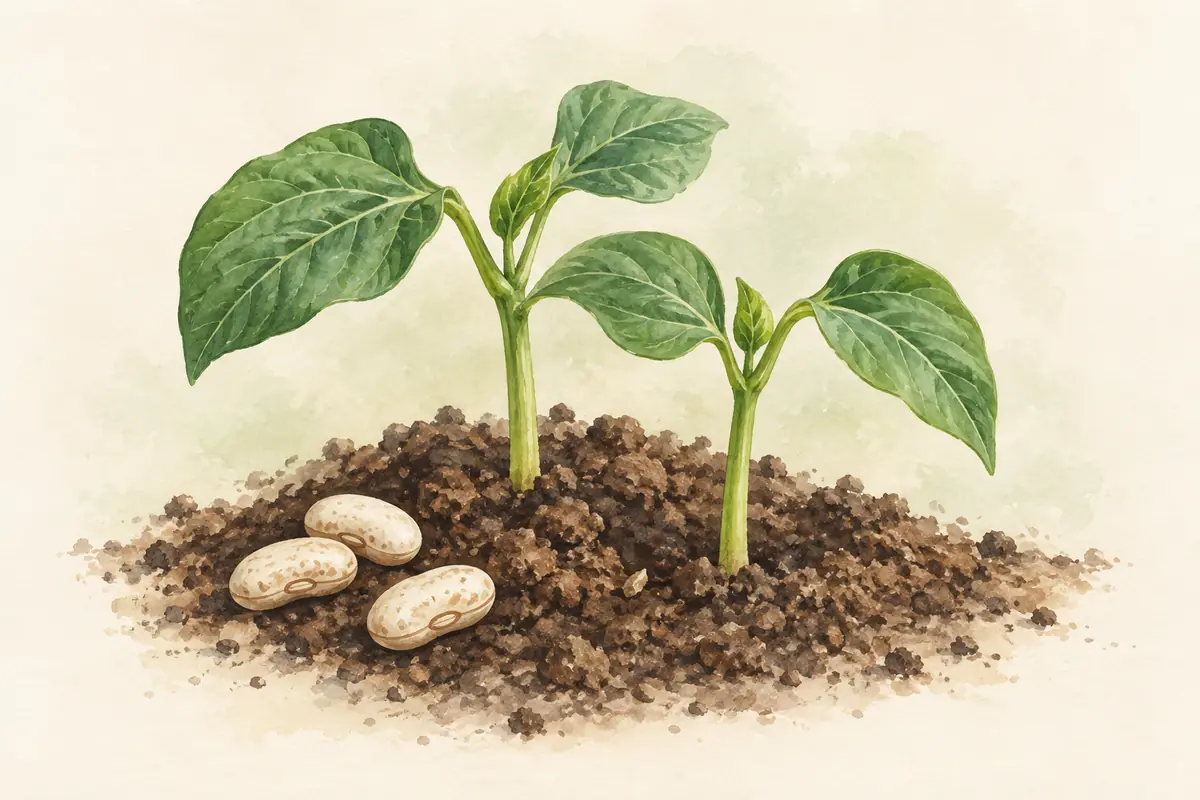
BEAN GROWING
Growing Beans From Seed: The Complete Guide
Grow beans with confidence from direct sowing through harvest. Learn when soil is warm enough, how deeply to sow, when climbing beans need support, how succession planting works, and how to diagnose common early problems.
Read the guide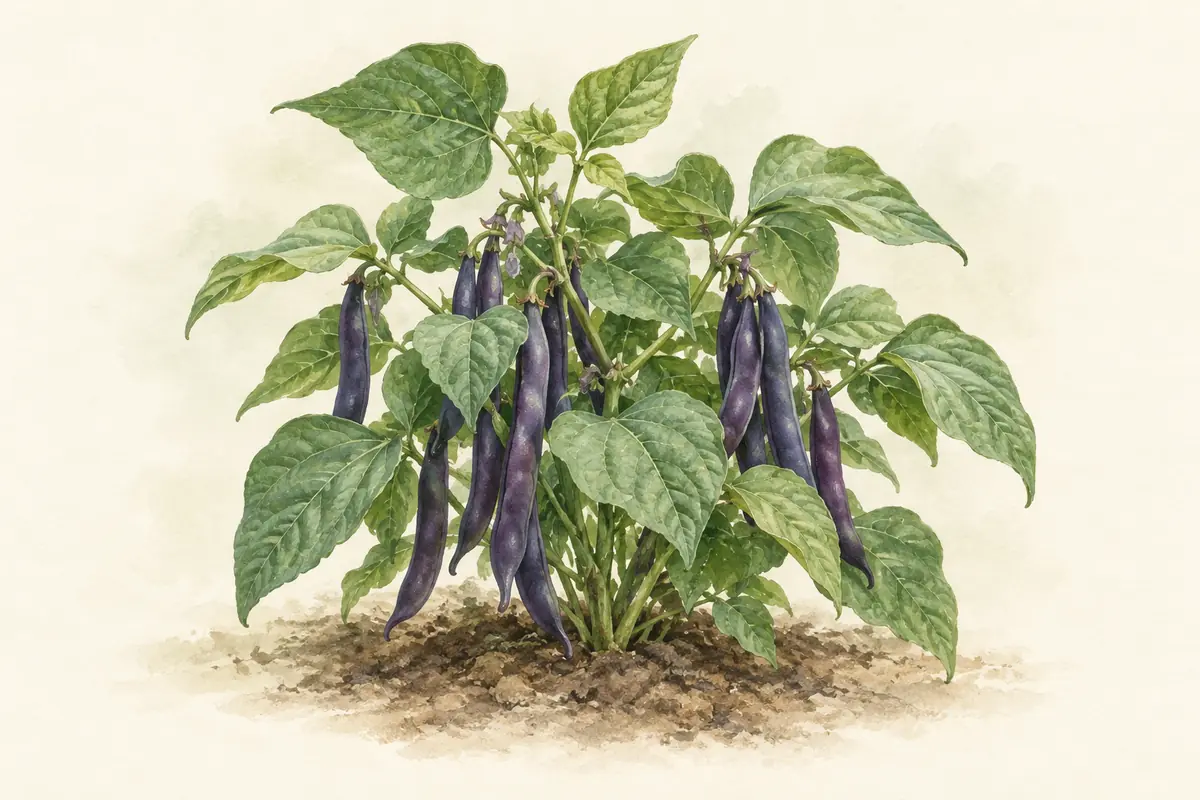
BEAN VARIETY GUIDE
Royal Burgundy Bush Bean Growing Guide
Royal Burgundy is a compact purple-podded snap bean that needs no climbing trellis. Learn when to sow it, how the bush habit changes garden planning, when to harvest, and why the pods turn green when cooked.
Read the guide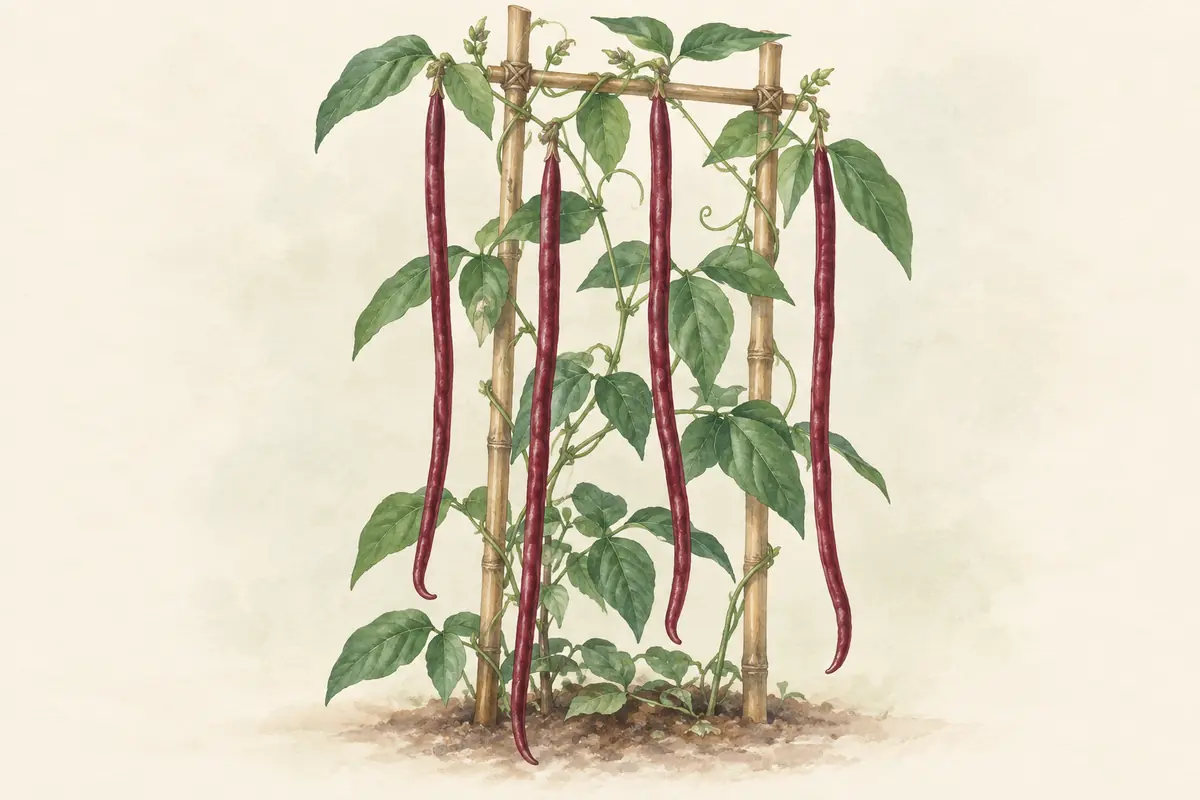
BEAN VARIETY GUIDE
Red Noodle Yard Long Bean Growing Guide
Red Noodle is a heat-loving yardlong bean with vigorous vines and burgundy-red pods. Learn how warm it wants to be, how much trellis to build, when to sow, and how to judge the best harvest stage.
Read the guideFrequently asked questions
How long should I wait before assuming beans failed?
Timing varies with soil temperature and seed condition. If neighboring seeds have emerged and a gap remains, carefully inspect one missing spot rather than waiting blindly.
Can too much water stop beans from germinating?
Yes. Saturated, especially cold, soil can promote seed rot and damping-off problems. Moist is useful; waterlogged is not.
Can beans fail because soil is too cold?
What does seedcorn maggot damage look like?
Seeds may be hollowed or destroyed; larvae are small, pale, legless maggots. Missing emergence plus damaged seed in cool, wet, freshly amended soil is a useful clue. There is no rescue treatment for an already damaged seed.[2]
Sources & further reading
- University of Minnesota Extension Snap bean: Poor or no emergence https://apps.extension.umn.edu/garden/diagnose/plant/vegetable/snapbean/seedlingnoemergence.html
- University of Minnesota Extension Seedcorn maggot https://extension.umn.edu/agriculture/crop-production/soybean/seedcorn-maggot
- University of Missouri Extension Frequently Asked Vegetable Questions https://extension.missouri.edu/publications/g6400
- Utah State University Extension How to Grow Beans in Your Garden https://extension.usu.edu/yardandgarden/research/beans-in-the-garden
- Seed Savers Exchange Growing Guide: Beans https://seedsavers.org/grow-bean/
- University of Florida IFAS Standard Germination Test: normal and abnormal seedlings https://propg.ifas.ufl.edu/04-seeds/02-technology/09-seedstesting-standardgermination.html
Hollowstead Growing Notes
A little help for your next growing season
Practical sowing advice, help choosing seeds, and occasional Hollowstead shop news. Usually one or two emails a month, plus a short welcome note.
Choose your topics and frequency after you confirm. Our guides and planting calendar are always free.