
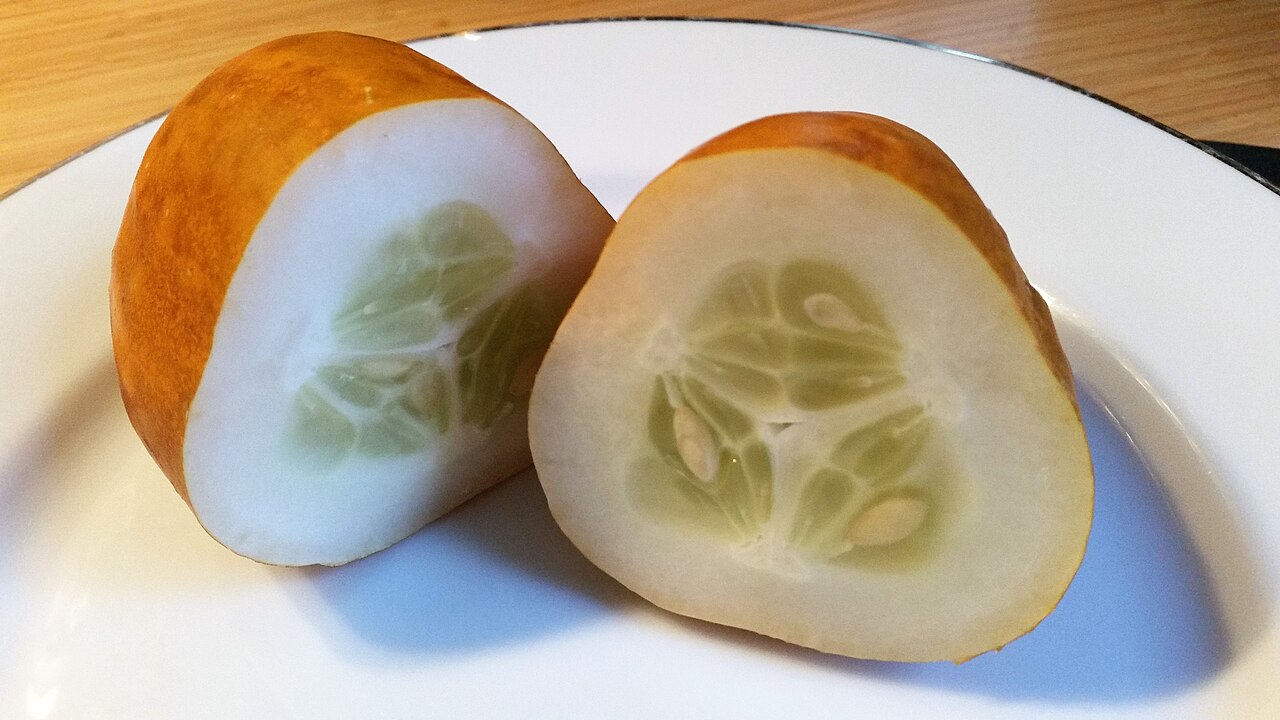
Description
ROUND FRUIT FOR THE SALAD BOWL
A cucumber worth learning to pick.
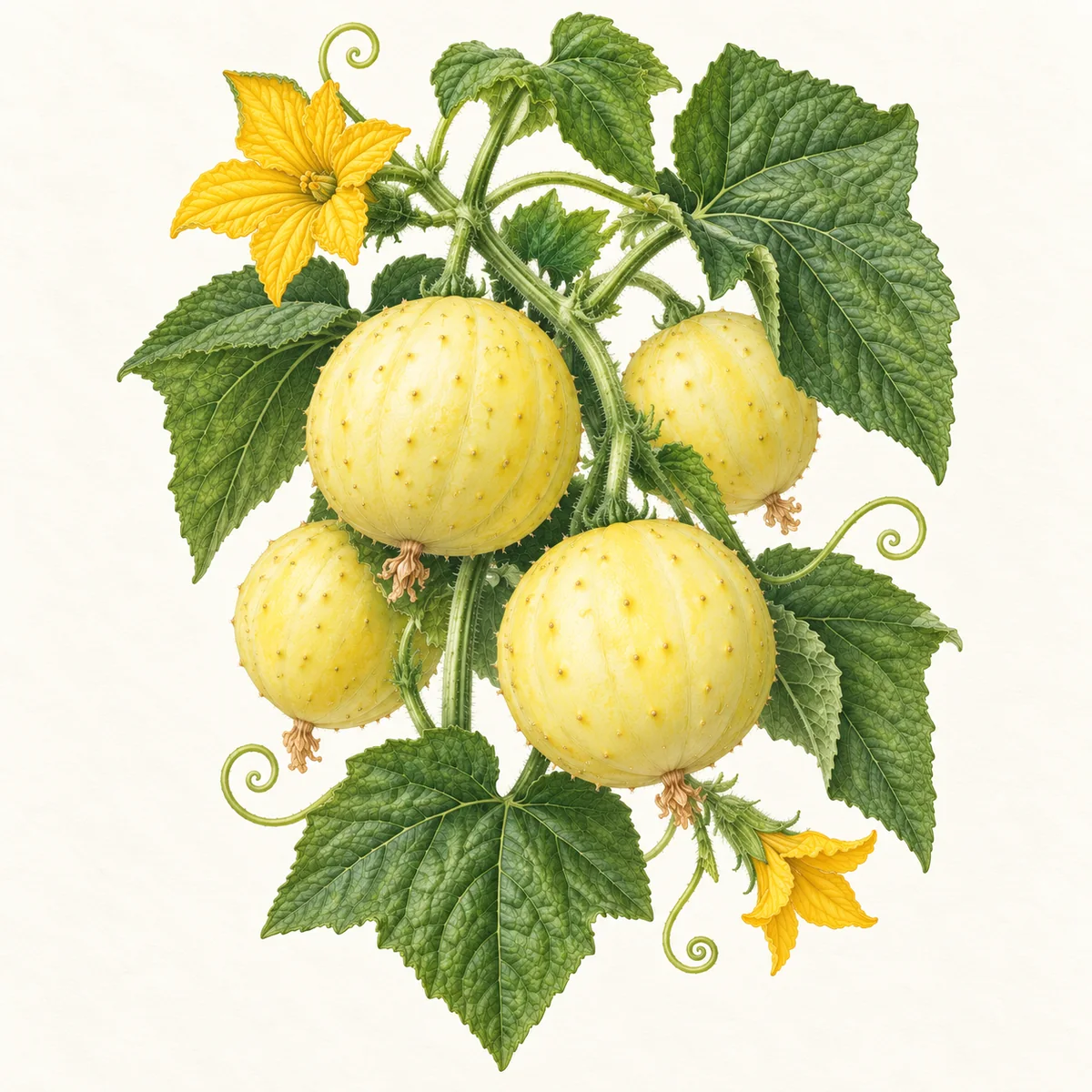
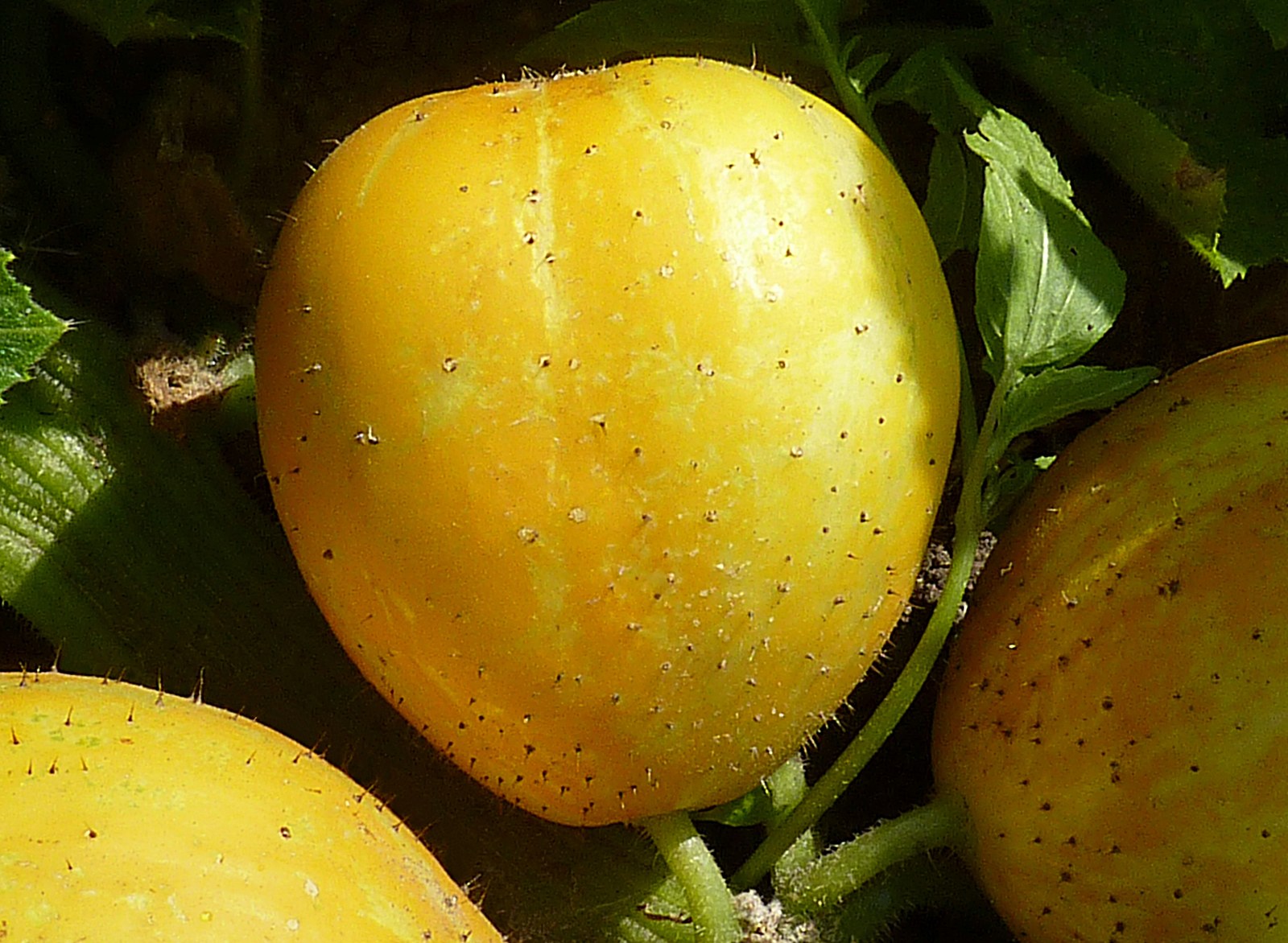
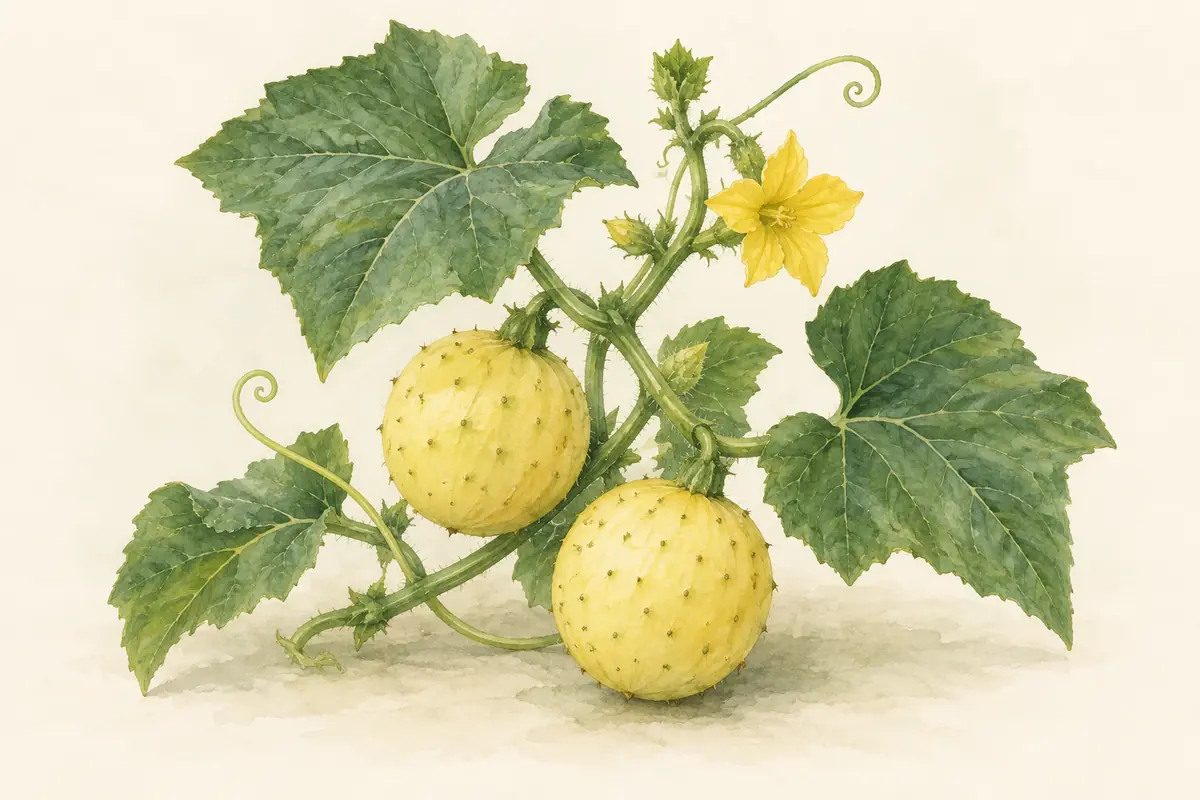
Lemon cucumber is a good fit when you want small, round fruit to slice fresh and can check a summer vine often. The pale-yellow skin gives the harvest its name; expect cucumber flavor rather than citrus. Sample a small pale green fruit for an early tender stage, or pick a firm light-yellow fruit for the main fresh harvest. Deep-gold, seed-heavy fruit is beyond the tender stage. [2] [3]
Choose it for: fresh salads, small pickings, and a distinctive cucumber on a trellis or in a bed with room for spreading vines.
FROM PACKET TO GARDEN
Start warm and give the roots room.
Check soil warmth.
Direct-sow after frost danger when the seed zone is around 70°F. Cold soil slows or prevents a useful start even when the afternoon feels warm. [1]
Sow and thin.
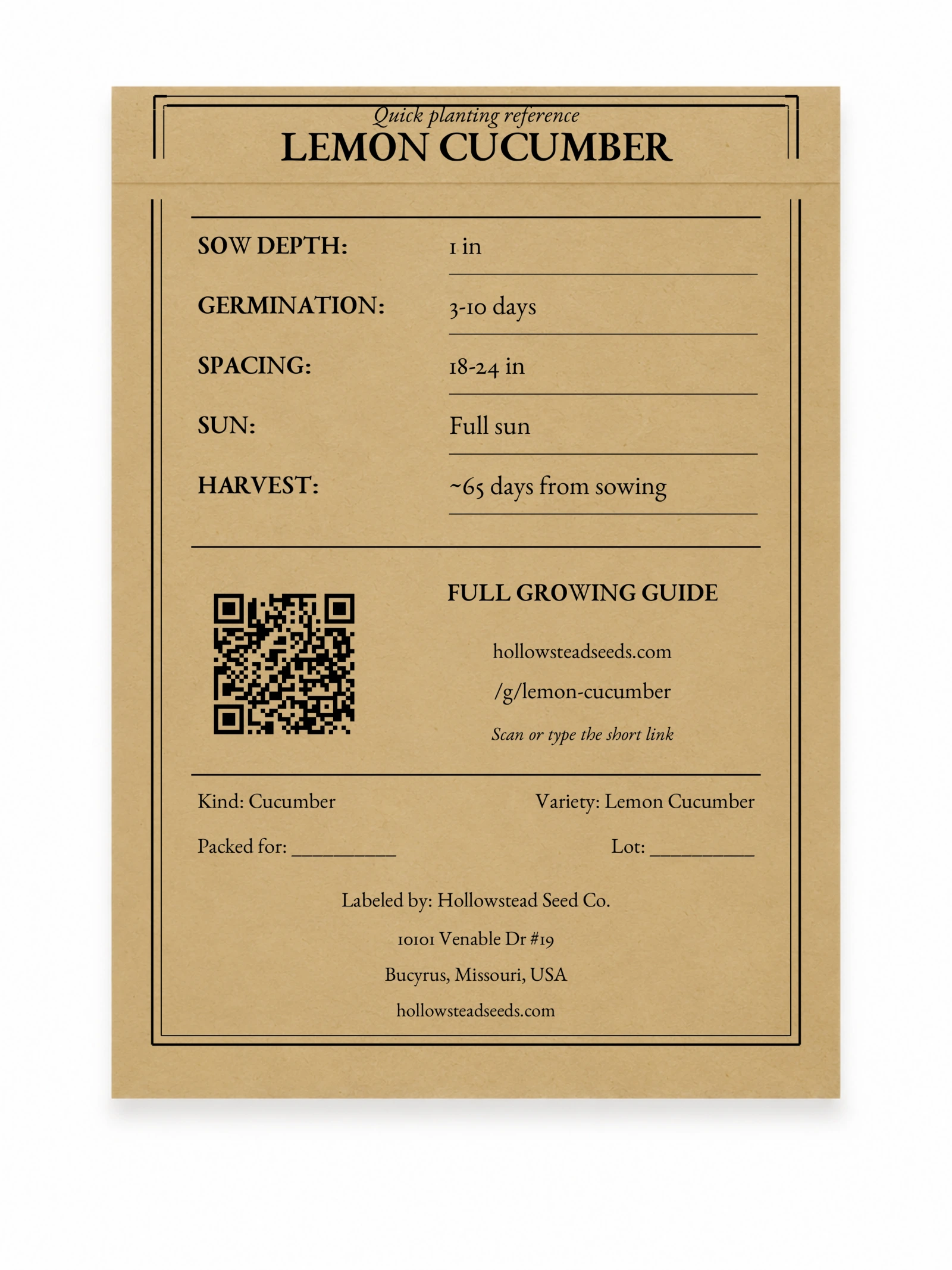
Cover seed with about 1 inch of soil. Allow 18–24 inches between plants, plus room for the trellis or spreading vines.
Set up easy watering.
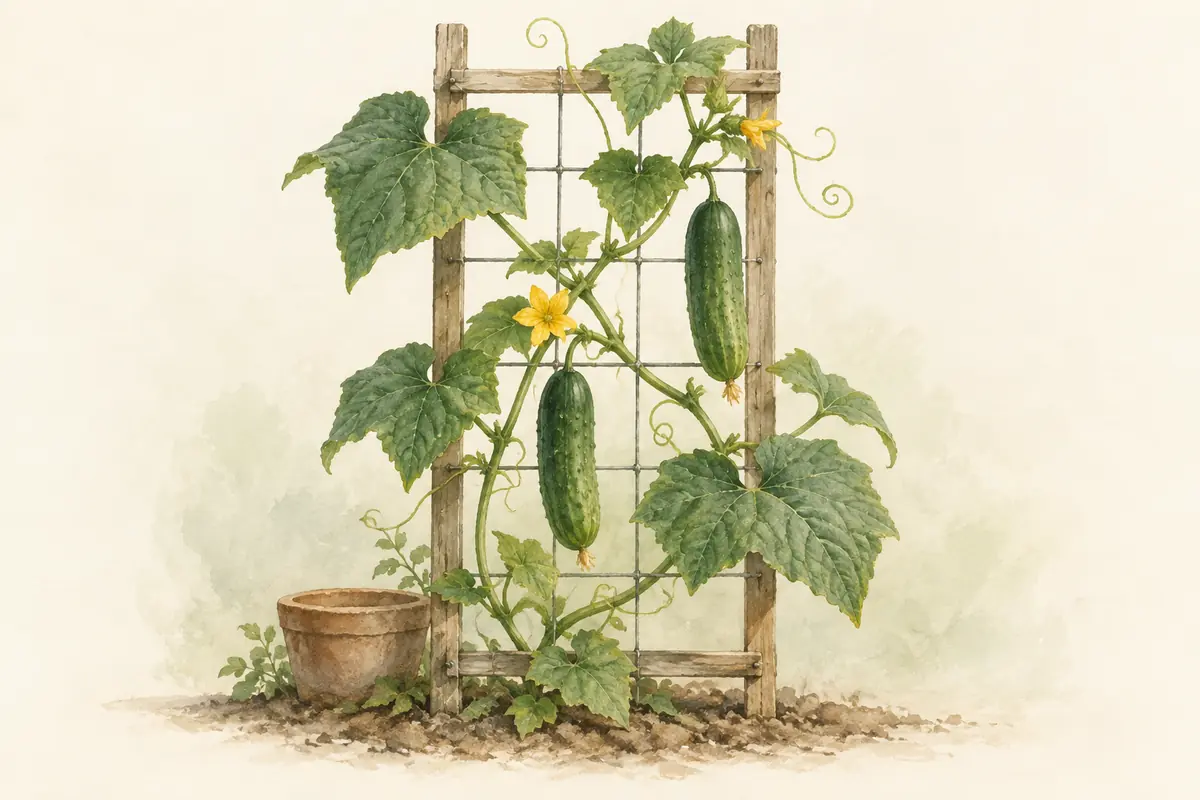
Install support and a way to water the root zone while plants are small. Thin extras by cutting at soil level rather than pulling through neighboring roots. [4]
About 65 days from sowing is the current first-harvest planning estimate. Temperature, establishment, and pollination affect the date.
SMALL DECISIONS, BETTER HARVESTS
Practical growing tips.
Start checking while fruit is small.
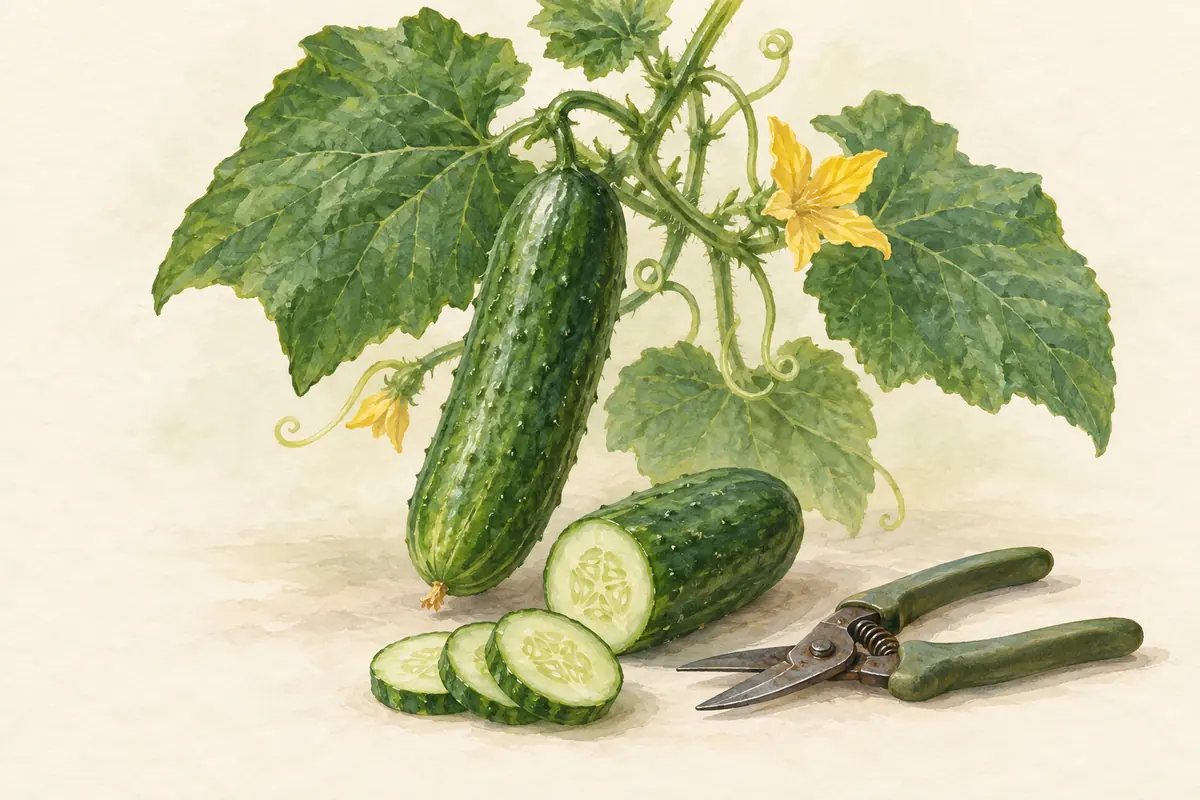
Johnny’s recommends picking Lemon at about 1½–2½ inches across. Use that as a check-in range: firm, pale-to-light-yellow skin and tender seeds matter more than maximum size. [3]
Open the flowers to pollinators.
If you use a row cover to protect seedlings, remove it when flowering begins. Female blooms have a tiny cucumber at the base; they need pollen to develop normally. [1]
Adjust water as the canopy grows.
Feel below the surface, especially in containers or on a windy trellis. Keep the root zone moist and water the soil, not the foliage; fruiting plants need reliable moisture. [4]
Keep the indoor head start short.
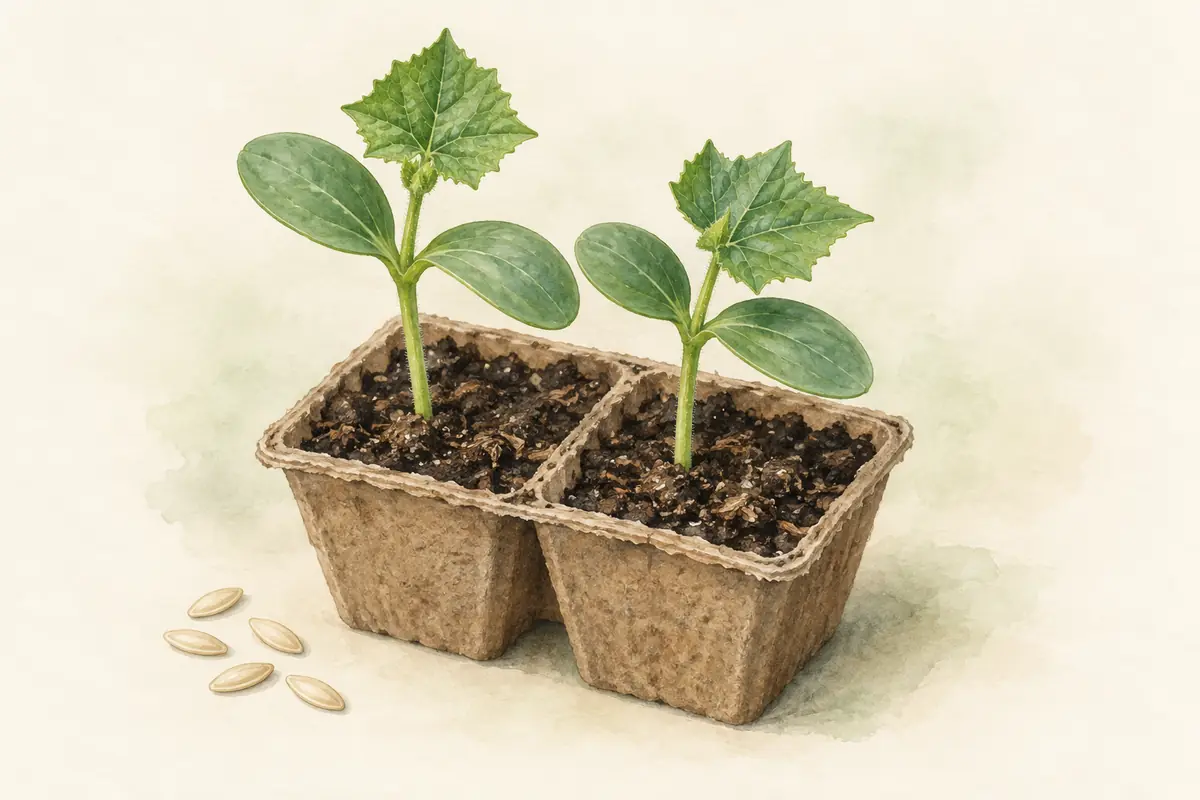
Start only about 3–4 weeks before planting out. Move a young seedling with its root ball intact; a large, crowded transplant is harder to establish. [1]
FIT THE CROP TO YOUR GARDEN
Choose the cucumber harvest you want.
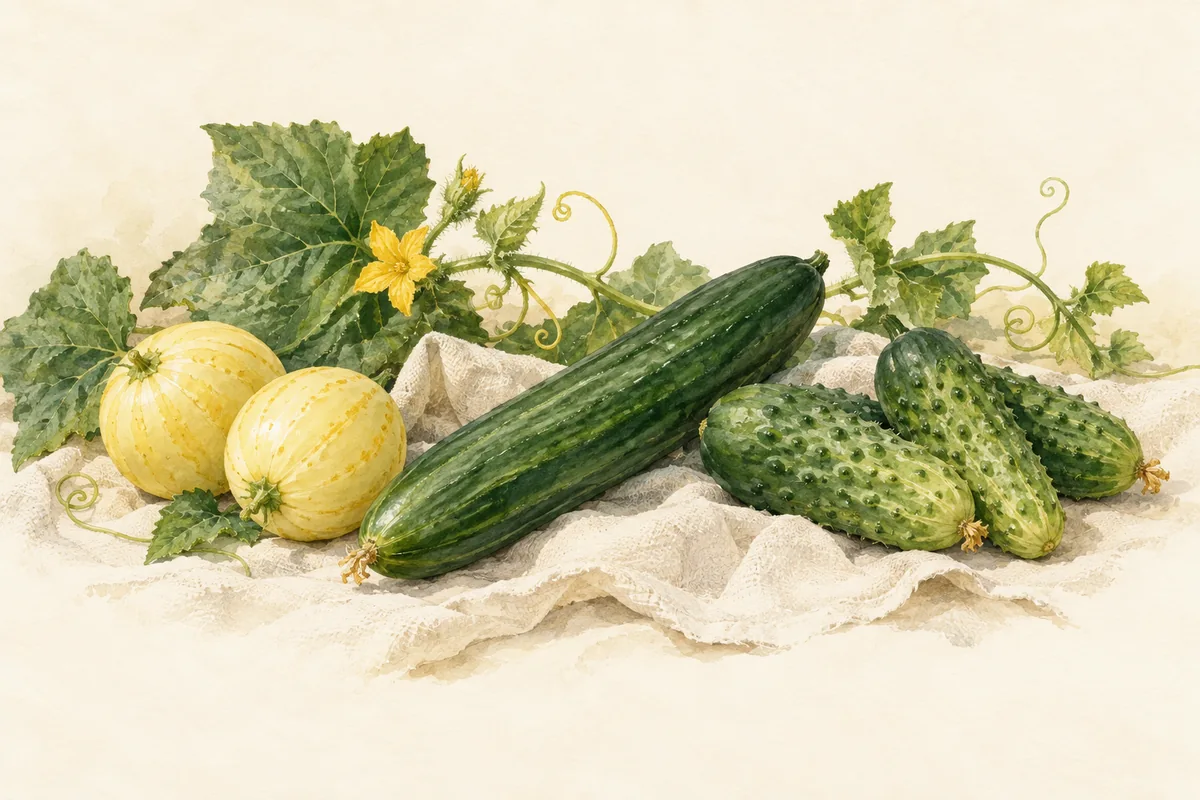
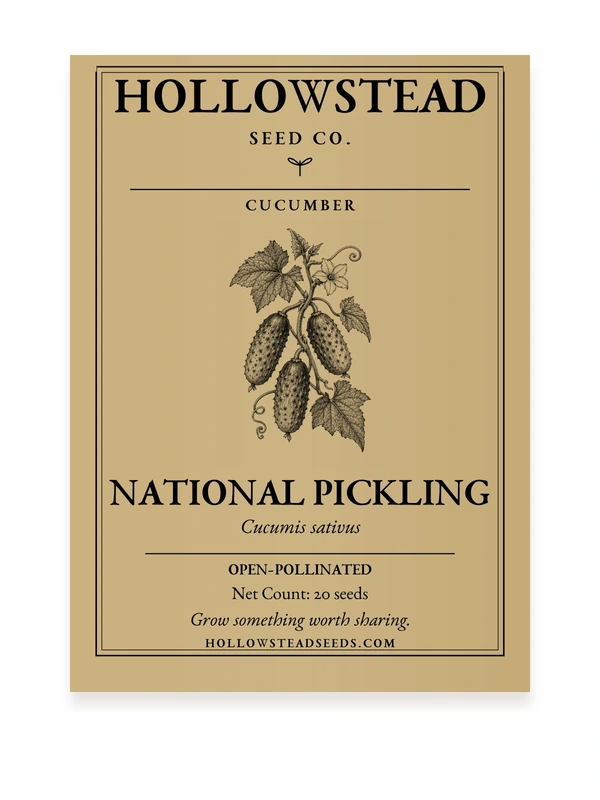
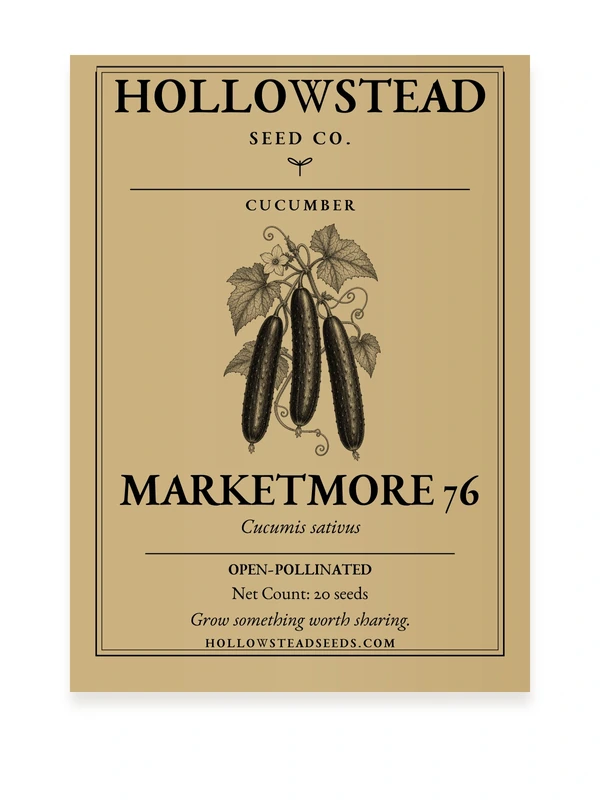
Lemon cucumber is the choice for fresh slices when you can supply vine space and frequent picking. For long green slices, compare Marketmore 76; for smaller fruit picked to a recipe size, compare National Pickling. The three-variety cucumber comparison explains their harvest cues and shared vine needs. Add Mammoth Long Island Dill if cucumber salads and dill-flavored preparations are part of your kitchen plan; give each crop its own growing space.
A FEW THINGS WORTH KNOWING
Before you plant.
Are yellow fruits necessarily overripe?
Can one plant set fruit?
Yes. A standard cucumber carries male and female flowers on the same plant. It still needs pollen moved between them, usually by bees; an enclosed growing space needs a pollination plan. [1]
Does it taste like lemon?
No. The name describes the round yellow appearance. It is a garden cucumber, not a citrus cross.
MAKE ROOM FOR THE HARVEST
Plan your planting.
Start with the number of vines you can reach, water, and keep picked. Leave room to inspect both sides of a trellis; hidden overmature fruit can slow the supply of younger cucumbers. [1]
Read the Lemon Cucumber growing guide for a harvest-stage table, pollination checks, troubleshooting, and attributed grower observations.
Packet quantity is a seed count, not a guaranteed plant count. Dates and spacing are planning guides; weather, site, and care shape the crop.
Growing references
Growing guidance draws on the references below. Adjust planting to your local frost risk, soil, and growing conditions. Reviewed September 24, 2026.


Reviews
THIS PATCH IS JUST GETTING STARTED
Your garden could start the conversation.
No published reviews for this variety yet. Once you have tried these seeds, your experience can help another gardener decide what to plant.
A few honest details are worth more than a perfect growing season.