
CUCUMBER VARIETY GUIDE
Lemon Cucumber Growing Guide
Lemon Cucumber produces round fruit that ripens from pale green toward lemon yellow. Learn sowing, spacing, vine support, pollination, watering, and the best harvest stage.
CucumbersVariety guideBeginner → advanced
Published by Hollowstead Seed Co. · How this guide is prepared
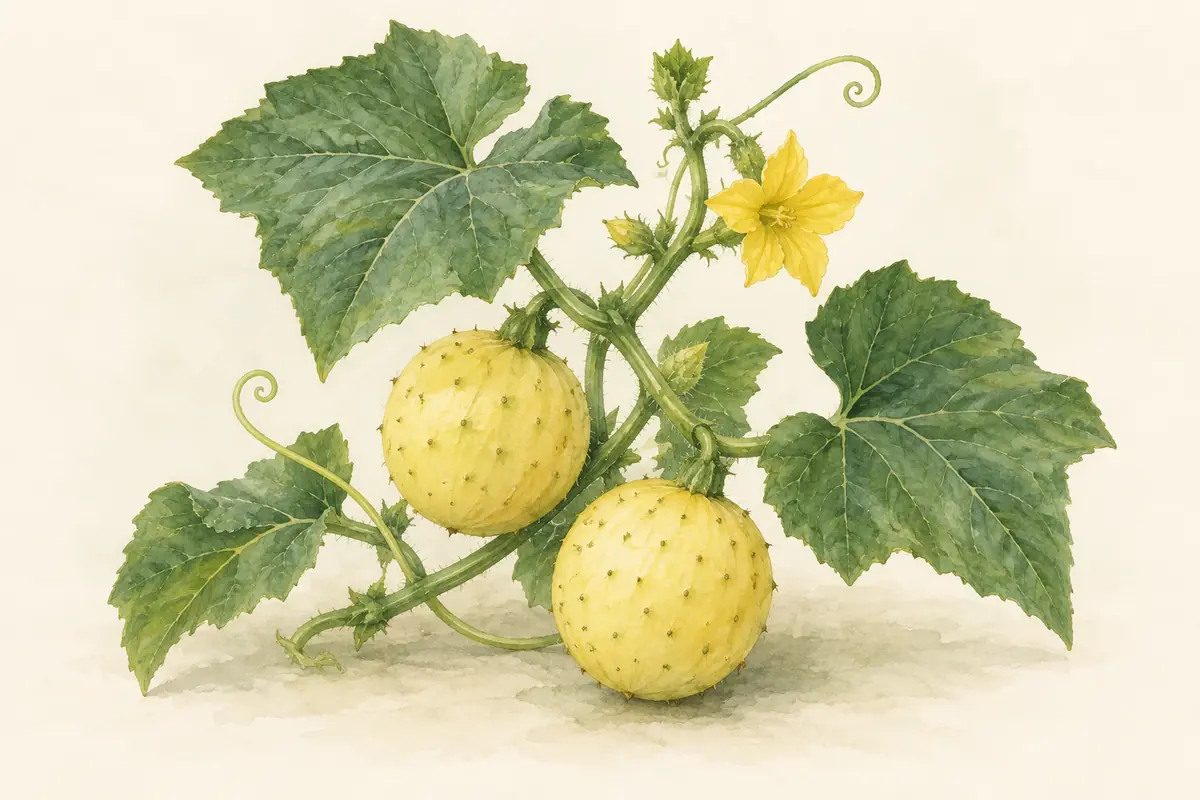
Quick answer
Lemon Cucumber is a vining salad cucumber whose best eating stage is easy to overshoot. Choose it for firm, round fruit with tender seeds and pale-yellow skin, then keep the vine picked. Hollowstead’s packet lists about 65 days from sowing, full sun, and 18–24 inches between plants.
Treat it like other warm-season cucumbers: plant after frost danger, keep moisture steady, give the vines room or support, and harvest while the fruit is firm and lightly yellow rather than waiting for deep yellow, oversized fruit.[1][2]
The short version: give Lemon Cucumber warmth, vine space, pollination, and frequent picking; harvest at the firm pale-to-light-yellow stage.
Lemon Cucumber at a glance
| Question | Useful starting point |
|---|---|
| Botanical name | Cucumis sativus |
| Days to harvest | About 65 from sowing |
| Habit | Vining cucumber |
| Light | Full sun |
| Spacing | About 18–24 inches |
| Support | Optional; useful for keeping vines organized |
| Best harvest cue | Round, firm fruit turning pale to lemon yellow |
| Packet | 20 seeds |
- Warm startDirect sow into warm soil or transplant only young seedlings with an intact root ball.
- Build the vineGive the vigorous plant room or a trellis and keep the root zone evenly moist.
- Open the flowersProtect bee access once female blossoms appear unless you are deliberately hand-pollinating.
- Pick pale yellowHarvest while fruits are firm and lightly yellow for the best fresh-eating texture.
- Keep pickingDo not let hidden fruits become oversized and seed-heavy if your goal is continued kitchen harvest.
- Reserve seed fruitLeave selected fruit far beyond table ripeness only when you are intentionally saving seed.
SAVE FOR SOWING DAY
Five-step crop plan for Lemon Cucumber
Open the sow-to-harvest plan
- StartDirect sow after frost in warm soil (around 70°F seed zone); Hollowstead uses about 1 inch depth. Guide details
- PlantThin to 18–24 inches along a bed or anchored trellis; an optional indoor start should remain short, about 3–4 weeks before planting out. Guide details
- MaintainKeep root-zone moisture steady as flowers and fruit develop; keep pollinator access open when covers come off. Guide details
- HarvestTaste an early small pale fruit if desired; the usual fresh target is firm and pale-to-light yellow with tender seeds, before deep-gold overmaturity. Guide details
- Next sowing or seedReserve a separate marked fruit to mature for seed; other flowering Cucumis sativus types can cross, so plan controlled pollination for varietal identity. Guide details
- Space
- Vining plant: 18–24 inches between plants with ground space or an anchored support and picking access.
- Timing
- Packet lists about 65 days from sowing; fruit stage, warmth and pollination govern actual harvest.
Full growing guidehttps://hollowsteadseeds.com/lemon-cucumber-growing-guide/Seed packethttps://hollowsteadseeds.com/product/lemon-cucumber-seeds/Find planting dates by ZIP code
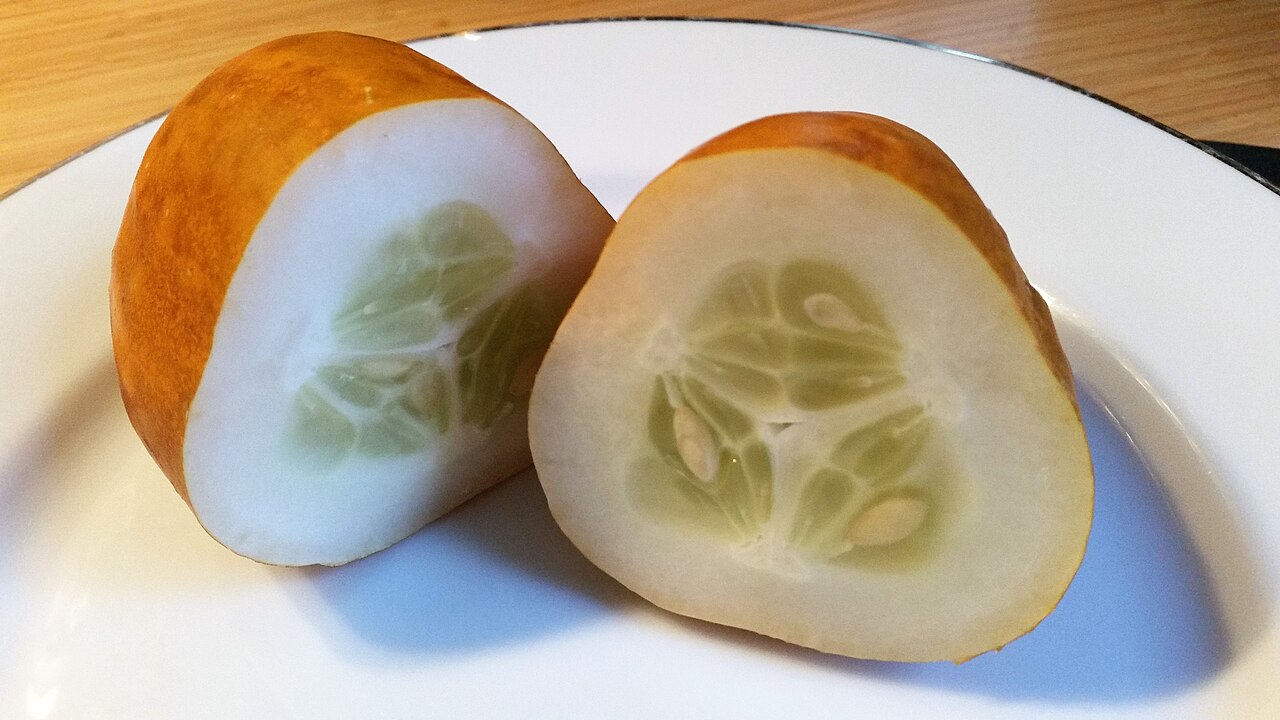
Variety reference photo
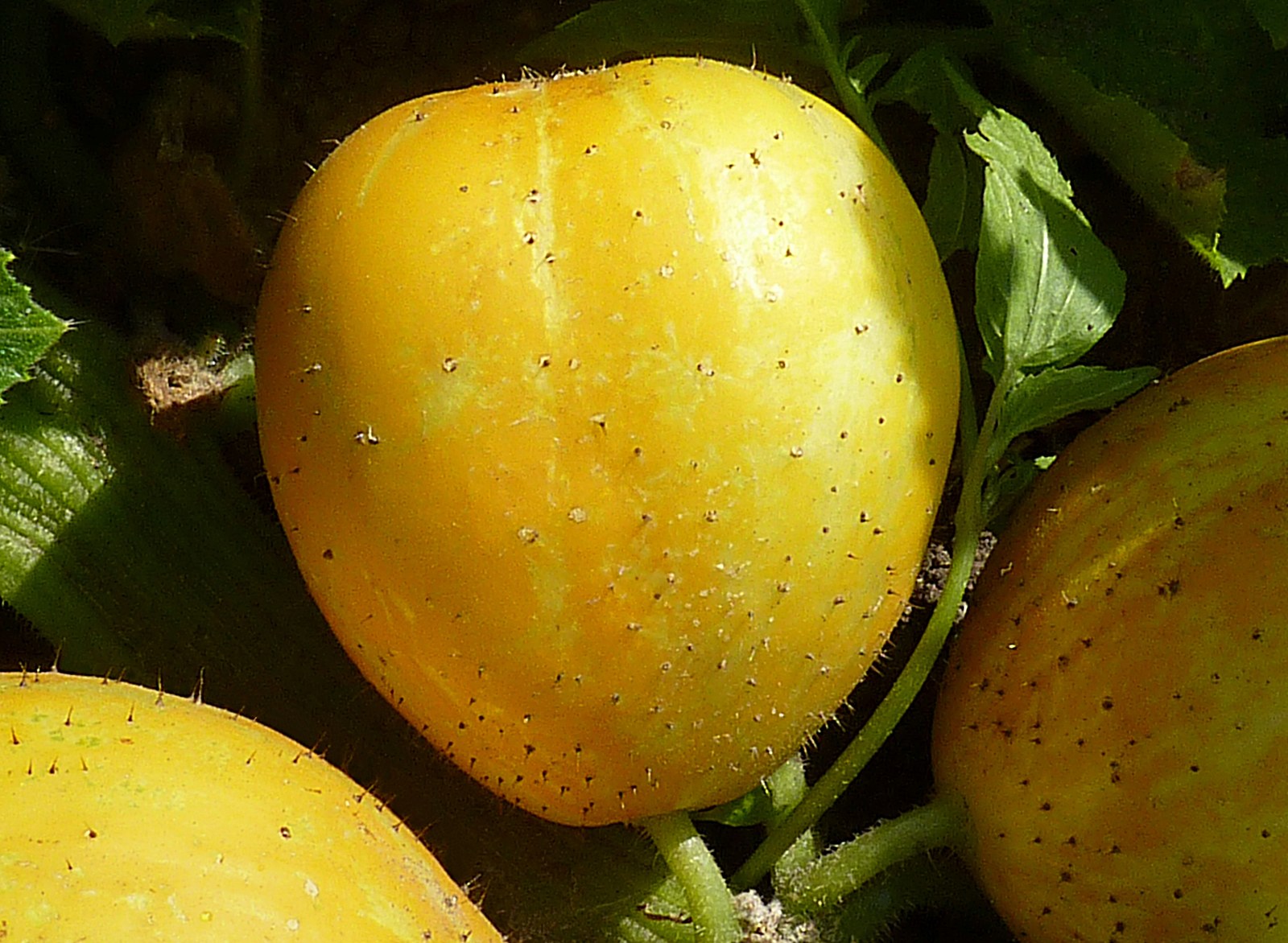
View late-stage Lemon cucumber interior
Plant architecture and trellis strategy
- Crop type
- Open-pollinated vining cucumber
- Fruit
- Cornell describes round fruit about 3–4 inches at full maturity; for fresh eating, choose firm, lightly yellow fruit before the seed cavity enlarges
- Color
- Pale yellow progressing toward golden yellow
- Support
- Trellis optional but useful for access and airflow
- Days to maturity
- About 65–68 days in Cornell’s variety record
Lemon Cucumber is not a citrus-flavored cucumber. The name comes from the fruit’s round shape and yellow mature skin. The plant itself behaves like a vigorous cucumber vine, producing curling tendrils, separate male and female flowers, and fruit along the climbing or sprawling stems.
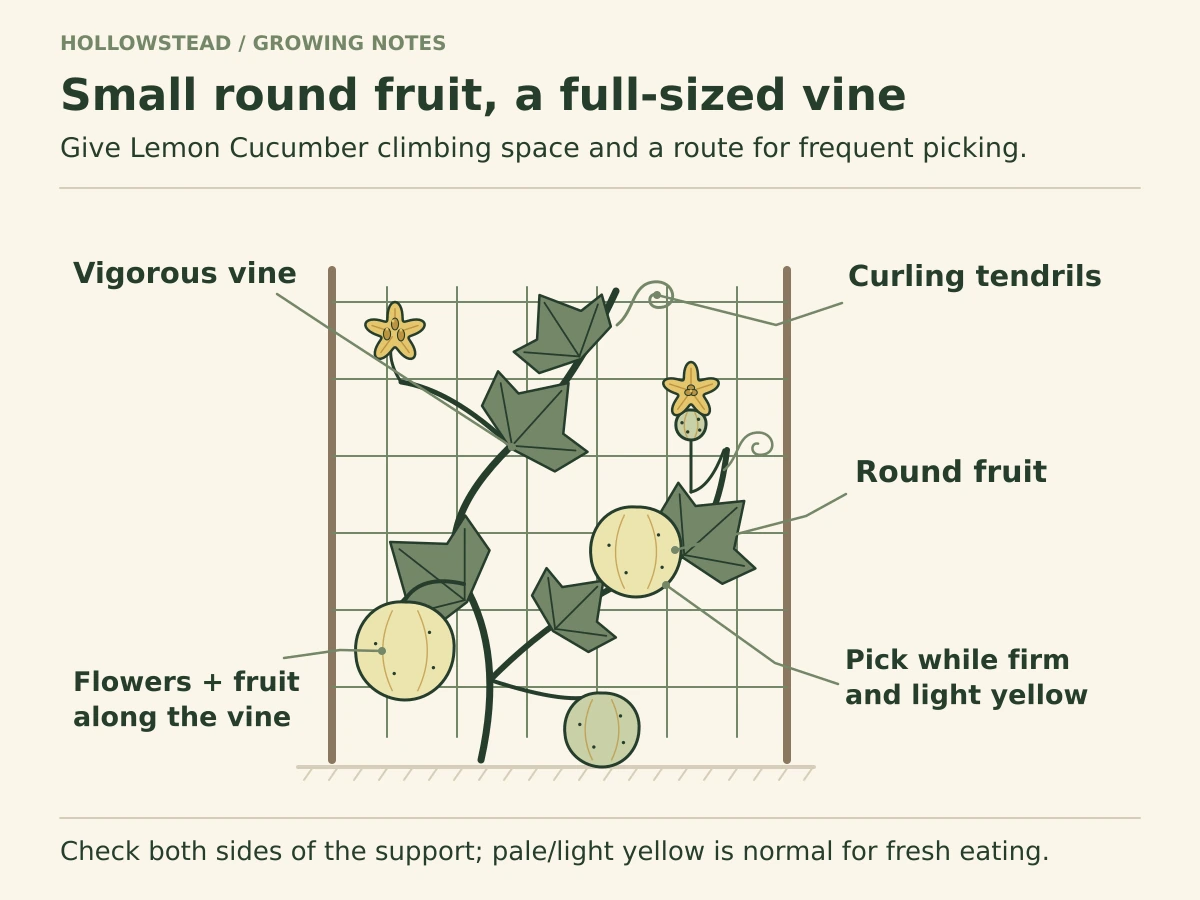 View full-size diagram
Cornell’s Vegetable Varieties for Gardeners database describes Lemon as an open-pollinated, vining cucumber for slicing or pickling, with round fruit that moves from pale yellow toward golden-lemon yellow and a listed maturity window of about 65–68 days.[4] Treat those days as a planning reference, not a countdown clock; soil temperature, transplant stress, heat, pollination, and harvest load all change the calendar.
Use color as a progression, not a binary switch. Pale green is earlier in fruit development, light yellow is a useful fresh-harvest window, and deep golden fruit with enlarging seed cavities is moving toward overmaturity for eating.
Manage the vine around your picking route
Leave a way to look behind the foliage. Guide soft new growth before it weaves through other plants, and inspect both sides of a trellis during harvest. On the ground, keep a clear edge from which to reach fruit without walking on vines. Small round cucumbers can hide even when the ones nearest the path are obvious.
Starting Lemon Cucumber
For direct sowing, wait until frost danger is past and soil is warm. A seed-zone target around 70°F follows Minnesota’s cucumber guidance. General recommendations range from ½–1 inch deep; Hollowstead uses about 1 inch. In suitable warmth, emergence commonly takes 4–10 days, with colder soil slowing the start. [5] [1] [2]
For an indoor start, allow only 3–4 weeks before planting out and keep one final seedling per cell or small pot. Acclimate it gradually, then plant with a few true leaves and an intact root ball before the roots become crowded. Keep the original planting depth and avoid teasing roots apart. [2] [5]
| Stage | Check | Action |
|---|---|---|
| Seedlings establish | Crowding and whether outdoor conditions are warm enough. | Thin by cutting extras at soil level. Protect a young plant from cold, and make sure any cover can be removed at flowering. |
| Tendrils begin reaching | Where the next growth will go. | Guide it toward the support now; leave the root zone and picking path accessible. |
| First flowers open | Which flowers have a tiny cucumber at the base. | Make a pollination plan and remove insect-excluding covers. Male flowers opening first is normal. |
| Fruit begins enlarging | Firmness, color, and seeds in a sample fruit. | Start frequent picking checks before every fruit looks like a deep-yellow lemon. |
The establishment and pollination steps draw on Maryland and Minnesota’s home-garden guidance. [3] [1]
Spacing and support
Give each plant about 18–24 inches along its own section of bed or support. A trellis can reclaim ground space and make round fruit easier to spot, but anchor it before the canopy fills out. Train young tendrils through mesh or onto string gently; a tangled mature vine is much harder to reposition.
In a windy site, a lower, braced structure may be easier to manage than a tall narrow frame. Illinois notes that wind can make vertical cucumber growing difficult. [2] If vines run along the ground, protect their area from foot traffic. For structure options, see How to Trellis Cucumbers.
Flowers and pollination
One Lemon plant can carry both male and female flowers. A male flower sits on a slender stem; a female flower has a tiny cucumber behind the petals. Male flowers often open first, so several flowers falling without fruit can be normal early in the season. [1]
Once female flowers appear, bees need access to them and to the male flowers supplying pollen. Remove insect-excluding covers at flowering, and avoid insecticide applications to open blossoms. Poor bee activity during cold, rainy weather can leave tiny fruit stalled, misshapen, or dropping. [3]
If the vine flowers under cover or female flowers repeatedly fail, try hand-pollinating a few newly open flowers and label them to compare with the rest. Check water and recent heat as well; a flower problem is not automatically a fertilizer problem. The cucumber pollination guide explains the flower check and hand-pollination method.
Water and fertility
Keep moisture steady as flowers set and fruit fills. Check below the dry surface and water deeply enough to wet the active root zone, then let excess water drain. A large trellised canopy, sandy bed, or container may need attention sooner than a sheltered, moisture-retentive garden bed. Water the soil to limit wet foliage. [1] [3]
Add organic mulch after the soil has warmed; applying it over a cold spring bed can slow warming. Base fertility on the soil’s condition and local guidance. A plant with enough nutrients still needs warmth, light, moisture, and pollination to turn flowers into cucumbers. [1]
Use each picking visit to scout
Look at the growing tip, leaf undersides, and base of the vine while checking fruit. Chewed leaves or flowers may point to cucumber beetles; powdery white growth, angular leaf spots, and distorted new growth call for different checks. The troubleshooting table starts with what you can observe. [7]
Harvest color and overmaturity
For fresh eating, aim for firm fruit with pale-to-light-yellow skin and tender seeds. Johnny’s recommends picking Lemon at about 1½–2½ inches in diameter; Cornell’s larger 3–4-inch description refers to full maturity, not a requirement for a salad cucumber. [6] [4]
| Fruit stage | What to do | What it means |
|---|---|---|
| Small, pale green or cream; firm with tiny seeds | Try one if you enjoy especially young cucumbers. | This is an earlier picking choice. You do not have to wait for saturated yellow color. |
| Pale-to-light yellow; firm flesh and tender seeds | Pick for fresh eating and keep checking the vine. | This is the main target. Yellow skin is normal for Lemon. |
| Deep gold; larger, tougher seeds or declining texture | Remove from the eating crop and shorten the picking interval. | The fruit has passed its best salad stage, even if it is attractive. |
| Deliberately reserved seed fruit; fully mature and softening | Keep its parent label and follow the seed-saving method. | The first pale-yellow eating stage is too early for mature seed. |
Check a sample by cutting it across the middle. If the seed cavity is becoming coarse, pick the next fruit earlier. Napa Master Gardener participants preferred younger Lemon fruit in their own gardens; treat that as a preference to test rather than a universal flavor verdict. [6] [8] Generic advice to reject every yellow cucumber does not fit this variety.
Lemon Cucumber: make the next picking decision
- Cut a representative fruit across the middle and inspect its seed size and texture; use it as your next picking reference.
- Check behind leaves on each harvest round so hidden fruit does not keep growing unnoticed.
- Label seed-saving fruit separately and follow the seed-saving method through full maturity and softening before extraction.
Growing Lemon Cucumber in containers
A practical home setup is one plant in a 10–15-gallon container, about 16 inches deep or more, with clear drainage holes. Sow two seeds and thin to one. This gives a more forgiving water reserve than the general container guide’s five-gallon minimum; it is a generous setup recommendation, not a tested universal requirement.
Anchor a reachable 5–6-foot trellis separately so wind on the vine cannot tip the pot. As the canopy fills out, check moisture daily in hot or windy weather. Water the root ball thoroughly and let it drain; if water runs out immediately while the mix remains dry inside, apply it slowly in more than one pass. See Growing Cucumbers in Containers for the full setup.
Saving Lemon Cucumber seed
Lemon is open-pollinated, but insects can cross it with another flowering Cucumis sativus variety. Seed Savers recommends 800 feet to ½ mile of separation for distance isolation. In a small garden, controlled pollination is often the more practical choice: protect unopened male and female flowers, hand-pollinate from the intended Lemon line, re-cover the female until its flower wilts, and label the fruit. The complete cucumber seed-saving method covers that process. [5]
Select seed parents before the fruit is mature
Mark healthy, representative plants while they are still producing. For maintaining the variety over time, save from 5–10 plants if possible; one plant preserves a narrower sample. Record original supplier/lot, parent labels, timing, fruit shape, color progression, productivity, and plant health. Select deliberately rather than saving only whatever remains at the end. [5]
Leave marked fruit well beyond the eating stage, to mature color and softening. Seed Savers advises waiting several weeks after the mature color change before extraction; Lemon’s first pale-yellow eating color is too early. Leave fruit on healthy plants when weather permits, or finish holding physiologically mature fruit under cover until it softens. Scoop out the seed and pulp, follow the wet-processing/fermentation method, and dry the cleaned seed thoroughly before storage. [5]
Mark the seed fruit. A label prevents a reserved cucumber from being picked for lunch or mistaken for a missed harvest. Keep eating fruit and seed fruit on separate schedules.
Using the harvest
Slice small, tender fruit into salads, chop it with herbs, or serve it with salt and a light dressing. The round shape makes attractive slices, but many small fruits take longer to prepare than one long cucumber. If the skin or seed cavity is coarser than you like, adjust the next picking earlier instead of making deep-yellow color the goal.
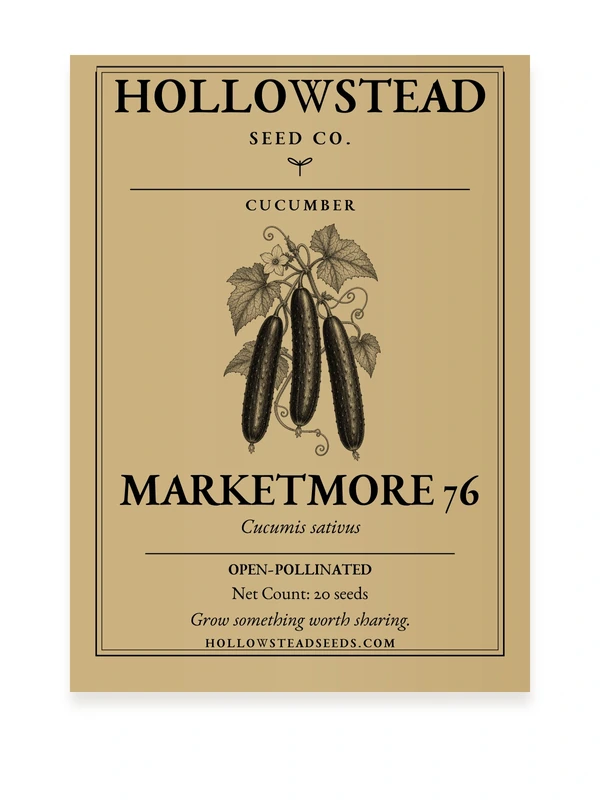
If you prefer longer slices, the Marketmore 76 guide covers a dark-green slicer. For small fruit harvested to fit a pickle recipe, use the National Pickling guide. Compare all three in choosing cucumber varieties; none of these choices removes the need for vine space and frequent picking.
For a kitchen pairing from the collection, Mammoth Long Island Dill supplies a familiar cucumber-season flavor. If you are choosing a crop for a bed with no room for a vine, compare the compact habit of Royal Burgundy bush bean; it fills a different role at dinner, but asks less of your vertical space.
When the crop stalls
| What you see | Check first | Next action |
|---|---|---|
| Flowers fall without tiny cucumbers | Are these male flowers on slender stems? | Wait for female flowers with a small ovary at the base; early male blossom drop is normal. |
| Tiny fruit stalls, yellows, or falls | Bee access, recent cool/rainy or very hot weather, and soil moisture. | Open covers to pollinators and correct dry swings. Hand-pollinate a few marked flowers to compare outcomes. |
| Fruit becomes deep gold and seedy | Hidden fruit and time between visits. | Pick more frequently and inspect both sides of the support. Judge the next fruit by seeds and firmness as well as color. |
| Wilt continues while the root zone is moist | Whether it begins on one stem, plus beetle damage or stem/root injury. | Do not keep soaking an already wet bed. Compare with the Extension wilt guide and seek a diagnosis. |
| White powder, angular spots, or mottled new leaves | Both leaf surfaces and whether the pattern spreads to new growth. | Use the Extension picture key to distinguish mildew, leaf spots, and possible virus symptoms before choosing a response. |
Flower and fruit-set checks follow Minnesota and Maryland guidance; the leaf and wilt checks link to Maryland’s illustrated problem key. [1] [3] [7]
Store for the next meals
Cut fruit while holding the vine, cool promptly, and refrigerate in a perforated bag for short storage—about a week is a practical limit. Wash before use. Use a tested pickling recipe for longer storage; unusual fruit shape does not change the required vinegar strength or processing method. See harvest and storage.
GROW THIS CUCUMBER
Put the guide to work.
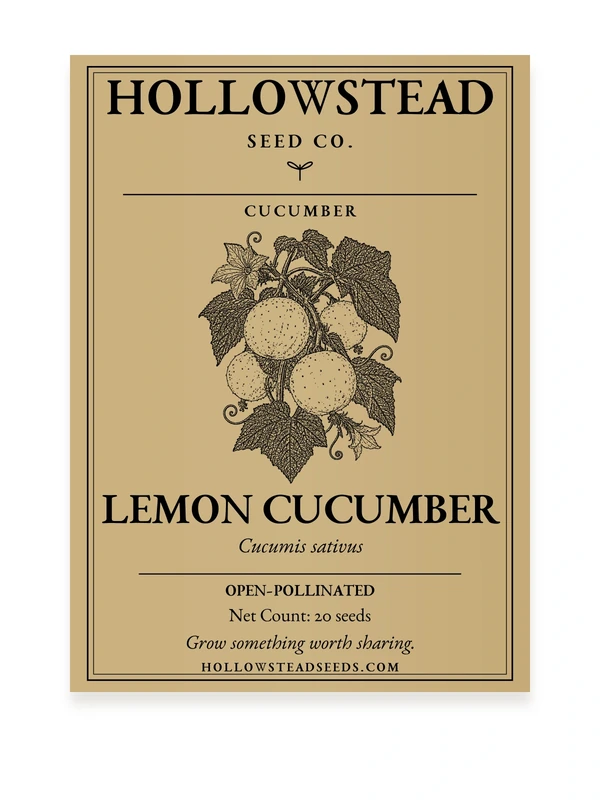
Lemon Cucumber is the variety this guide is written around; the product page carries the packet details and current availability.
Read Our Story for our seed-sourcing approach, or ask about the offered lot.
HOLLOWSTEAD SEED
Marketmore 76 Cucumber Seeds
$3.99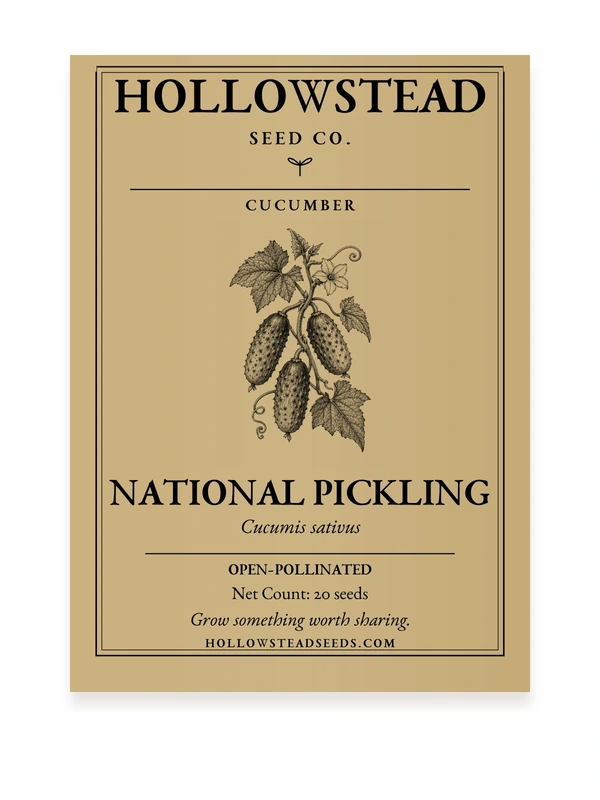
HOLLOWSTEAD SEED
National Pickling Cucumber Seeds
$3.99KEEP LEARNING
Sourced grower observations
A Cornell citizen-science review by DavidH describes a mid-June direct sowing in western New York, a vine that topped a three-foot trellis in roughly six weeks, and snacking harvests after that; another reviewer, chaisme in Maine, described four vines filling a five-by-six-foot trellis. Give this vining cucumber a real support or ground space rather than planning around the round fruit’s small footprint.
In a Napa County Master Gardener trial, several growers found Lemon fruit seedy when left too large and preferred younger fruit. The trial compared three cucumber types in participants’ own gardens, with varied spacing and conditions. Its practical lesson is to try younger fruit before deciding how much you like Lemon’s texture; its preferences and harvests are observations from those gardens, not Hollowstead trial results. [8]
Related Hollowstead guides
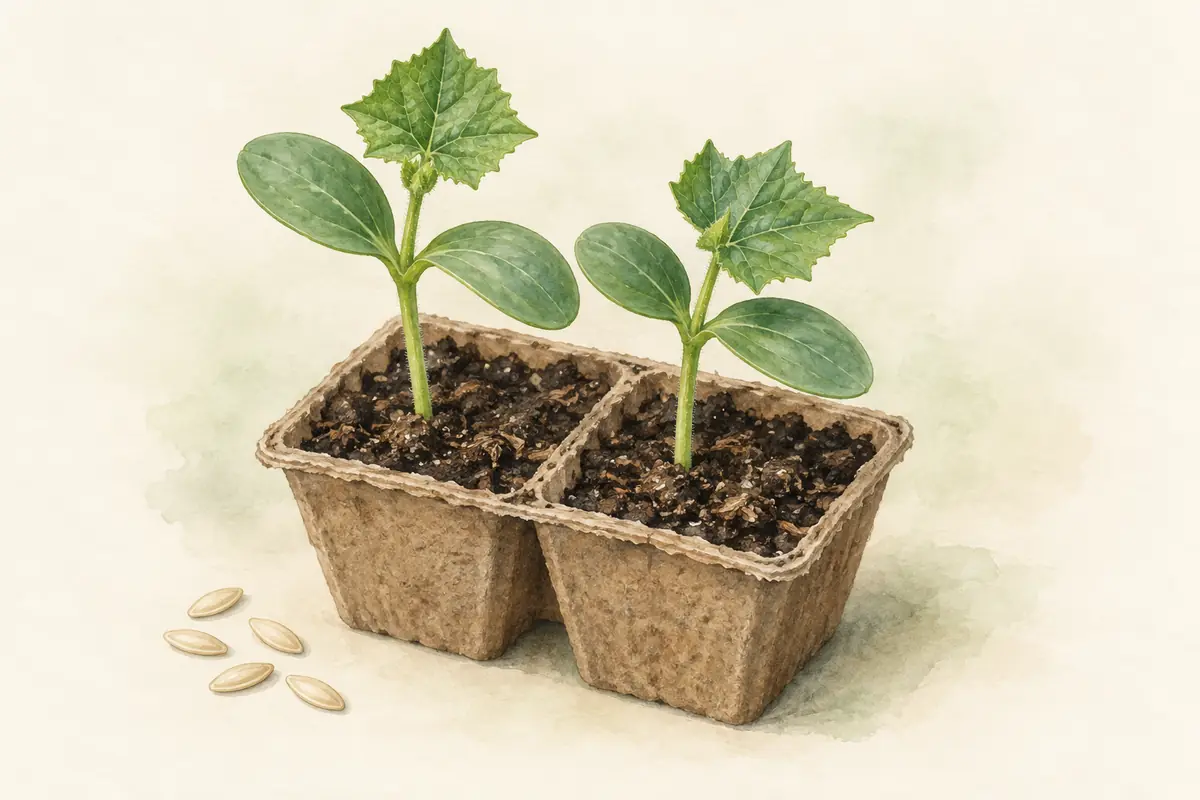
CUCUMBER SEED STARTING
Growing Cucumbers From Seed: The Complete Guide
Grow cucumbers from seed with warm-soil timing, direct sowing or careful transplanting, steady moisture, trellising, pollination, and frequent harvest.
Read the guide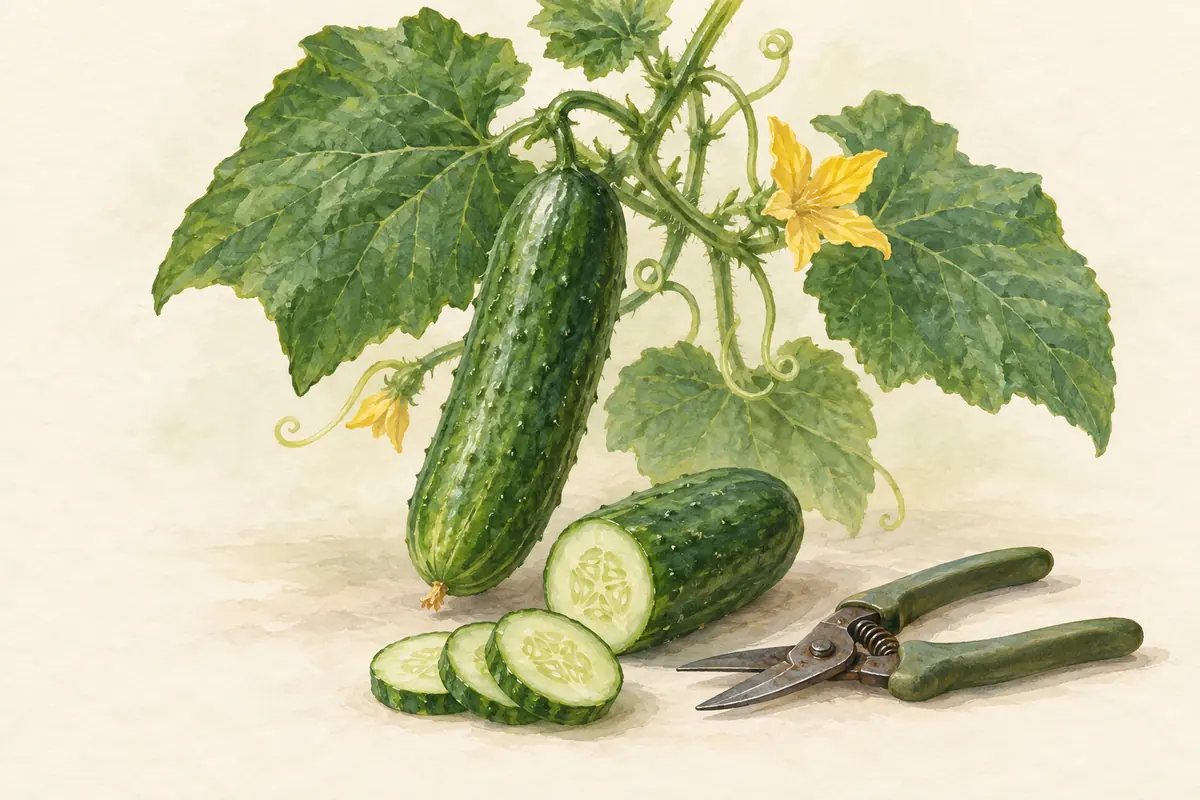
HARVEST GUIDE
When and How to Harvest Cucumbers
Cucumbers move from perfect to overgrown quickly. Learn how size, color, firmness, variety, picking frequency, and gentle harvest technique tell you when fruit is ready.
Read the guide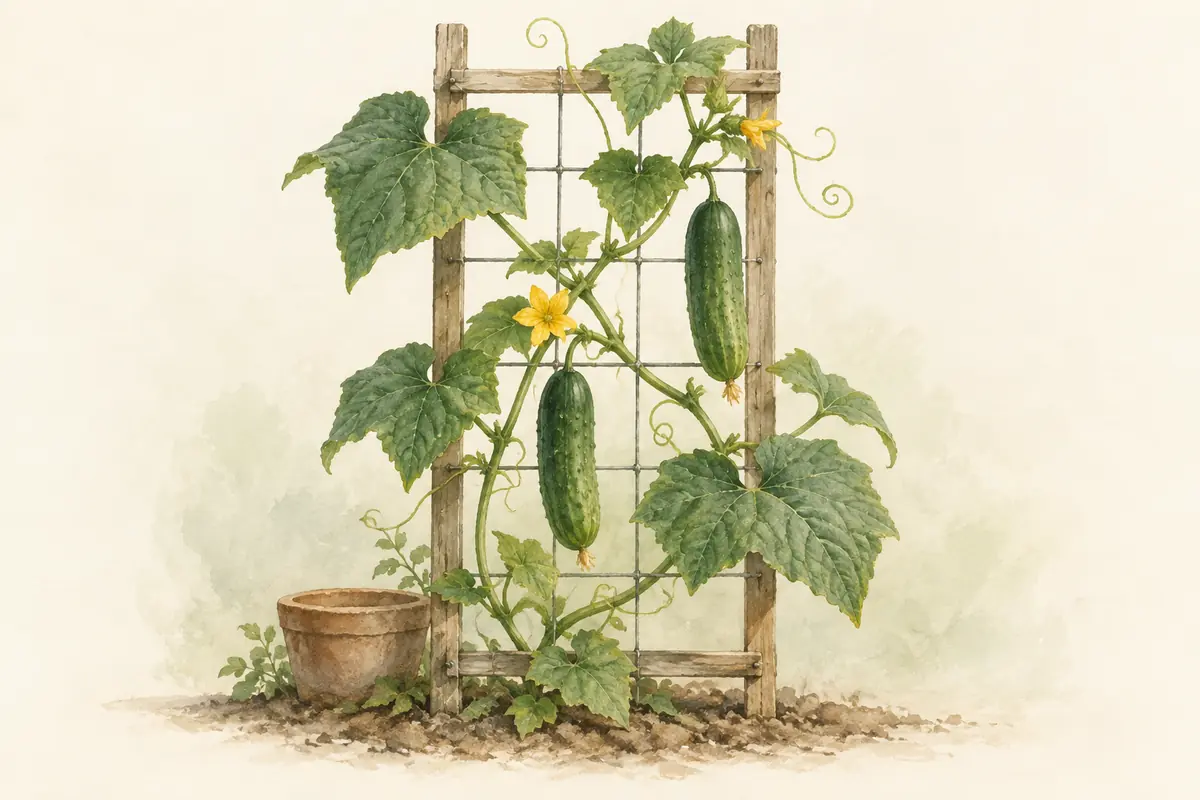


TRELLISING
How to Trellis Cucumbers
Train cucumber vines vertically with a row trellis, teepee, panel, or fence. Learn support height, anchoring, planting layout, vine training, and harvest access.
Read the guideFrequently asked questions
Does Lemon Cucumber taste like lemon?
No. The name refers to the round yellow appearance, not citrus flavor.
Does Lemon Cucumber need a trellis?
No, but the vine readily uses support. Trellising can save ground space and make the round fruits easier to find.
When is Lemon Cucumber ripe?
For fresh eating, pick fruit while it is firm and turning pale to light lemon yellow. Very deep yellow, seedy fruit is generally overmature for the best texture.
Can Lemon Cucumber grow in a container?
Yes, if the container has enough soil volume, strong drainage, consistent moisture, and a suitable trellis. See the container cucumber guide for setup details.
Sources & further reading
- University of Minnesota Extension Growing cucumbers in home gardens https://extension.umn.edu/garden-and-home/yard-and-garden/gardening-in-minnesota/growing-cucumbers
- Illinois Extension Cucumber | Home Vegetable Gardening https://extension.illinois.edu/gardening/cucumber
- University of Maryland Extension Growing Cucumbers in a Home Garden https://extension.umd.edu/resource/growing-cucumbers-home-garden
- Cornell Cooperative Extension Vegetable Varieties for Gardeners: Lemon Cucumber https://vegvariety.cce.cornell.edu/main/detail.php?filterBy=0&variety_id=684
- Seed Savers Exchange Growing Guide: Cucumber https://seedsavers.org/grow-cucumber/
- Johnny’s Selected Seeds Lemon cucumber harvest description https://www.johnnyseeds.com/vegetables/cucumbers/specialty-cucumbers/lemon-organic-cucumber-seed-329G.11.html
- University of Maryland Extension Key to Common Problems of Cucumbers https://extension.umd.edu/resource/key-common-problems-cucumbers
- UC Master Gardeners of Napa County The prolific cucumber trials (2021 gardens, published 2022) https://ucanr.edu/blog/napa-master-gardener-column/article/prolific-cucumber-trials
Hollowstead Growing Notes
A little help for your next growing season
Practical sowing advice, help choosing seeds, and occasional Hollowstead shop news. Usually one or two emails a month, plus a short welcome note.
Choose your topics and frequency after you confirm. Our guides and planting calendar are always free.