
Description
LEAVES FIRST. SEED LATER.
Give the pickle garden its dill.
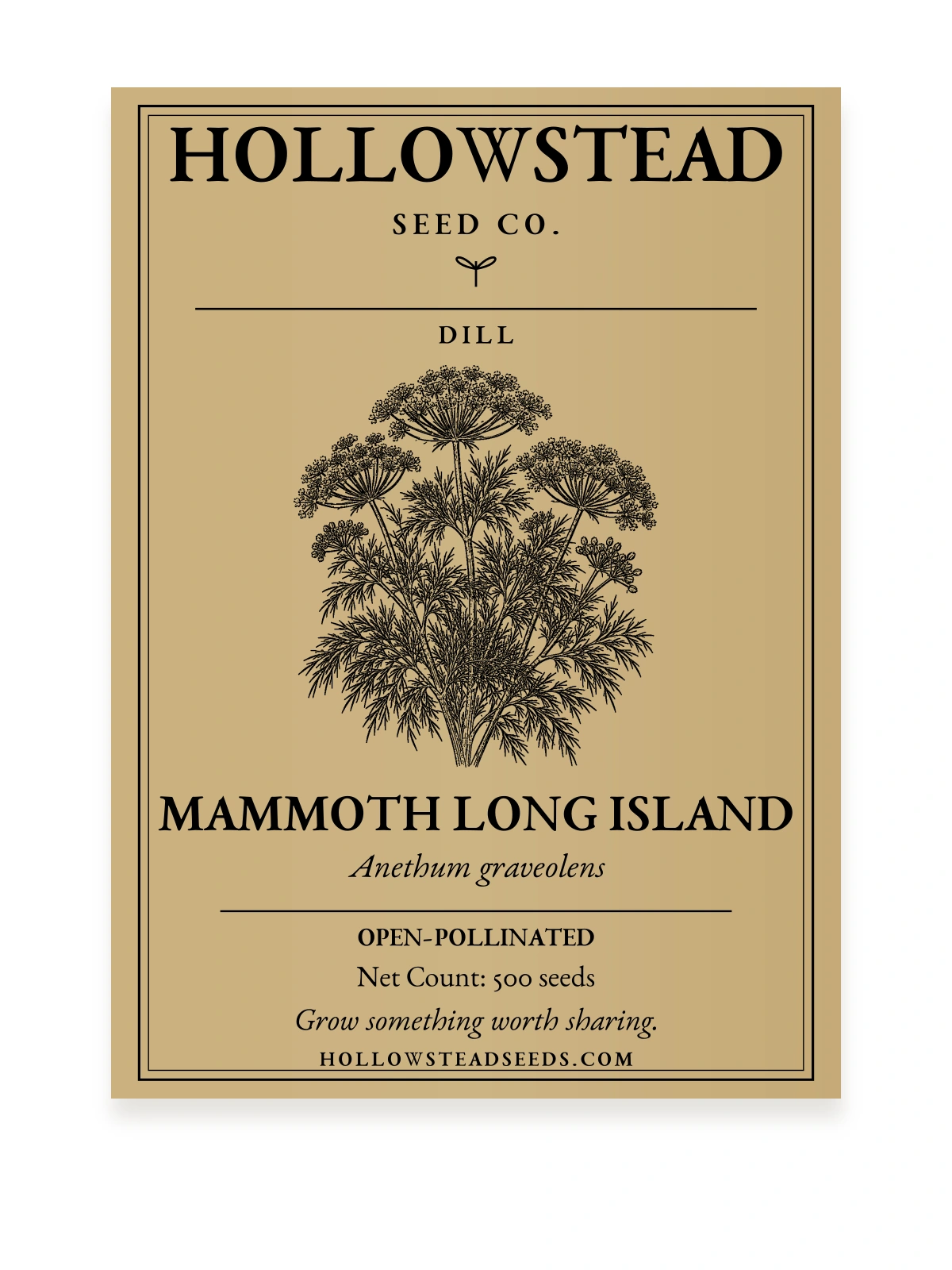
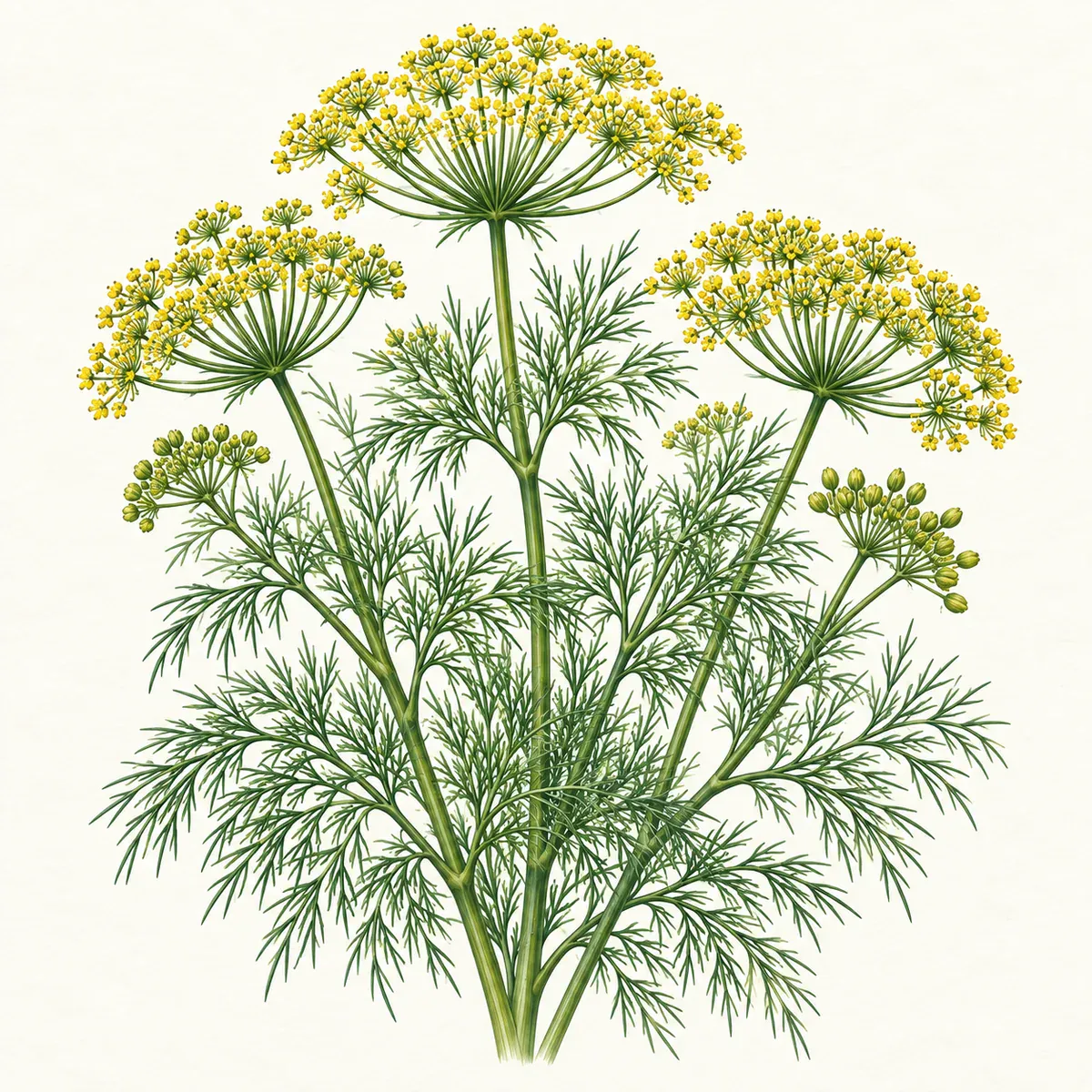
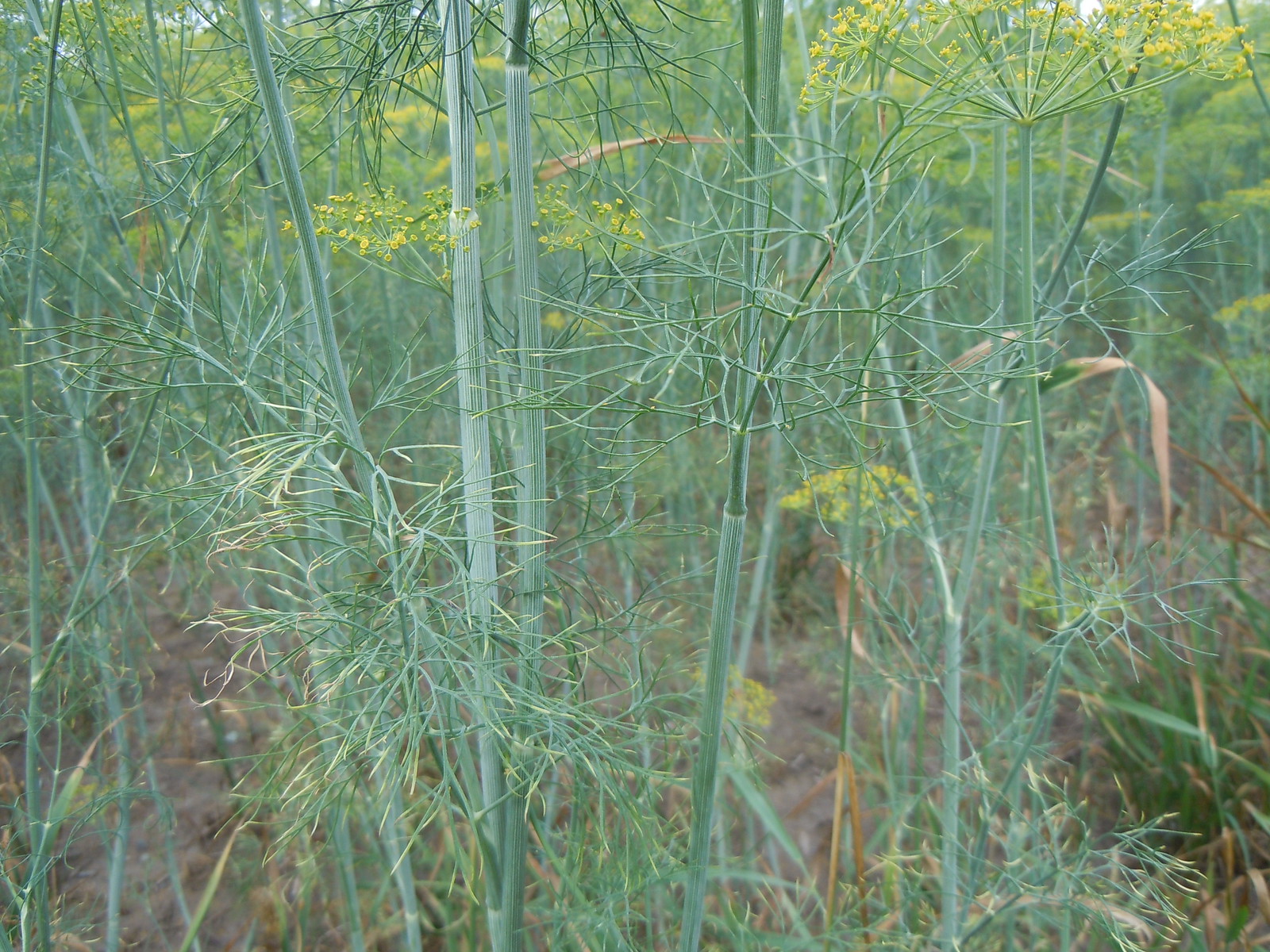
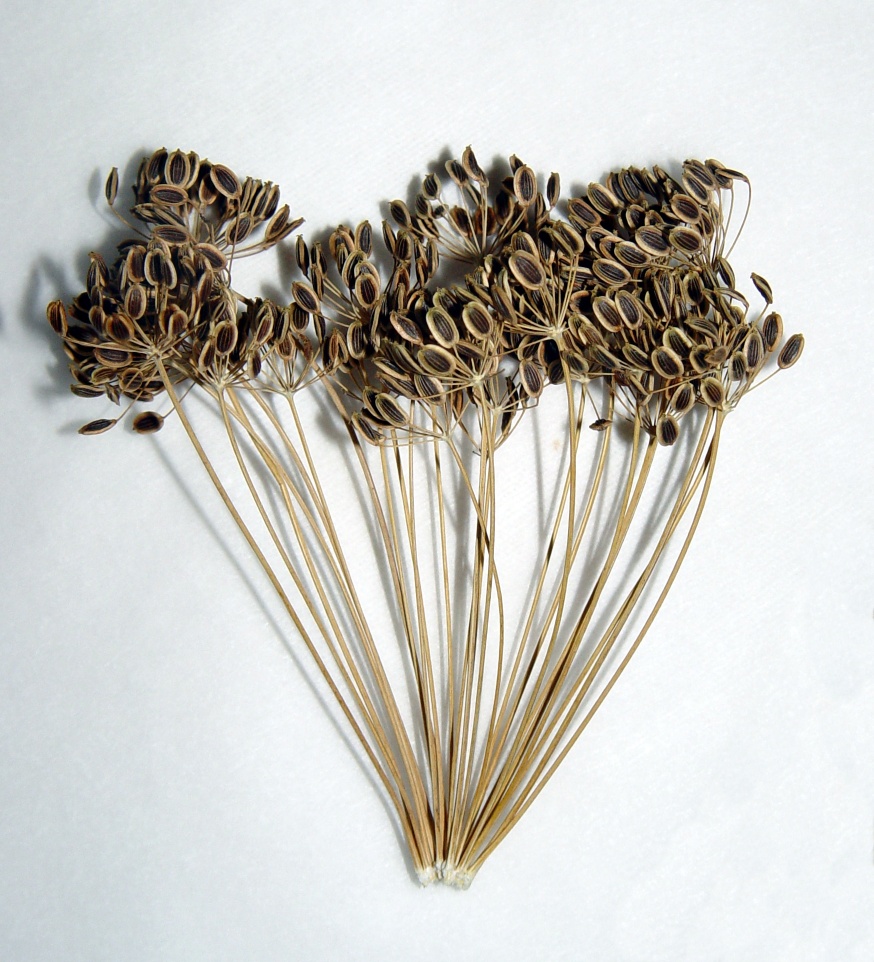
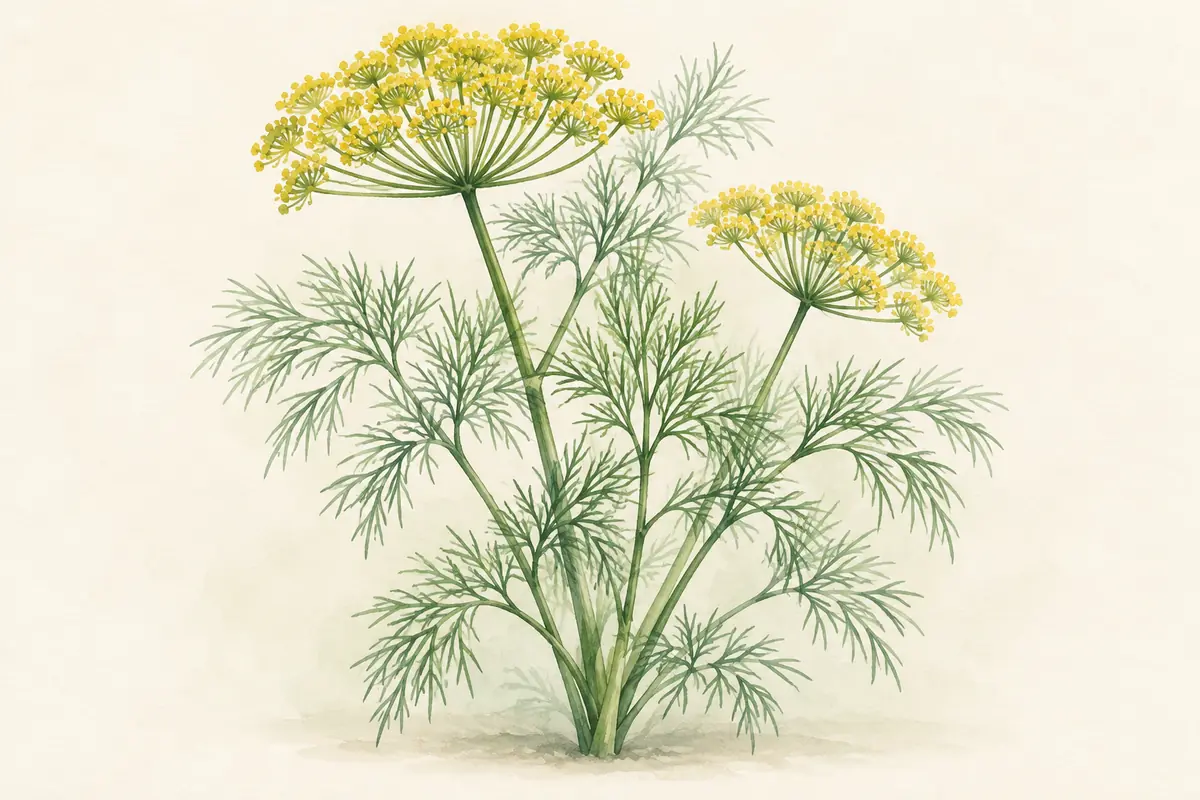
Mammoth Long Island is a tall dill for feathery foliage, yellow umbels, and later seed. It earns its space when you want more than occasional garnish: tender fronds for cooking, heads for pickling, or ripe seed for the spice jar.
Choose it for: cucumber salads, potatoes, fish, and a garden with room for tall flowering stems.
FIND ITS PLACE
A leaf crop and a later spice crop.
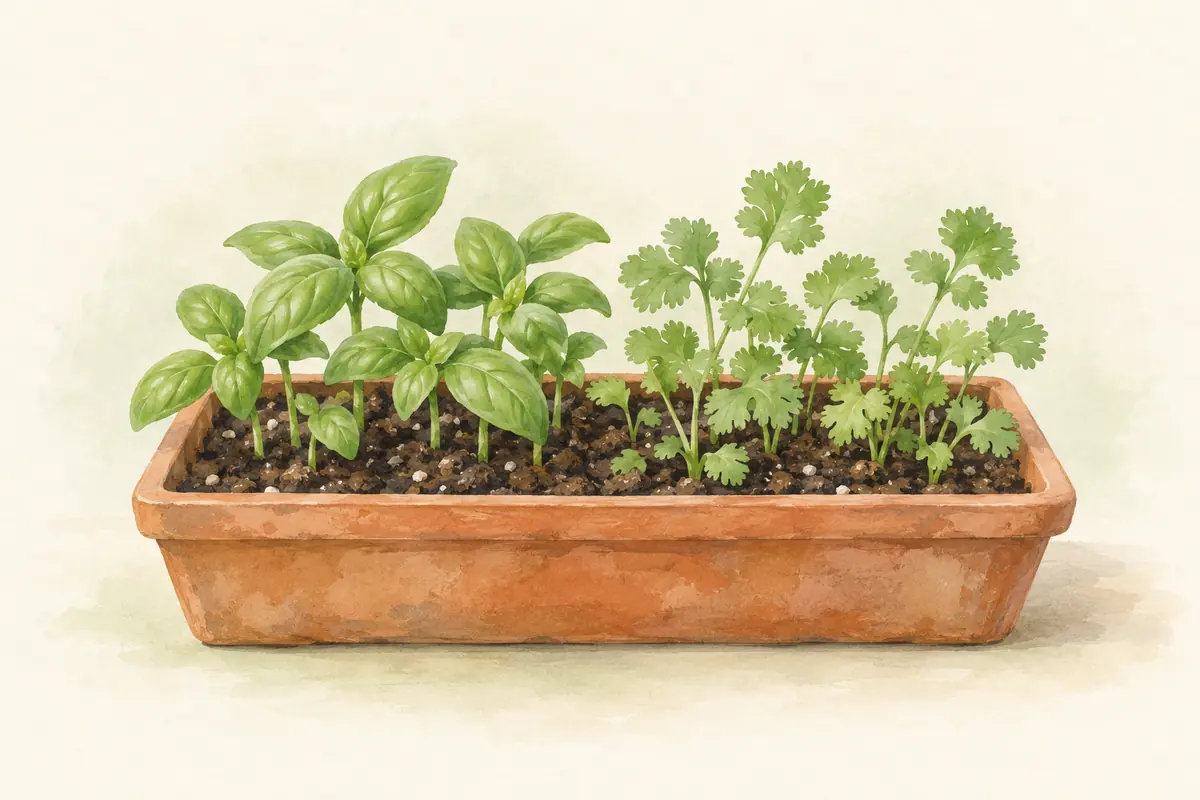
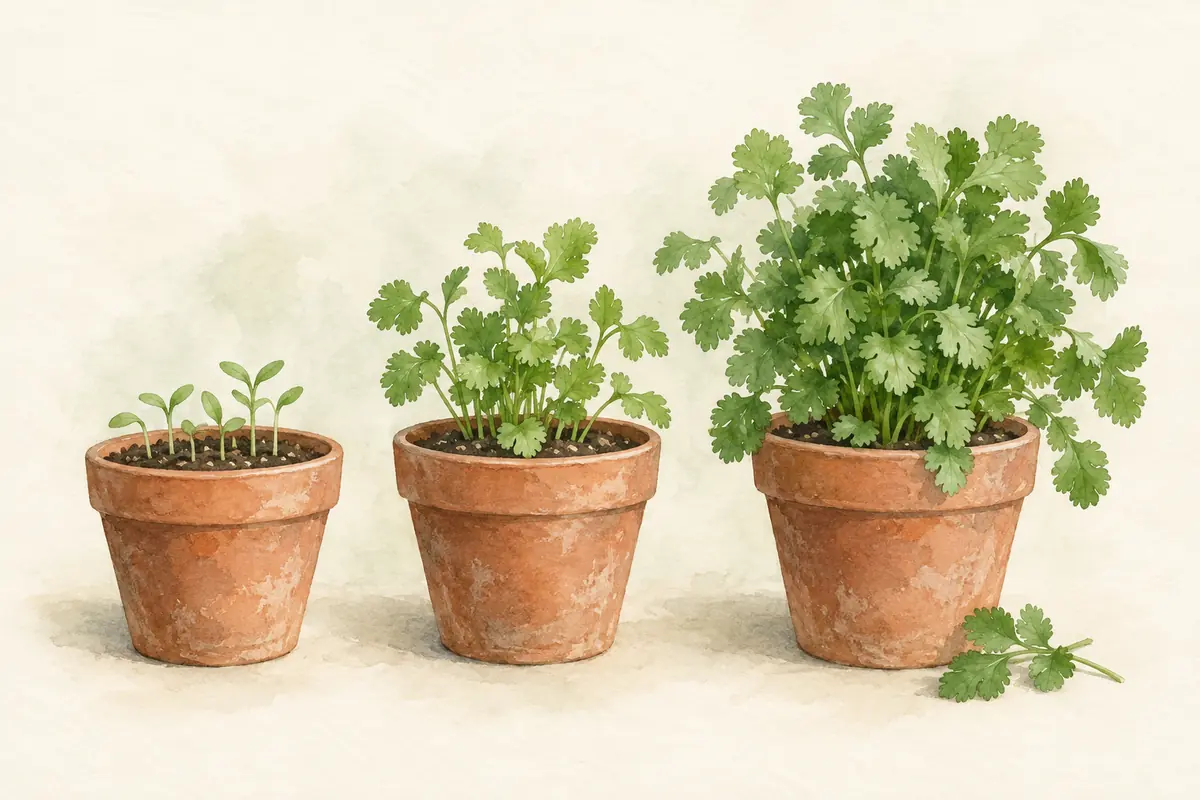
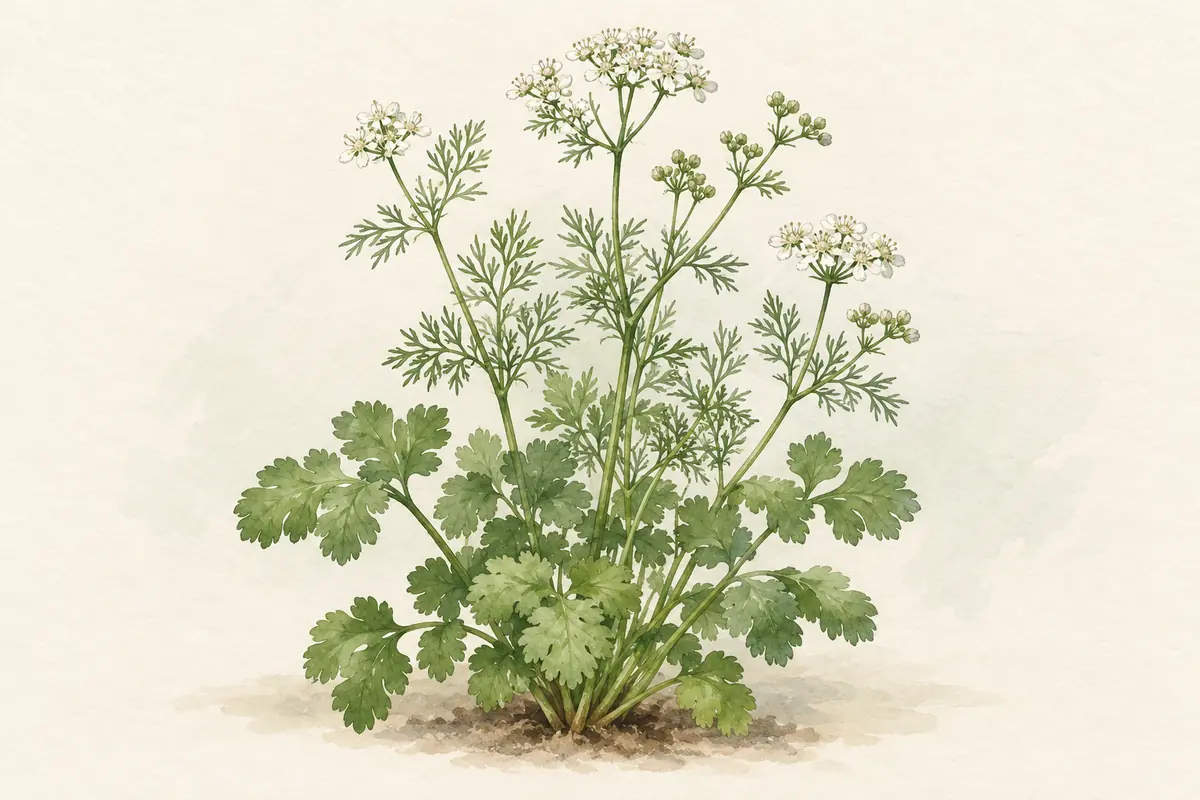
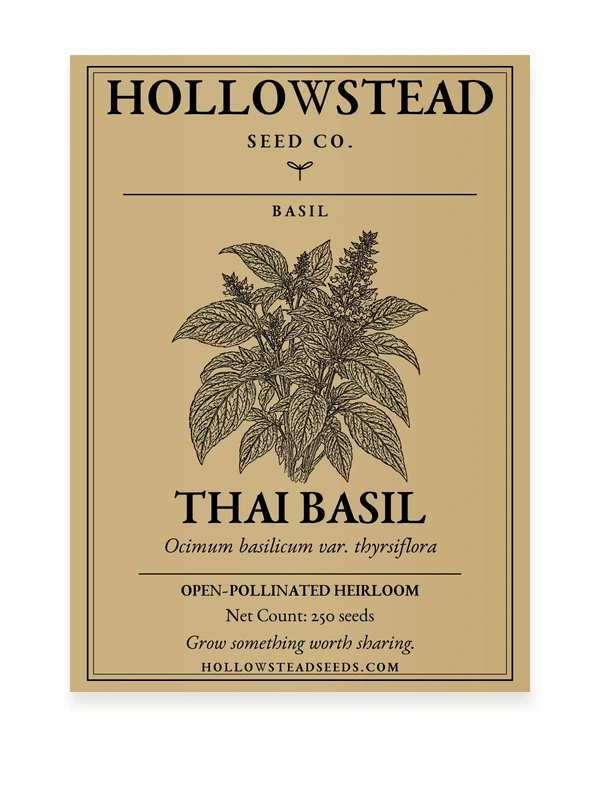
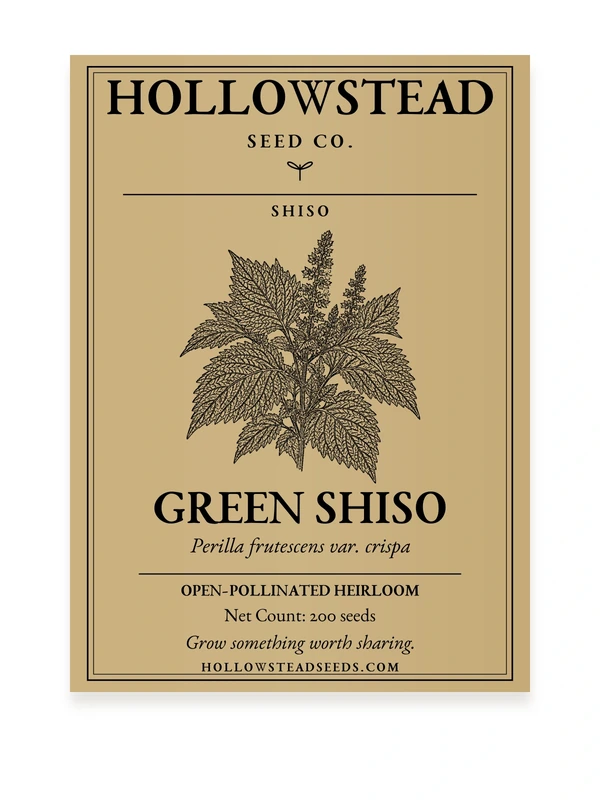
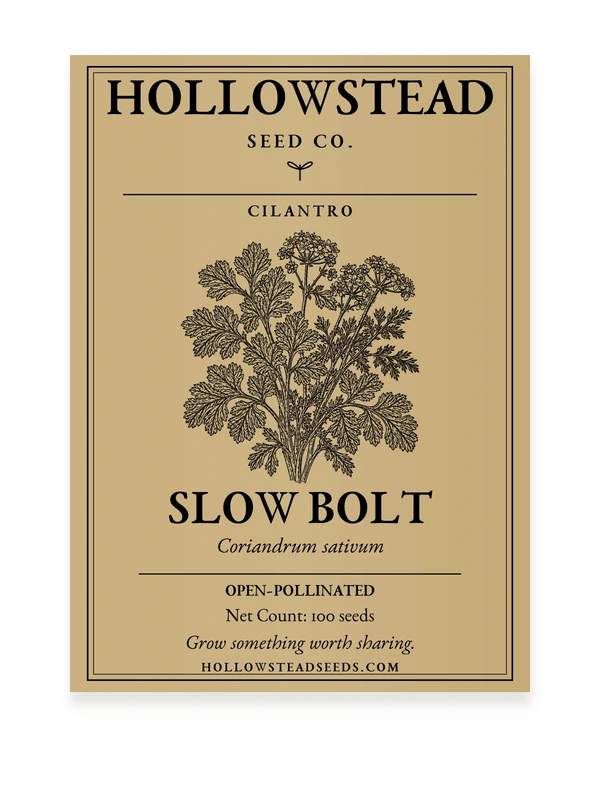
Like Slow Bolt Cilantro, dill gives leaves first and seed later. Choose dill for its familiar pickle-and-potato flavor; cilantro produces fresh cilantro leaves and the separate spice coriander. Thai Basil is a better fit when your priority is a branching summer plant for repeated tip harvests.
FROM PACKET TO GARDEN
Sow where the taproot can stay.
Prepare the final spot.
Direct sow into a sunny bed after spring frost risk eases, or into the final deep container. Avoid moving a large, root-bound transplant.
Keep the row moist.
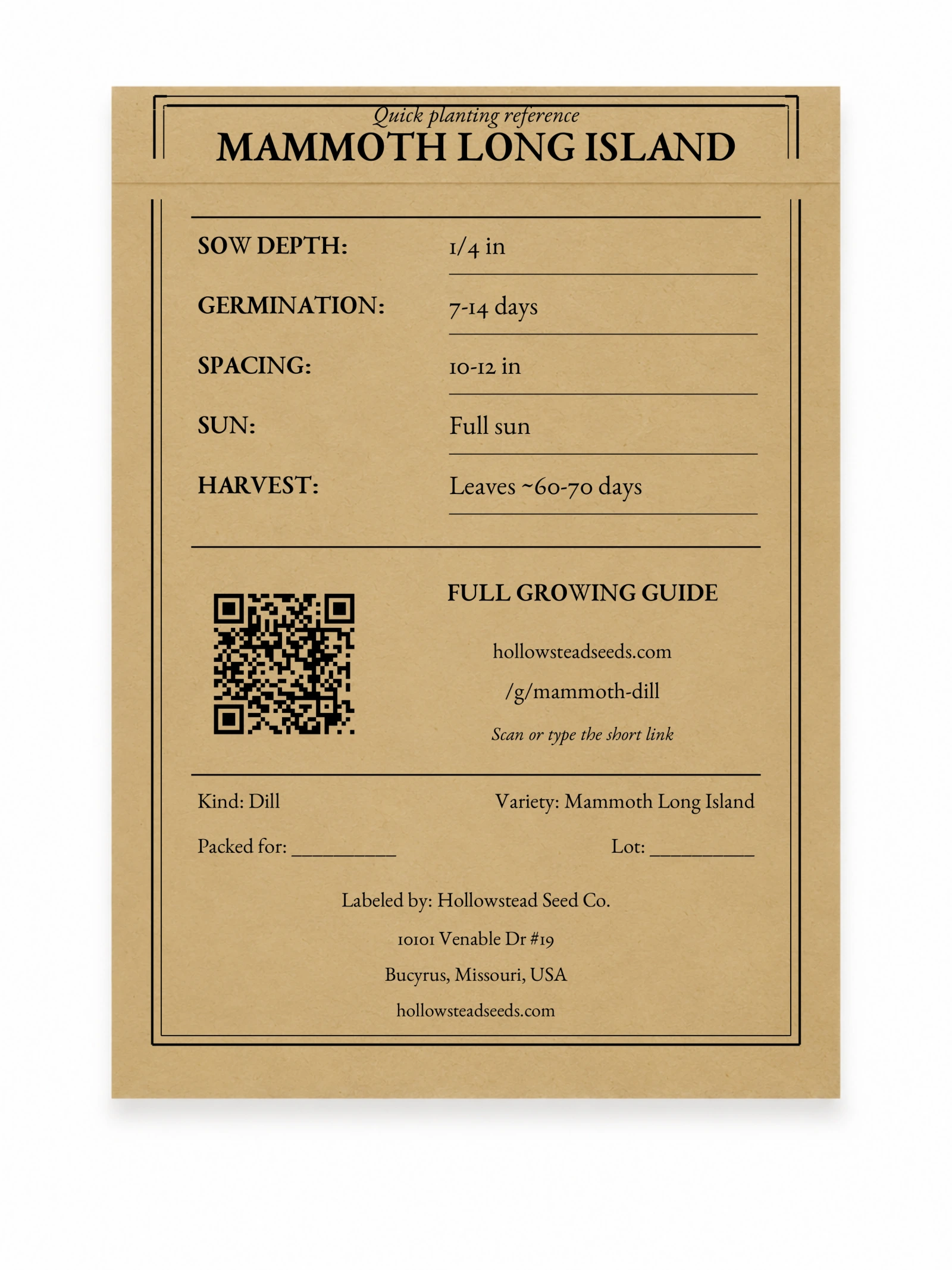
Cover seed about ¼ inch deep. General dill emergence can take 7–21 days in suitable conditions; label the sowing and avoid letting the surface crust. [2]
Thin for full-size plants.
At about 2 inches tall, thin toward 10–12-inch spacing. Make another small sowing in a few weeks if ongoing frond harvest is the goal. [1]
SMALL DECISIONS, BETTER HARVESTS
Practical growing tips
Mark leaf and head plants.
Keep the plants intended for heads lightly harvested. Removing every growing tip or stripping the foliage works against a later flower and seed crop.
Stagger the pickle supply.
Sow several small batches if you want heads over a longer cucumber season. One row of dill may mature before the main pickling harvest arrives.
Match support to the site.
In wind, install stakes or a loose twine corral while stems are young. A deep, broad-based pot is easier to stabilize than a narrow decorative one.
Recognize three head stages.
Yellow bloom, green flexible seed heads, and dry tan seed serve different uses. Follow the head stage in your recipe; drying a flower does not turn it into mature seed. [1]
FROM GARDEN TO KITCHEN
Pick the part you planted for.
For fronds: begin lightly once several leaves are present, leaving the center and most foliage. Younger succession plants replace the leaf supply as older plants flower.
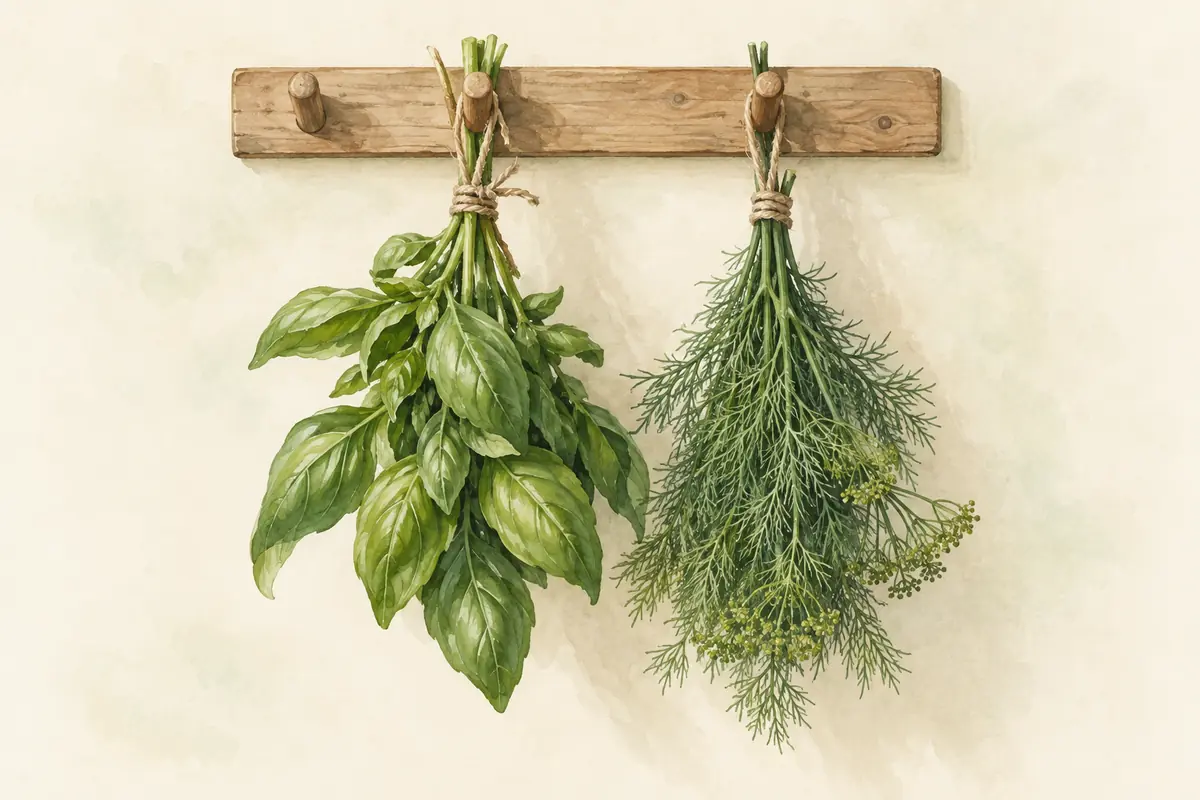
For heads: allow selected plants to bloom. Green, flexible heads with developing seed are useful for many dill-pickle preparations. For dry seed: let heads mature to tan-brown, then collect before they shed heavily.
A FEW THINGS WORTH KNOWING
Before you plant.
Can I grow Mammoth dill in a pot?
Yes. Start in a deep container with drainage and leave overhead room for the flowering plant. A 5-gallon or larger pot for one mature plant is a practical starting design; wind and pot stability still matter.
Are fronds and dry seed ready together?
No. Begin light frond harvest from an established leafy plant. Flowering, green pickling heads, and fully ripe seed follow in separate stages; use the plant’s stage to choose the harvest.
Will cutting the flower stalk keep leaves coming all season?
It does not reset the age of the plant. Plan younger sowings for fronds and leave selected older plants to finish their heads.
MAKE ROOM FOR THE HARVEST
Reserve a row for the later harvest.
For a mixed-use patch, label one group “fronds” and another “heads.” Start with manageable sowings, then adjust the interval to how quickly you use leaves and how the plants develop.
Read the Mammoth Long Island Dill growing guide for sowing checkpoints, head-stage decisions, and a stable container plan.
Growing references
Extension and supplier guidance inform these recommendations; local weather and growing conditions set the pace.

Reviews
THIS PATCH IS JUST GETTING STARTED
Your garden could start the conversation.
No published reviews for this variety yet. Once you have tried these seeds, your experience can help another gardener decide what to plant.
A few honest details are worth more than a perfect growing season.