
TROUBLESHOOTING
Why Herbs Bolt — and What to Do About It
Bolting is the shift from leafy growth to flowers and seed. Learn why heat, long days, maturity, water stress, and root stress push herbs to flower and what actually helps extend the leaf harvest.
HerbsTroubleshootingBeginner → advanced
Published by Hollowstead Seed Co. · How this guide is prepared
Quick answer
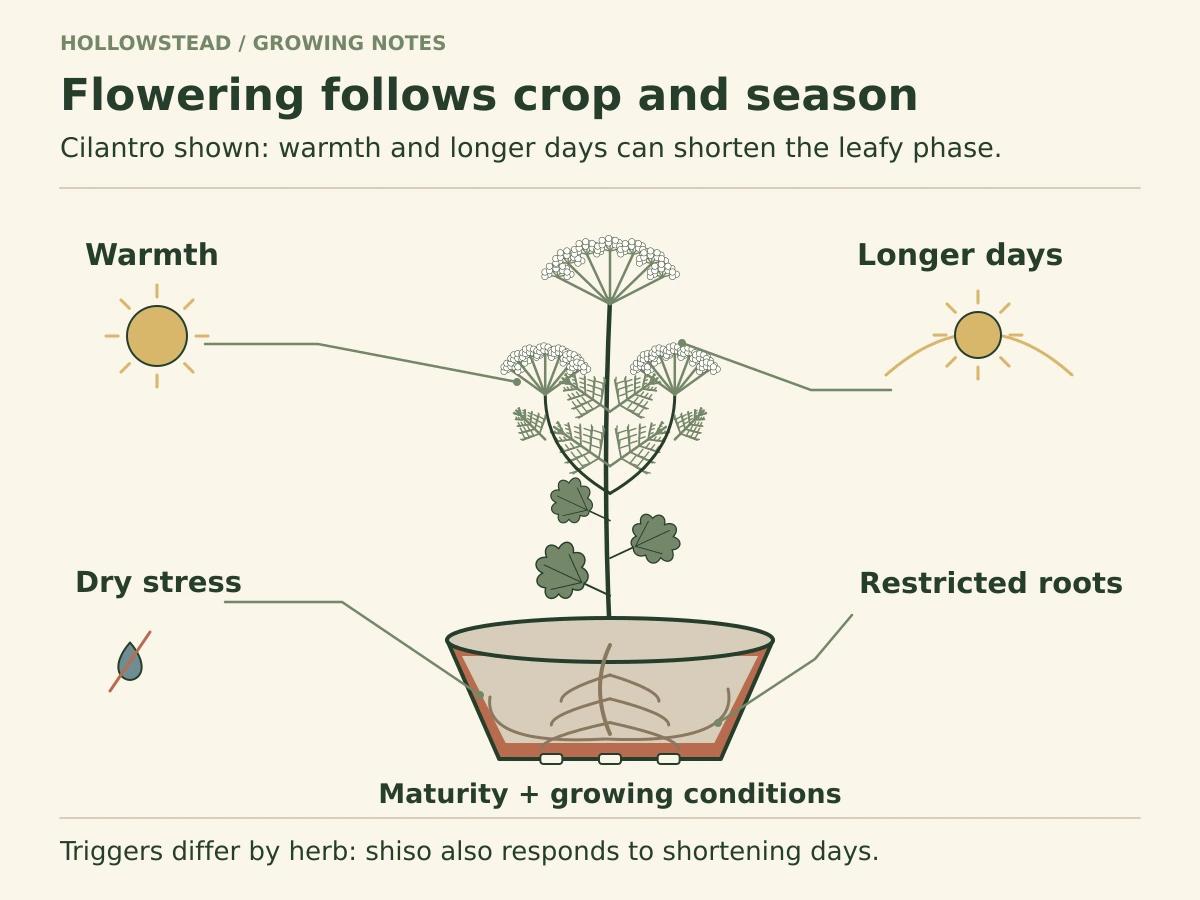
Bolting is the shift from leafy growth toward flowering and seed. It is normal plant development, not a disease. Heat and long days are especially important triggers for cool-season herbs such as cilantro and dill, while basil also flowers as it matures. Water stress, crowding, and root stress can accelerate the loss of a tender leaf crop.[1][2][3]
You cannot permanently stop a plant from maturing. The useful strategy is to choose the right season, keep stress modest, harvest regularly, and succession sow crops that naturally have a short leafy window.
The short version: match the herb to its season, water consistently, avoid crowding, harvest before flower stalks dominate, and keep a younger planting coming behind crops such as cilantro and dill.
Bolting at a glance
| Question | Useful starting point |
|---|---|
| What is bolting? | The plant shifts from leaves toward flowers and seed |
| Cilantro | Heat and long days strongly shorten the leaf window |
| Dill | Naturally flowers and sets seed as it matures |
| Basil | Pinching flowers can extend leaf-focused growth |
| Water stress | Can speed the decline of a tender leaf crop |
| Crowding | Adds competition and root stress |
| Best prevention | Correct season + steady care + timely harvest |
| Best backup | Succession sowing |
Bolting is a life-stage change
A bolting herb begins allocating more growth to flower stalks, blossoms, and seed. Leaves may become smaller, tougher, or less abundant. That change is especially noticeable when you are growing the plant specifically for tender foliage.
Fast bolting diagnosis
Bolting is a developmental transition, so the first question is not “What fertilizer fixes this?” It is “Why is this plant ready to reproduce now?” Maturity, temperature, day length, root restriction, and water stress can all influence the timing, but their importance differs by species.
What pushes herbs toward flowering
Warm temperatures and increasing day length are major triggers for cilantro; dill also naturally shifts toward flower and seed as plants mature. Basil flowers in warm weather as part of normal maturity, although frequent stem harvest and flower removal can keep vegetative growth going longer.[1][2][3]
 View full-size diagram
Cilantro and dill are not endless leaf crops
For cilantro, plan around the cool season and sow repeatedly. For dill, decide whether a planting is meant for foliage or for flowers and seed. Trying to hold either plant forever in its juvenile leaf stage works against its natural cycle.
Basil and shiso respond to harvest management
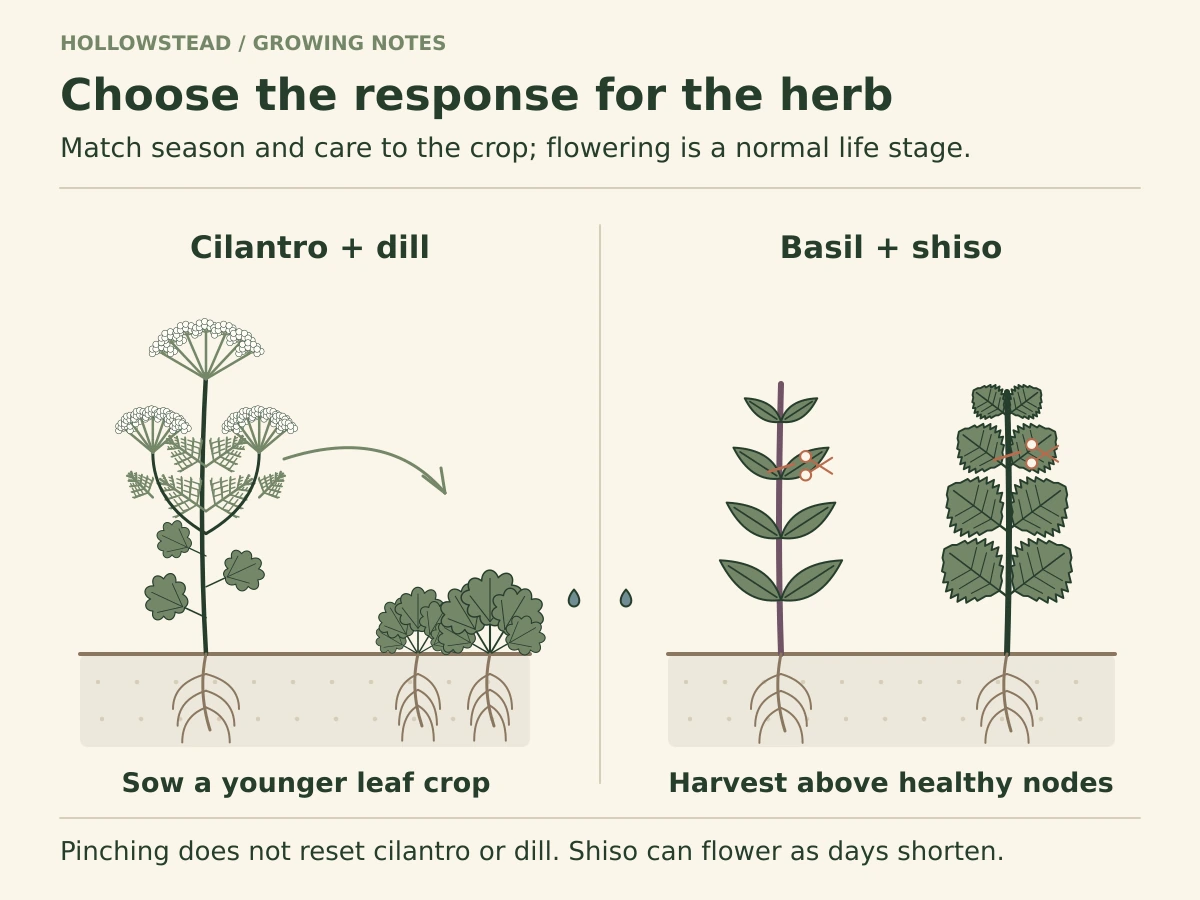
Shiso also responds to shortening day length, so pinching and later sowing do not reliably prevent seasonal flowering. A younger plant can flower as days shorten; use succession sowing as a backup, not an autumn leaf guarantee. Shiso photoperiod study.
Cut basil stems above a leaf pair and pinch developing flower spikes if you want more branching and leaves. Shiso can also be pinched to keep a bushier plant. These practices delay the dominance of flower stalks, but they do not make an annual plant immortal.
Bolting is not the same problem in every herb
Cilantro’s tendency to bolt is a crop-planning issue: Illinois Extension calls out its short garden life and recommends succession sowing to maintain leaves.[4] Dill also naturally declines as a leaf crop after flowering, which is why repeated sowings are useful. Basil is different because continued tip harvest and flower removal can keep a well-established plant producing leafy branches for much longer.
Do not fight a seed crop you actually want. Bolting is undesirable only when your goal is continued tender leaves. If you want coriander, dill seed, basil seed, edible flowers, or pollinator habitat, flowering is the next crop stage—not a failure.
Shiso adds another wrinkle: letting it flower can lead to abundant self-seeding. If leaf production is the goal, remove spikes; if seed saving is the goal, collect mature seed intentionally rather than allowing uncontrolled drop.
How to slow the rush to flower
Keep moisture reasonably even, avoid tiny root-bound containers, harvest on time, and match cool-season herbs to cooler weather. In hot conditions, afternoon shade can reduce stress for cilantro, but the most reliable way to extend the season is often another sowing rather than heroic attempts to reverse an old plant.
 View full-size diagram
What to do once the plant bolts
Use the new stage instead of treating it as waste. Let cilantro mature into coriander seed. Use dill flowers or let selected umbels form seed. Allow some basil or shiso flowers for pollinators or seed if that fits your garden. If you still want tender leaves, start or rely on a younger planting.
If lettuce is stretching into a stalk too, use the lettuce bolting guide to judge the remaining leaf harvest. A few healthy plants can instead be reserved for lettuce seed saving; mark them before clearing the old planting.
Choose the next planting by the crop
When cilantro’s central stalk lengthens, decide whether to keep it for coriander and start the next small batch in suitable cool weather. For dill, retain selected umbels and replace the leaf crop. For basil and Green Shiso, continue light tip harvest only while healthy leafy regrowth is strong. Use the crop-specific succession intervals rather than treating every herb as a two-week replacement crop.
GROW THESE HERBS
Put the guide to work.
Explore Hollowstead’s herb varieties and put these techniques into practice.
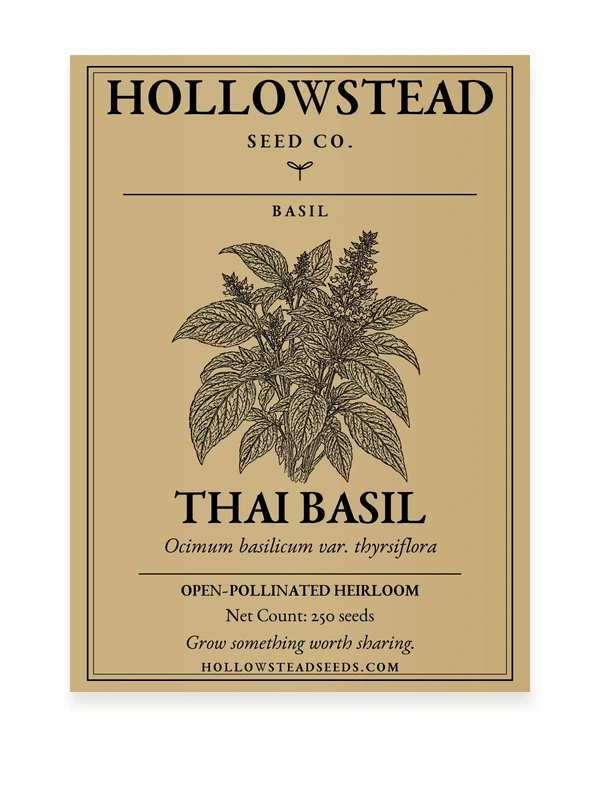
HOLLOWSTEAD SEED
Thai Basil Seeds
$3.49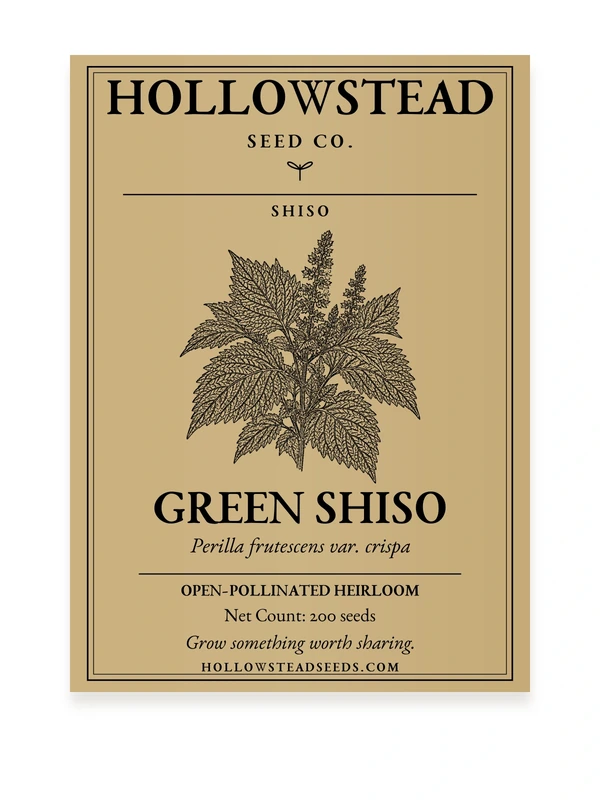
HOLLOWSTEAD SEED
Green Shiso Seeds
$3.49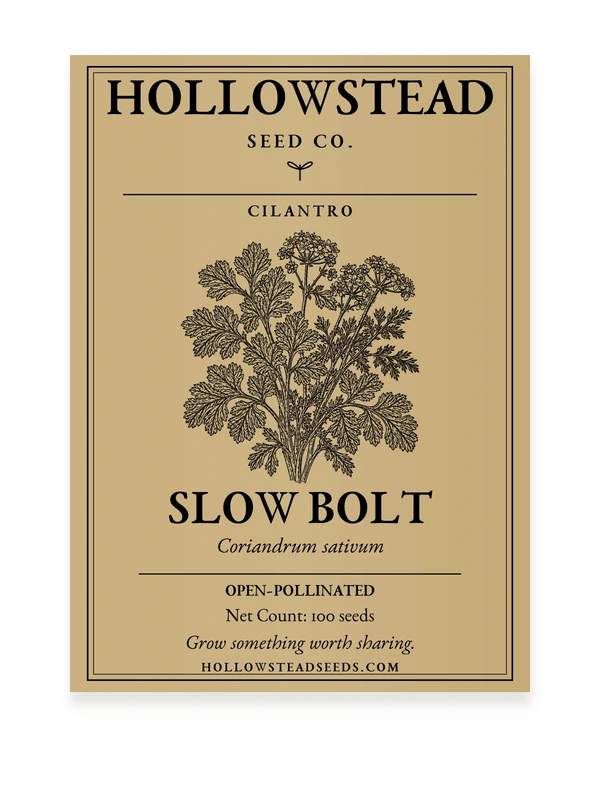
HOLLOWSTEAD SEED
Slow Bolt Cilantro Seeds
$3.49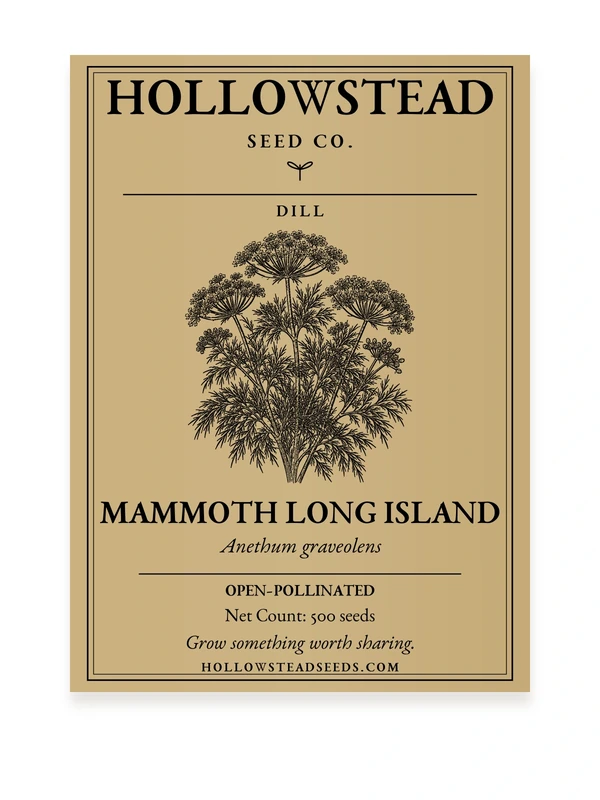
HOLLOWSTEAD SEED
Mammoth Long Island Dill Seeds
$3.49KEEP LEARNING
Related Hollowstead guides
CILANTRO GUIDE
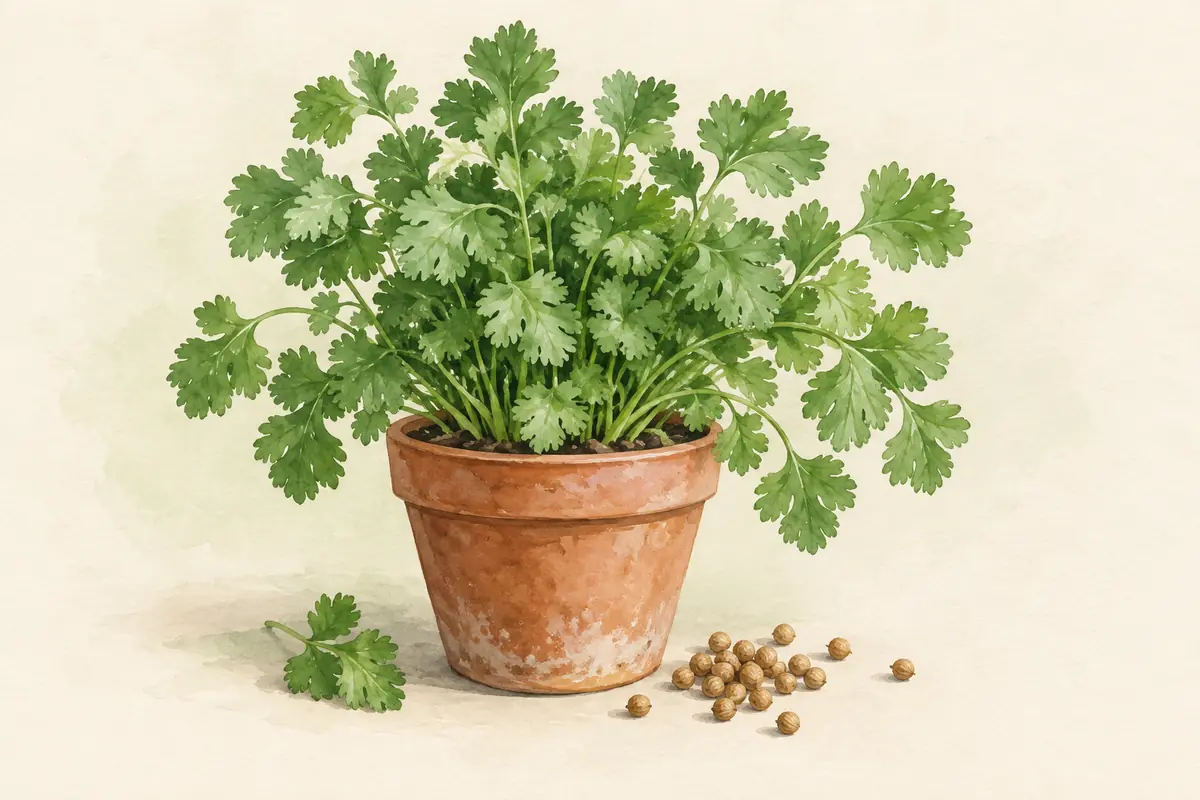
Slow Bolt Cilantro Growing Guide
Grow Slow Bolt cilantro as a cool-season leaf crop, then let selected plants finish for coriander seed. Learn succession sowing, harvest timing, heat management, bolting, and container care.
Read the guide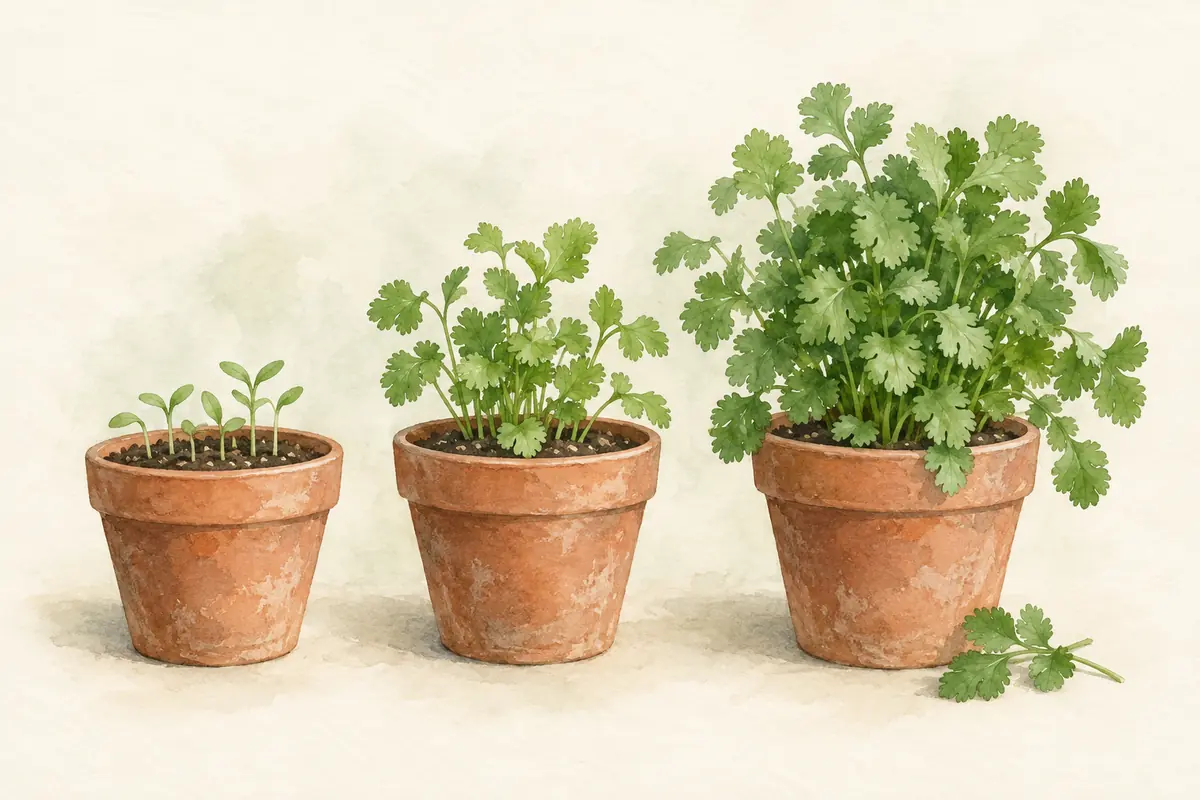
GARDEN PLANNING
Succession Planting Herbs for a Longer Harvest
Avoid one huge herb planting followed by an empty gap. Learn how to stagger cilantro, dill, basil, and shiso sowings, overlap generations, use containers, and track the intervals that work in your garden.
Read the guide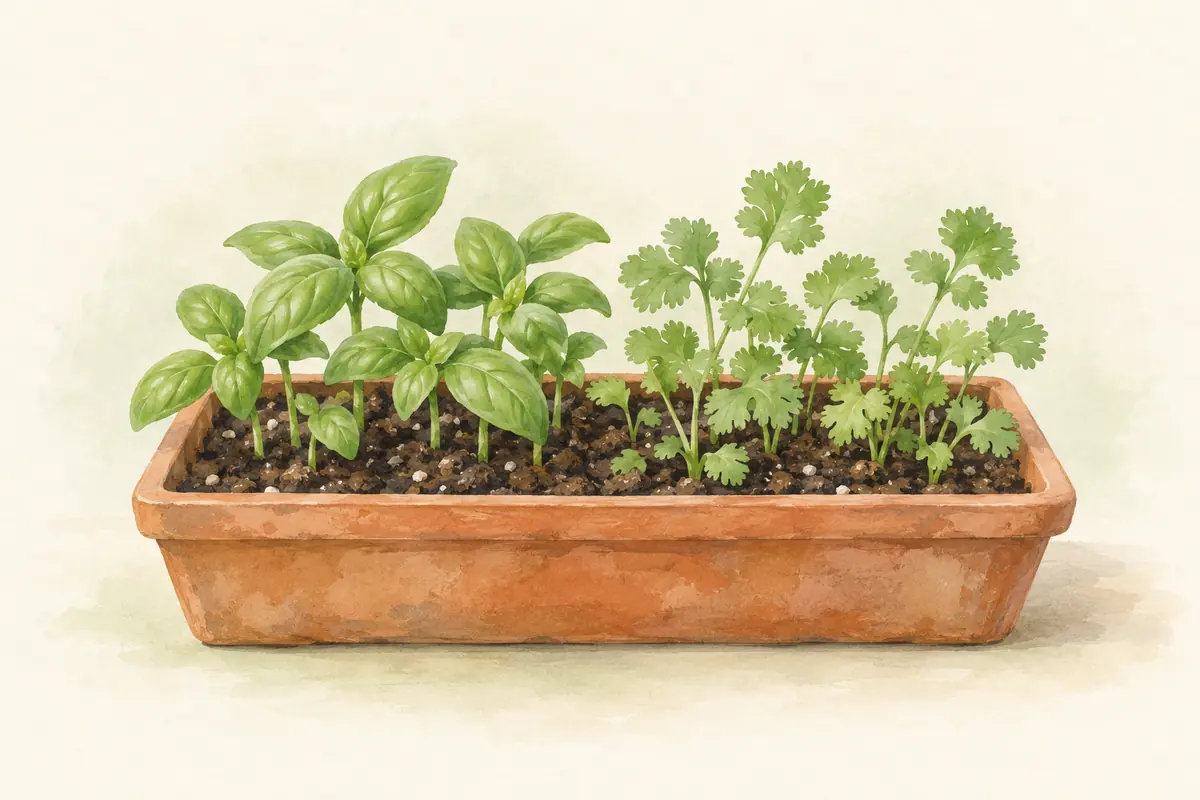
SEED STARTING
Growing Four Annual Herbs From Seed: Basil, Shiso, Cilantro & Dill
Start basil, shiso, cilantro, and dill with a crop-specific plan. Learn when to start indoors or direct sow, how to manage light and moisture, when to thin and transplant, and how to plan the first harvest.
Read the guideFrequently asked questions
Can I reverse bolting?
Not reliably. You can sometimes slow flowering pressure, but once a plant has strongly shifted into reproduction, a new sowing is usually the better route to tender leaves.
Does cutting flowers stop cilantro from bolting?
No. Cilantro’s shift is driven by maturity, temperature, and day length; removing flowers does not turn the plant back into a young leafy crop.
Should I throw away bolted dill?
No. Flower heads and later seed are useful harvest stages.
Does basil bolt the same way as cilantro?
Both flower, but basil is a warm-season crop and responds well to repeated stem harvest and flower pinching. Cilantro is much more constrained by hot weather.
Sources & further reading
- Utah State University Extension Cilantro / coriander in the garden https://extension.usu.edu/yardandgarden/research/cilantro-coriander-in-the-garden
- University of Minnesota Extension Growing dill https://extension.umn.edu/vegetables/growing-dill
- University of Minnesota Extension Growing basil in home gardens https://extension.umn.edu/garden-and-home/yard-and-garden/gardening-in-minnesota/yard-and-garden-problems/growing-basil
- Illinois Extension Cilantro https://extension.illinois.edu/herbs/cilantro
Hollowstead Growing Notes
A little help for your next growing season
Practical sowing advice, help choosing seeds, and occasional Hollowstead shop news. Usually one or two emails a month, plus a short welcome note.
Choose your topics and frequency after you confirm. Our guides and planting calendar are always free.