
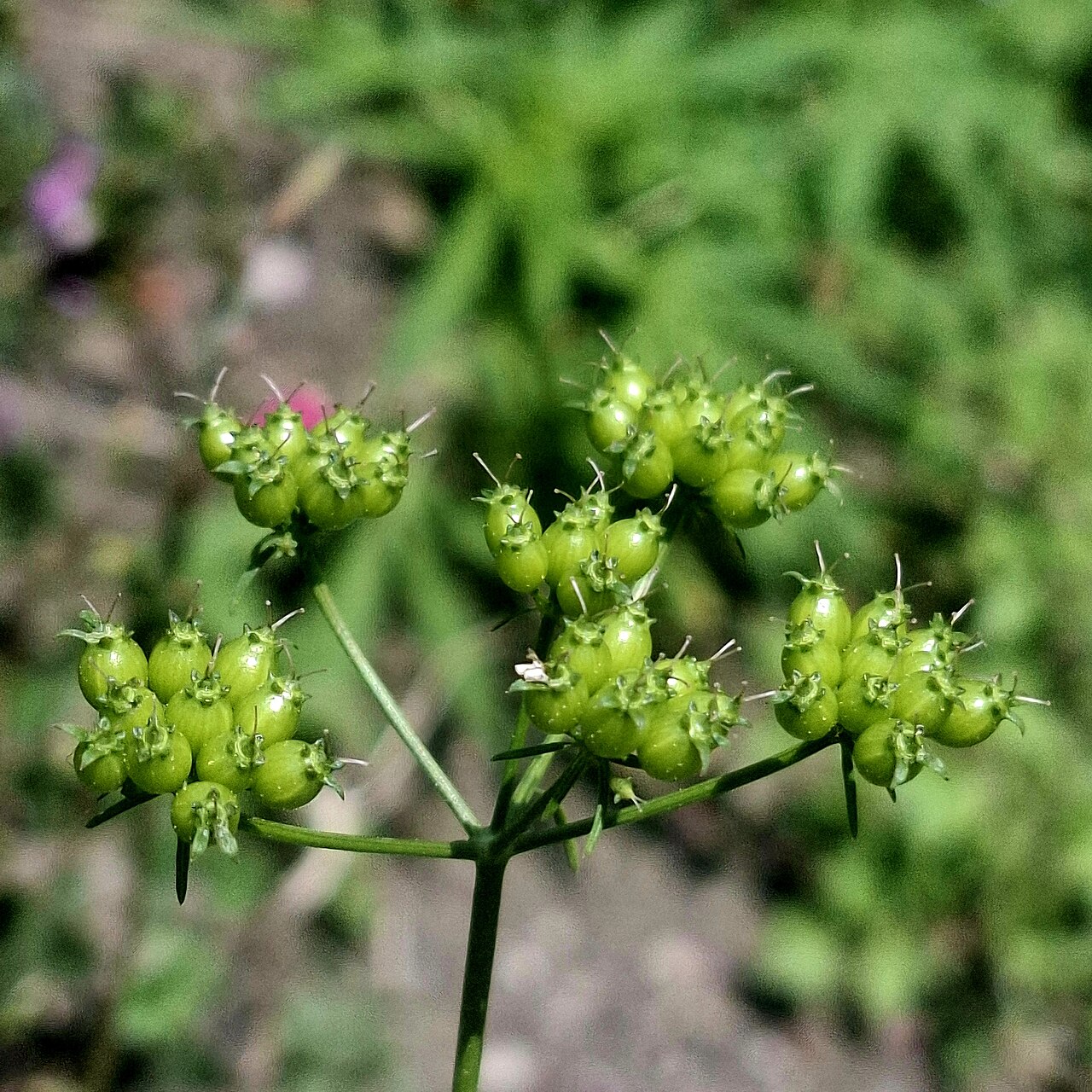
Description
FRESH FLAVOR, REALISTIC EXPECTATIONS
A better plan for fresh cilantro.
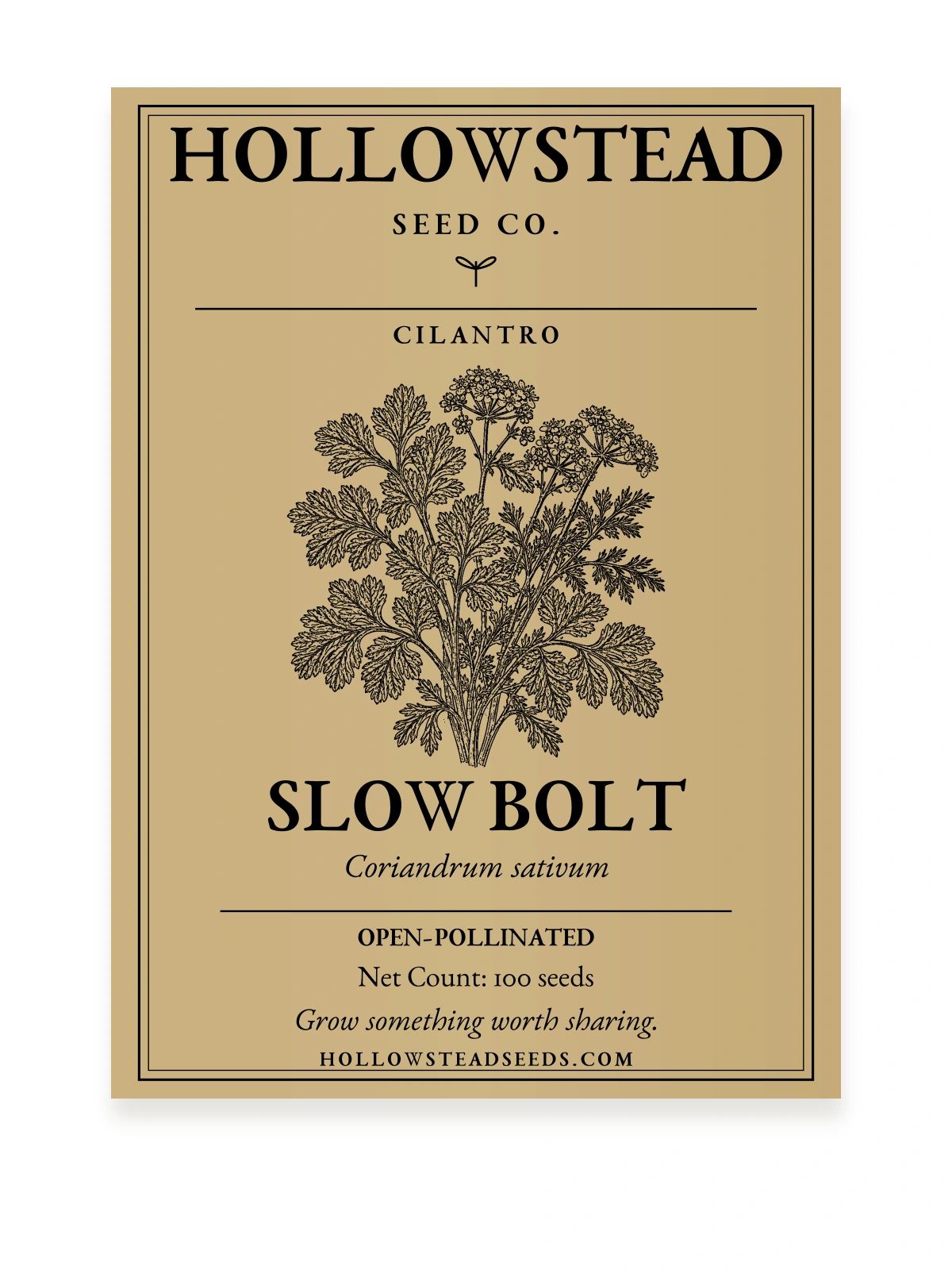
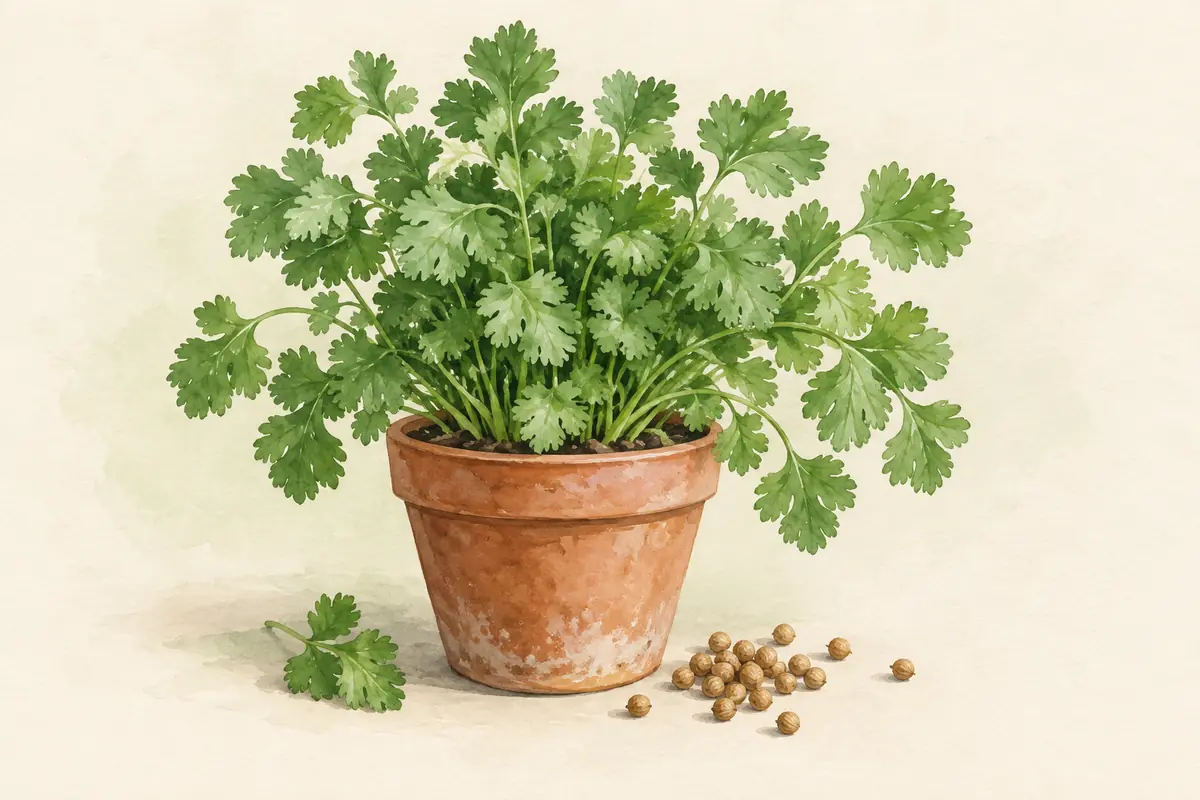
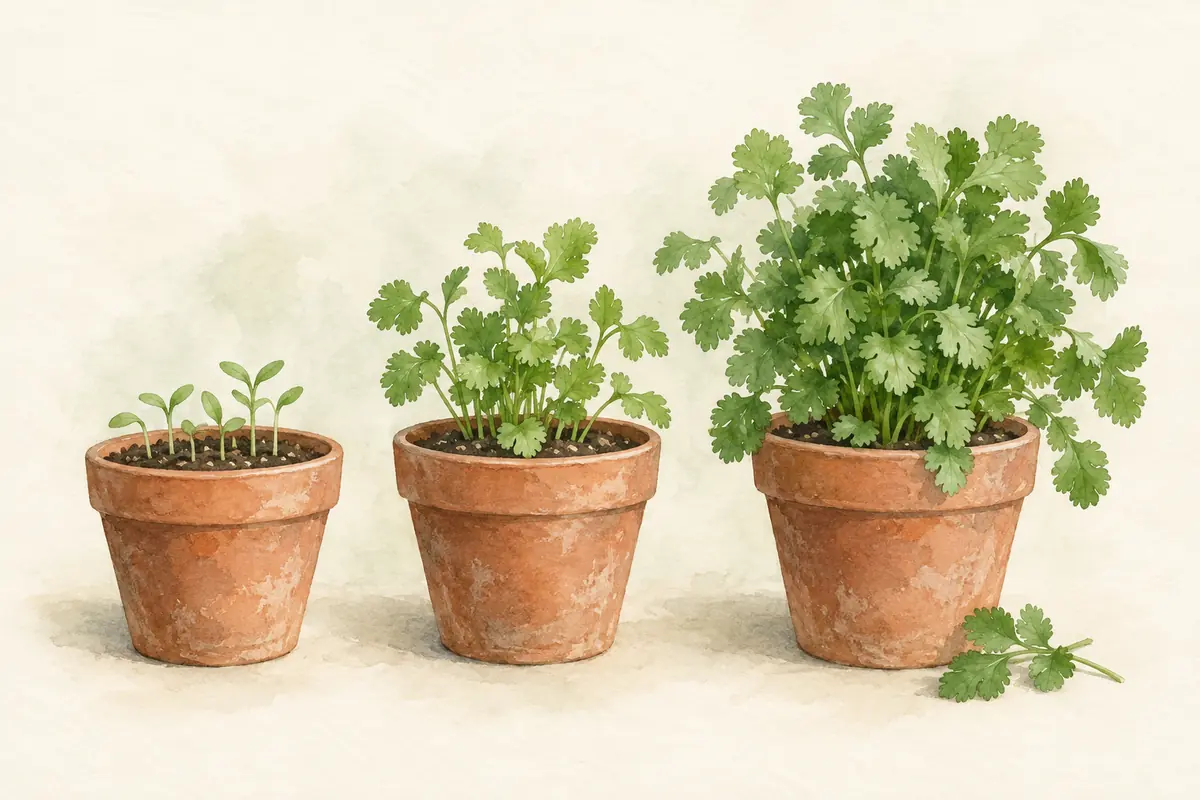
Slow Bolt Cilantro is a leaf-focused selection for fresh salsa, soups, noodles, and finishing a meal with a handful of green. Given time, it flowers and produces the spice coriander. “Slow Bolt” describes a relative delay in flowering; it does not make cilantro a heat-proof summer herb. [1]
Choose it for: small, repeated sowings in cool weather, with the option to leave selected plants for coriander.
FIND ITS PLACE
Choose the flavor and the season.
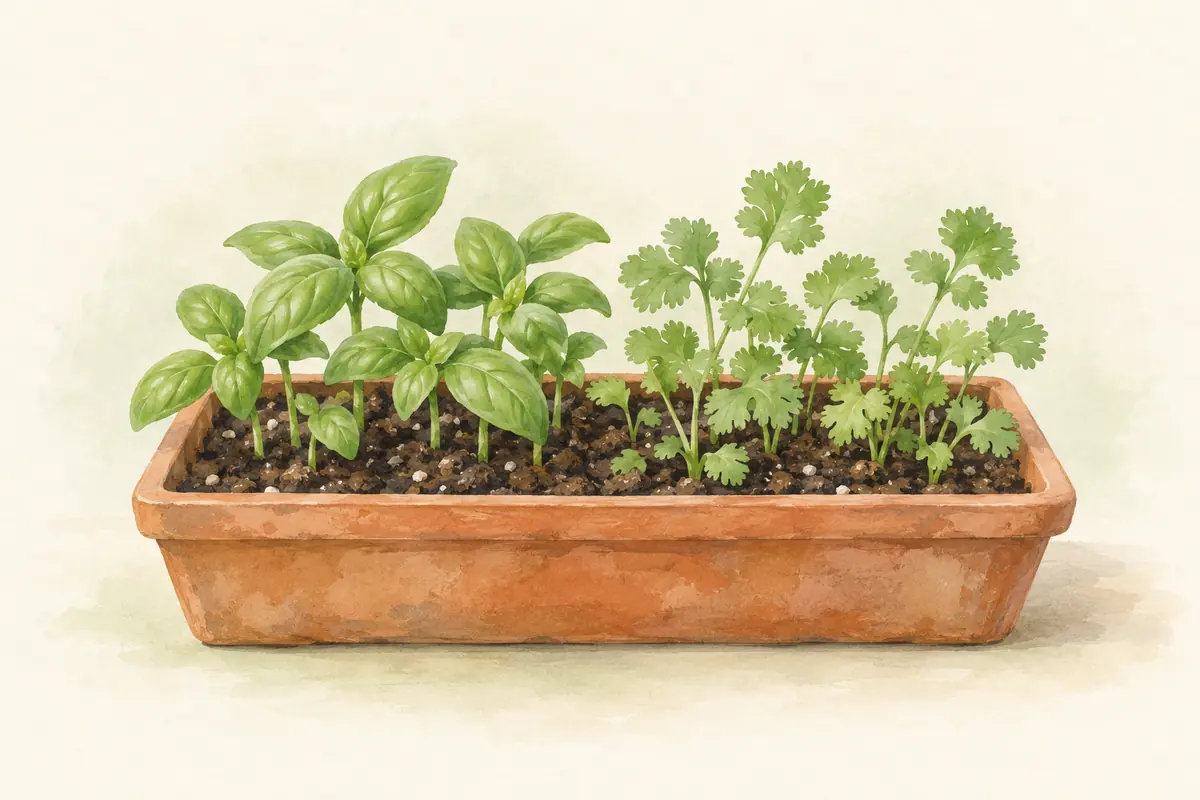
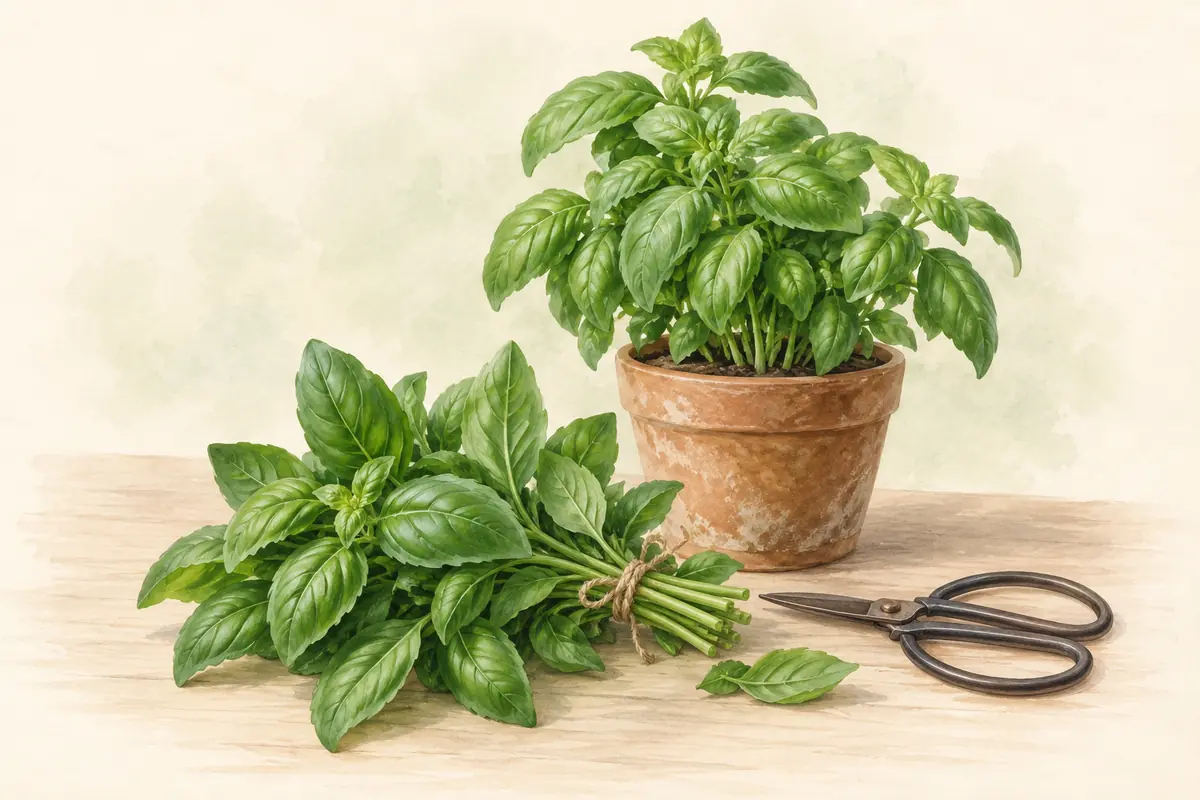
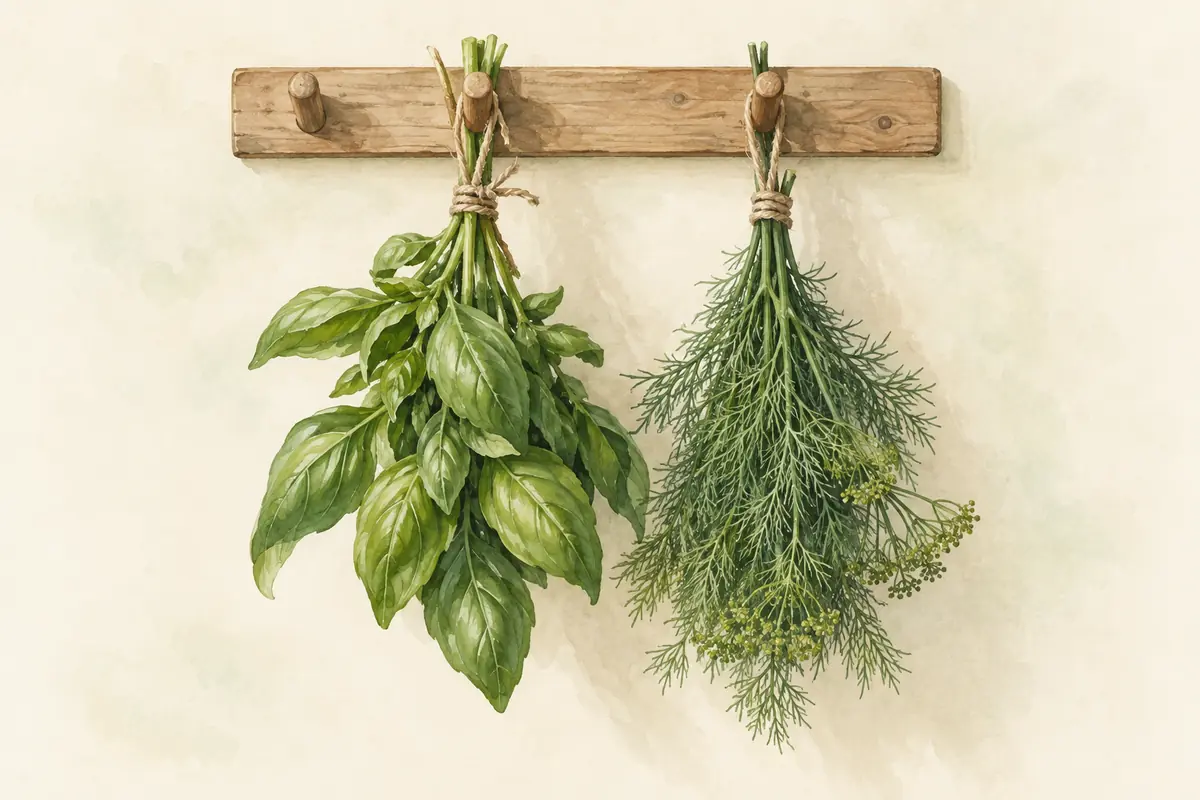
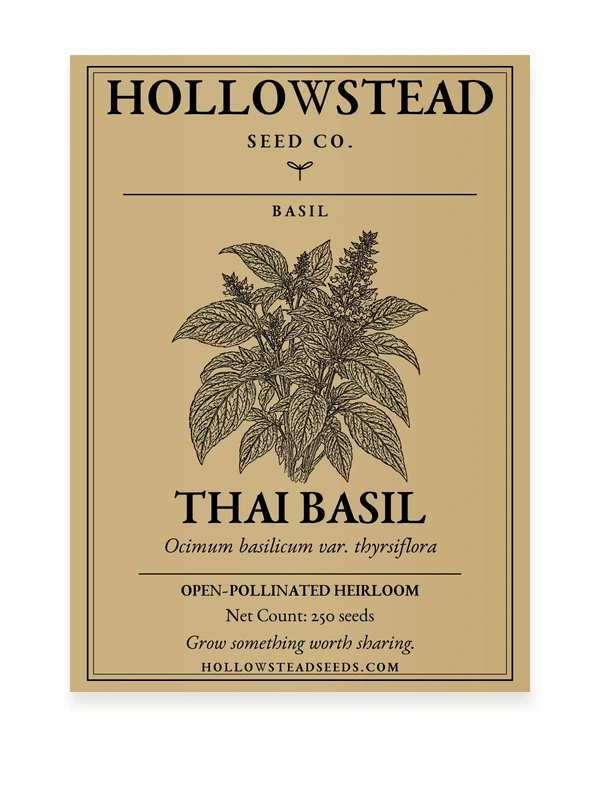
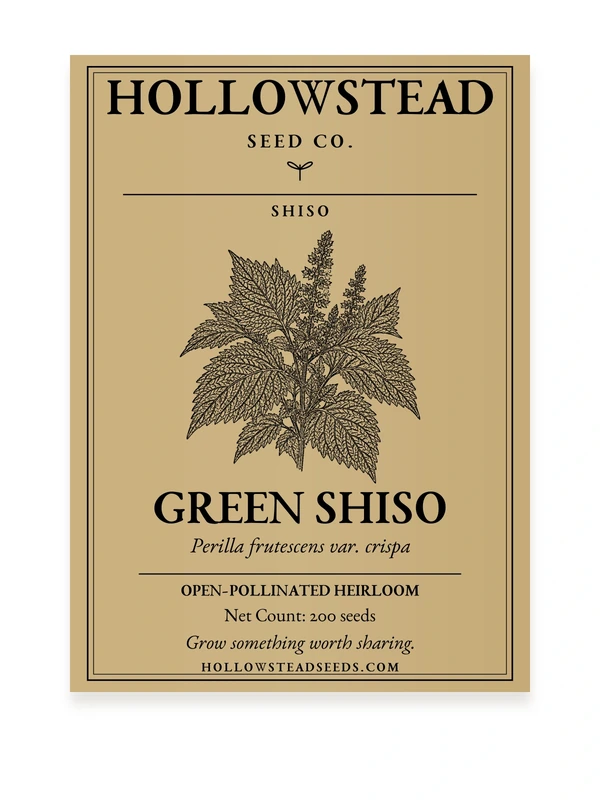
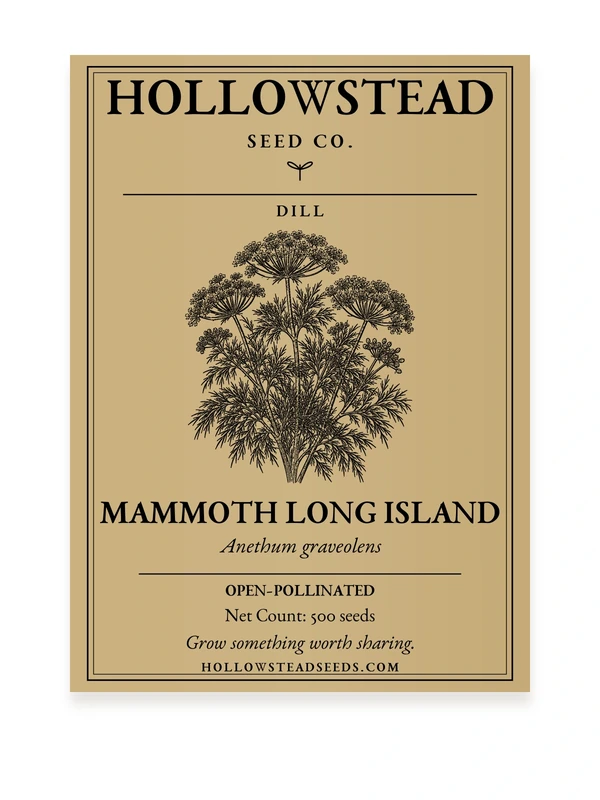
Thai Basil and Green Shiso offer different fresh flavors for warm-season meals when cilantro is harder to keep leafy. Mammoth Long Island Dill also offers leaves followed by seed, with a different flavor and a much taller flowering habit.
FROM PACKET TO GARDEN
Use part of the packet, then repeat.
Choose a cool window.
Start in workable, well-drained soil. Use sun in mild weather; a site with some afternoon shade can help as temperatures rise.
Sow in place.
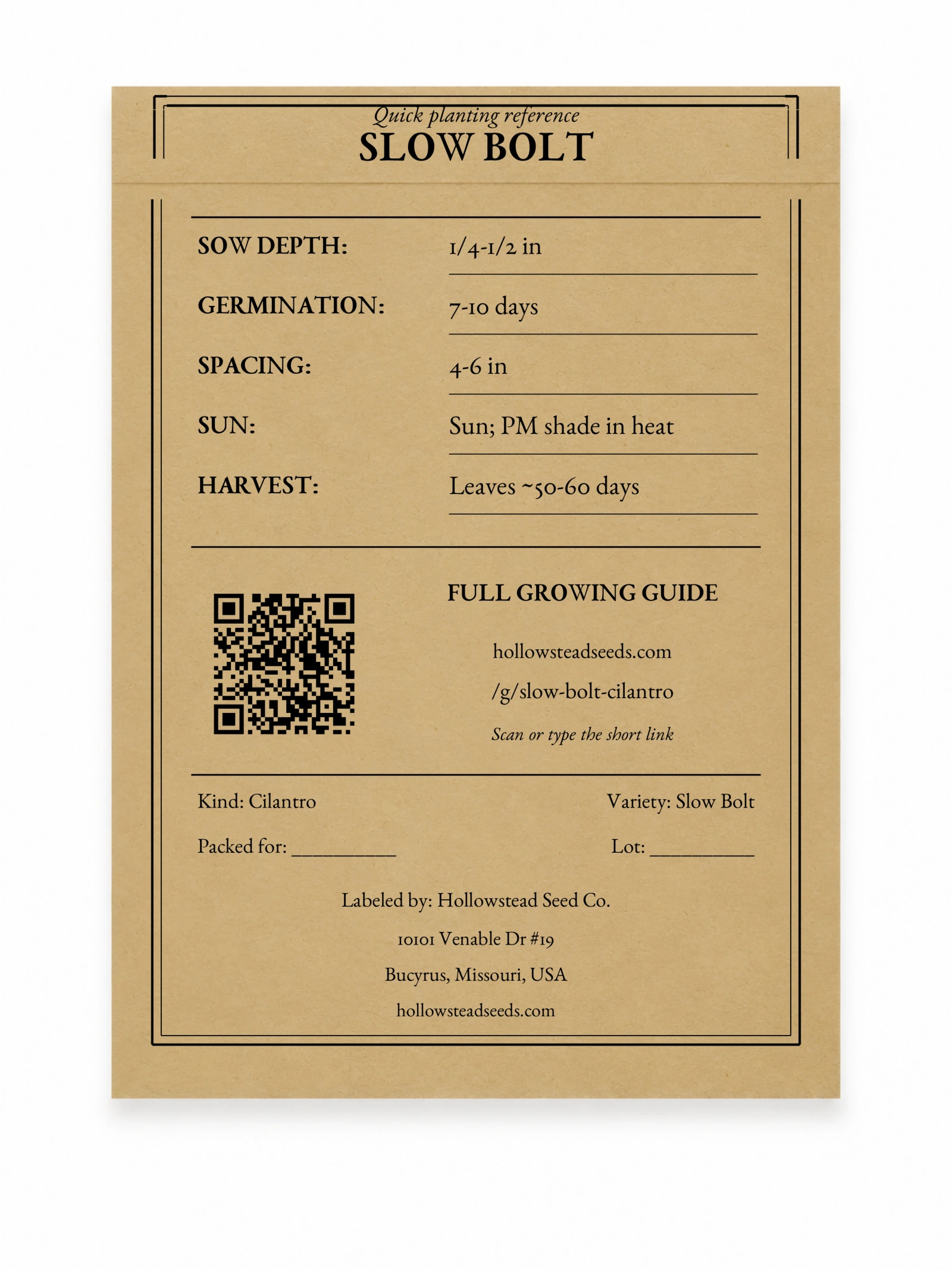
Plant ¼–½ inch deep and keep the seedbed moist. Thin to about 4–6 inches for individually picked leaf plants. Direct sowing avoids disturbing the taproot.
Label the next sowing.
Begin with small batches roughly 3–4 weeks apart during suitable weather. Reserve seed and space before the first planting is ready to pick. [3]
SMALL DECISIONS, BETTER HARVESTS
Practical growing tips
Choose picking or bunches.
Outer-leaf picking leaves the center growing. Pulling whole plants for a bunch ends that planting’s contribution; have a younger batch already coming.
Watch the center stalk.
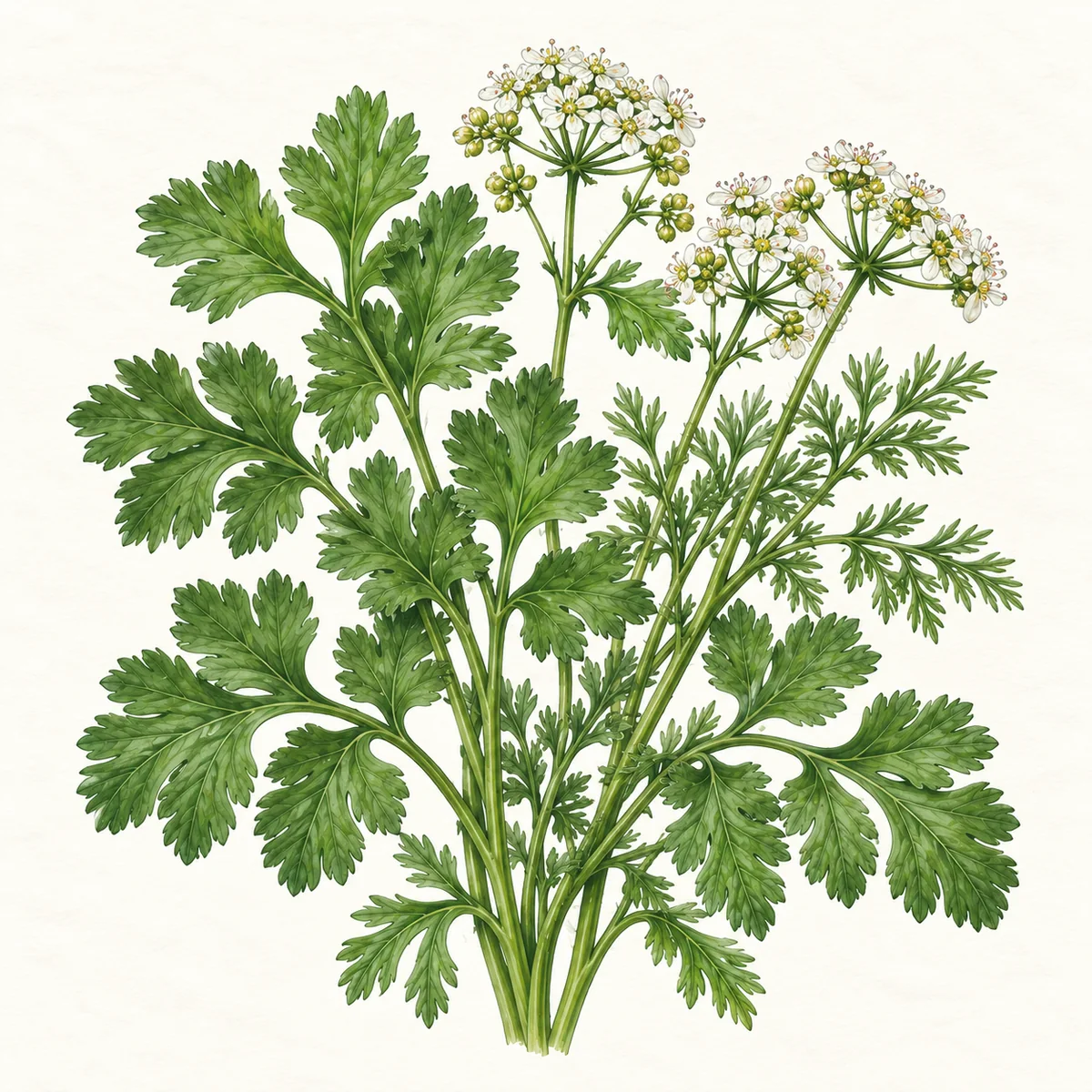
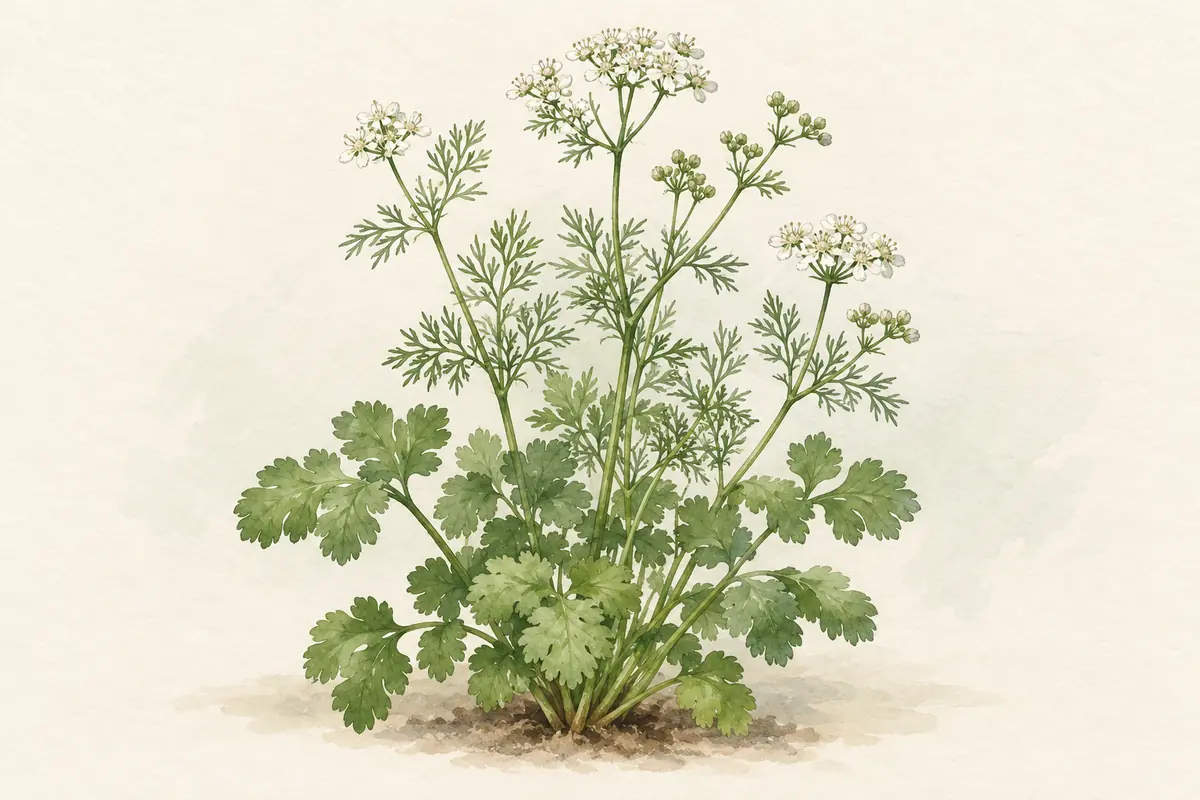
Fine upper leaves and a lengthening stalk signal the move to flowering. Harvest usable leaves and choose whether to clear the plant or keep it for coriander.
Move a hot pot.
A container beside a sun-baked wall can overheat even when the air feels mild. Shift it to morning sun with afternoon relief and check moisture below the surface.
Adjust the interval.
If you finish a row before the next one is ready, try a shorter sowing interval. If heat makes every batch flower too small, save seed for the next cooler window. [4]
FROM GARDEN TO KITCHEN
Leaves now, coriander later.
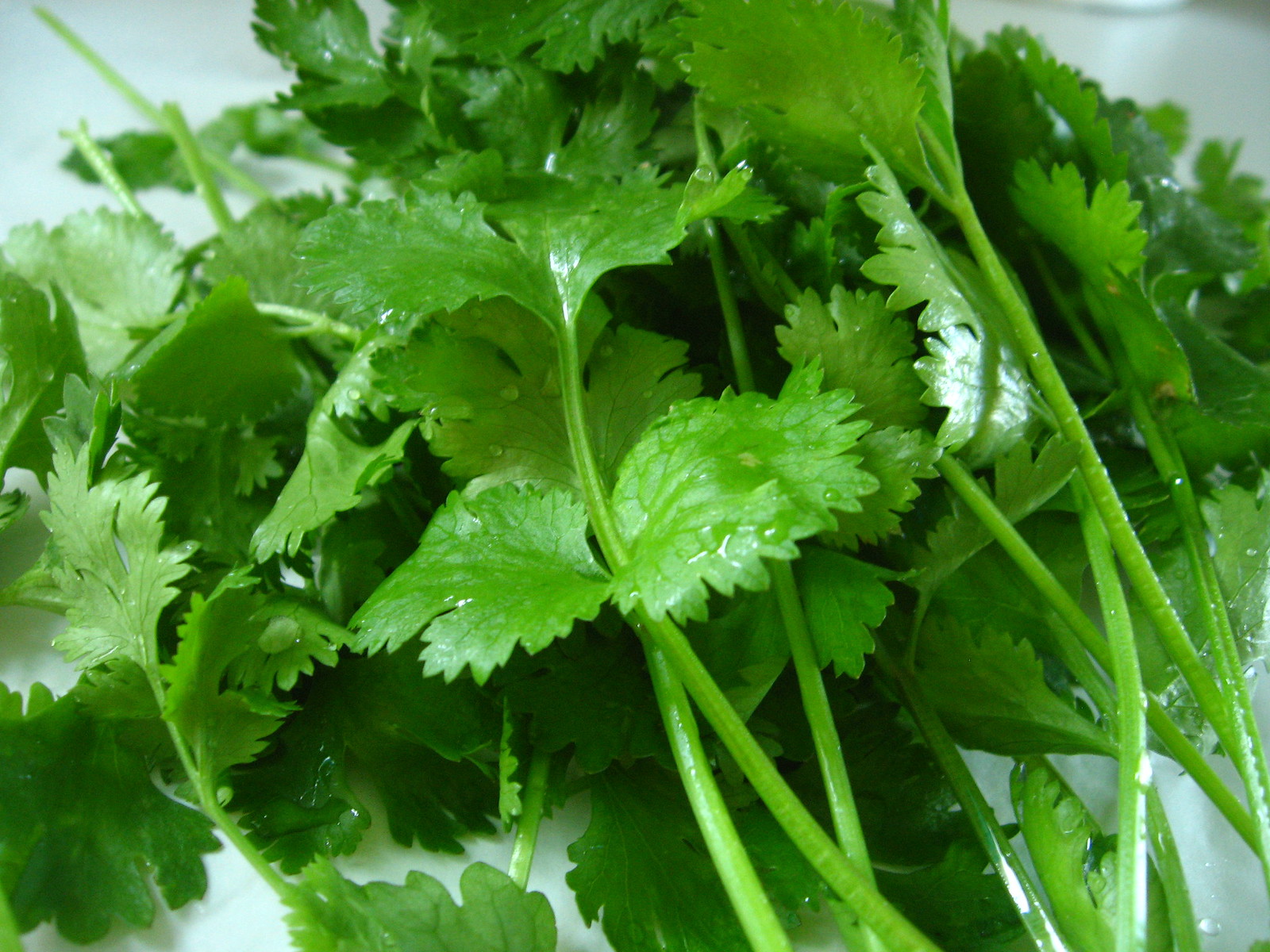
First leaves: pick a few outer stems once plants are established and the leaves are usable. Leave the center and enough healthy foliage for continued growth; record sowing and first-picking dates to learn your local timing.
For repeat picking: keep the center and most foliage. For coriander: stop heavy leaf harvest on selected plants, let them flower, and collect mature tan-brown seed heads before they shed.
A FEW THINGS WORTH KNOWING
Before you plant.
Will removing flowers stop bolting?
Cutting a flower stalk does not reliably return an aging plant to its earlier leafy stage. A new cool-weather sowing is the practical replacement.
Can I grow it in a container?
Yes. A wide pot about 10–12 inches deep gives more usable root room than a shallow herb tray. Sow directly into it and plan a second container for the next batch.
Are the packet seeds a food or sprouting product?
No. These are garden-planting seeds. Culinary coriander is harvested later from the plants you grow.
MAKE ROOM FOR THE HARVEST
Size the sowing to the meal.
Occasional garnish can come from a few lightly picked plants; frequent salsa or whole bunches need more plants and more frequent replacement. Keep a simple note of sowing, emergence, first picking, and first flower stalk.
Read the Slow Bolt Cilantro growing guide for succession choices, fall timing, and leaf-to-seed checkpoints.
Growing references
Extension and supplier guidance inform these recommendations; local weather and growing conditions set the pace.

Reviews
THIS PATCH IS JUST GETTING STARTED
Your garden could start the conversation.
No published reviews for this variety yet. Once you have tried these seeds, your experience can help another gardener decide what to plant.
A few honest details are worth more than a perfect growing season.