
GARDEN PLANNING
Succession Planting Herbs for a Longer Harvest
Avoid one huge herb planting followed by an empty gap. Learn how to stagger cilantro, dill, basil, and shiso sowings, overlap generations, use containers, and track the intervals that work in your garden.
HerbsGarden planningBeginner → advanced
Published by Hollowstead Seed Co. · How this guide is prepared
Quick answer
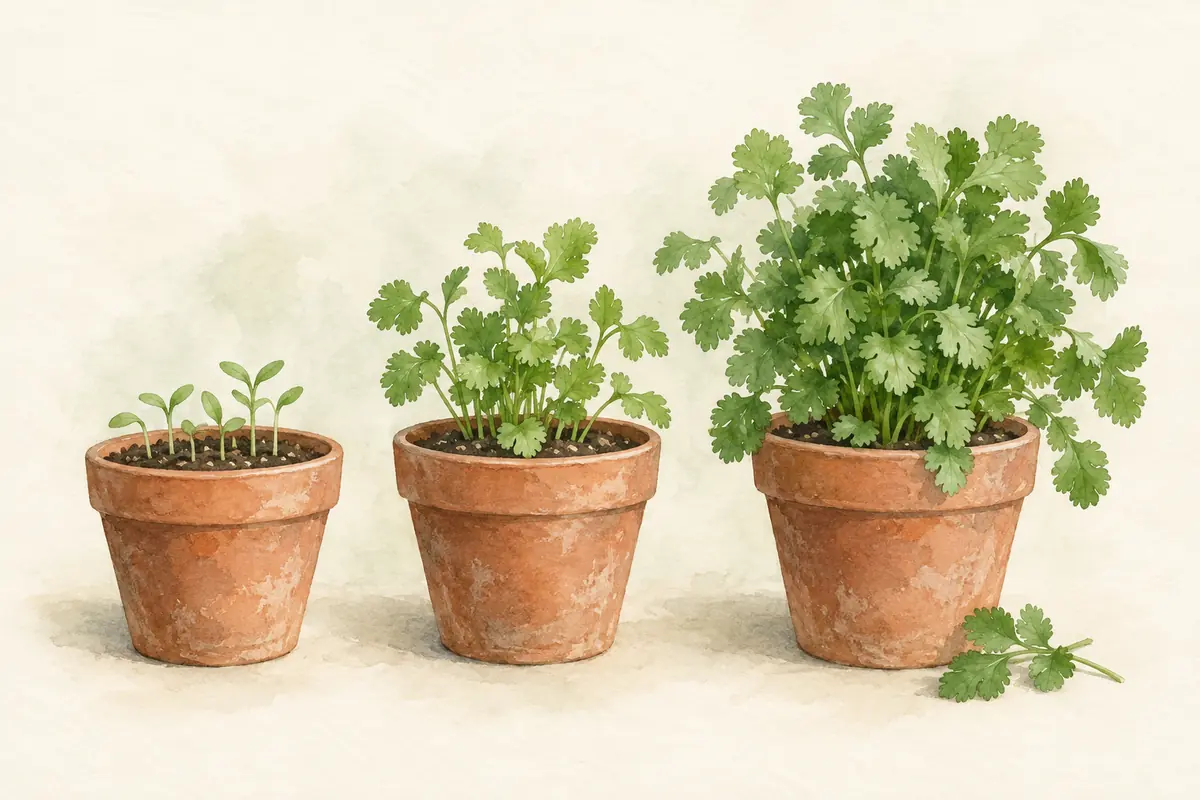
Succession planting means sowing or transplanting a small new batch before the previous batch is finished. It is especially useful for cilantro and dill, which move toward flowering, and it can also keep fresh basil and shiso coming through a long warm season. The goal is overlap—not one huge planting followed by a gap.
Use the crop’s season rather than a rigid calendar. Cilantro can be resown every three to four weeks during cool conditions, while basil and shiso are better repeated during warm weather. Dill can also be sown in small batches when you want a steady supply of foliage or flower heads.[4][2]
The short version: plant smaller batches, start the next one before the old one fades, and stop sowing when the coming weather no longer suits the crop.
Succession planting at a glance
| Question | Useful starting point |
|---|---|
| Cilantro | Repeat small sowings in cool weather |
| Dill | Repeat sowings for staggered foliage and flowers |
| Basil | Repeat or replace plants during warm weather if needed |
| Shiso | A second warm-season sowing can extend fresh leaves |
| Overlap | Start the next batch before the last one is finished |
| Record keeping | Note sowing dates and actual harvest length |
| Container option | Use separate pots as successive batches |
| End point | Stop when the next crop would mature in unsuitable weather |
- Map the seasonMark last spring frost, first fall frost, and your hottest midsummer period.
- Assign each herb a seasonCilantro favors cool windows; basil and shiso favor warmth; dill can be repeated through much of the season.
- Sow the next batch before the first declinesOverlap generations so the kitchen is never dependent on one aging planting.
- Harvest by roleKeep some plants leafy and let others progress to flowers or seed.
- Pause when conditions are wrongA forced midsummer cilantro sowing may be less useful than waiting for a better window.
- Record actual intervalsUse your own first-harvest and bolting dates to improve next year.
Why succession planting works for herbs
Leaf herbs are often harvested young, and some annuals naturally move toward flowering long before the gardening season ends. A younger planting lets you retire a woody, bolted, or tired plant without losing the entire harvest.
Match the rhythm to the herb
Cilantro is the clearest succession crop: Utah State recommends repeated sowing because warm weather quickly pushes plants toward seed.[1] Dill can also be sown in intervals when you want younger foliage while older plants flower. Basil and shiso have longer warm-season leaf windows, so they usually need fewer repeat plantings than cilantro.
Repeat sowing by season and demand
- Slow Bolt Cilantro: start with 3–4-week intervals in cool weather; shorten to 2–3 weeks for heavy use or fast crop turnover.
- Dill: small repeat sowings about every 2–3 weeks while the season can support the intended harvest.
- Thai Basil and Green Shiso: warm-season plants sustained by tip harvest, with fewer replacement plantings as needed.
- Use local seasons and frost dates; shiso flowering can respond to shortening days, so later sowing is no guarantee of autumn leaves.
Build a herb sowing calendar from the crop, not a generic interval
A fixed “sow every two weeks” rule is useful only when the crop and season support it. Illinois Extension recommends cilantro sowings about every three to four weeks and dill sowings about every two weeks as practical starting points.[4][5] Those are starting intervals, not laws: heat can shorten cilantro’s useful leaf window while cool weather may stretch it.
Build the calendar backward from your kitchen goal. If you want weekly cilantro bunches, you need overlapping plantings entering harvest at different times. If you want dill flowers for pickling, schedule sowings so umbels coincide with cucumber harvest rather than simply maximizing frond production.
Succession strategy by herb
For shiso, a later warm-season batch may replace aging plants, but shortening days can trigger flowering even on younger plants. Shiso photoperiod research supports this seasonal limit; do not count on a guaranteed autumn leaf extension.
Illustrative temperate-season plan: sow cilantro and dill in a cool spring; start basil and shiso for planting after frost; pause new cilantro sowings in peak heat; try cilantro again as weather cools. Shift each window for your own frost dates, weather, and packet instructions.
Overlap generations instead of planting in waves with gaps
Start the next batch while the current batch is still useful. By the time older cilantro begins flowering or dill becomes stemmy, the new row is already approaching harvest size. This overlap is the difference between succession planting and simply replanting after a crop is gone.
The same planning problem appears in a salad bed: a younger lettuce sowing can take over as an older crop loses quality. Follow succession planting lettuce for a crop-specific schedule; cilantro and lettuce can share a notebook without being assigned one identical harvest interval.
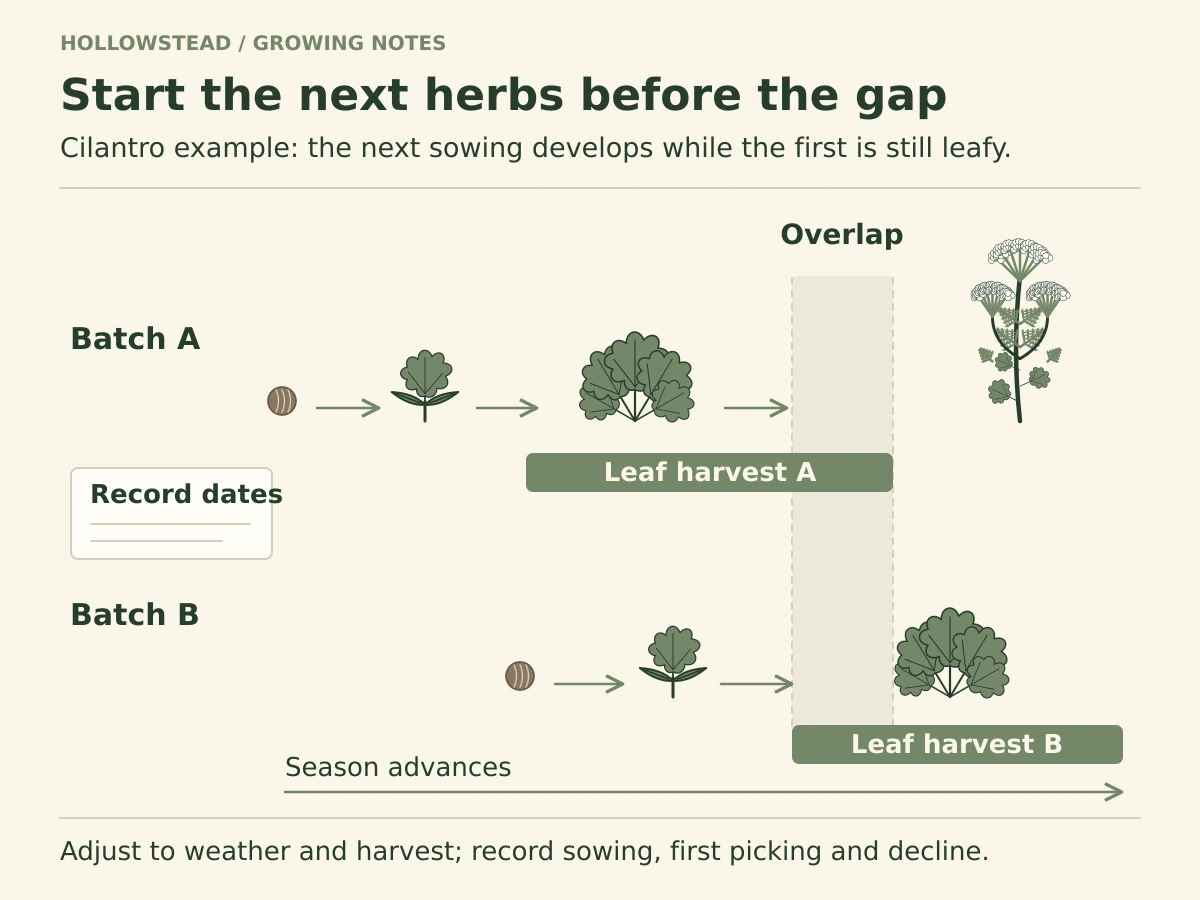 View full-size diagram
Use separate pots as batches
Containers make succession easy because each pot can represent one sowing date. When a cilantro pot bolts or a basil pot becomes tired, replace the entire container without disturbing the next batch.
Keep notes on your real intervals
Seed packet dates are planning estimates. Your weather, shade, container size, and harvest intensity determine how long a planting actually stays useful. Write down sowing date, first harvest, and when quality declined. After one season you will have a better local schedule than any generic chart.
Know when to stop sowing
Do not keep repeating a crop just because the calendar says two weeks have passed. If summer heat is arriving for cilantro or frost will arrive before a new basil batch can establish, wait for the next suitable window instead.
Adjust the interval to the harvest
Start cilantro with small sowings every 3–4 weeks in suitable cool weather, following Illinois Extension’s general baseline. Shorten to 2–3 weeks when you use leaves heavily or earlier plantings are nearing their usable limit; lengthen it if leafy plants are still supplying the kitchen. Track emergence as well as sowing dates. Repeated midsummer sowing may bolt before giving a worthwhile harvest; shade cannot make every hot spell suitable. Basil and Green Shiso usually need fewer replacement plantings because tip harvest can sustain them longer.
GROW THESE HERBS
Put the guide to work.
Explore Hollowstead’s herb varieties and put these techniques into practice.
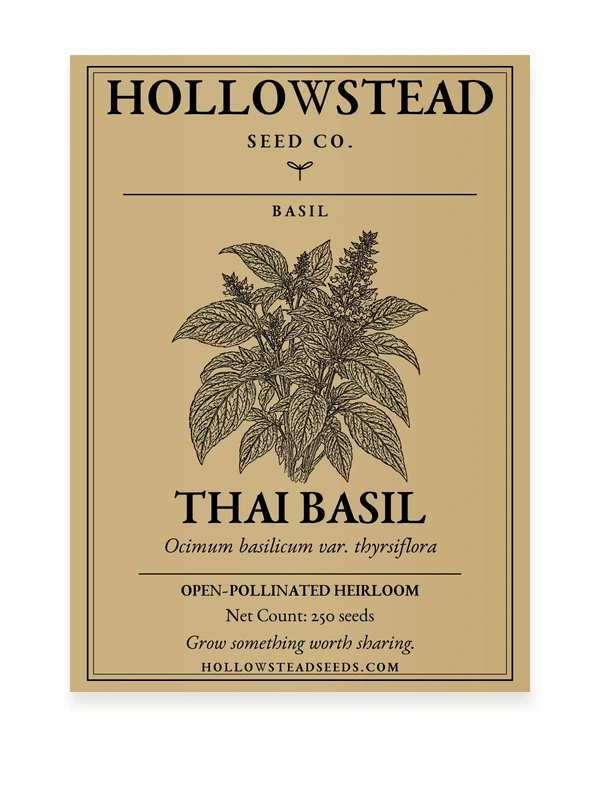
HOLLOWSTEAD SEED
Thai Basil Seeds
$3.49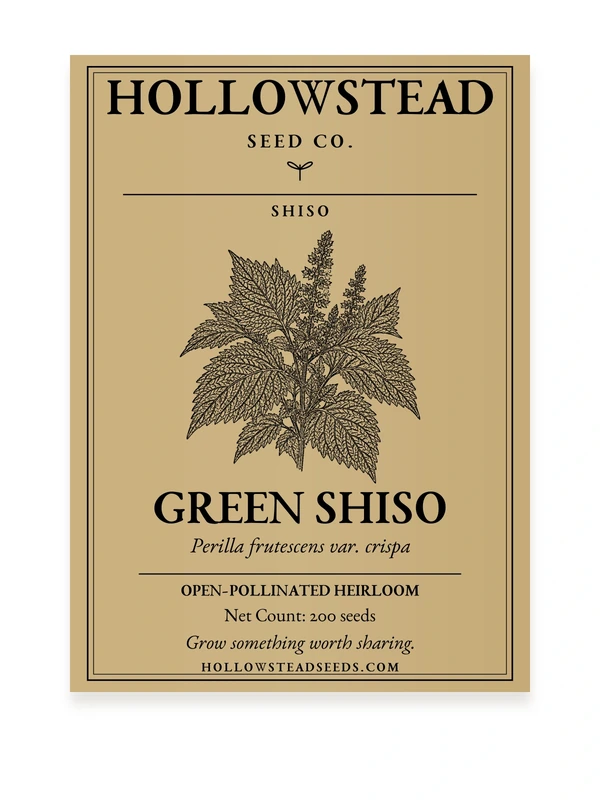
HOLLOWSTEAD SEED
Green Shiso Seeds
$3.49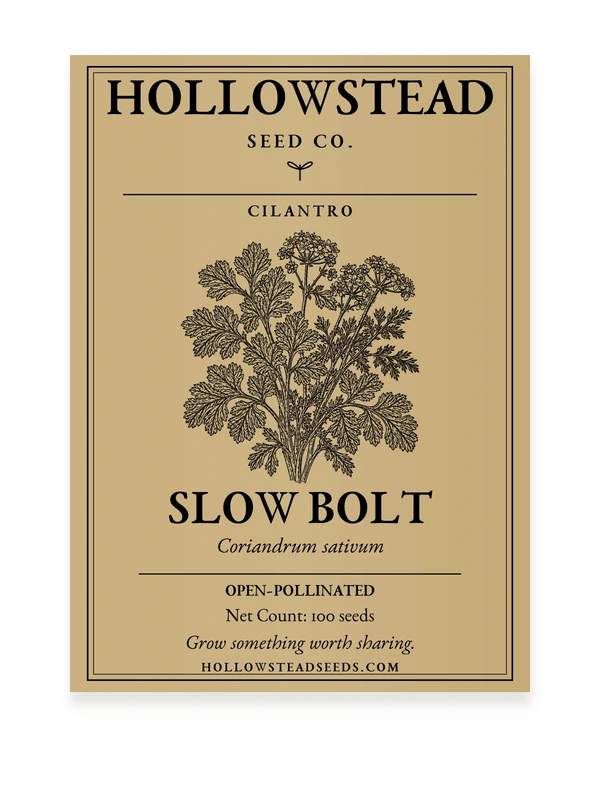
HOLLOWSTEAD SEED
Slow Bolt Cilantro Seeds
$3.49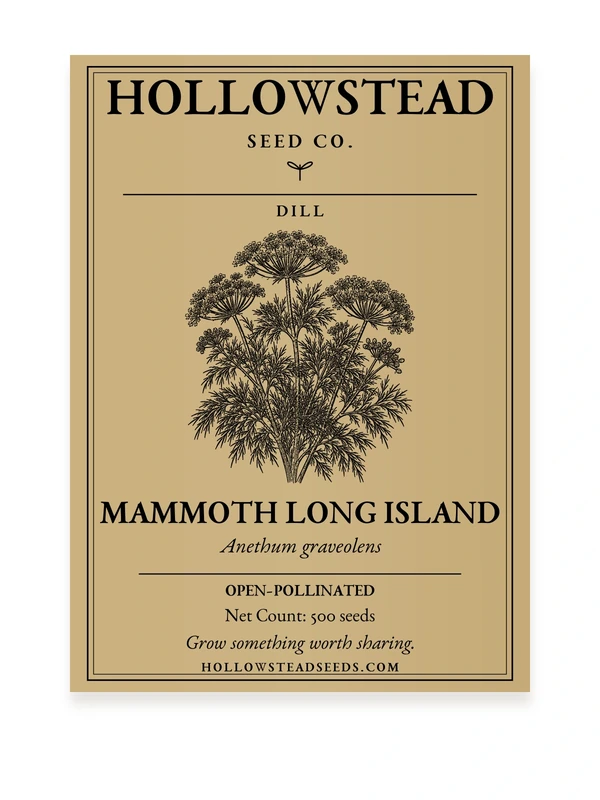
HOLLOWSTEAD SEED
Mammoth Long Island Dill Seeds
$3.49KEEP LEARNING
Related Hollowstead guides
TROUBLESHOOTING
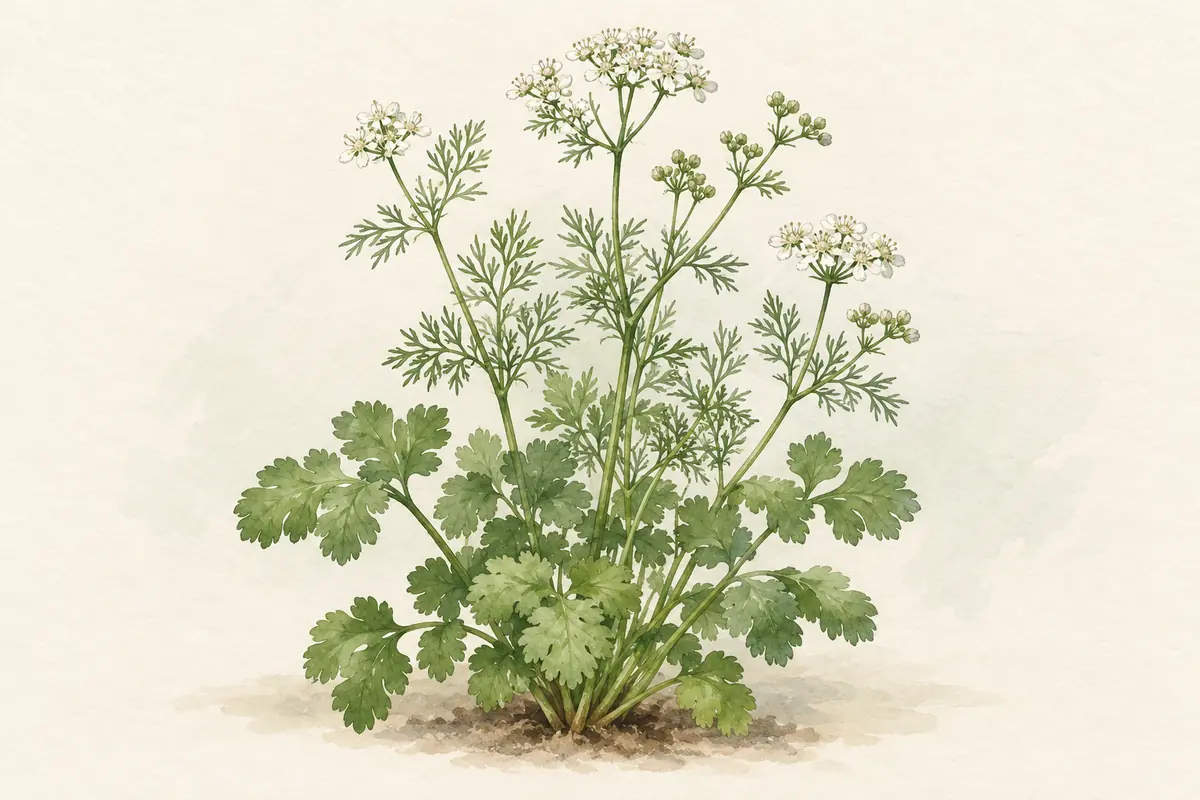
Why Herbs Bolt — and What to Do About It
Bolting is the shift from leafy growth to flowers and seed. Learn why heat, long days, maturity, water stress, and root stress push herbs to flower and what actually helps extend the leaf harvest.
Read the guide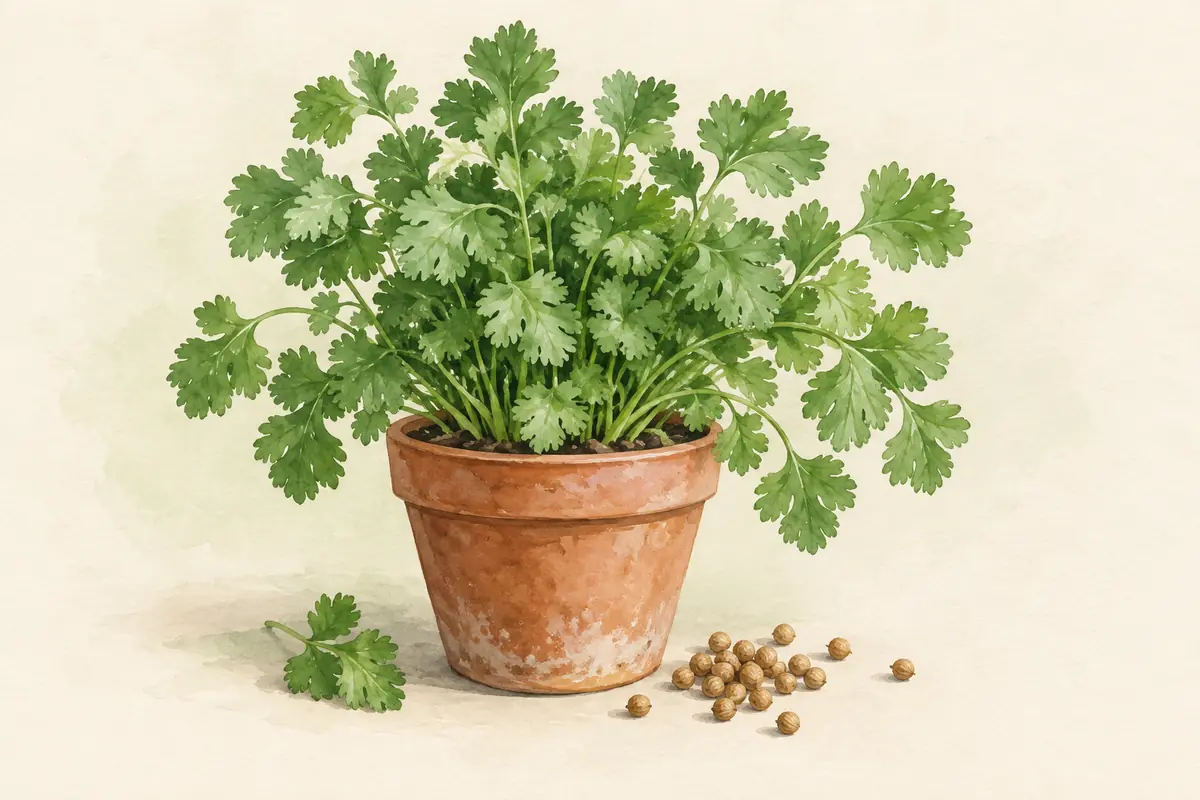
CILANTRO GUIDE
Slow Bolt Cilantro Growing Guide
Grow Slow Bolt cilantro as a cool-season leaf crop, then let selected plants finish for coriander seed. Learn succession sowing, harvest timing, heat management, bolting, and container care.
Read the guide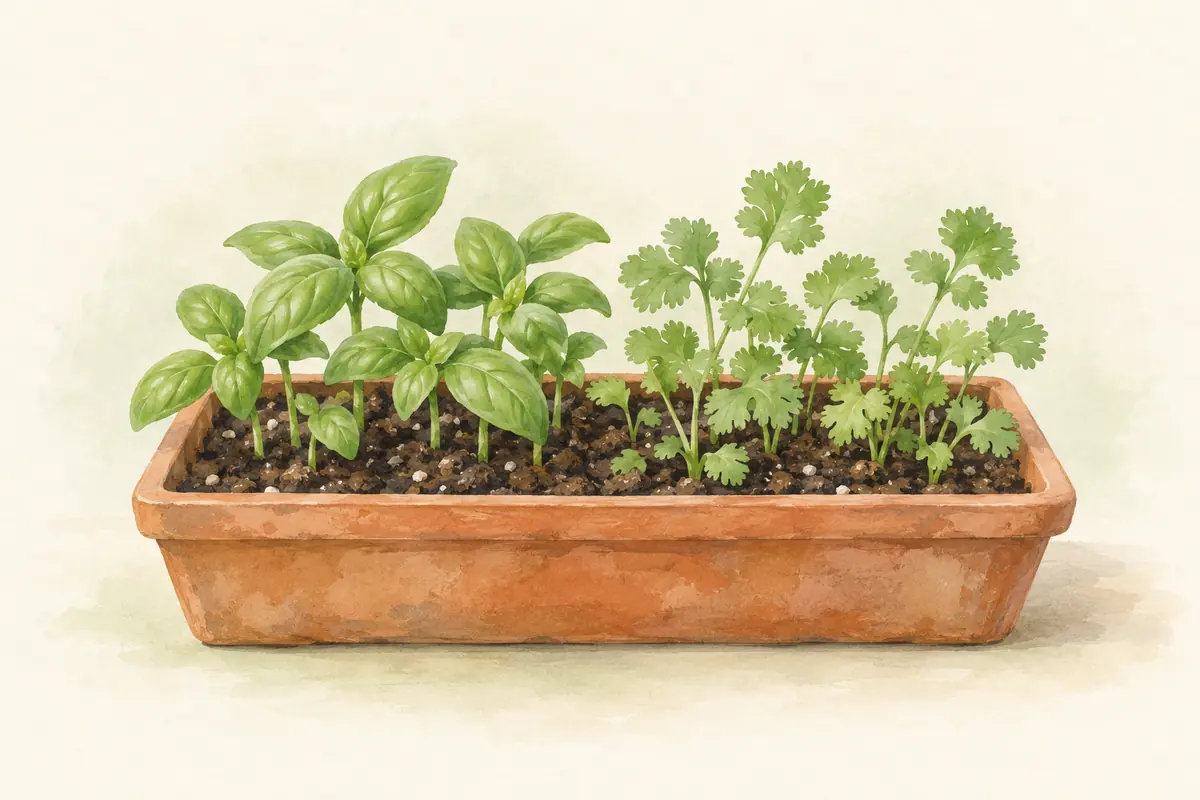
SEED STARTING
Growing Four Annual Herbs From Seed: Basil, Shiso, Cilantro & Dill
Start basil, shiso, cilantro, and dill with a crop-specific plan. Learn when to start indoors or direct sow, how to manage light and moisture, when to thin and transplant, and how to plan the first harvest.
Read the guideFrequently asked questions
Which herb benefits most from succession sowing?
Cilantro is one of the clearest examples because it has a relatively short leafy window in warming weather.
Do I need to sow every herb every two weeks?
No. Intervals vary. Cilantro and dill often benefit from frequent repeats; basil and shiso usually need fewer plantings.
Can I succession plant in containers?
Yes. Separate pots make it easy to stagger sowing dates and replace an old batch without disturbing a young one.
How do I know my best interval?
Track sowing date, first harvest, and when quality declines. Use those notes to tune the next planting rather than relying only on a generic schedule.
Sources & further reading
- Utah State University Extension Cilantro / coriander in the garden https://extension.usu.edu/yardandgarden/research/cilantro-coriander-in-the-garden
- University of Minnesota Extension Growing dill https://extension.umn.edu/vegetables/growing-dill
- University of Minnesota Extension Growing herbs in home gardens https://extension.umn.edu/garden-and-home/yard-and-garden/gardening-in-minnesota/growing-herbs
- Illinois Extension Cilantro https://extension.illinois.edu/herbs/cilantro
- Illinois Extension Dill https://extension.illinois.edu/herbs/dill
Hollowstead Growing Notes
A little help for your next growing season
Practical sowing advice, help choosing seeds, and occasional Hollowstead shop news. Usually one or two emails a month, plus a short welcome note.
Choose your topics and frequency after you confirm. Our guides and planting calendar are always free.