
TROUBLESHOOTING
Why Cucumbers Turn Bitter, Yellow, or Misshapen
Bitter flavor, yellow fruit, and crooked cucumbers are useful clues. Learn how stress, overripeness, water, and incomplete pollination affect fruit quality and what to change.
CucumbersTroubleshootingBeginner → advanced
Published by Hollowstead Seed Co. · How this guide is prepared
Quick answer
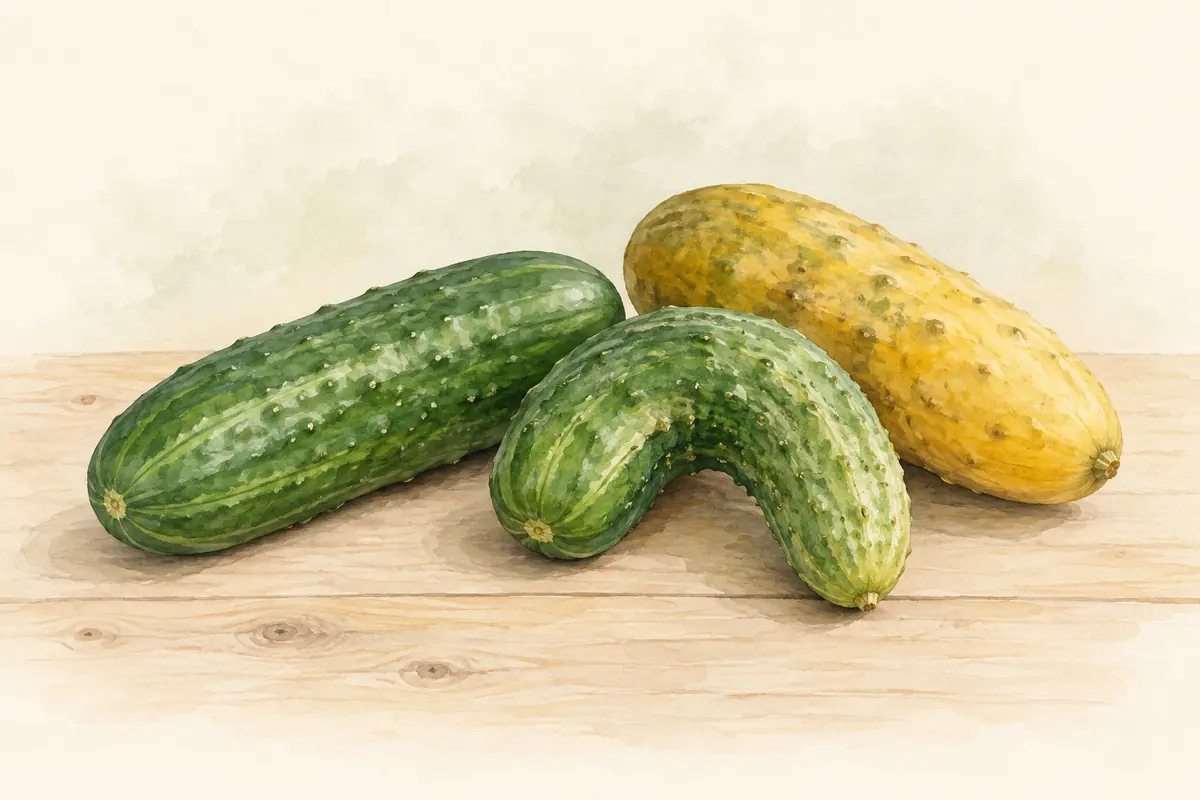
Bitter fruit is often associated with plant stress and cultivar genetics; drought and weather swings can increase bitter compounds. Yellow fruit on a normally green variety is commonly overmature. Lemon Cucumber is normally picked pale/light yellow; deep gold plus enlarged seeds and poor texture is the overmaturity warning. Misshapen fruit frequently points to poor pollination, though uneven growth conditions can contribute.[1][2][3]
If a cucumber tastes unusually or strongly bitter, stop eating and discard it; then check recent heat or drought, watering consistency, fruit age, pollinator activity, and whether leaves or vines show disease symptoms.[6] Remove badly overmature or malformed fruit so the plant can keep directing energy to new growth.
The short version: bitterness usually means stress plus genetics, yellow on green varieties usually means late harvest; pale/light-yellow Lemon fruit is normal, and misshapen fruit often means incomplete pollination.
Fruit-problem checklist
| Question | Useful starting point |
|---|---|
| Bitter | Look for drought, heat/weather stress, or a bitter-prone cultivar |
| Yellow | Check variety first: Lemon Cucumber is normally pale/light yellow. Deep color plus large seeds and poor texture indicates overmaturity. |
| Curved/nubbed | Investigate pollination and water consistency |
| Small fruit drops | Check female-flower pollination |
| Whole vine wilts | Consider disease or root problems—not just fruit quality |
| Best prevention | Steady moisture, timely harvest, healthy pollinators |
Fruit symptom diagnostic chart
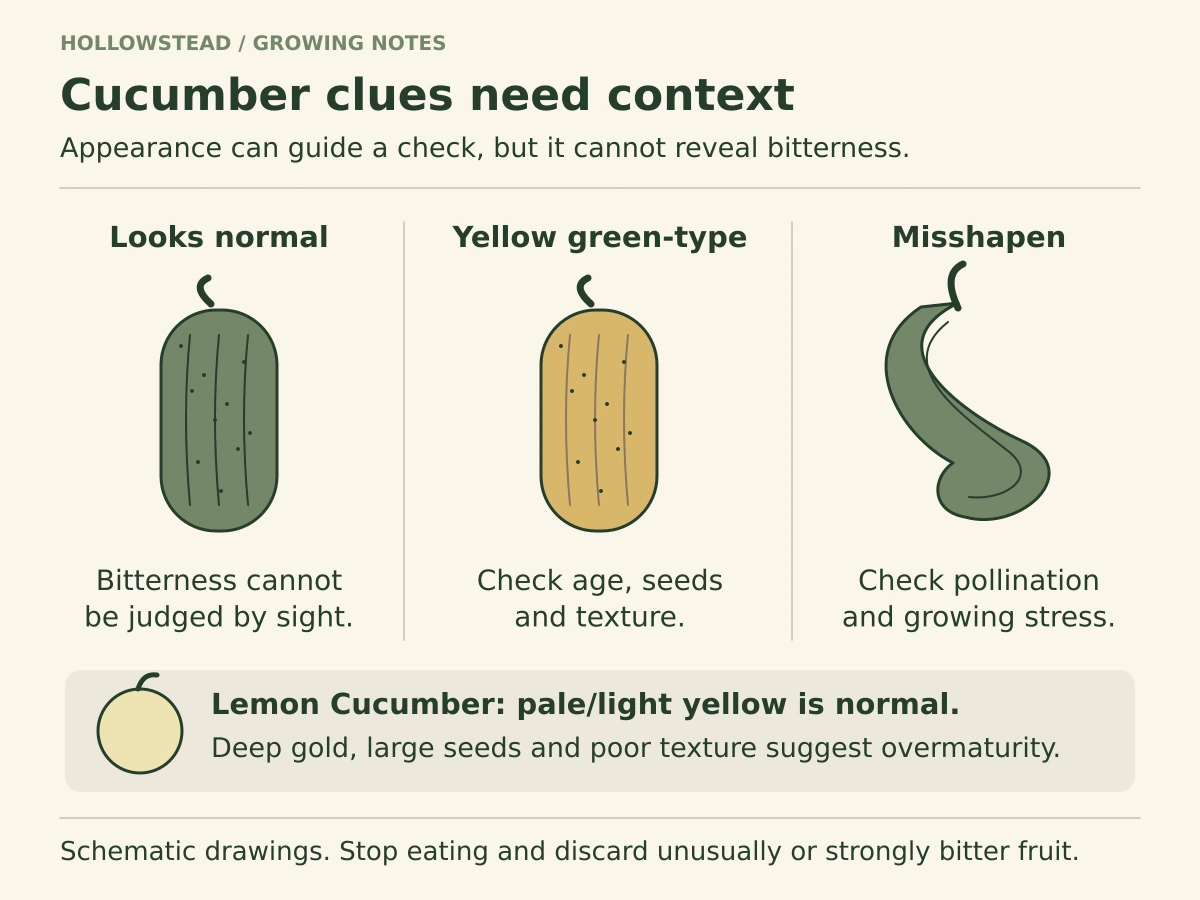
One strange cucumber is not a soil test. Fruit shape can vary because of pollination and weather. If several fruits and the foliage are abnormal at the same time, broaden the diagnosis to the whole plant.
Why cucumbers taste bitter
Cucumber bitterness comes from cucurbitacins. The amount varies by cultivar, and stress can increase the chance that bitterness becomes noticeable. Maryland Extension specifically notes severe drought stress as a trigger, while Minnesota Extension also points to weather and variety differences.[1][2]
Watering cannot change the genetics of a variety, but consistent moisture reduces one avoidable stress.
Bitterness is chemistry plus genetics plus conditions
Consistent water reduces avoidable stress, but it does not change a cultivar’s genetic tendency toward bitterness. Record which plants and harvest dates produce bitter fruit before deciding whether next year needs a different variety.
Taste location can also matter. Minnesota notes bitterness is often stronger near the skin and blossom end.[1] If bitterness is severe or persistent across fruit despite good conditions, variety choice is a more rational next-season intervention than adding fertilizer.
What to do with the cucumber you already picked
Mild bitterness limited to the skin can differ from strong bitterness throughout the flesh; Maryland notes that stress-related compounds can occur in both.[2] Peeling or trimming may remove some bitter tissue, but it is not a reliable safety test. If a cucumber tastes unusually or strongly bitter, stop eating it and discard it. Do not try to mask that taste in a salad, sauce or pickle.[6] WHO advises discarding food with an unusual taste; this is a conservative kitchen decision, not a claim that every faintly bitter peel causes illness.[5]
Then investigate the vine separately: record the plant, picking date and recent watering/weather. Removing that fruit handles today’s kitchen decision; steadier care or a different cultivar addresses future harvests.
Why cucumbers turn yellow
For green cucumbers such as Marketmore 76 and National Pickling, yellowing together with enlarged seeds and poorer texture usually means overmaturity. Lemon Cucumber is different: firm, pale to light yellow is its eating target. Do not remove good Lemon fruit just because it is yellow; deep gold, hard enlarged seeds and declining texture are the later-stage clues.[4]
Yellow fruit versus yellow leaves
A cucumber fruit turning yellow because it is overmature is a harvest problem. Leaves yellowing across the plant can point toward an entirely different set of causes—normal aging, root stress, nutrient problems, insects, or disease. Separate those observations before diagnosing. Removing one overripe fruit will not cure a vine whose foliage is declining, and fertilizing a healthy vine will not make an overripe fruit young again.
Why cucumbers become curved or misshapen
Poor pollination can leave part of the seed cavity incompletely fertilized, leading to fruit that is narrow, crooked, or underdeveloped at one end. Maryland Extension lists incomplete pollination as a common cause of deformed or undersized fruit.[3]
Uneven water and plant stress can also distort growth. If misshapen fruit appears after a stretch of cold rain with few bees, pollination is a strong suspect; if it appears during severe drought, water stress deserves equal attention.
Cucumber flavor, color and shape checks with the Lemon exception
- Compare fruit with its variety’s eating stage. Pale/light-yellow Lemon fruit is normal; deep gold with large seeds and poor texture is overmature.
Prevent the most common fruit-quality problems
Water deeply enough to moisten the root zone, then maintain a reasonably even rhythm instead of alternating drought and saturation. Harvest frequently so mature fruit does not sit on the plant. Support pollinators by keeping flowers accessible and avoiding unnecessary pesticide exposure during bloom.
Cucumber troubleshooting summary with variety-specific harvest color
- Check water stress and pollination, and judge harvest color by variety. Lemon Cucumber is normally eaten pale/light yellow.
Remove problem fruit promptly
Badly overgrown cucumbers, green varieties that have turned yellow, deep-gold Lemon fruit with poor texture, or severely misshapen fruit will not become better eating fruit if left longer. Removing them makes harvest easier to track and reduces the chance that a large mature fruit suppresses continued production.[4]
When fruit symptoms point to a plant disease
If the whole vine wilts suddenly, leaves develop strong mottling or distortion, or foliage shows powdery white growth, use a disease and pest diagnostic rather than treating the problem as simple pollination or harvest timing. Cucumber beetles, bacterial wilt, viruses, and mildews can create symptoms beyond fruit quality.[3]
Use a whole-plant diagnostic record
For recurring problems, record four things before changing inputs: the fruit symptom, the leaf/stem symptom, weather during flowering, and recent irrigation. Add a photo of the whole plant and a close-up. That simple record prevents a common troubleshooting mistake—changing fertilizer, water, and pest controls simultaneously and never learning which factor mattered.
Maryland’s cucumber problem key separates fruit-shape problems from leaf, stem, and whole-plant symptoms for a reason: a crooked fruit after a rainy pollination week is a different problem from a vine with angular leaf lesions, mosaic distortion, powdery growth, or sudden wilt.[3]
When the plant itself looks sick, photograph the pattern before removing tissue, inspect both sides of leaves, note whether symptoms started on old or new growth, and record recent weather. That evidence is far more useful than the fruit alone when you are comparing disease, insects, and environmental stress.
GROW THIS CUCUMBER
Put the guide to work.
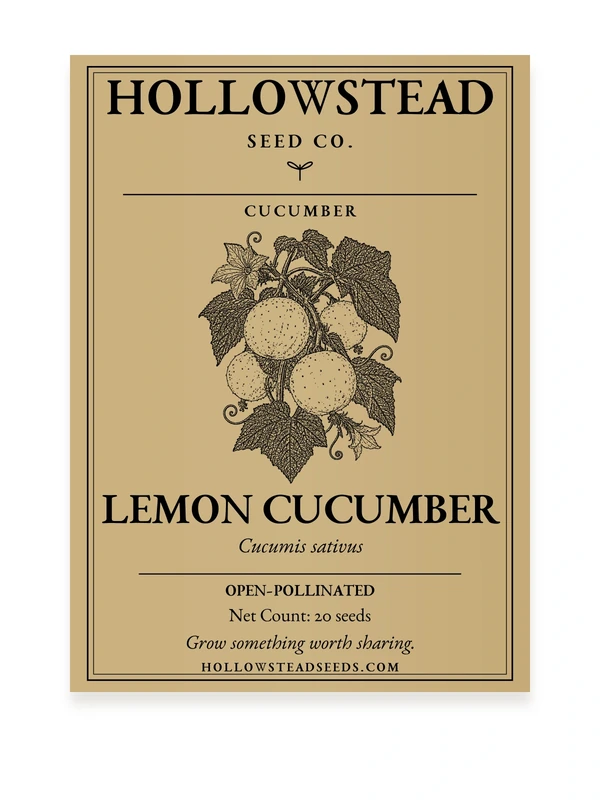
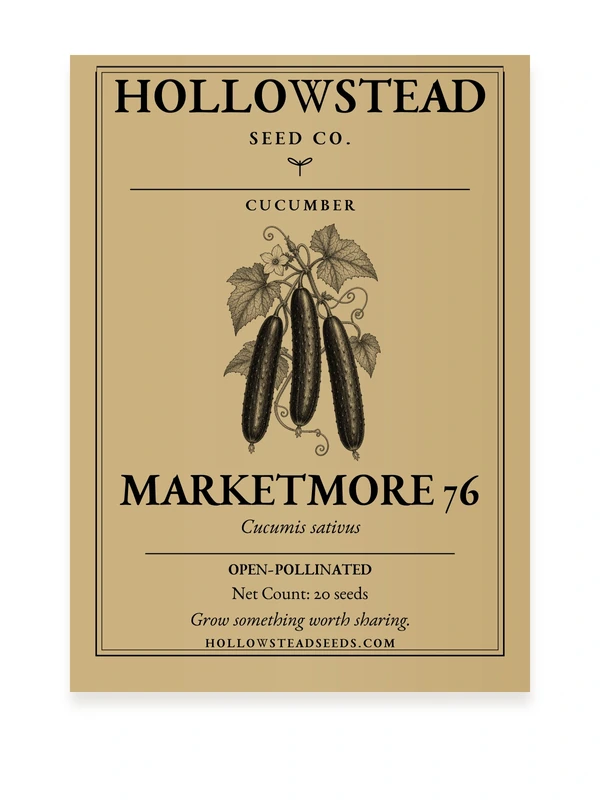
Choose Lemon for round salad fruit, Marketmore 76 for long green slices, or National Pickling for smaller pickling fruit; compare the three cucumber varieties to match your garden and harvest routine.
HOLLOWSTEAD SEED
Marketmore 76 Cucumber Seeds
$3.99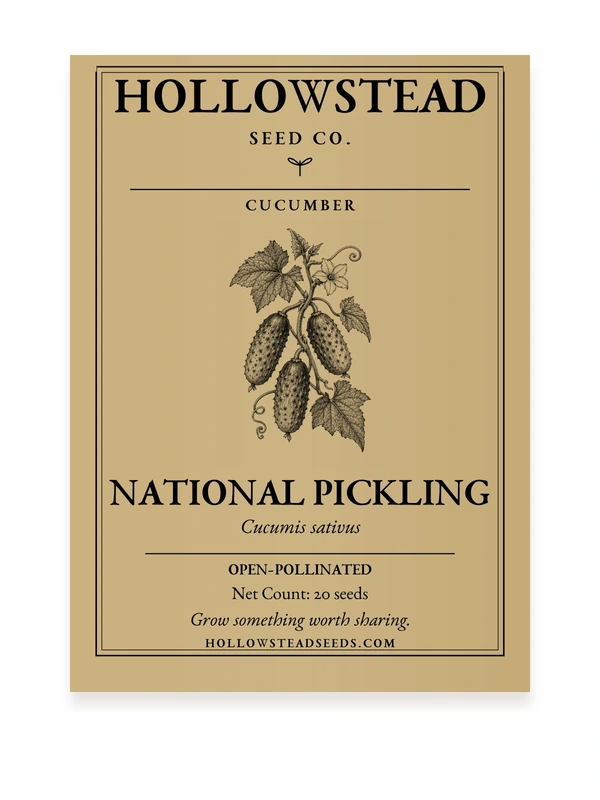
HOLLOWSTEAD SEED
National Pickling Cucumber Seeds
$3.99KEEP LEARNING
Related Hollowstead guides
POLLINATION GUIDE
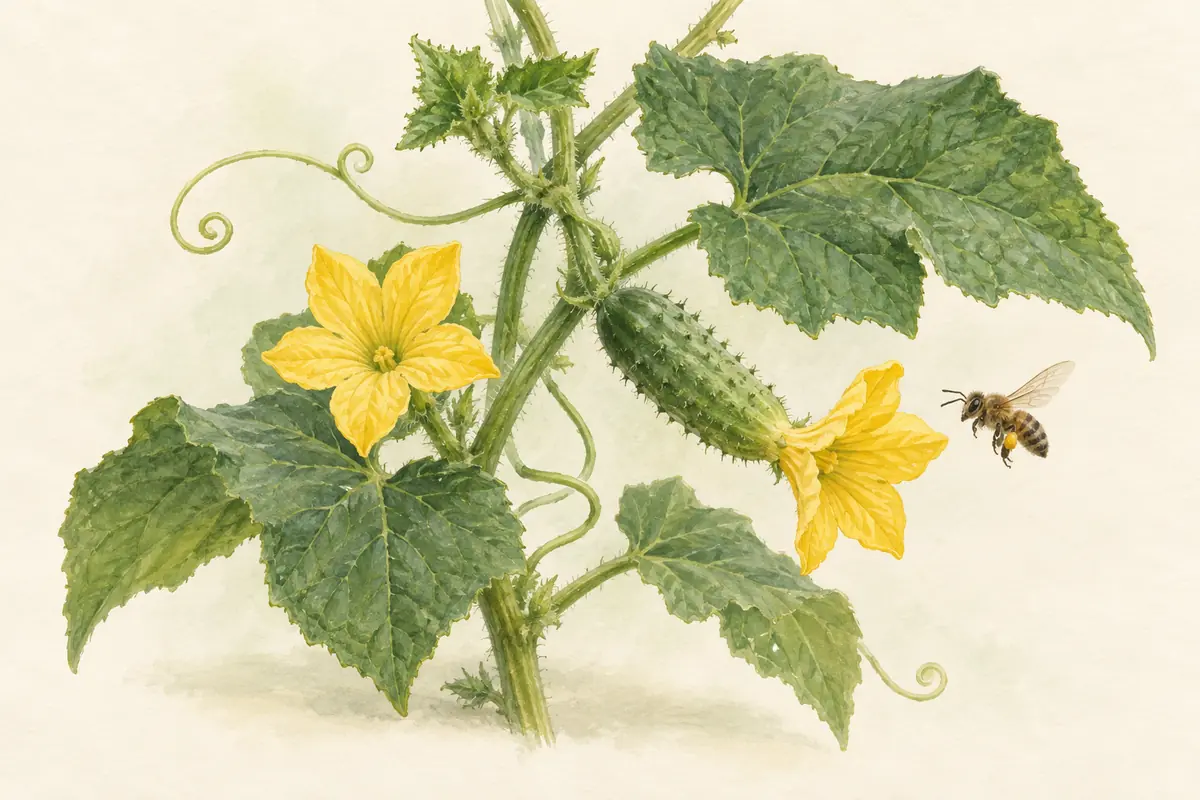
Cucumber Pollination: Why Flowers Don’t Make Fruit
Learn the difference between male and female cucumber flowers, how bees create fruit set, why fruit sometimes aborts or grows misshapen, and when hand pollination helps.
Read the guide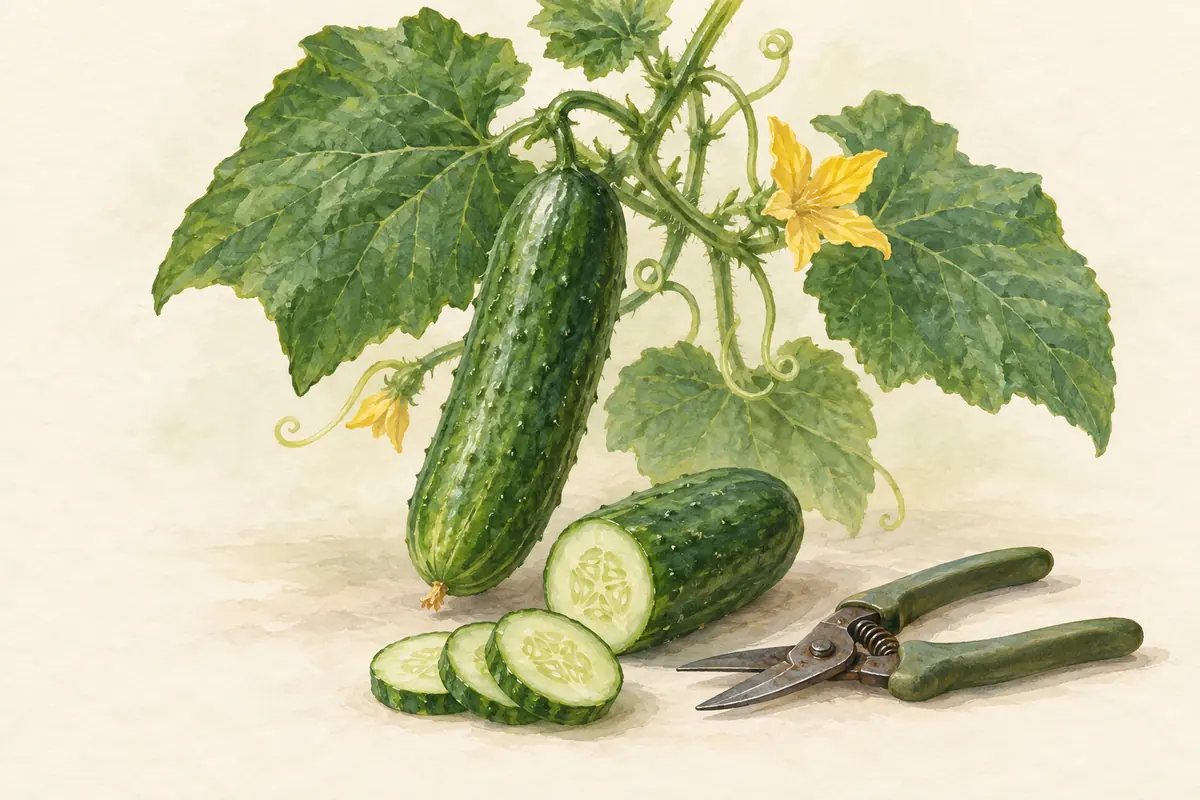
HARVEST GUIDE
When and How to Harvest Cucumbers
Cucumbers move from perfect to overgrown quickly. Learn how size, color, firmness, variety, picking frequency, and gentle harvest technique tell you when fruit is ready.
Read the guide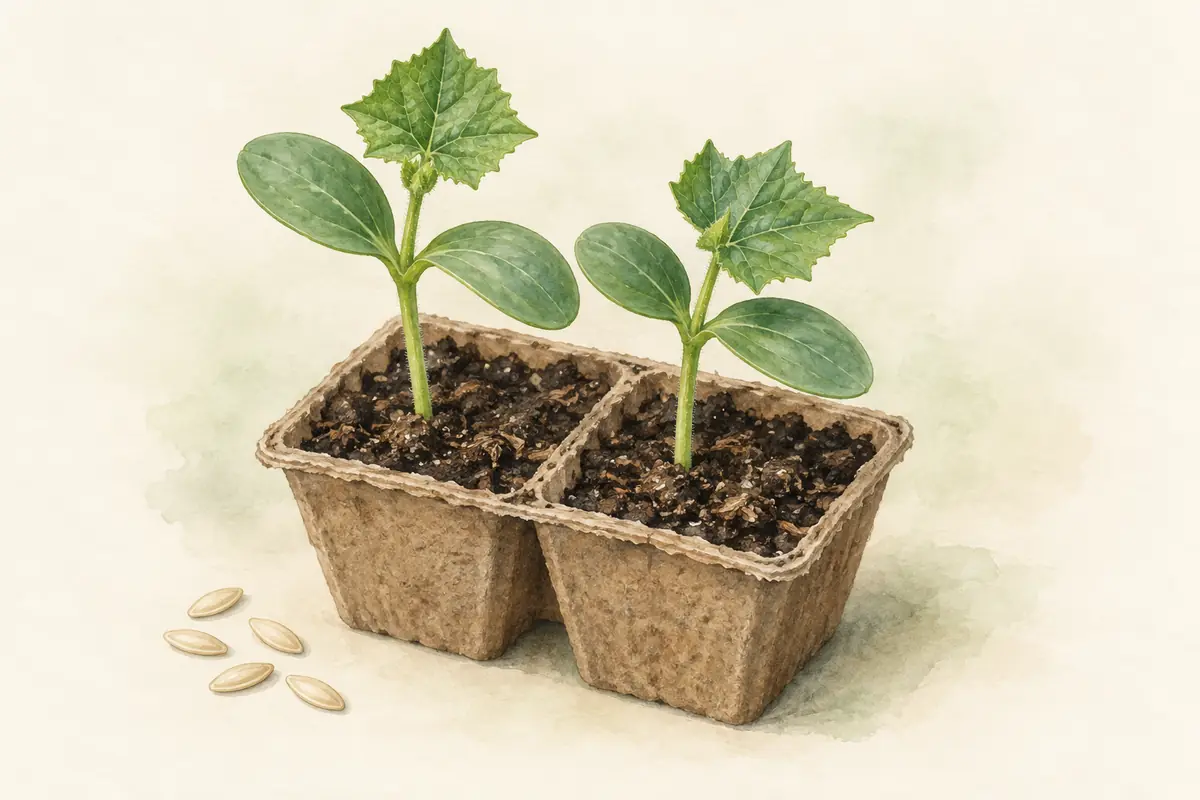
CUCUMBER SEED STARTING
Growing Cucumbers From Seed: The Complete Guide
Grow cucumbers from seed with warm-soil timing, direct sowing or careful transplanting, steady moisture, trellising, pollination, and frequent harvest.
Read the guideFrequently asked questions
Should I eat a cucumber that tastes strongly bitter?
No. Stop eating and discard unusually or strongly bitter fruit; peeling is not a dependable safety test. Investigate water stress and cultivar separately for future harvests.[5]
Why is my cucumber bitter only near one end?
Bitter compounds are often concentrated near the skin and blossom/stem regions, and stress can intensify them. Variety also matters.
Can a yellow cucumber turn green again?
No. A cucumber that has yellowed from overmaturity will not return to the ideal eating stage.
Why are my cucumbers fat on one end and skinny on the other?
Incomplete pollination is a common cause. Weather that limits bee activity can contribute.
Should I leave misshapen cucumbers on the vine?
Usually no. If the fruit is clearly malformed or overmature, remove it and focus on steady moisture and pollination for the next fruit set.
Sources & further reading
- University of Minnesota Extension Growing cucumbers in home gardens https://extension.umn.edu/garden-and-home/yard-and-garden/gardening-in-minnesota/growing-cucumbers
- University of Maryland Extension Off Flavor or Poor Eating Quality of Vegetables https://extension.umd.edu/resource/flavor-or-poor-eating-quality-vegetables
- University of Maryland Extension Key to Common Problems of Cucumbers https://extension.umd.edu/resource/key-common-problems-cucumbers
- Illinois Extension Cucumber | Home Vegetable Gardening https://extension.illinois.edu/gardening/cucumber
- World Health Organization — Natural toxins in food (discard food with an unusual taste) https://www.who.int/news-room/fact-sheets/detail/natural-toxins-in-food
- Hong Kong Centre for Food Safety Cucurbitacins in Cucurbitaceous Vegetables https://www.cfs.gov.hk/english/multimedia/multimedia_pub/multimedia_pub_fsf_172_04.html
Hollowstead Growing Notes
A little help for your next growing season
Practical sowing advice, help choosing seeds, and occasional Hollowstead shop news. Usually one or two emails a month, plus a short welcome note.
Choose your topics and frequency after you confirm. Our guides and planting calendar are always free.