
HARVEST GUIDE
How to Harvest Leaf Lettuce and Romaine
Choose between outer leaves, baby-leaf cuts, and finished romaine heads. Learn where to cut, what to leave for regrowth, when quality is slipping, and how to handle fresh lettuce safely.
LettuceHarvest guideBeginner → advanced
Published by Hollowstead Seed Co. · How this guide is prepared
Quick answer
For repeated leaf harvests, remove selected outside leaves and leave the crown and small center leaves intact. For a finished romaine head, cut the whole plant near the soil line when its upright leaves have formed a useful head. The two methods serve different goals.[1][2]
Pick while the leaves are tender and acceptable to taste; do not wait for the packet’s day count if heat or an emerging flower stalk is reducing quality. A cut intended for regrowth must stay above the growing point. A whole-head harvest can be treated as the end of that plant’s main crop.
At a glance
| Decision | Useful starting point |
|---|---|
| Outer-leaf harvest | Take a few usable outside leaves; preserve the center |
| Baby-leaf cut | Cut above the crown if attempting another harvest |
| Romaine head | Harvest an upright, filled head before the stalk elongates |
| Tools | Clean sharp scissors, shears, or knife |
| After picking | Shade promptly, handle gently, and refrigerate |
| Food handling | Wash under running water before preparation or eating |
Choose the cut that matches your next meal
You do not need to harvest every lettuce plant the same way. One row can supply a few leaves for sandwiches while another finishes into heads. Decide what you want from each plant before you put scissors into its center.
| Method | Best use | What remains |
|---|---|---|
| Outer-leaf picking | A modest amount at a time | A growing center and most of the plant |
| Baby-leaf cutting | A larger bowl of small leaves | Short leaf bases and an intact crown if cut carefully |
| Whole-plant harvest | One complete loose-leaf plant or romaine head | A stump, or empty space if you remove the roots |
| Thinning harvest | Using edible young plants while opening space | Better spacing for the selected plants |
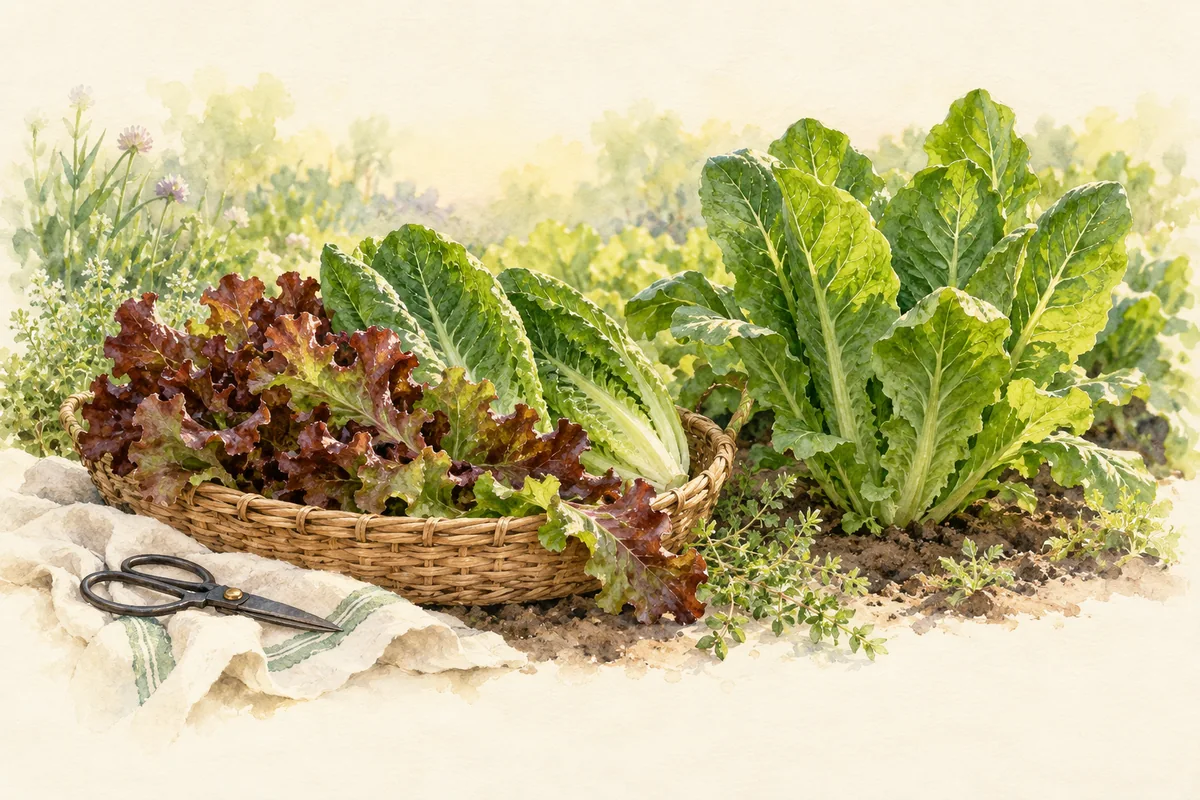
Red Sails is an open loose-leaf lettuce, so waiting for a tight supermarket-style head misses its natural form. Parris Island Cos grows upright overlapping leaves that can form a romaine head. Both can also provide young leaves.
Use the expected maturity as a reminder to inspect the crop. It describes a target stage under stated conditions, not the first day a leaf becomes usable. Our maturity guide explains why baby leaves, full heads, and seed maturity follow different timelines.
Pick outer leaves without damaging the center
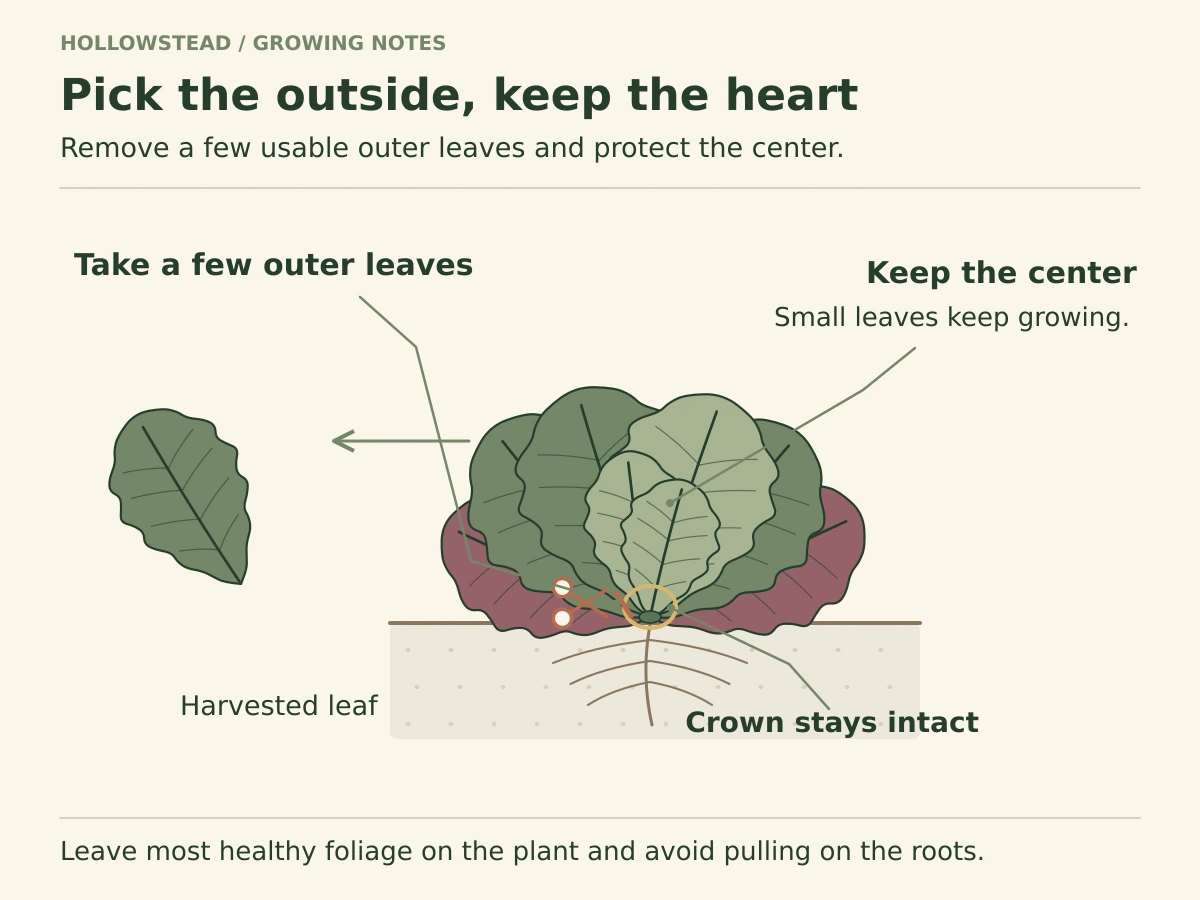
Look for outside leaves that have expanded enough for your purpose. Leaf lettuce is often harvested with leaves around 4–6 inches long, but size is a useful cue rather than a strict threshold.[3] Smaller leaves suit a tender salad; larger sound leaves may suit sandwiches or wraps.
- Find the newest folded or small leaves in the center. That is the area to protect.
- Support one outside leaf and cut or gently detach it near its base without pulling the plant from the soil.
- Take a few suitable leaves from each of several plants rather than stripping one plant bare.
- Leave enough healthy foliage to support continued growth, and stop if the center is hard to see.
- Revisit the plant when it has produced more usable leaves, not merely because a fixed number of days has passed.
 View full-size diagram
This method is easiest when plants have their proper spacing. If you cannot reach one leaf without tearing its neighbor, thinning or harvesting whole plants may be the better next step. Keep damaged discard leaves out of the harvest container so you can clean the usable crop without sorting it twice.
Do not pull upward on a handful of leaves. Lettuce roots are relatively shallow, and a tug can loosen a small plant. Take particular care in recently watered loose mix or when a young transplant has not yet anchored itself.
Cut a baby-leaf patch with the crown in mind
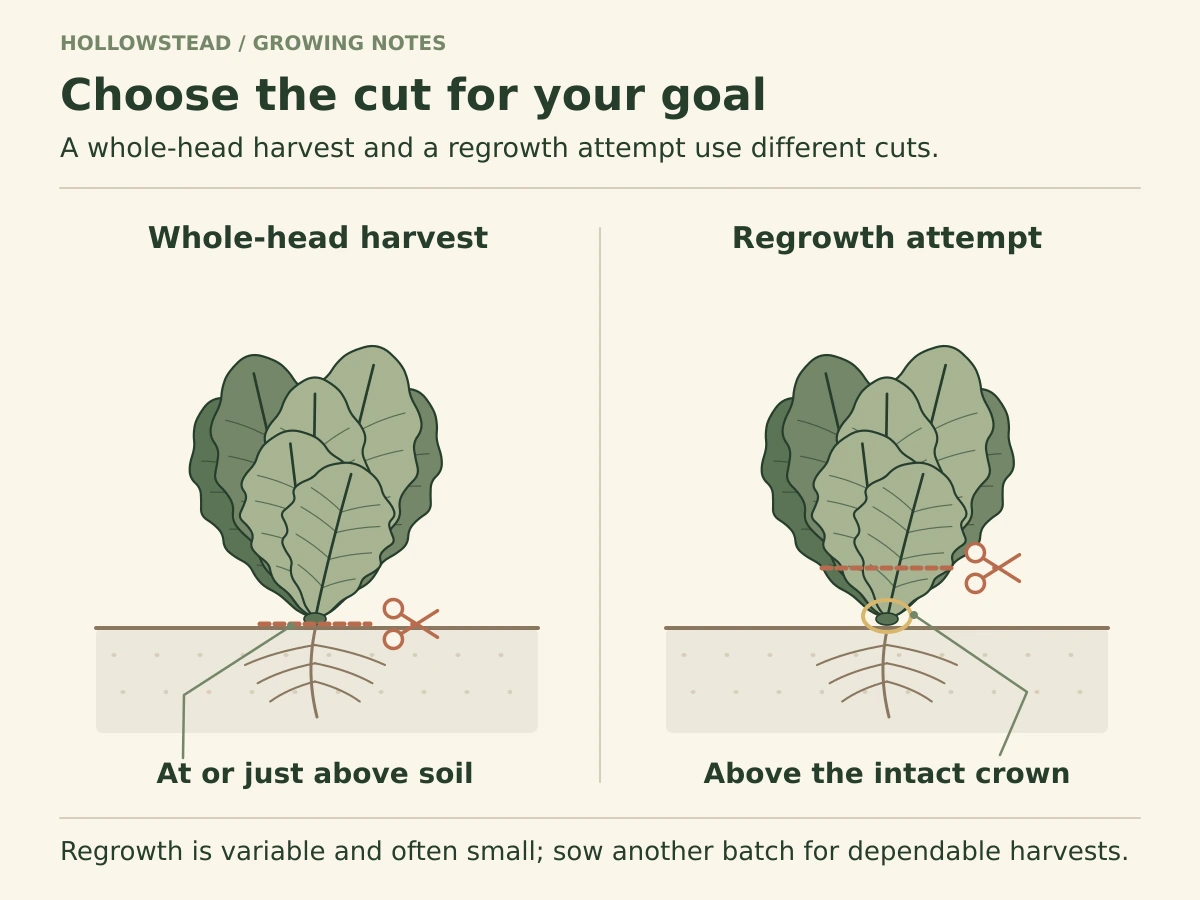
A closely sown patch is convenient when you want small leaves together. Use clean sharp scissors and cut a small section first so you can see what remains. If you want another harvest, keep the cut above the crown and leave short leaf bases. Seed Savers Exchange gives a general cutting height of about 1–2 inches above the soil for young loose-leaf lettuce.[4]
The plant’s structure matters more than a ruler alone. An uneven bed can put one crown higher than the next. Cutting blindly across a lumpy patch may remove growing points even when the scissors appear to be at a consistent height. A deliberately higher first cut is easier to inspect and correct than one that has already removed the center.
After cutting, keep the root zone appropriately moist and watch for new growth. A second harvest depends on healthy plants, suitable weather, and an undamaged growing point. It may be smaller or less even than the first. Remove rotting bases and do not count on regrowth to bridge your entire next harvest window.
Mark the cut section so you can compare it with a new sowing. That comparison helps you decide whether repeating the cut is worthwhile in your garden or whether fresh plants use the space better. Succession planting provides a dependable replacement plan.
Harvest a romaine head at the right stage
Inspect the shape as well as the height. Romaine should have elongated, overlapping leaves and a reasonably filled upright head. It does not need to become as hard as iceberg lettuce. If the center begins stretching into a distinct stem, you are moving toward flowering rather than simply a bigger head.[5]
For Parris Island Cos, begin checking ahead of its approximate 65–70-day maturity estimate from sowing, especially in warming weather. A smaller sound head can be a better harvest than a larger one held until leaves become tough or bitter. Taste a clean sample from a sound plant if you are unsure of eating quality.
Support the head with one hand and make a clean cut near the soil surface with the other, keeping the blade clear of soil as much as possible. Remove coarse, dirty, or damaged outer leaves as needed. Put the head into a clean container, then deal with the stump and plant debris separately.
 View full-size diagram
You may leave an intact healthy base to see whether it makes another small flush, but do not build the season’s supply around a second full-sized head. Removing the old plant and replacing it with a young one can provide a clearer schedule. If the base is damaged or rotting, clear it away rather than trying to nurse it through another cutting.
Read the leaves before postponing a harvest
The best time to pick is when the plant has the texture and flavor you want. Packet days do not overrule visible quality. Heat and delayed harvest can bring bitterness and flowering; cold or shade can slow the approach to a full head.[6]
Check the inner leaves of a head when you prepare it. Brown edges may be tipburn, a growing disorder that can remain hidden inside. Soft, slimy, spreading decay is a different concern; discard spoiled material rather than treating it as a normal flavor change. The problem guide explains the distinction.
Try to harvest when plants are crisp and hydrated, often in the cooler part of the day. Avoid piling delicate leaves into a deep hot bucket or leaving them beside a sunny bed while other chores take priority. Pick an amount you can bring inside and handle promptly.
If leaves are frozen, let the plant thaw before handling and assess the tissue afterward. A leaf that appears intact while frozen may later show damage. For an approaching severe freeze, decide whether to harvest usable plants ahead of it rather than assuming every lettuce variety has the same cold tolerance.
Handle a raw salad crop with care
Use clean hands, cutting tools, and a harvest container. Keep lettuce away from raw meat and dirty kitchen surfaces. Refrigerate it promptly at 40°F or below. Before preparing or eating homegrown lettuce, wash it thoroughly under running water; FDA does not recommend soap, detergent, or commercial produce wash.[7]
Separate leaves so water can reach folds, then remove excess surface water with clean materials or a clean salad spinner. Store gently in a clean covered container or bag, and check it for excess moisture and declining quality. If you store leaves unwashed, wash them before use.
Washing reduces contamination but does not eliminate every microorganism. Discard rotten lettuce, and do not use a clean appearance or pleasant flavor as a food-safety test.[7] Keeping soil, animal waste, and dirty equipment out of the harvest is part of the process before rinsing.
Plan to use delicate leaves promptly instead of treating a maximum storage estimate as a target. Label a container with the harvest date if you have several batches. Use the oldest sound batch first, and reduce the next harvest if uneaten lettuce keeps accumulating.
Make the next harvest easier to reach
Keep a small new planting coming while suitable growing weather remains. That allows you to retire plants when quality declines instead of stripping an aging crop because it is the only lettuce available. Learn the warning signs in the bolting guide.
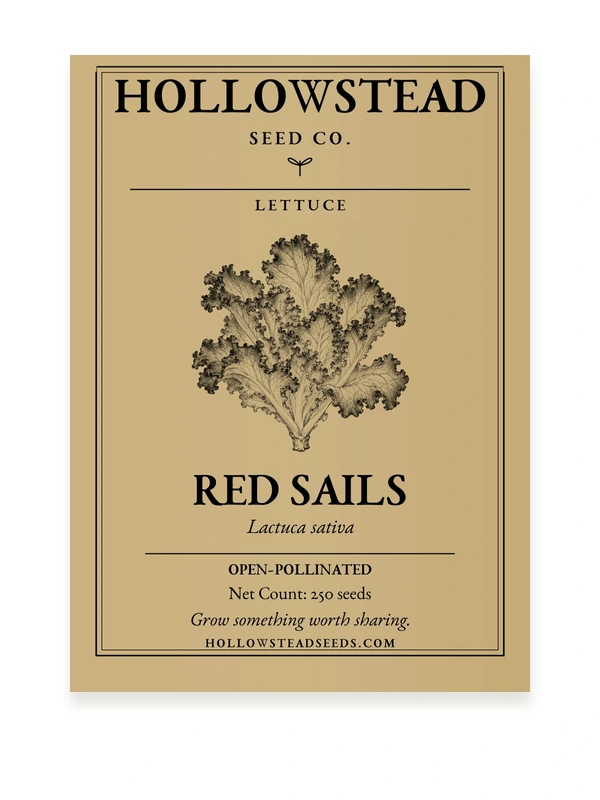
For the next sowing, compare Red Sails lettuce seed for open red leaves with Parris Island Cos seed for upright green heads. Keep unused seed in good condition with proper storage and a germination check. A reliable fresh batch is often the best harvest insurance.
GROW FROM SEED
Put this guide to work.
Choose a variety that fits the way you want to grow and harvest, then use the guide above as your reference through the season.
HOLLOWSTEAD SEED
Red Sails Lettuce Seeds
$3.49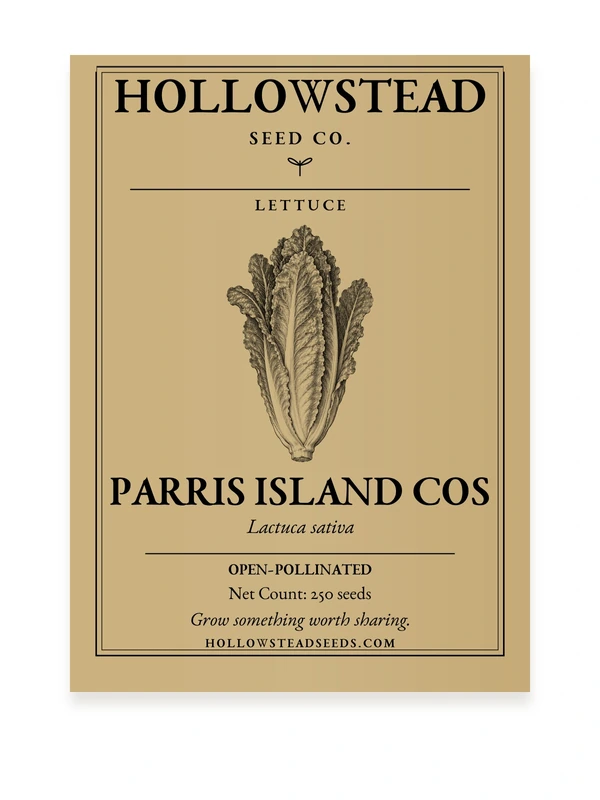
HOLLOWSTEAD SEED
Parris Island Cos Lettuce Seeds
$3.49KEEP LEARNING
Related growing guides
SEASONAL PLANNING
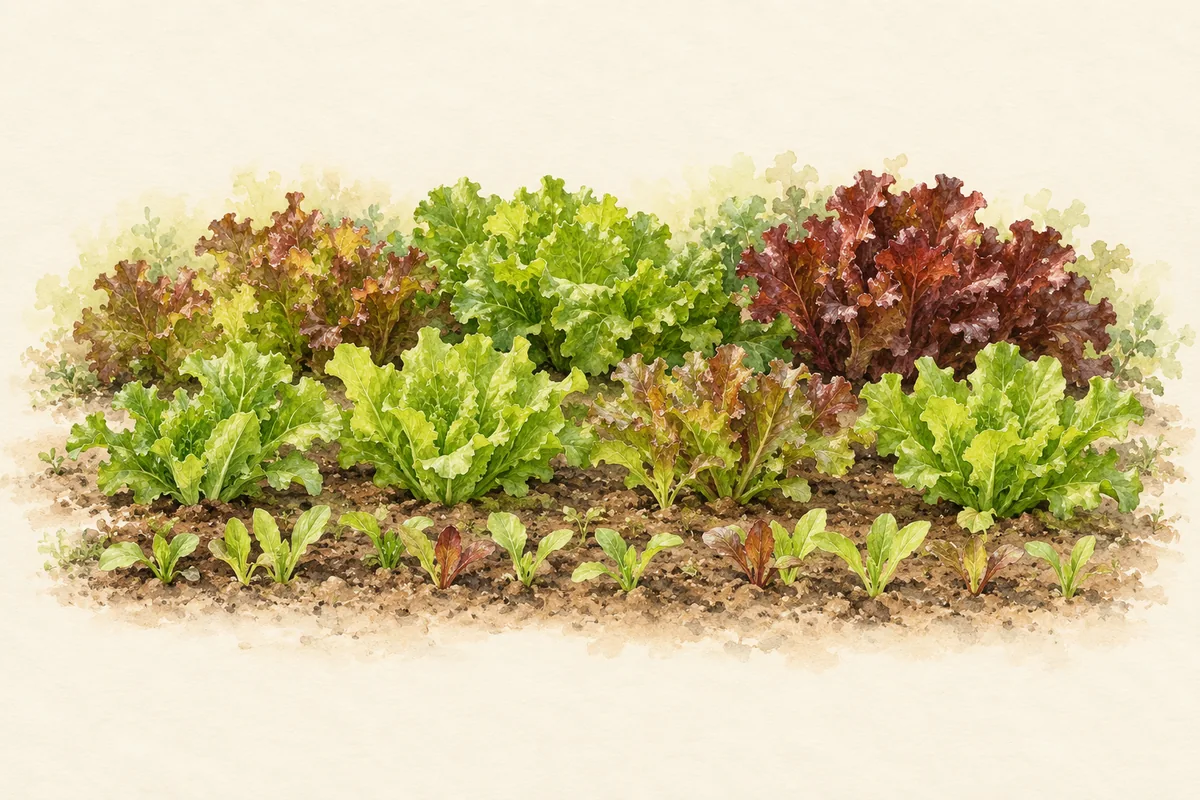
Succession Planting Lettuce for Spring and Fall
Turn lettuce into manageable batches instead of one oversized harvest. Build a flexible sowing cycle, work backward for fall, and adjust the plan to weather, growth, and how much you eat.
Read the guide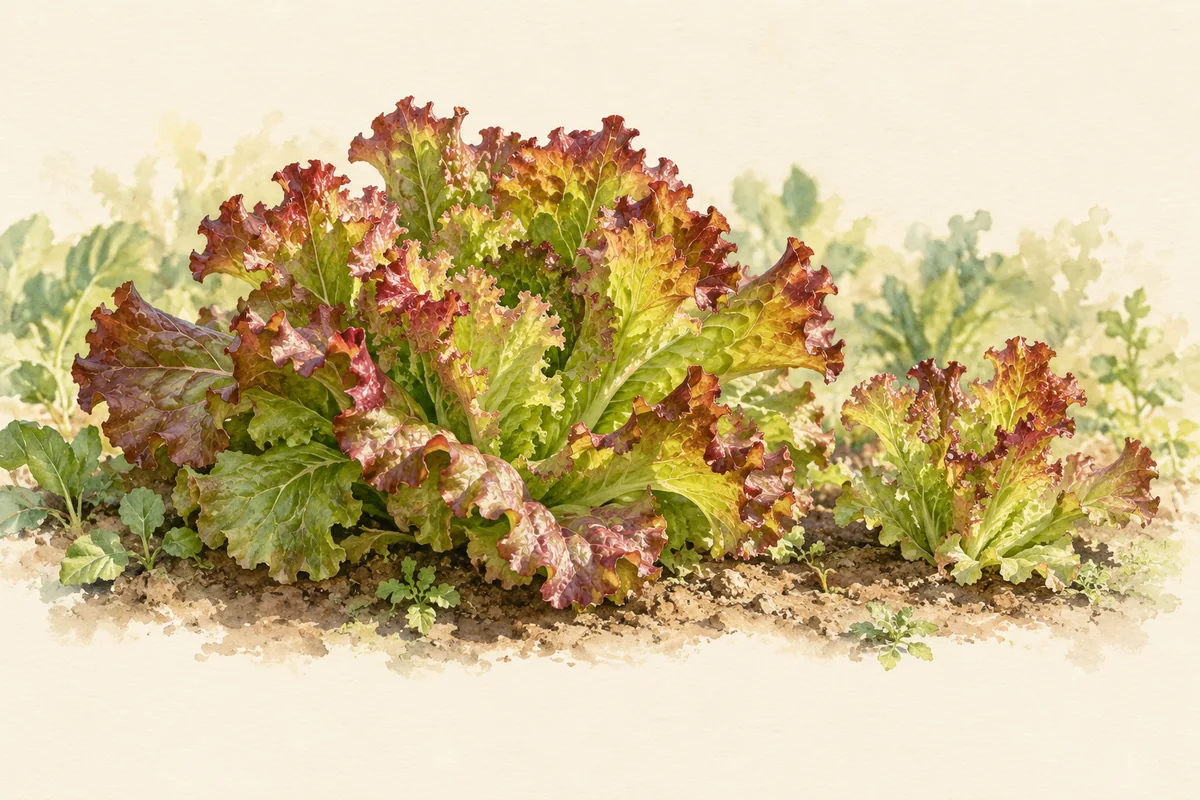
LETTUCE GUIDE
Red Sails Lettuce Growing Guide
Grow Red Sails for red-bronze, ruffled leaf lettuce. Learn shallow sowing, full-plant spacing, repeat leaf harvests, cool-season timing, containers and seed saving.
Read the guide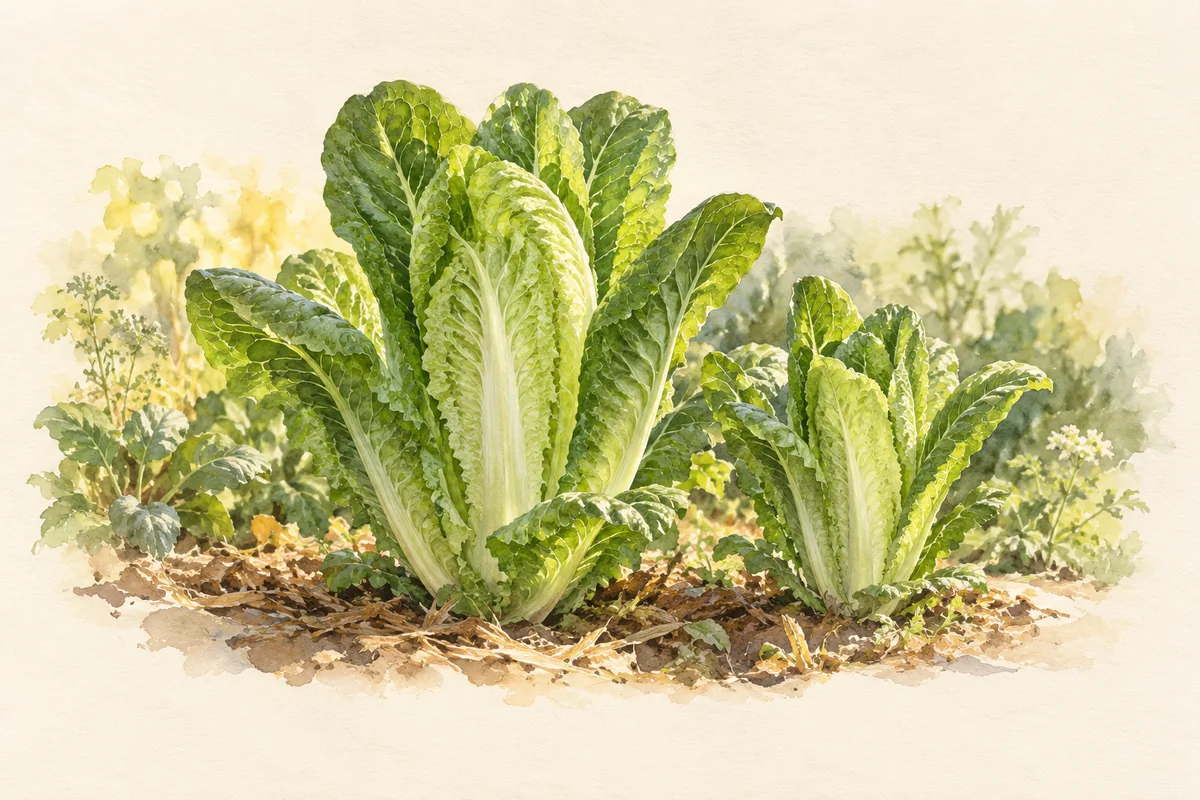
LETTUCE GUIDE
Parris Island Cos Lettuce Growing Guide
Grow Parris Island Cos for upright romaine heads or earlier leaf harvests. Learn shallow sowing, full-head spacing, cool-season timing, harvesting, problems and seed saving.
Read the guideFrequently asked questions
Will lettuce regrow after cutting?
It may if the crown remains intact, roots are healthy, and conditions suit growth. Cutting off the growing point prevents the same kind of recovery, and even an intact base does not promise a full second head.
Can I pick romaine one leaf at a time?
Yes. Remove selected outside leaves while preserving the center. Heavy or repeated removal can delay the development of a finished head.
Does cutting stop lettuce from bolting?
No. Harvesting does not reset the plant’s age or remove the environmental signals that lead to flowering.
Can I rinse lettuce with dish soap?
No. Rinse under running water and use clean tools and hands. Soap and detergent are not recommended for washing produce.[7]
Sources & further reading
- Iowa State University Extension and Outreach — Growing Leafy Greens in Iowa
- Clemson Cooperative Extension — Harvesting Vegetables
- Iowa State University Extension and Outreach — Vegetable Harvest Guide
- Seed Savers Exchange — Growing Guide: Lettuce
- University of Maryland Extension — Growing Lettuce in a Home Garden
- University of California Statewide IPM Program — Cultural Tips for Growing Lettuce
- U.S. Food and Drug Administration — Selecting and Serving Produce Safely
Hollowstead Growing Notes
A little help for your next growing season
Practical sowing advice, help choosing seeds, and occasional Hollowstead shop news. Usually one or two emails a month, plus a short welcome note.
Choose your topics and frequency after you confirm. Our guides and planting calendar are always free.