
Description
SWEET PEPPERS FOR THE SKILLET
Give the red harvest time to arrive.
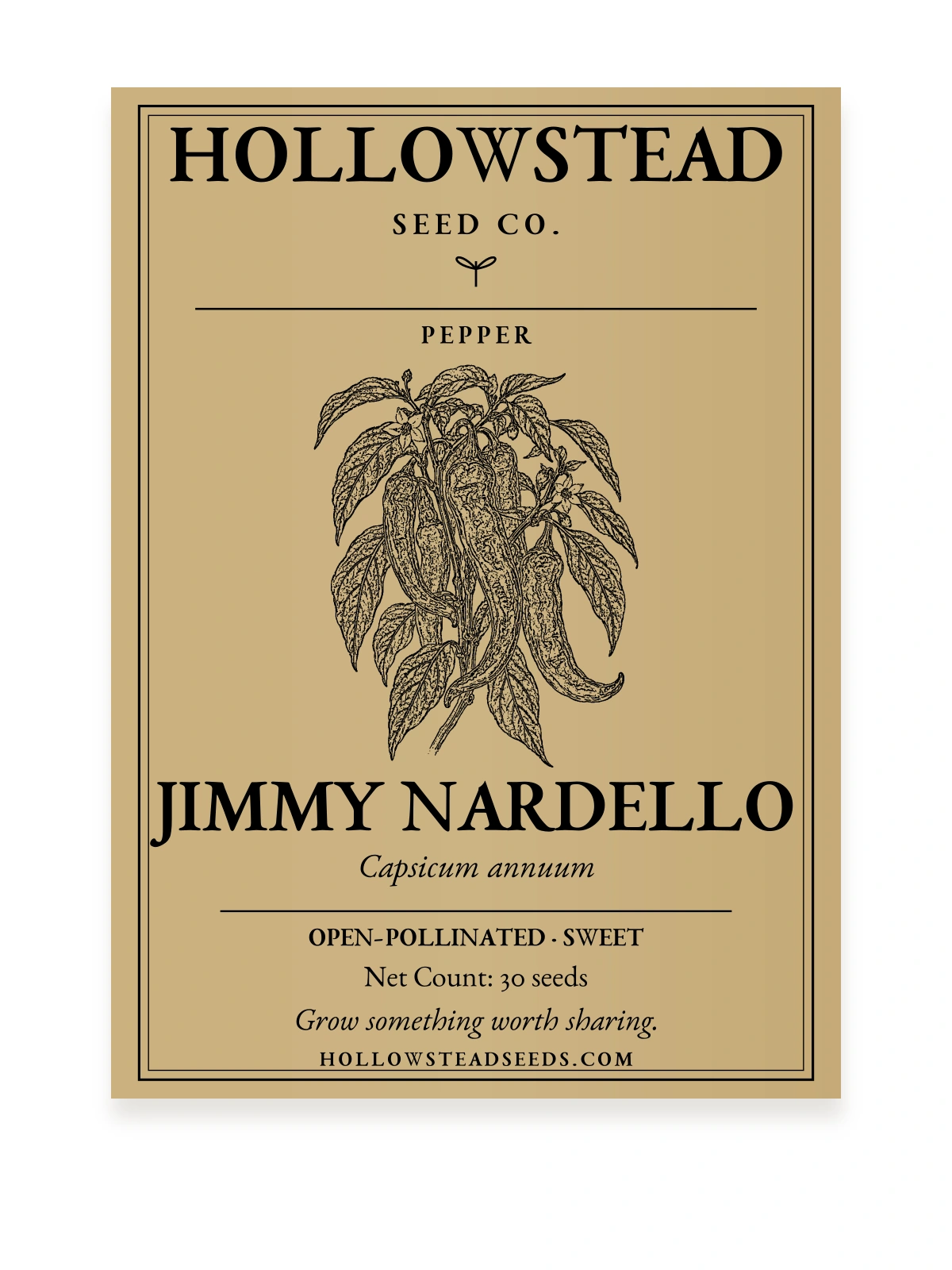
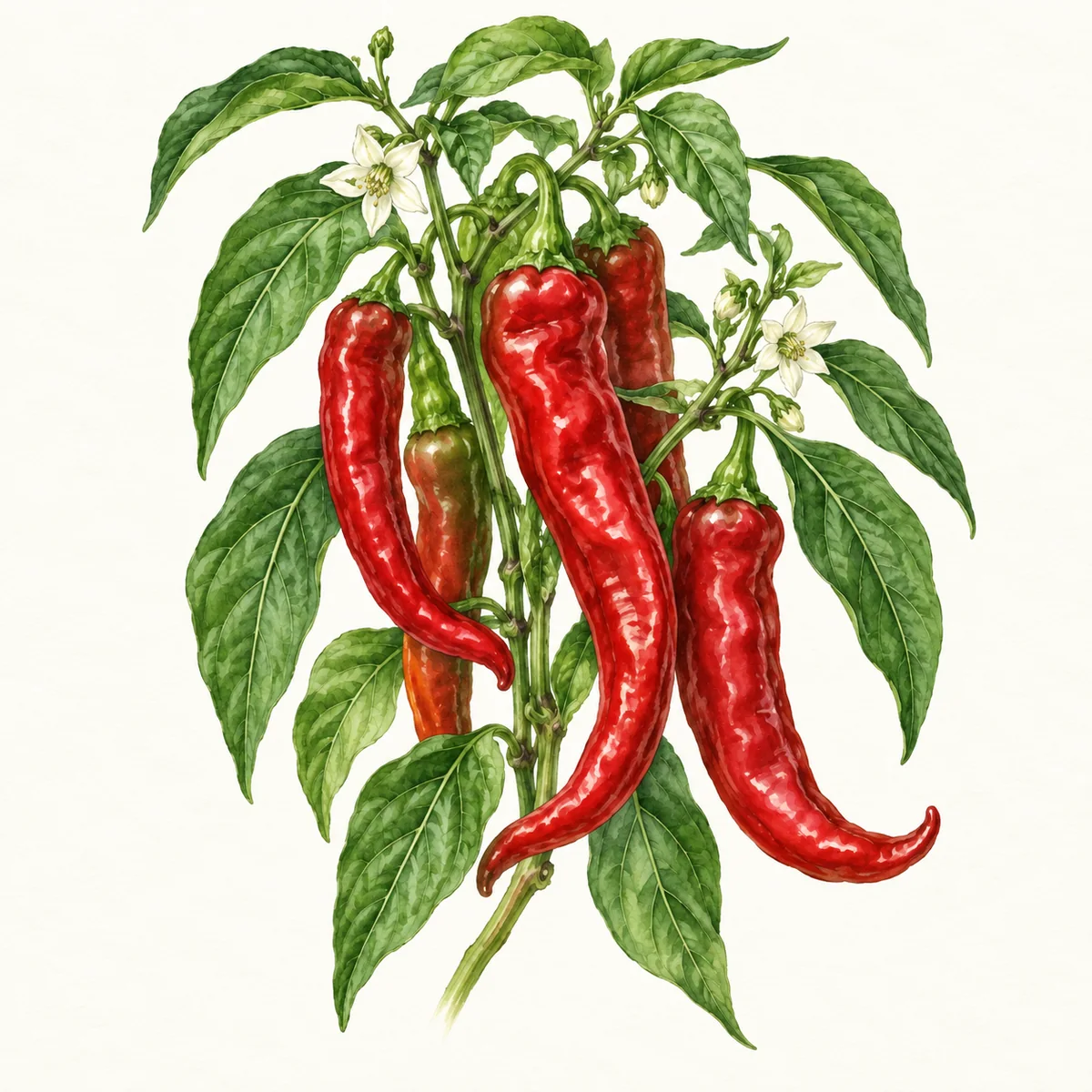
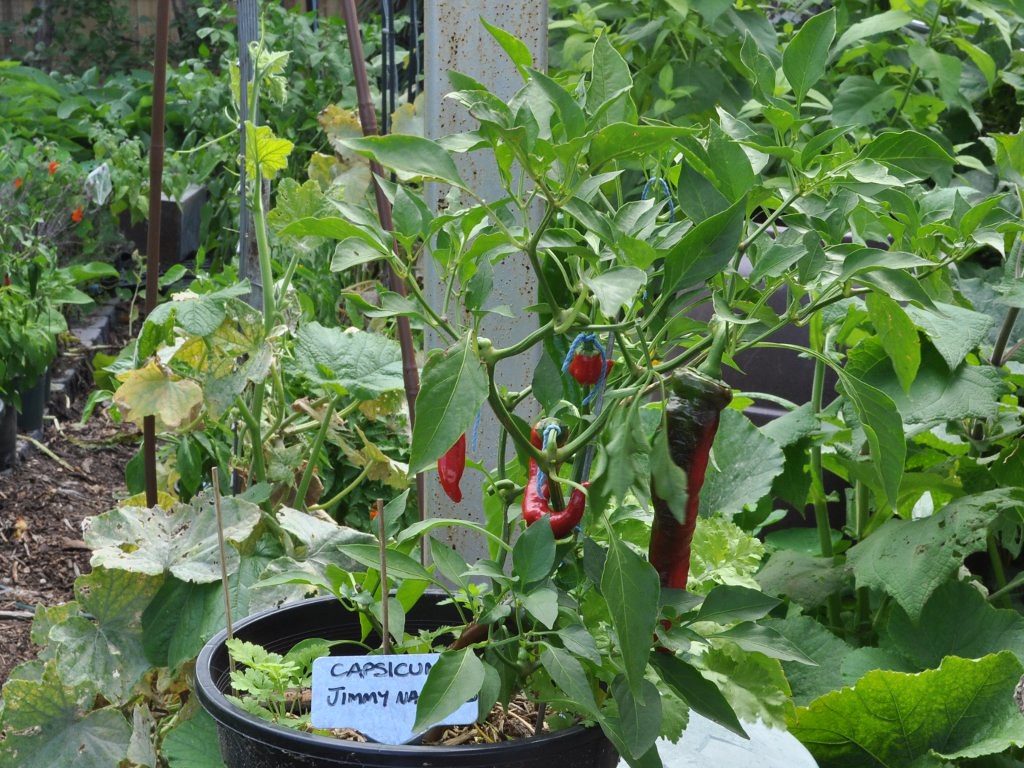
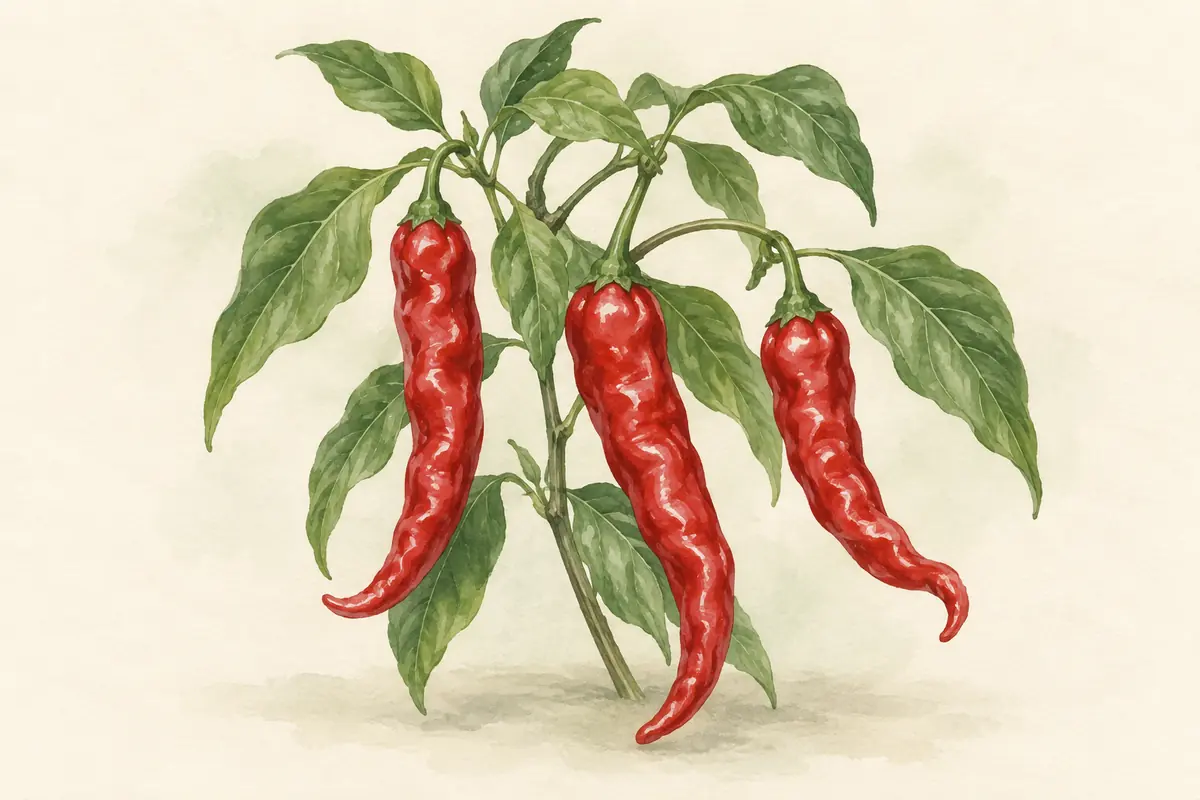
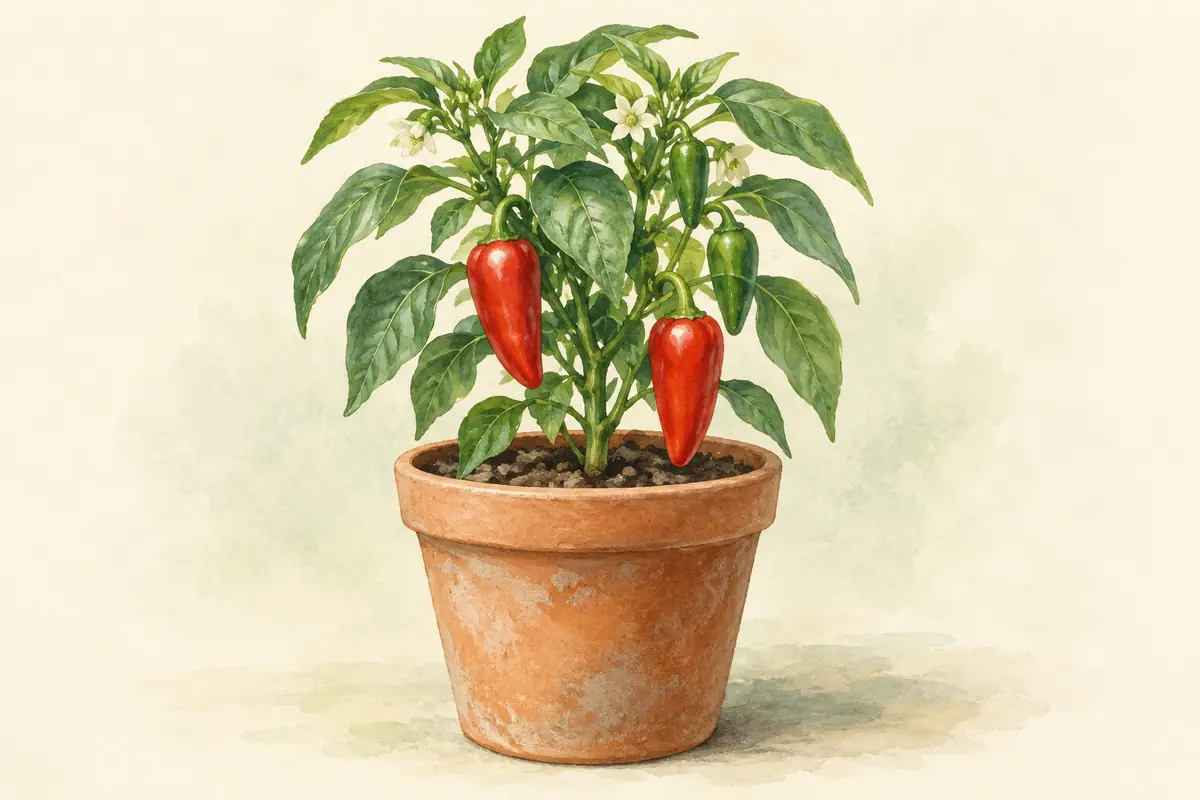
Choose Jimmy Nardello for long, thin-walled sweet peppers that cook quickly in a skillet. The slender, often curved fruit looks like a hot chile, but this is our sweet frying variety. Allow time for a fully red frying harvest; full-size green peppers are usable earlier. The guide compares reports from California and New York gardens without turning either into a harvest-date promise. [2] [3]
Choose it for: Quick frying, roasting, fresh sweet peppers, and gardeners willing to wait for red fruit.
THE DECISIONS THAT MATTER
Practical growing tips
Count on time for red.
The 80–90-day listing is a transplant-to-maturity estimate. In a short season, use full-size green fruit before frost instead of losing it while waiting for color. [3] [5]
Warm the roots before planting.
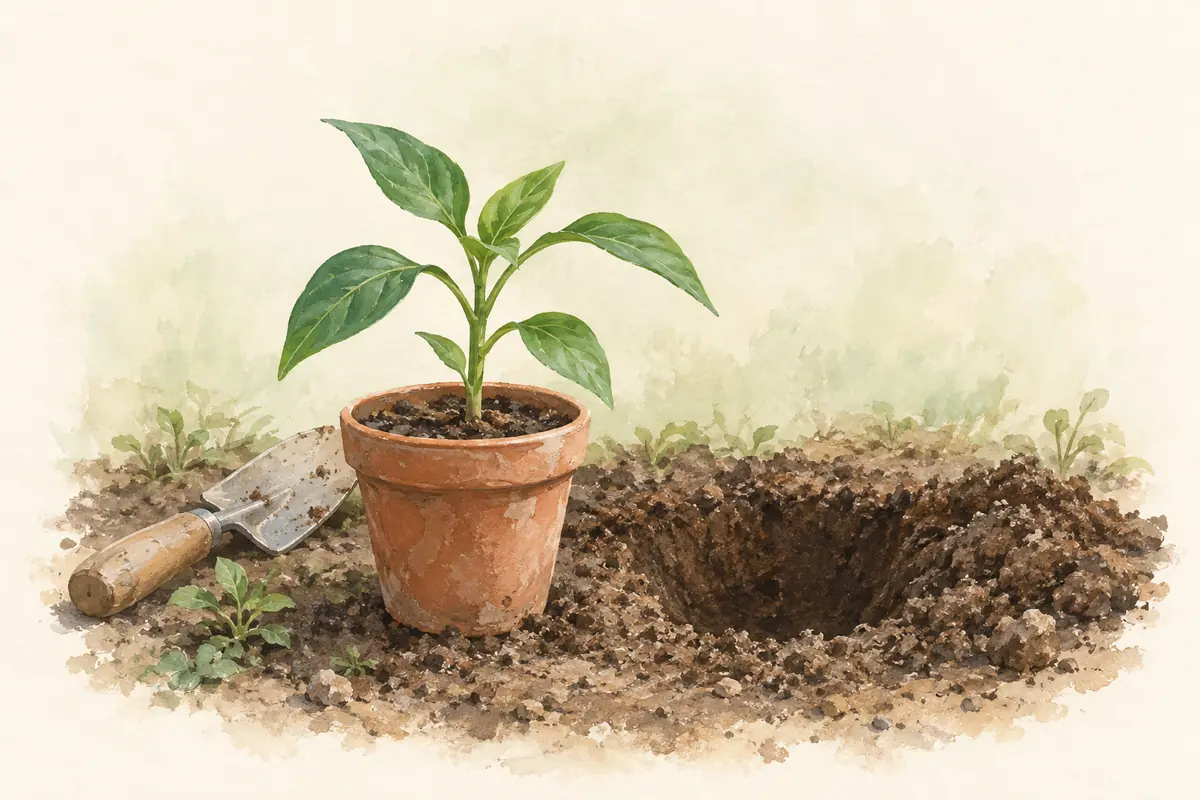
Harden seedlings and wait for nights above about 50°F and warm soil. A sunny afternoon does not compensate for cold roots. [5]
Protect the branching stems.
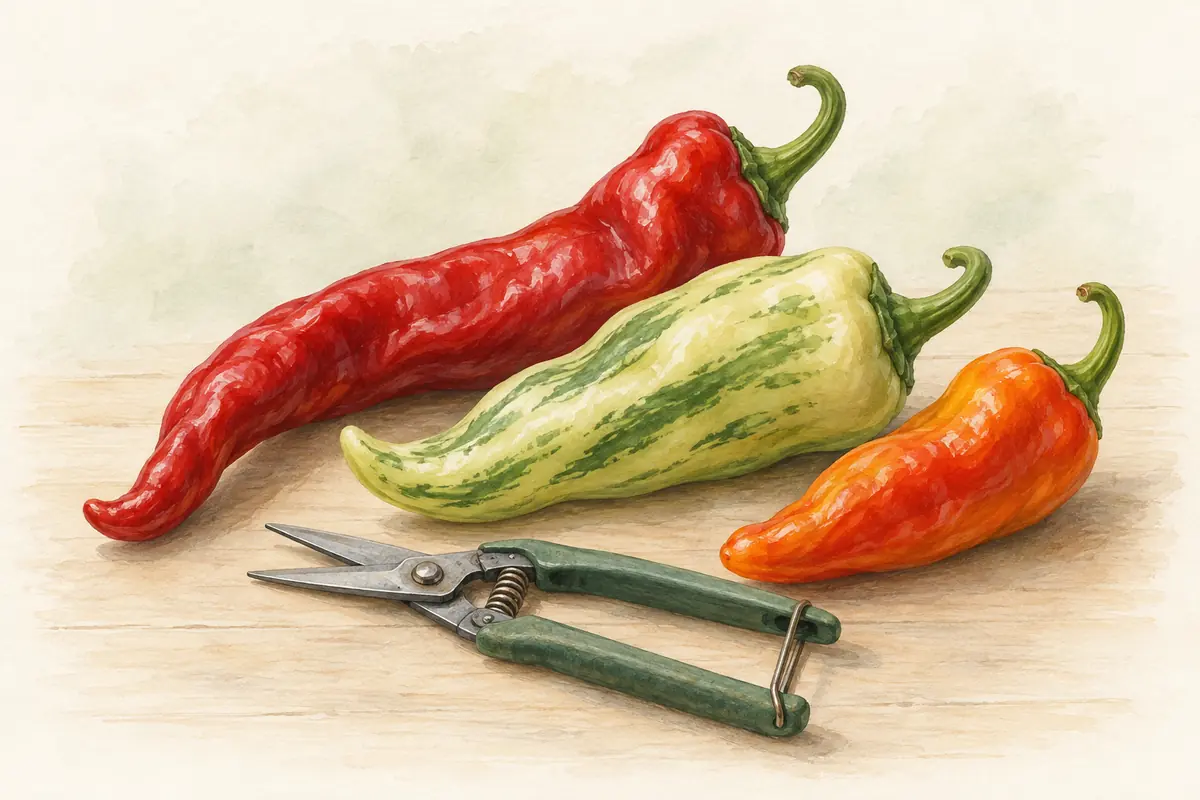
Install a small cage or stake before fruit load increases. Clip ripe peppers with shears so picking one does not tear off the next cluster. [5]
Review the weather before feeding.
Lush leaves and falling flowers can reflect excess nitrogen or heat stress. Check moisture and recent temperatures before adding another fertilizer dose. [5]
FROM PACKET TO GARDEN
Start early enough, then grow steadily.
Start indoors.
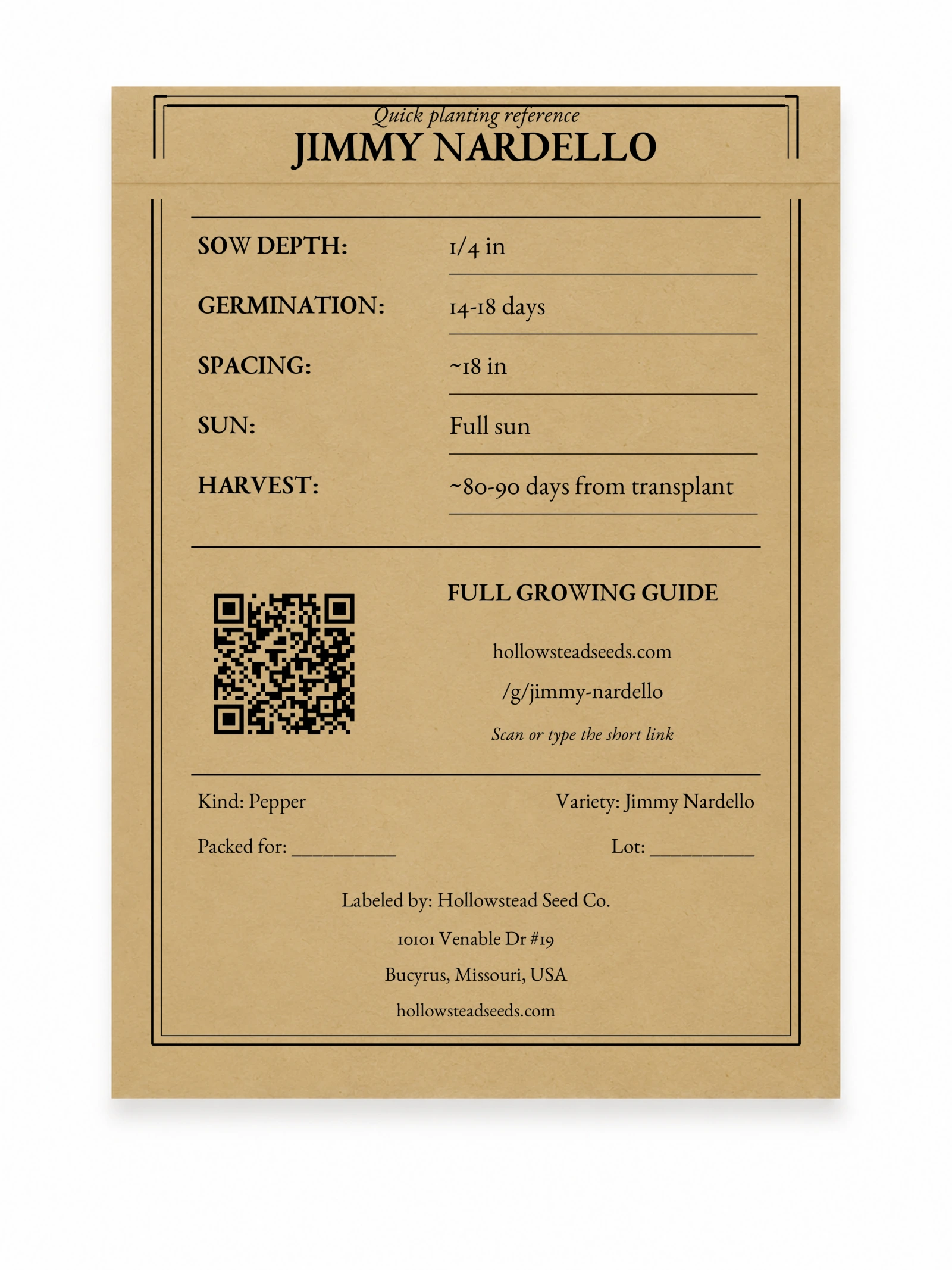
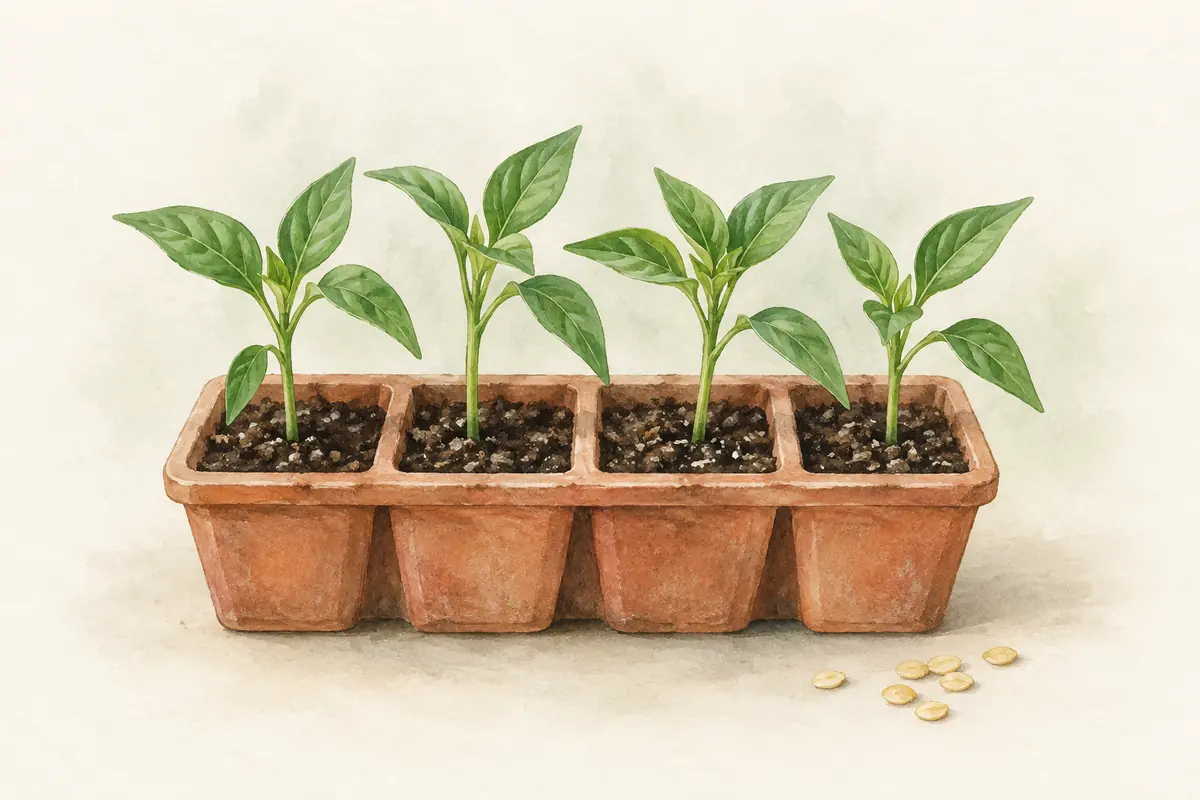
Sow around 8 weeks before transplanting, ¼ inch deep. Keep the seed-starting medium warm, and check it frequently if using bottom heat. [1]
Give seedlings strong light.
Provide bright overhead light after emergence and pot up before roots crowd the cell. Harden plants gradually before moving them into the garden. [5]
Plant at the same depth.
Space about 18 inches apart in full sun and well-drained soil. Keep the root ball intact, set it at its previous soil level, and water it in. [5]
Use roughly 80–90 days from transplant as a planning estimate for mature fruit; Cornell lists the deep-red stage in its cultivar description. Green harvests can come earlier. [3]
FROM FLOWER TO HARVEST
Keep a leafy canopy around the crop.
Water thoroughly at soil level when needed and mulch once the soil is warm. Roots should stay reasonably moist without sitting in saturated ground. Healthy leaves shade developing peppers; avoid stripping foliage just to expose red fruit. [5]
Pick red fruit while it remains sound and firm enough to handle. Natural curves and a crinkled surface are part of the cultivar description; soft wet spots or mold are not. For short holding, refrigerate harvested peppers and use them within about a week. [3] [5]
A FEW THINGS WORTH KNOWING
Before you plant.
Is this a bell pepper?
No. Expect long, narrow, thinner-walled fruit rather than a blocky bell. The shape makes quick frying a natural use. [3]
Can I eat it green?
Yes. Pick full-size green fruit for that use, and leave others to reach red when the season allows.
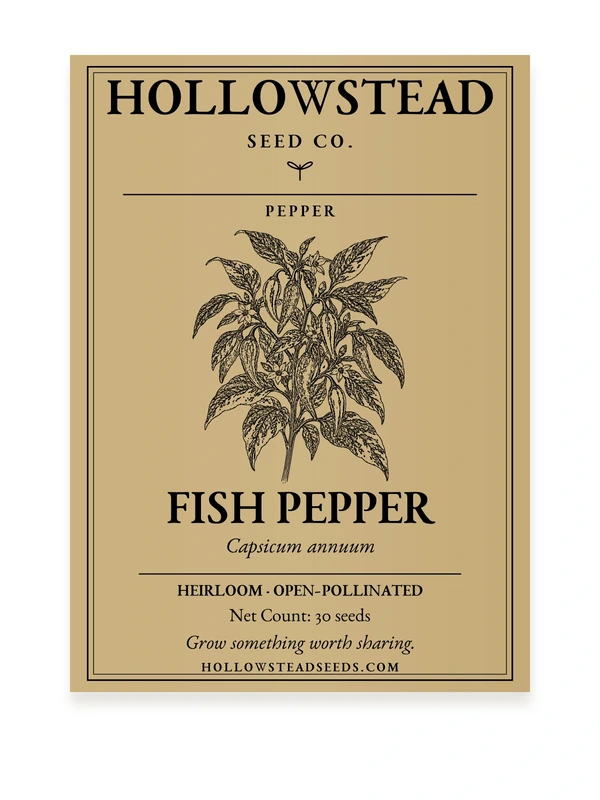
Will Fish Pepper make it hot if grown nearby?
Not in this season’s fruit. Crossing affects the seed’s next generation; isolate flowers when saving a named variety. [1]
PLAN YOUR PLANTING
Choose sweetness or heat.
Jimmy Nardello is the sweet option for frying and fresh use. Fish Pepper brings heat, smaller fruit, and variegated foliage. Grow both if those are useful kitchen roles, and label plants and harvested seed separately.
Read the Jimmy Nardello growing guide for staged care, harvest decisions, sourced grower observations, and troubleshooting.
Growing references
Cultivar references and general crop guidance are identified below. Planting figures are planning estimates; seed count is not a guaranteed plant count. Reviewed September 24, 2026.
- Seed Savers Exchange — Growing peppers. Sowing and seed-saving guidance.
- Thomas Jefferson Foundation / Monticello — Jimmy Nardello’s Sweet Pepper. Cultivar identity and family history.
- Cornell — Jimmy Nardello. Reference dimensions, thin walls, mature red fruit, and timing.
- University of Maryland Extension — Growing vegetables in containers. Minimum volumes and the benefits of larger containers.
- University of Minnesota Extension — Growing peppers. Warm transplanting, plant stress, and harvest care.

Reviews
THIS PATCH IS JUST GETTING STARTED
Your garden could start the conversation.
No published reviews for this variety yet. Once you have tried these seeds, your experience can help another gardener decide what to plant.
A few honest details are worth more than a perfect growing season.