
Description
COLOR FOR A COOL-SEASON SALAD
A loose-leaf lettuce for small, repeated sowings.
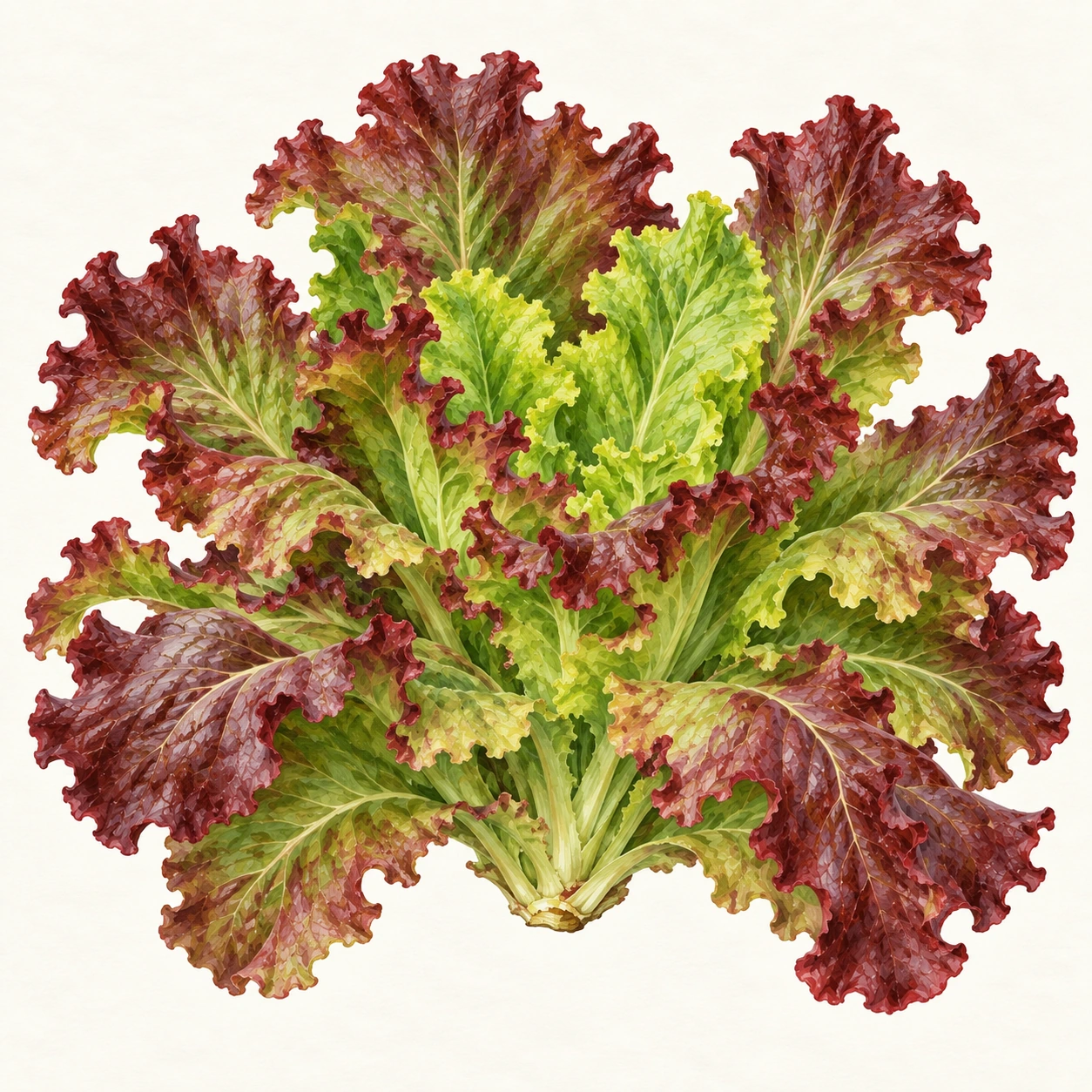
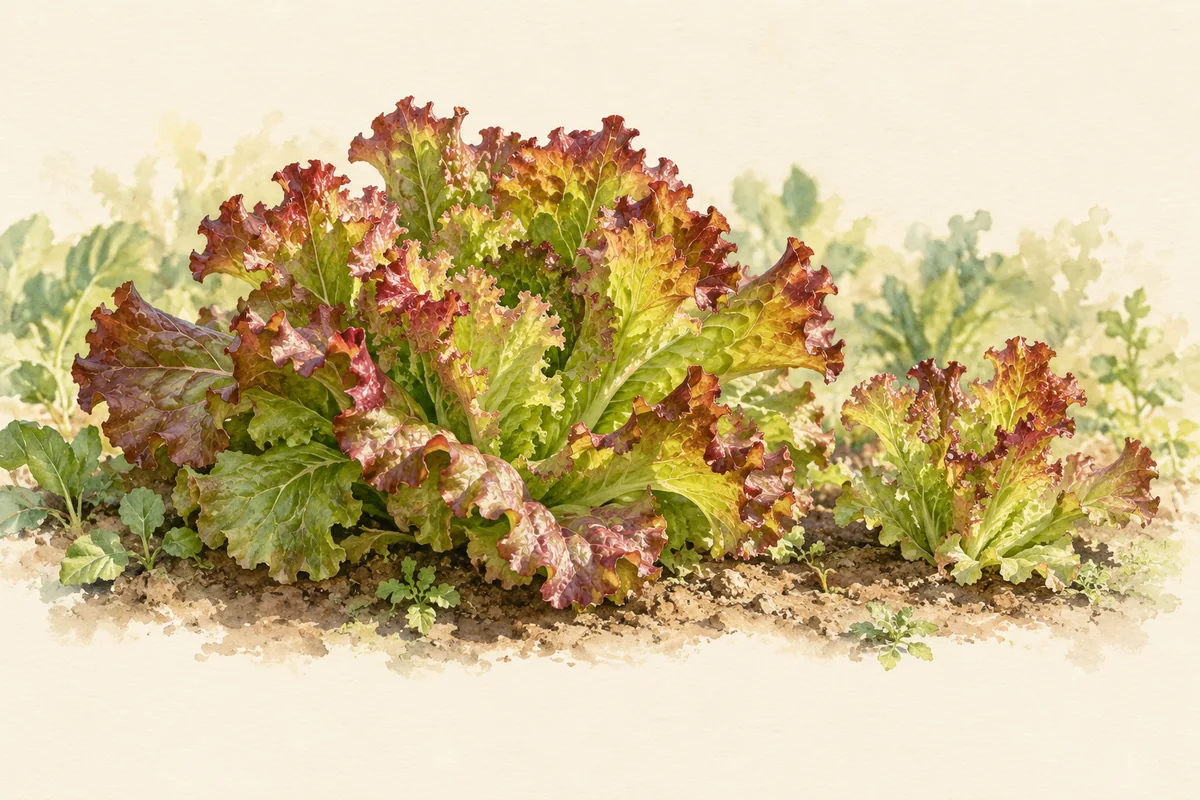
Red Sails makes a loose mound of green leaves with red-tinted tips. It is a useful choice when you want tender salad leaves without waiting for a firm head. The cultivar listing gives about 45 days from sowing to a mature plant, with smaller usable leaves available earlier.
Choose it for: Fresh mixed salads, outer-leaf picking, and cool-season beds or containers.
FROM PACKET TO GARDEN
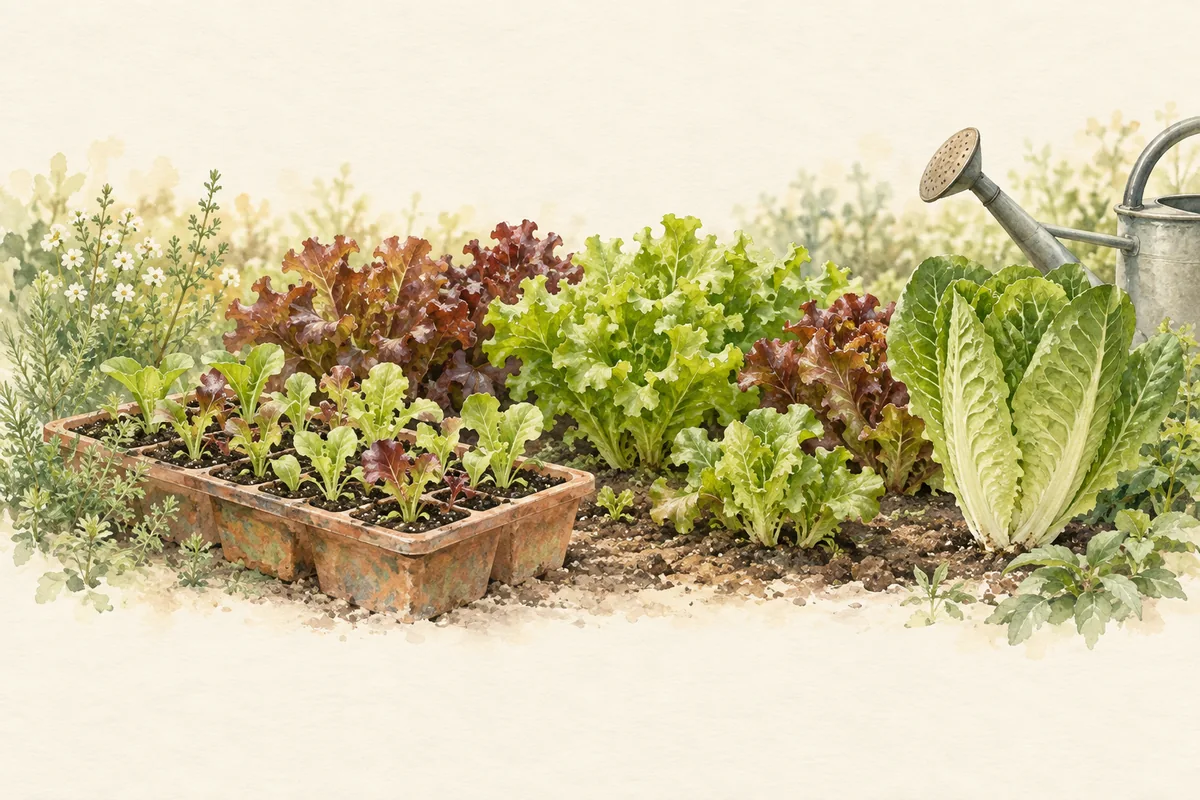
Make a fine, moist seedbed.
Choose a cool planting window.
Plan for spring or a cooling fall period. Full sun works well in mild weather; afternoon shade can help as temperatures rise. [3]
Cover lightly.
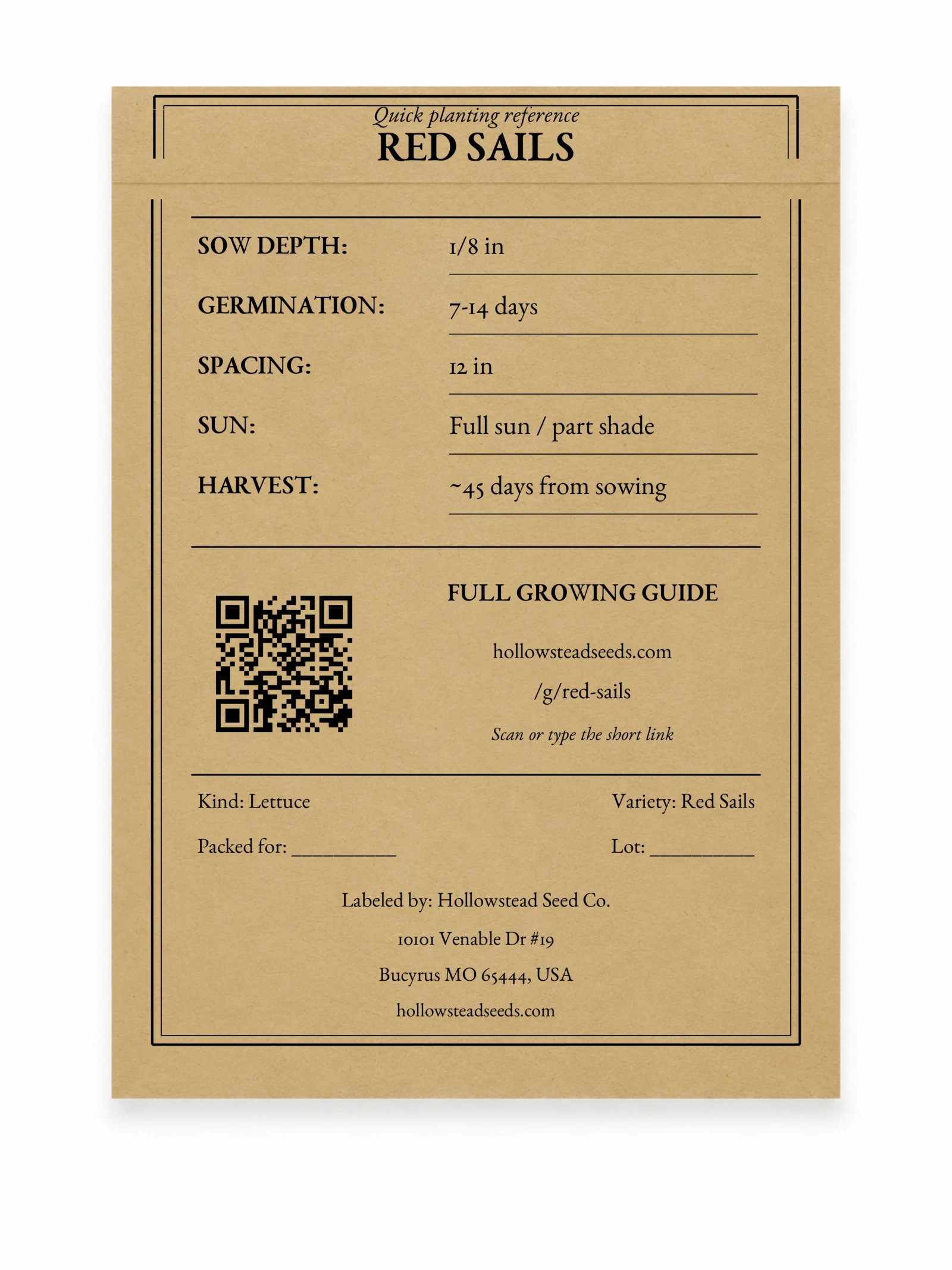
Sow about ⅛ inch deep. Water gently so the small seeds stay in place, and keep the surface from drying into a crust.
Thin for your harvest.
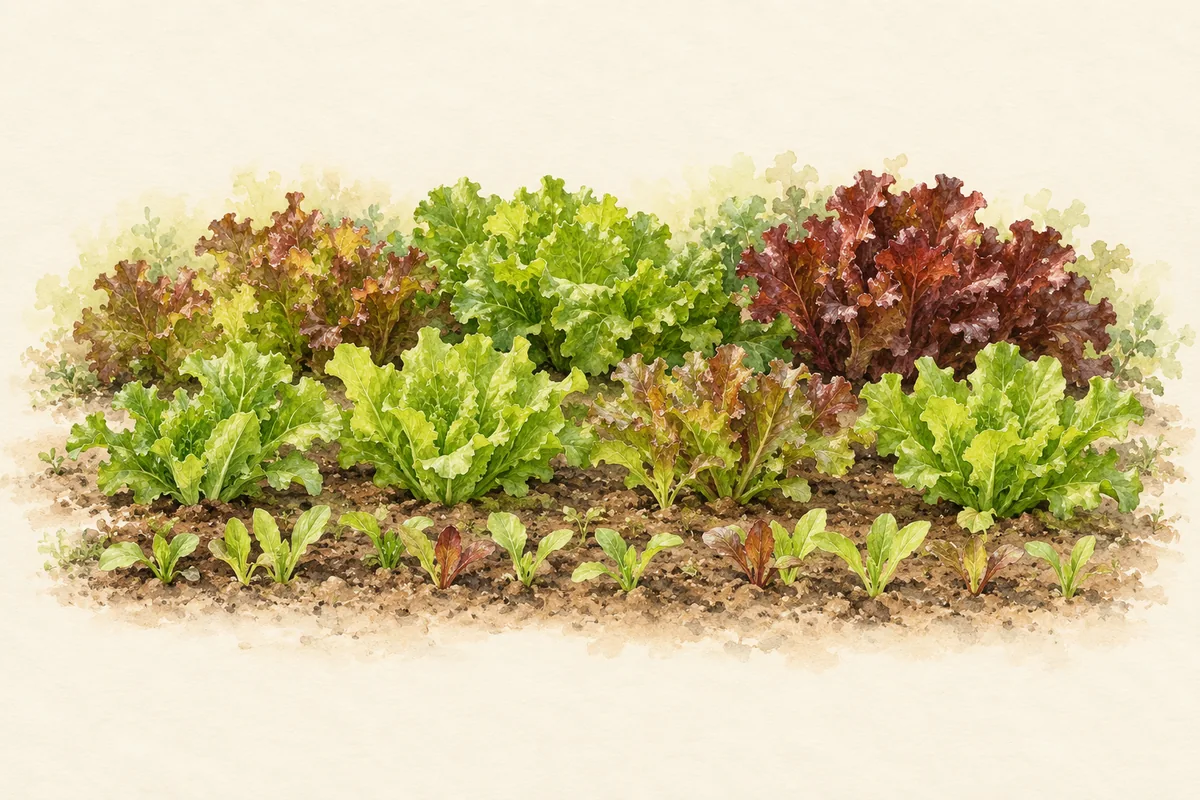
Allow about 12 inches between plants that will grow to full size. Closer sowings can supply young leaves, but that is a different harvest plan. [1]
Use 7–14 days as a germination planning range in suitable conditions. Hot seedbeds can give uneven results; see the lettuce germination guide before repeating a failed sowing.
SMALL DECISIONS, BETTER HARVESTS
Practical growing tips
Take outer leaves first.
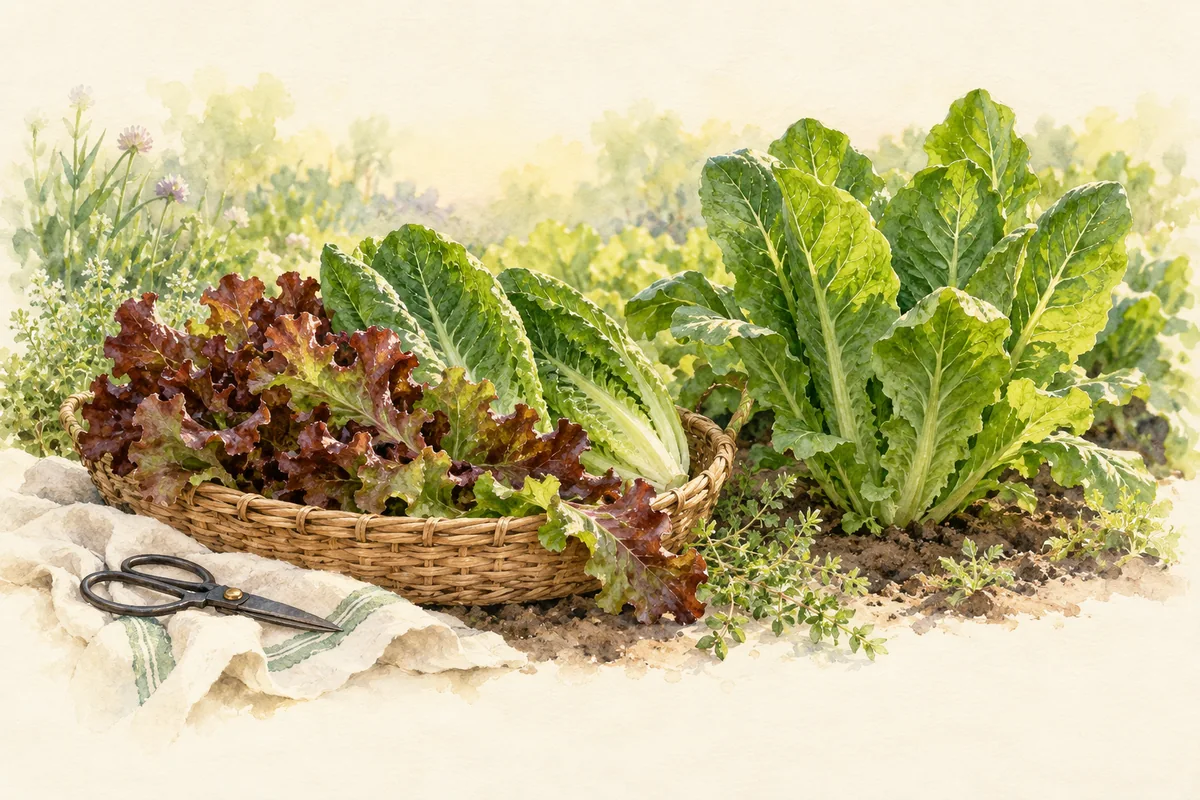
For repeated picking, remove a few usable outer leaves and leave the growing center and most foliage. A whole-plant cut is a different choice with a different replacement schedule. [2]
Keep the next batch small.
Write the sowing date on a label. If you regularly have more ready leaves than you use, reduce the next batch rather than giving every seed a place.
Watch heat and the center stem.
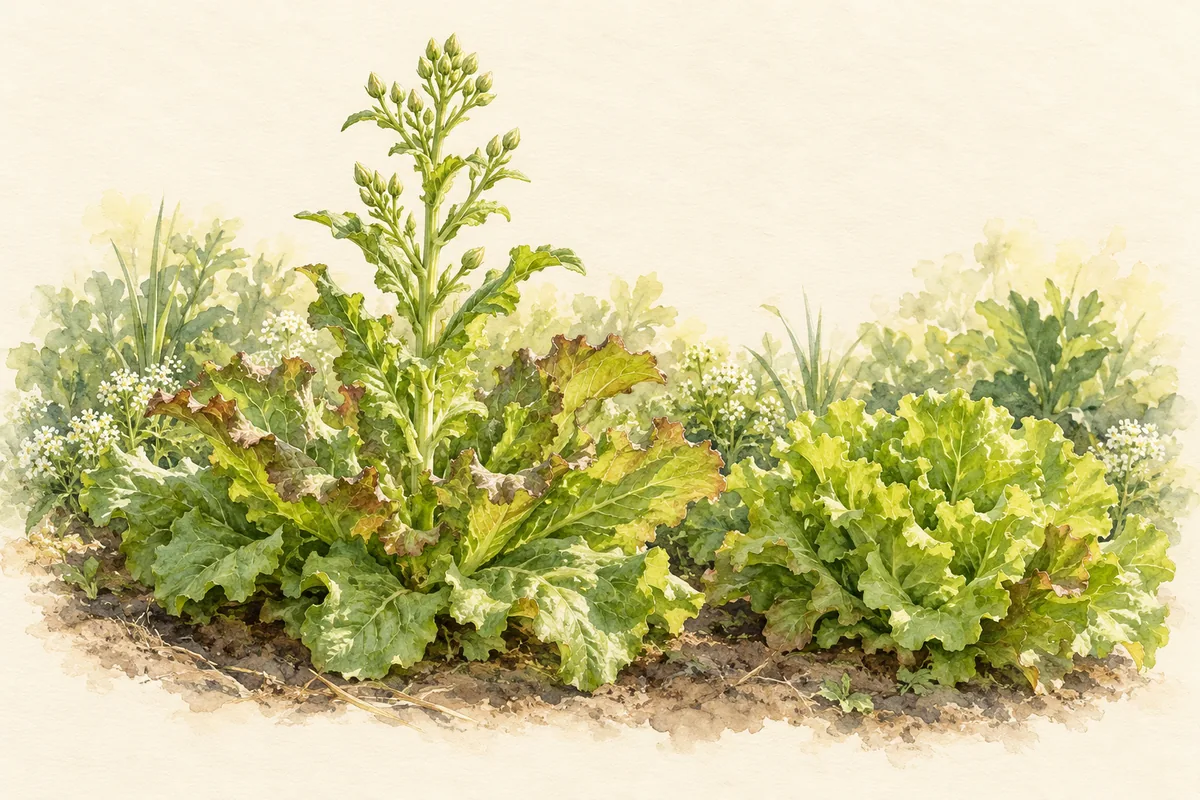
A rising center stem signals flowering. Harvest usable leaves promptly and plan a new cool-weather crop. Cutting the flower stalk is not a dependable reset. [2]
Check container moisture often.
A wide, drained container makes leaves easy to reach, but its mix can dry faster than a garden bed. See the lettuce container guide for layout and watering checks. [3]
FIT THE CROP TO YOUR GARDEN
Leaf lettuce or romaine?
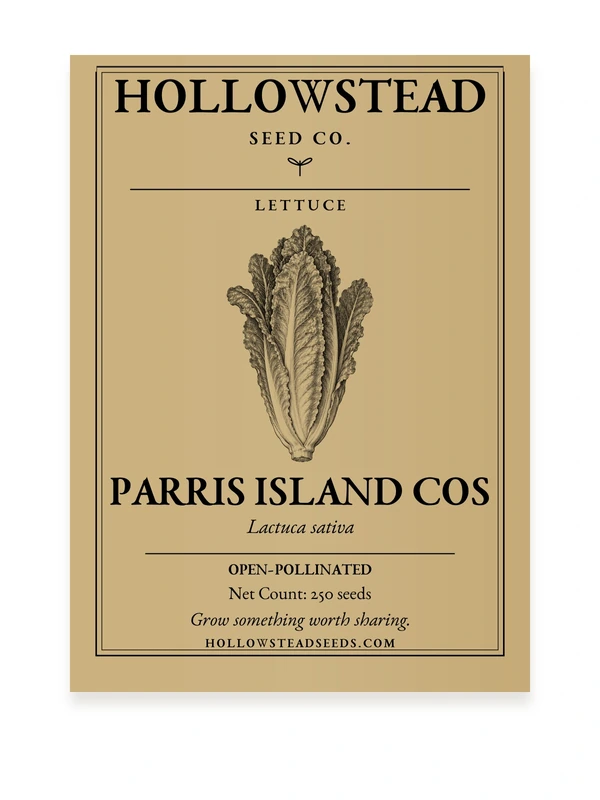
Choose Red Sails for loose, tender leaves and a red accent in a salad. Parris Island Cos offers upright green romaine with a different texture and a longer wait for mature heads. Use both only if your cool-season window and kitchen needs have room for them.
A FEW THINGS WORTH KNOWING
Before you plant.
Does Red Sails make a tight head?
No. It is a loose-leaf lettuce. Harvest individual leaves or cut a whole plant when it reaches the size you want.
Is slow bolting the same as summer-proof?
No. Lettuce responds to heat and long days. Planting time, moisture, shade, and harvest timing still matter. See why lettuce bolts or turns bitter. [3]
Why did my seed not emerge?
Check planting depth, surface moisture, seedbed temperature, and seed condition before resowing. The lettuce germination guide helps separate those causes.
PLAN YOUR PLANTING
Plant for the next few salads.
Read the Red Sails growing guide for variety care, then use the lettuce succession guide to plan follow-up batches. The lettuce harvest guide compares outer-leaf picking, young leaves, and whole plants.
Packet quantity is a seed count, not a guaranteed plant count. Planting figures are planning guides; weather, site, and care shape the crop.
Growing references
These references support the general growing guidance. Cultivar figures are planning estimates and are not a trial of a Hollowstead seed lot. Reviewed September 28, 2026.
- Seed Savers Exchange — Growing lettuce. Germination, spacing, and seed saving.
- University of Minnesota Extension — Growing lettuce, endive, and radicchio. Leaf harvest and responses to heat.
- University of Maryland Extension — Growing lettuce in a home garden. Season, succession planting, and care.
Reviews
THIS PATCH IS JUST GETTING STARTED
Your garden could start the conversation.
No published reviews for this variety yet. Once you have tried these seeds, your experience can help another gardener decide what to plant.
A few honest details are worth more than a perfect growing season.