
Description
SMALL FRUIT, SERIOUS KITCHEN USE
Grow it with a kitchen batch in mind.
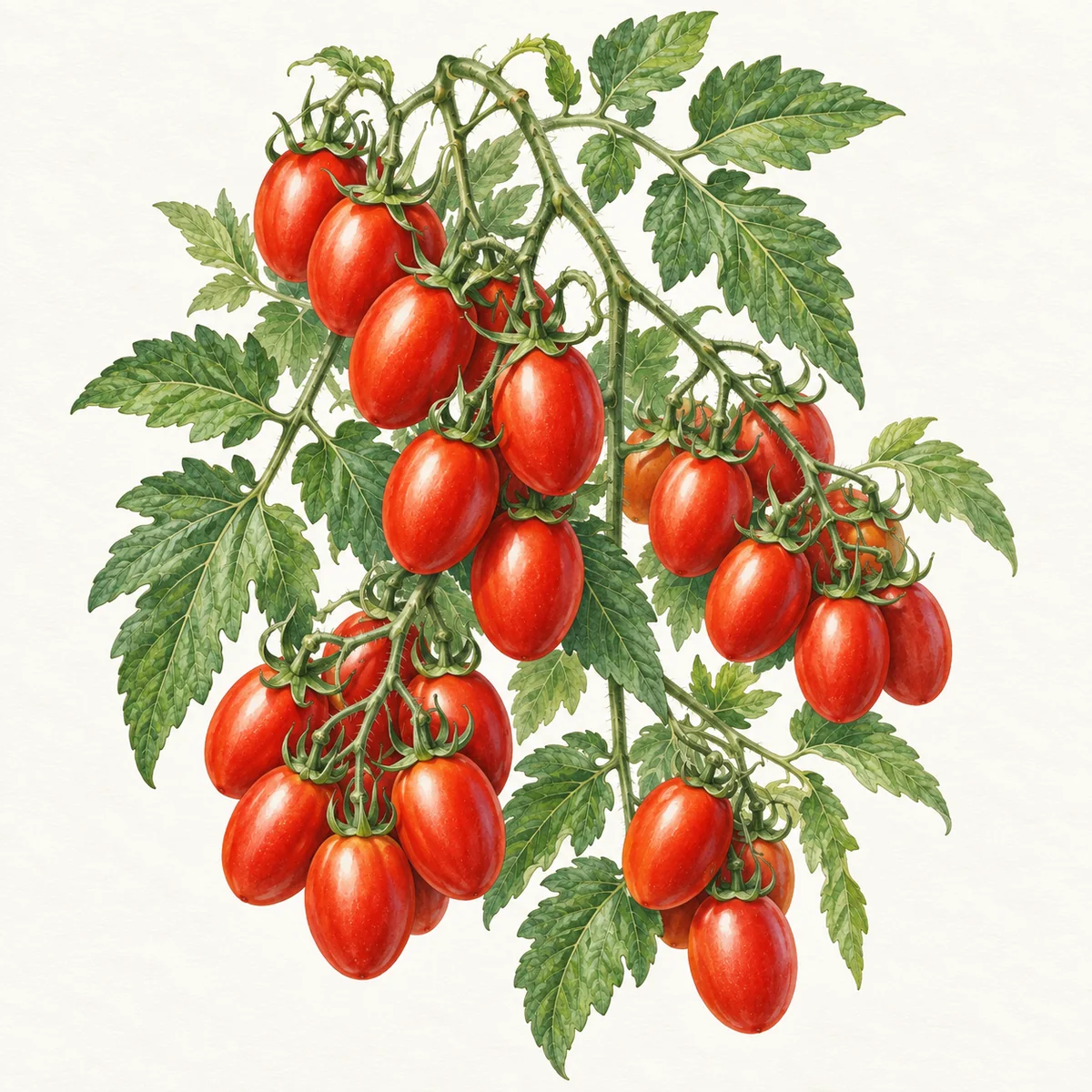
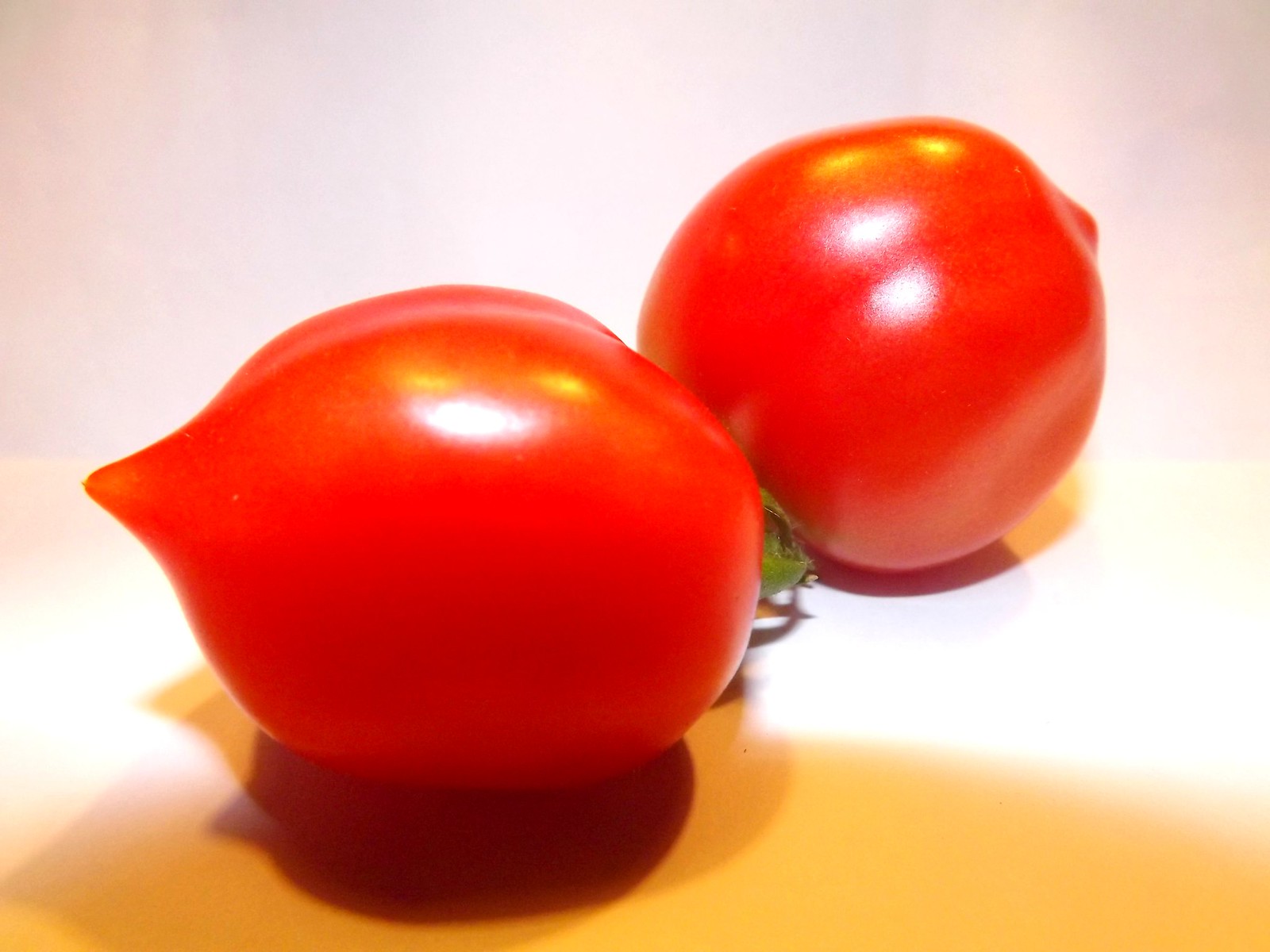
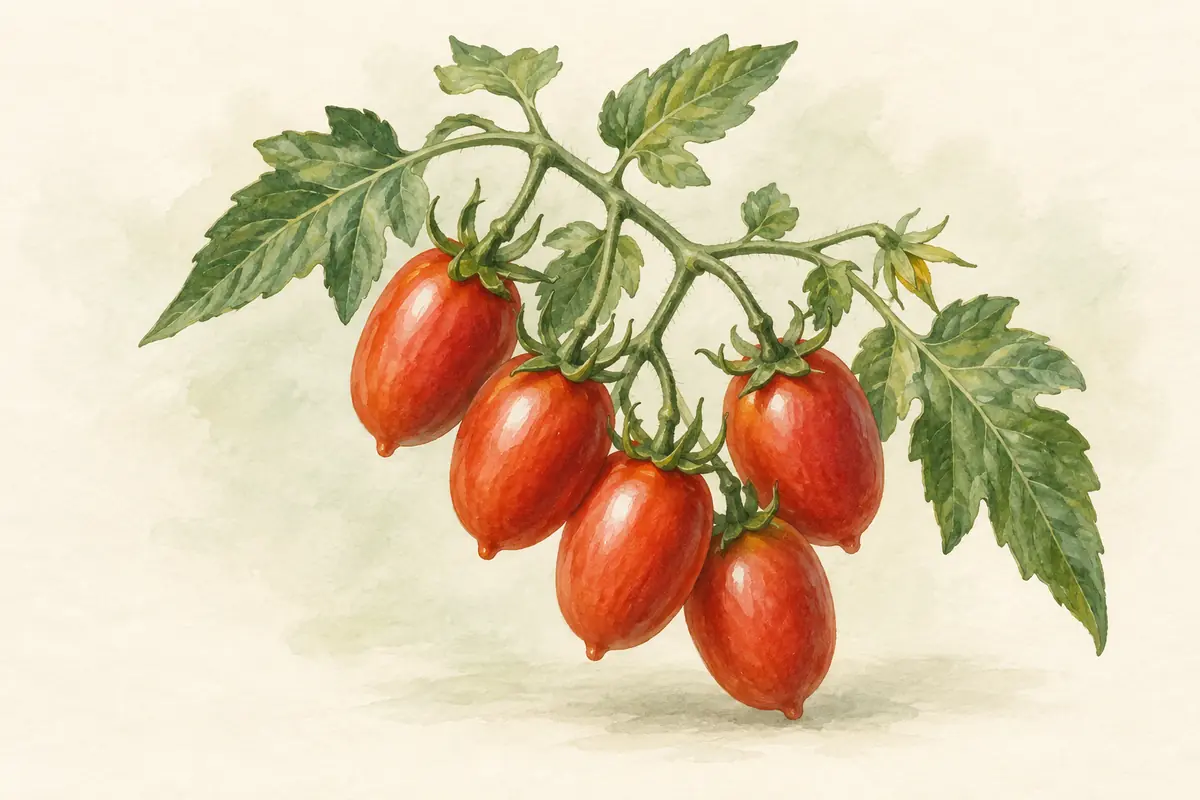
Choose Principe Borghese for roasting trays, thick sauce, and controlled drying. Its small red fruit has relatively dry flesh and few seeds; the tradeoff is more individual fruit to prepare than with a large paste tomato. The current Hollowstead listing describes a compact determinate plant, consistent with Cornell and an Arkansas student plant-sale catalog, not a trial. [1] [2]
Choose it for: Small-batch preserving, roasting, and a more concentrated harvest than our indeterminate tomatoes.
THE DECISIONS THAT MATTER
Practical growing tips
Keep the branching canopy.
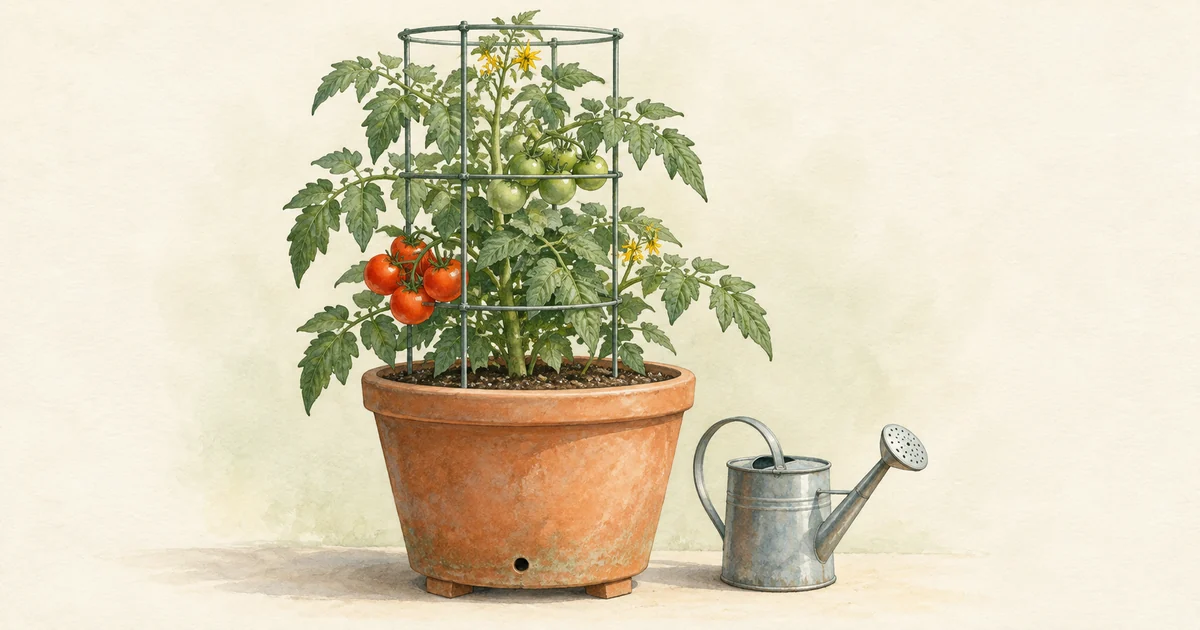
Set a cage at planting and retain productive side shoots. Routine single-stem pruning is a poor fit for a determinate plant’s more concentrated crop. [6]
Plan tray space before harvest.
Check what your roasting pan or dehydrator holds. Pick ripe fruit regularly; do not leave the earliest tomatoes softening outdoors while waiting for the last cluster.
Choose the useful texture.
Expect meaty little tomatoes around 1–2 ounces. If you mainly want juicy sandwich slices, choose a slicer; this variety earns its place in cooking. [1] [2]
Dry with controlled heat.
Use a tested indoor drying procedure. The traditional “sun-dried” description does not make outdoor drying dependable, especially in humid weather. [5]
FROM PACKET TO GARDEN
Give the seedlings warmth, then give the plants sun.
Start indoors.
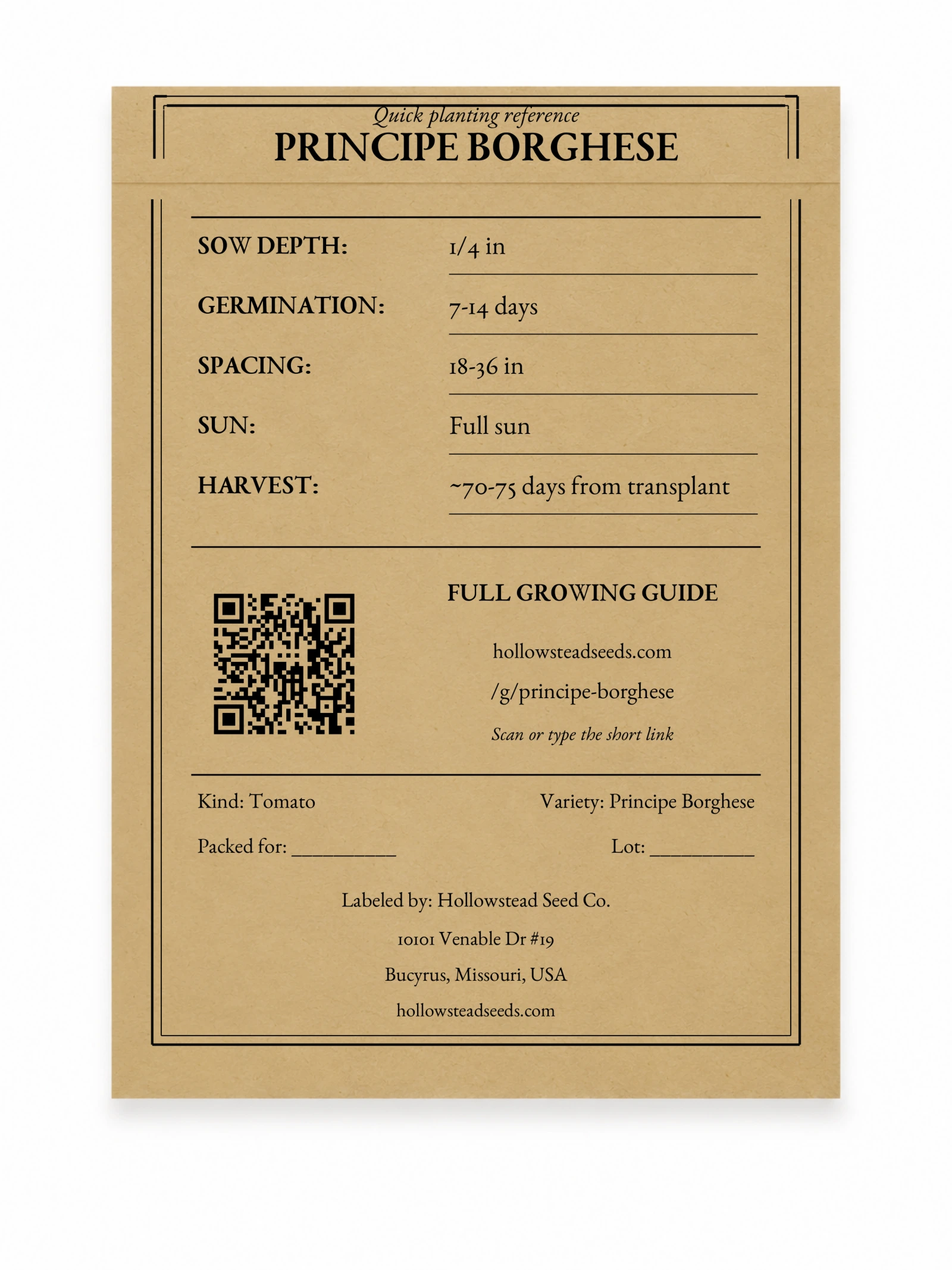
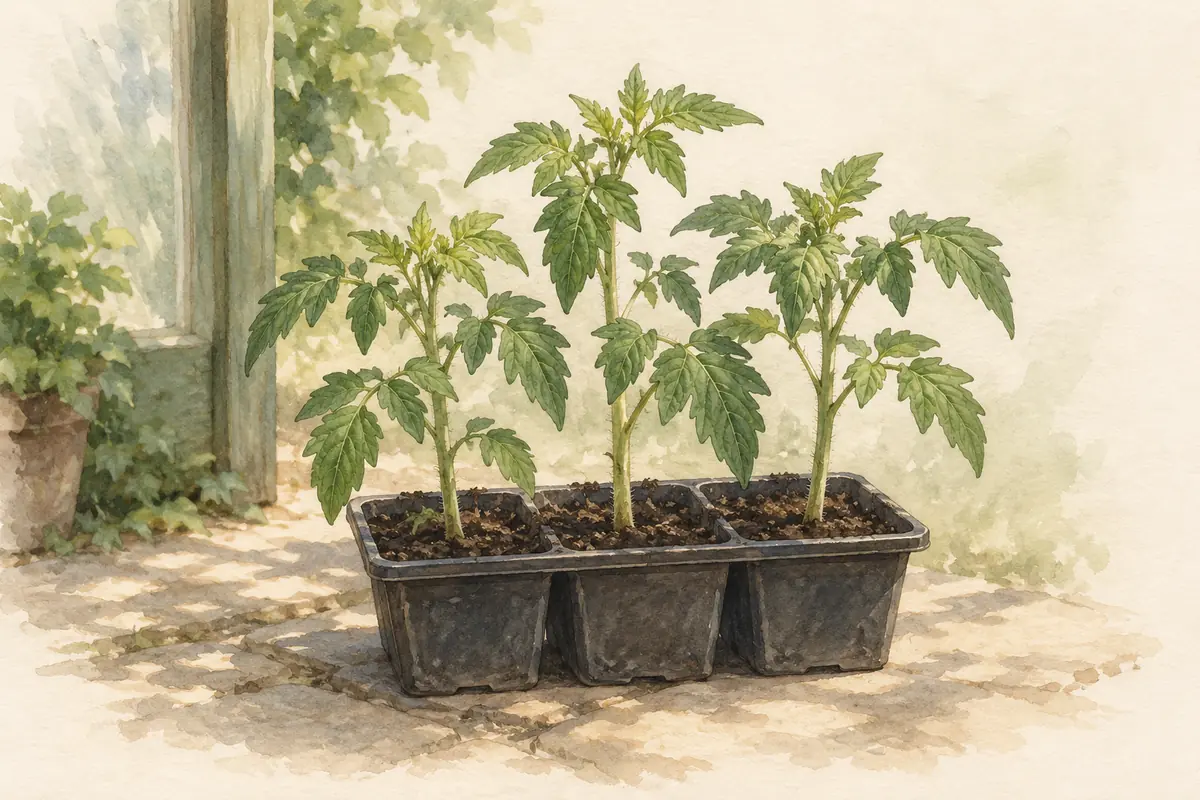
Sow ¼ inch deep about 6–8 weeks before your planned outdoor date. Keep the mix warm and evenly moist; give seedlings bright light after emergence. [4]
Transplant after frost.
Harden plants gradually, then move them to full sun once frost danger has passed and the soil is warm. Choose a site that drains well. [4]
Leave working room.
Plan about 18–36 inches between plants. The wider end accommodates a less-pruned cage and gives better picking access; support branches before clusters become heavy.
The roughly 70–75-day listing estimate is counted from transplanting to first ripe fruit. Weather and transplant condition shift the timing. [2]
FROM FLOWER TO HARVEST
Pick for ripeness, then sort for the kitchen.
Harvest red fruit that is ripe but still sound. A concentrated crop still needs several picking passes: separate ready fruit from firm, partly colored tomatoes and damaged fruit. Use evenly ripe, similarly sized pieces for a drying batch.
Keep watering consistent as clusters fill. In a container, one plant in a 10–15-gallon pot is a practical planning choice with free drainage and a secure cage. Check moisture more often as the canopy and fruit load expand. [3] [4]
A FEW THINGS WORTH KNOWING
Before you plant.
Is Principe Borghese determinate?
Is it only for drying?
No. It also suits roasting and sauce, and can be eaten fresh if you like a meatier small tomato.
Can I hang the plant to dry the fruit?
That tradition is not a tested substitute for controlled vegetable drying. Use the guide’s controlled drying and storage advice. [5]
PLAN YOUR PLANTING
Choose a tomato for the way you cook.
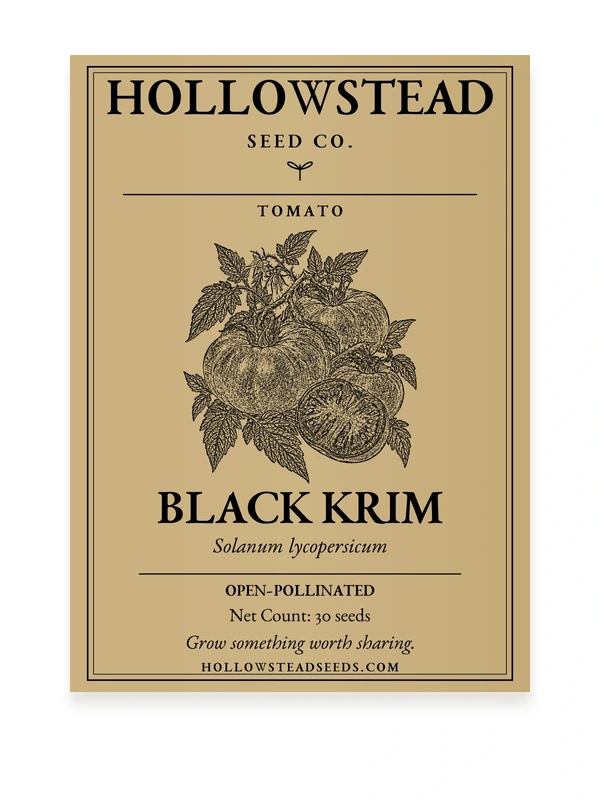
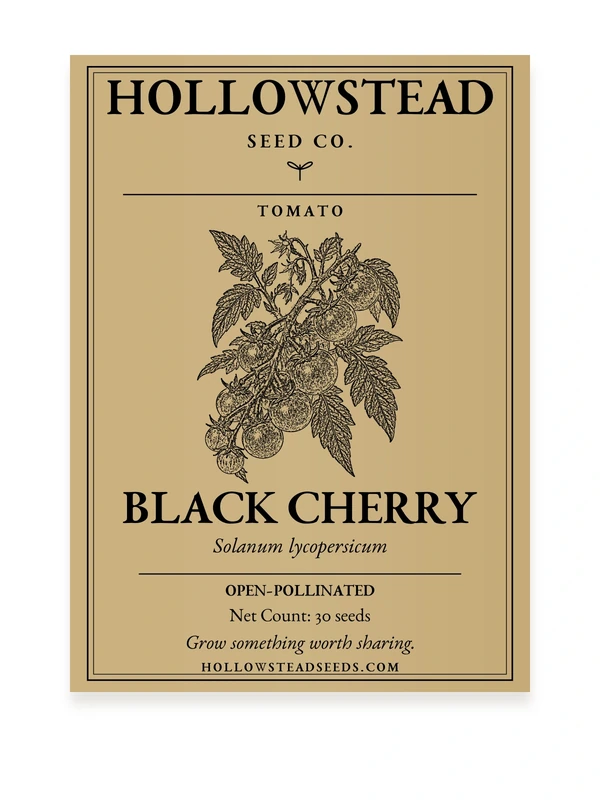
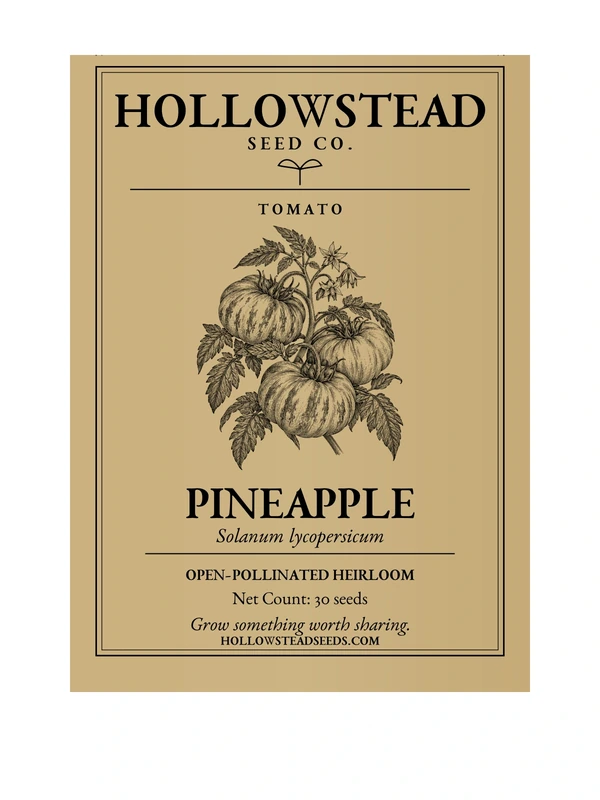
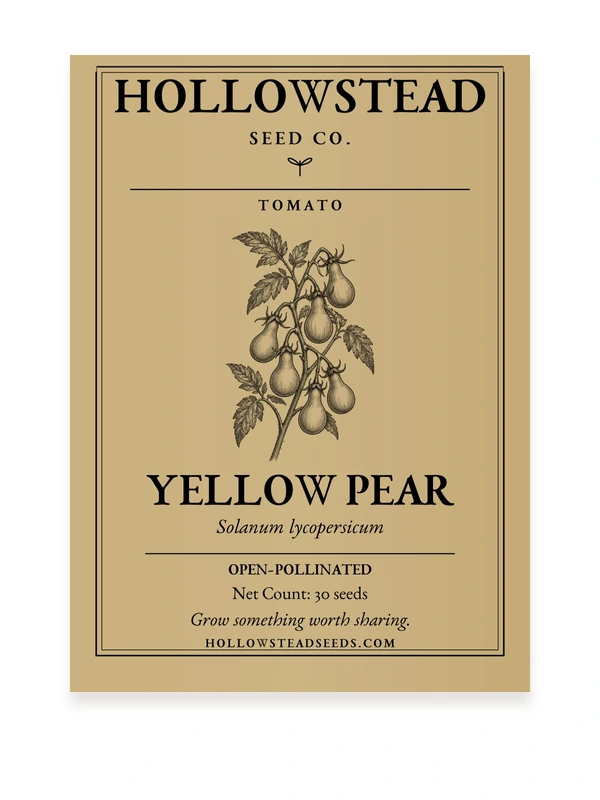
Principe Borghese brings small meaty fruit for preservation and cooking. Choose Black Krim for large dark slices or Pineapple for golden-and-red bicolor slices. Black Cherry and Yellow Pear offer small fruit for repeated fresh picking. Those four alternatives need room for indeterminate vines; the five-variety comparison helps match the plant to the harvest.
Read the Principe Borghese growing guide for staged care, harvest decisions, sourced grower observations, and troubleshooting.
Growing references
Cultivar references and general crop guidance are identified below. Planting figures are planning estimates; seed count is not a guaranteed plant count. Reviewed September 24, 2026.
- Cornell — Principe / Principe Borghese. Determinate habit and fruit description.
- University of Arkansas — 2022 graduate-student plant-sale catalog. Determinate, 70–75-day, small dry-fleshed cultivar description.
- University of Maryland Extension — Growing vegetables in containers. Minimum volumes and the benefits of larger containers.
- University of Minnesota Extension — Growing tomatoes. Seed starting, watering, fertility, and harvest.
- National Center for Home Food Preservation — Sun drying. Controlled indoor drying for vegetables.
- Iowa State University Extension and Outreach — Pruning tomatoes. Limits of sucker removal on determinate plants.

Reviews
THIS PATCH IS JUST GETTING STARTED
Your garden could start the conversation.
No published reviews for this variety yet. Once you have tried these seeds, your experience can help another gardener decide what to plant.
A few honest details are worth more than a perfect growing season.