
Description
A BICOLOR SLICER FOR THE SUMMER TABLE
Make room for a different kind of tomato slice.
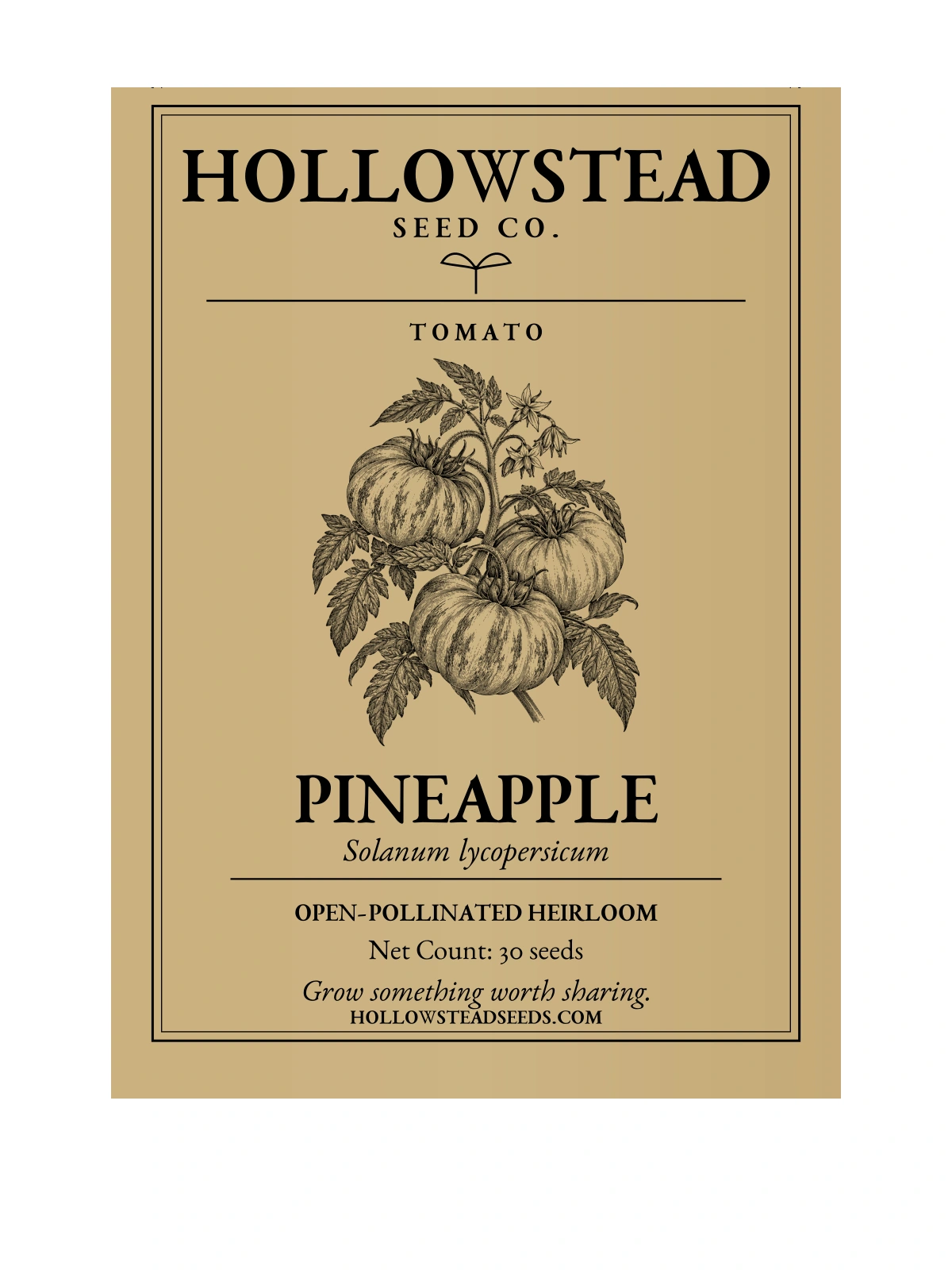
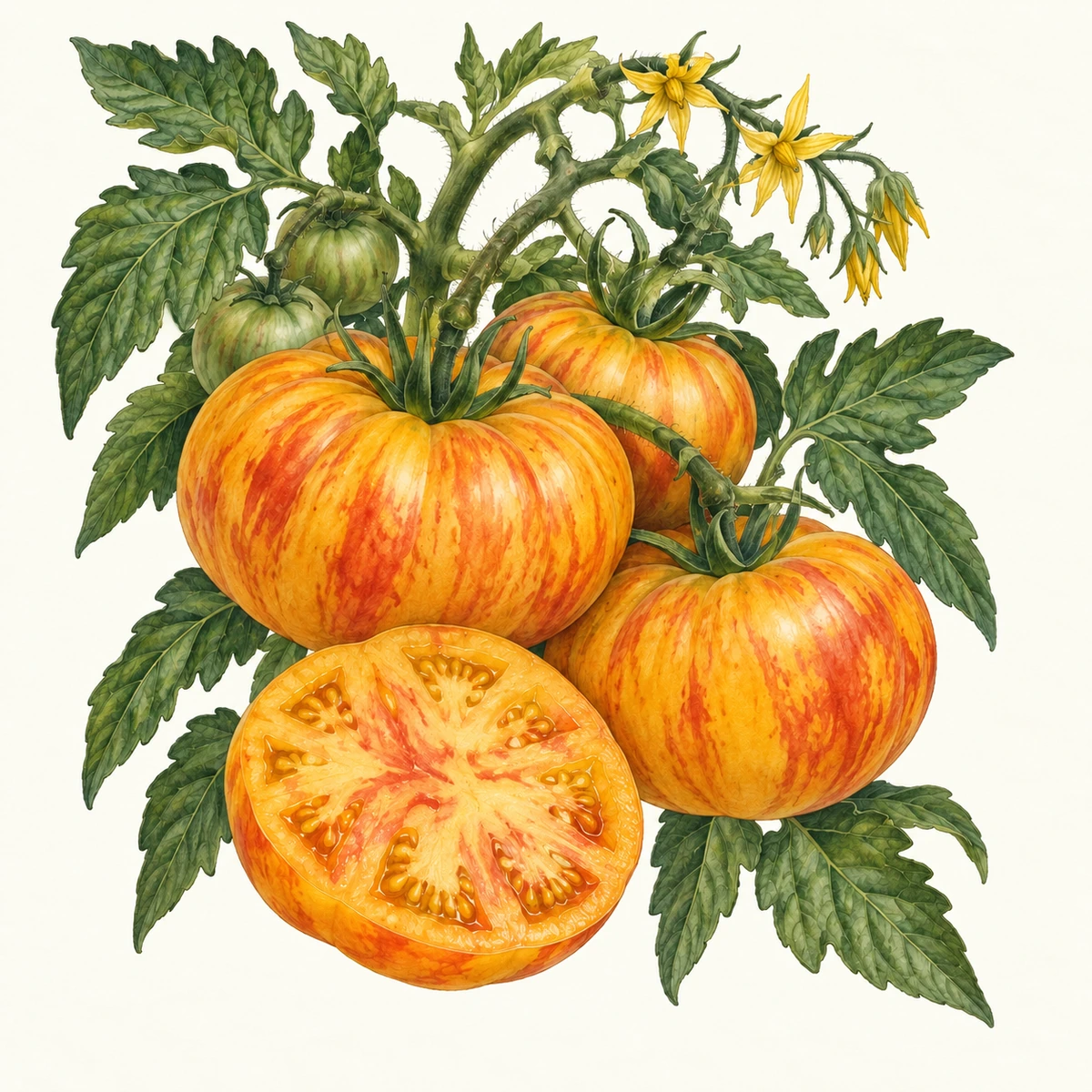
Pineapple is an open-pollinated heirloom beefsteak with golden-yellow and red coloring. Published cultivar descriptions put its large fruit around 1–2 pounds; actual size and color vary with conditions. Its role is generous fresh slices for sandwiches and tomato plates, with an indeterminate vine to support through the season. [1]
Choose it for: A large bicolor slicing tomato when you have the growing season and support space for a later harvest.
THE DECISIONS THAT MATTER
Practical growing tips
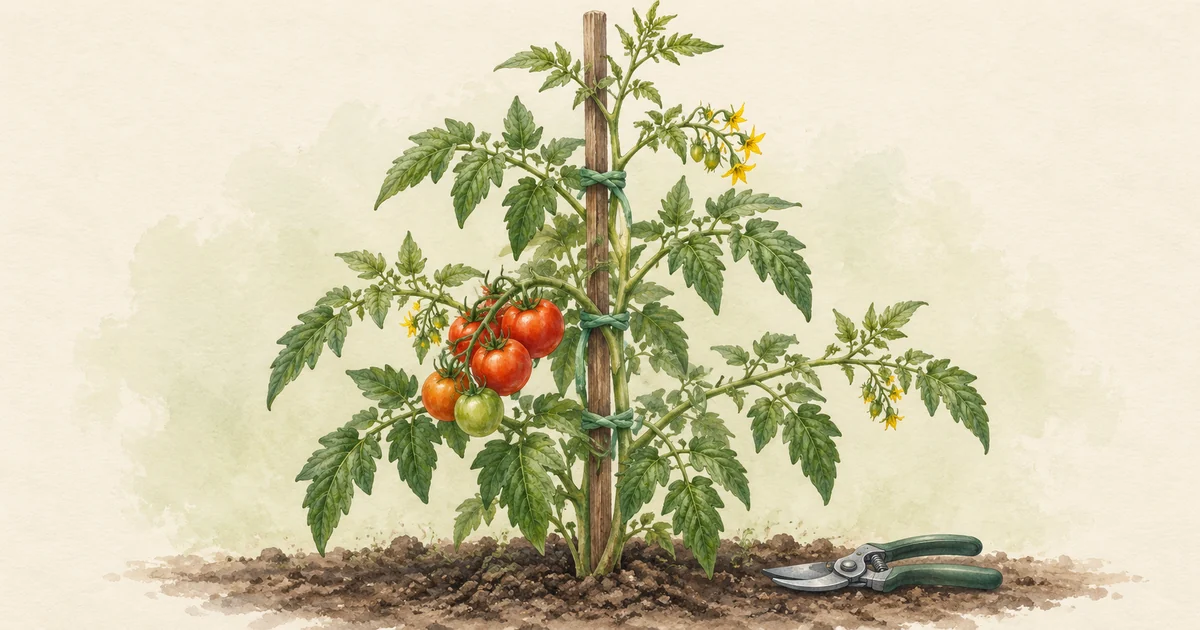
Build for the loaded vine.
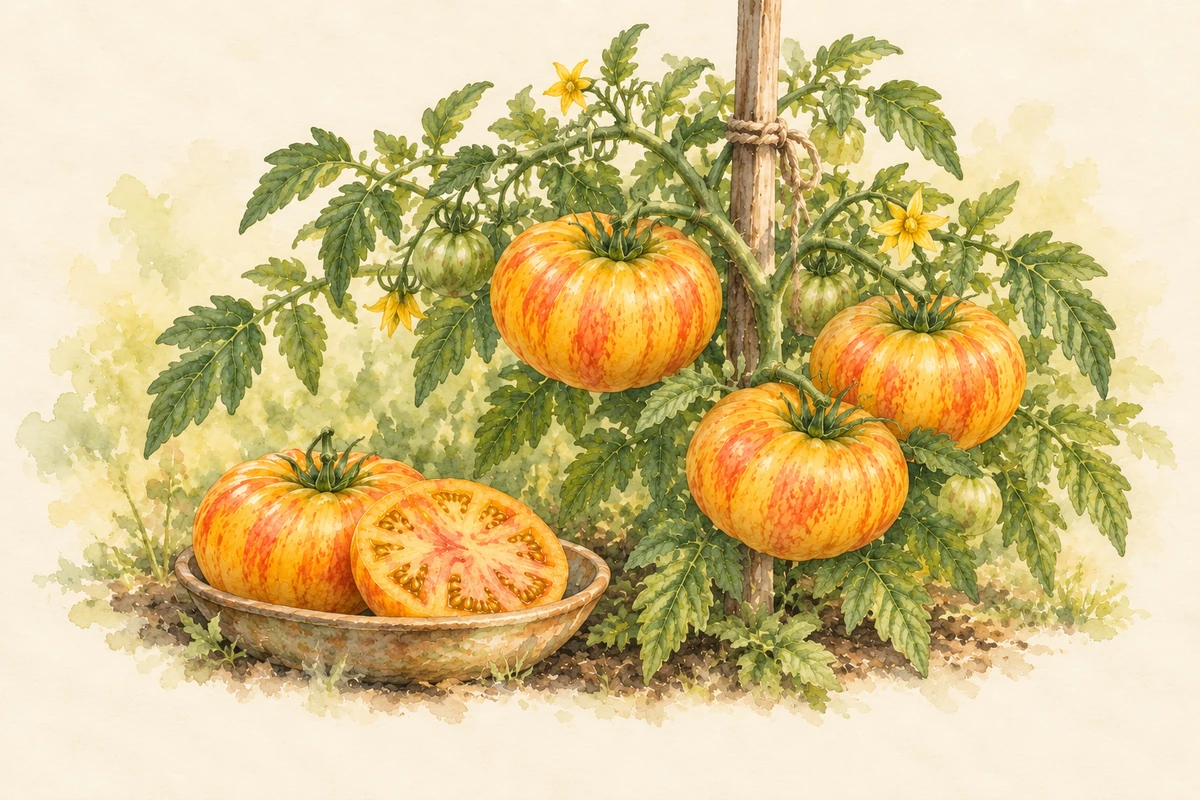
Install a substantial cage, stake, or trellis at planting. Tie stems with soft, loose material and check them again as fruit fills. Keep healthy foliage around the clusters for shade. [2]
Read color and feel together.
Look for developed yellow-and-red color and a slight give. Do not wait for every surface to turn red. Sound fruit that has begun changing color can finish ripening indoors. [3]
Keep root moisture steady.
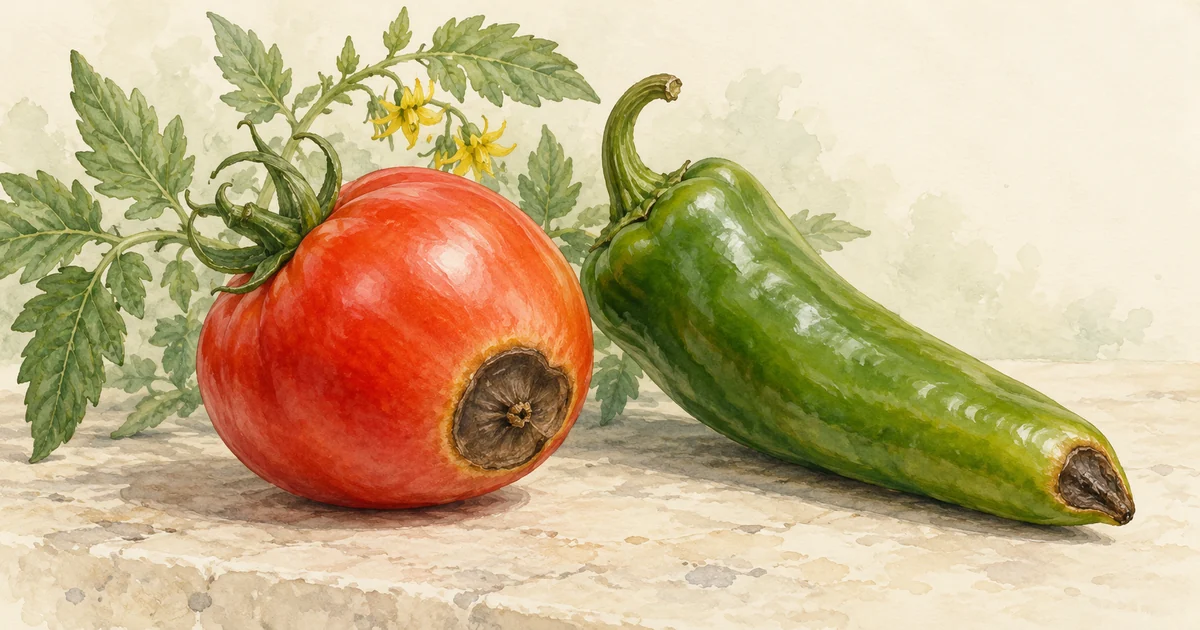
Check below the mulch and water the root zone thoroughly when needed. A dry bed followed by heavy rain can encourage cracking; repeated shallow splashes do little for the deeper roots. [4]
Choose the space before sowing.
Plan how many supported plants fit, then start that number with a small allowance for losses. A 30-seed packet does not require 30 plants in one season, and seed count is not a guaranteed plant count.
FROM PACKET TO GARDEN
Warm starts, sturdy seedlings, settled weather.
Sow indoors.
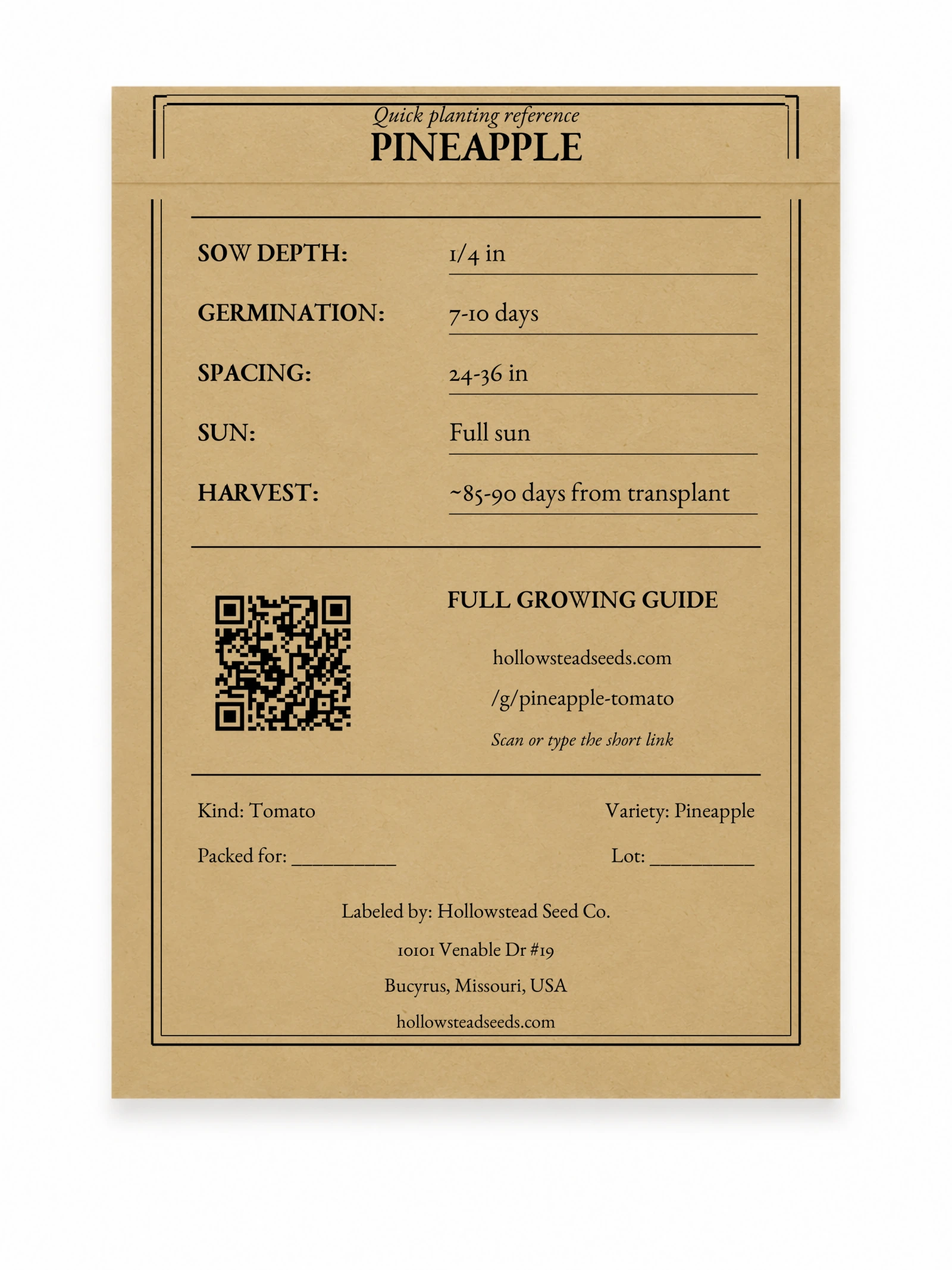
Start about 6–8 weeks before your expected outdoor transplant date, adjusting to the local planting window. Sow ¼ inch deep; typical emergence is about 7–14 days around 70–80°F in evenly moist mix. Give seedlings bright light as soon as they emerge. These are planning ranges, not lot test results. [4] [5]
Harden off gradually.
Introduce outdoor sun and wind over about one to two weeks. Transplant after frost danger into warm soil; keep a shelter option available if the forecast turns cold. [4]
Leave working room.
Allow 24–36 inches between supported plants as a starting point. Broad cages can need more space; leave separate access for tying, watering, and picking. Choose a sunny site with draining soil. [3] [4]
FROM FLOWER TO HARVEST
Support the stem, cradle the fruit.
Check the loaded branches as well as the top of the vine. Redirect shoots while they are flexible and loosen any tie that is pressing into a thickening stem. At harvest, hold each large fruit in your palm and clip a resistant stem instead of pulling on the cluster.
Set sound coloring fruit in a shallow layer indoors and inspect it as it ripens. Sample the first ripe fruit to learn the color and firmness you prefer in your own garden. The name Pineapple describes a tomato variety; it does not promise a particular fruit flavor.
A FEW THINGS WORTH KNOWING
Before you plant.
Is Pineapple a compact tomato?
No. It is indeterminate and continues extending while conditions allow. Provide support for a full-size vine, even if you grow only one plant.
Does all the fruit ripen at once?
No. The 85–90-day estimate refers to the first ripe harvest after transplanting. Later clusters can follow through the suitable growing season.
Is this the best choice for drying?
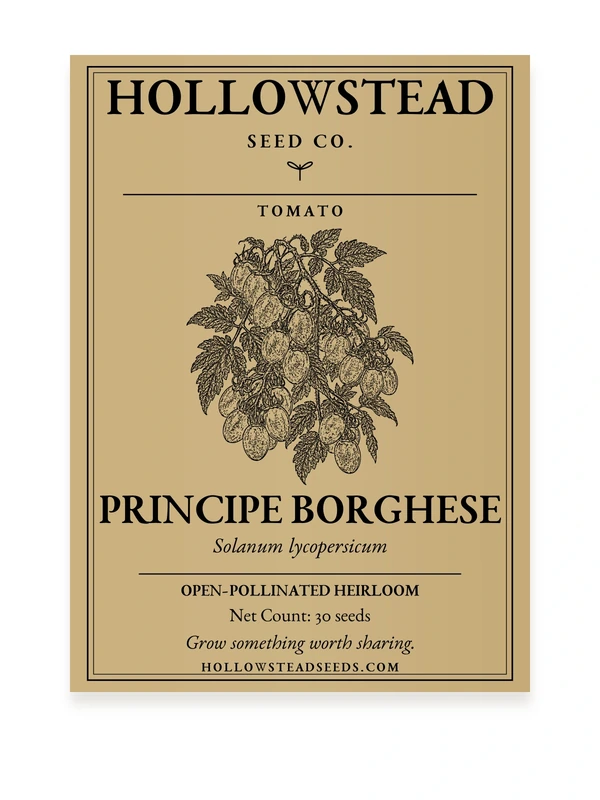
Its distinctive role is fresh slicing. Principe Borghese offers smaller, meaty fruit for roasting and controlled drying.
Is heirloom a disease-resistance claim?
No. It does not establish resistance to a particular disease. Use crop rotation, sensible spacing, and regular inspection, and identify a problem before choosing a treatment.
PLAN YOUR PLANTING
Choose the tomato for the way you eat.
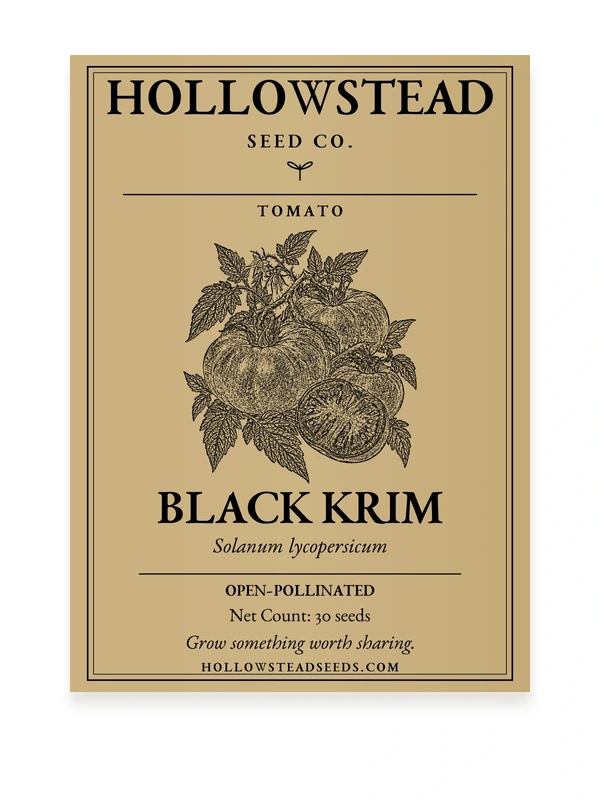
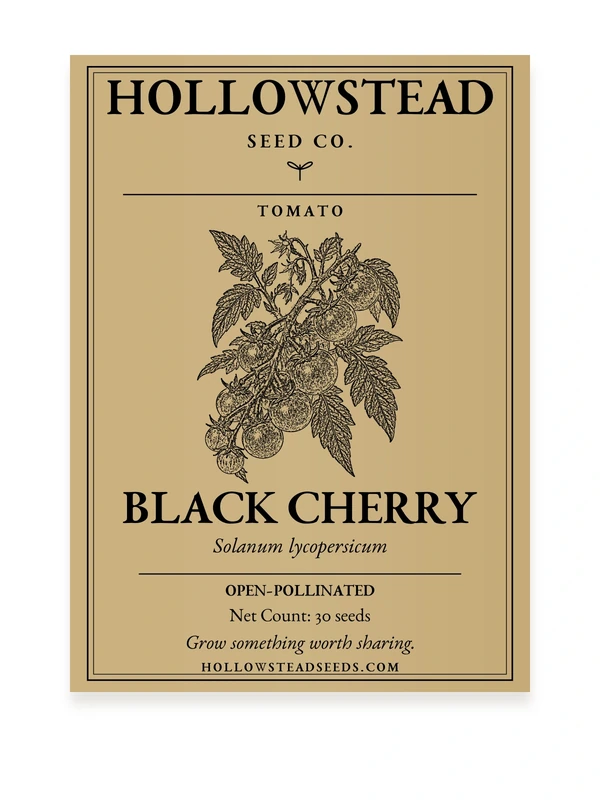
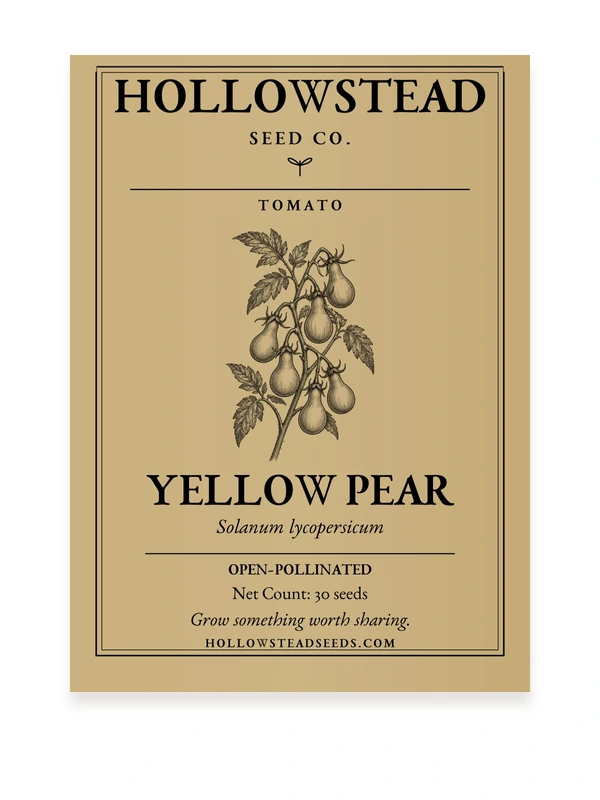
Pineapple brings golden-and-red slices; Black Krim fills the dark-slicer role. For smaller fresh fruit, choose Black Cherry or Yellow Pear. Principe Borghese focuses on roasting, cooking, and drying. Compare all five in the Pineapple growing guide.
Read the Pineapple growing guide for support choices, bicolor harvest cues, seed starting, and troubleshooting.
Growing references
Cultivar descriptions and general tomato guidance are identified below. Growing figures are planning estimates, not a Hollowstead trial or a guarantee for a seed lot.
- Cornell Cooperative Extension — Pineapple tomato. Cultivar identity, indeterminate habit, fruit size, and color.
- Iowa State University Extension — Training tomatoes. Support, flexible ties, and canopy tradeoffs.
- University of Maryland Extension — Growing tomatoes in a home garden. Spacing by support system and harvesting coloring fruit.
- University of Minnesota Extension — Growing tomatoes. Sowing depth, light, hardening, transplanting, and watering.
- Illinois Extension — Starting seeds. A six-to-eight-week tomato starting schedule.
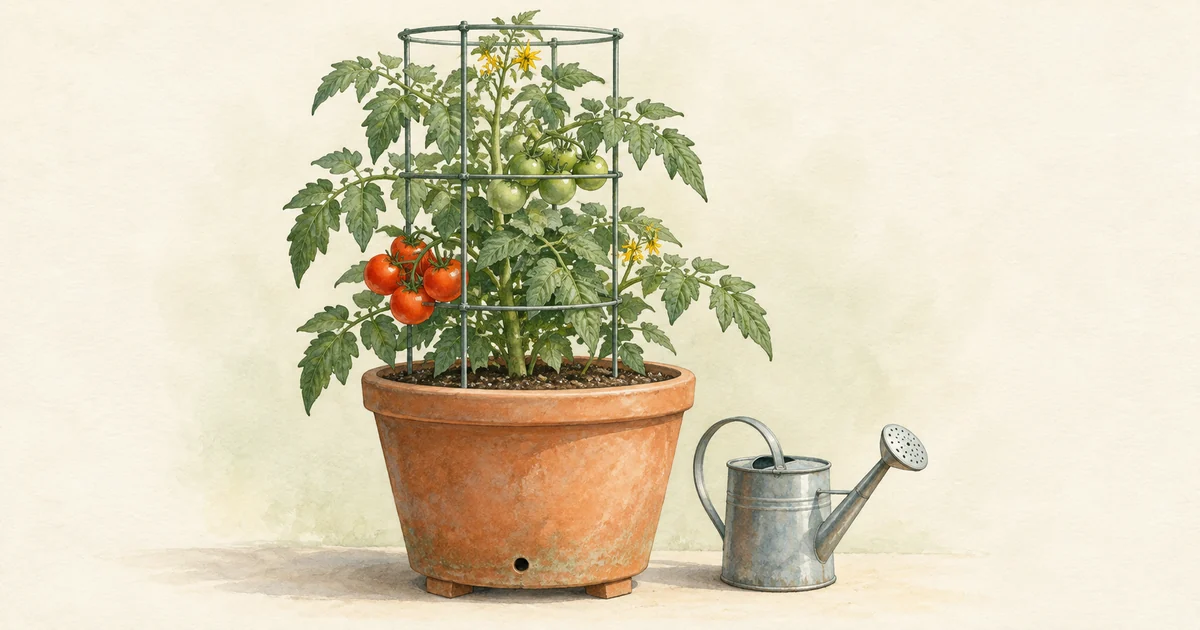
- University of Maryland Extension — Growing vegetables in containers. Root volume, drainage, water access, and support stability.

Reviews
THIS PATCH IS JUST GETTING STARTED
Your garden could start the conversation.
No published reviews for this variety yet. Once you have tried these seeds, your experience can help another gardener decide what to plant.
A few honest details are worth more than a perfect growing season.