
Description
FOR THE SUMMER TABLE
A slicer worth making room for.
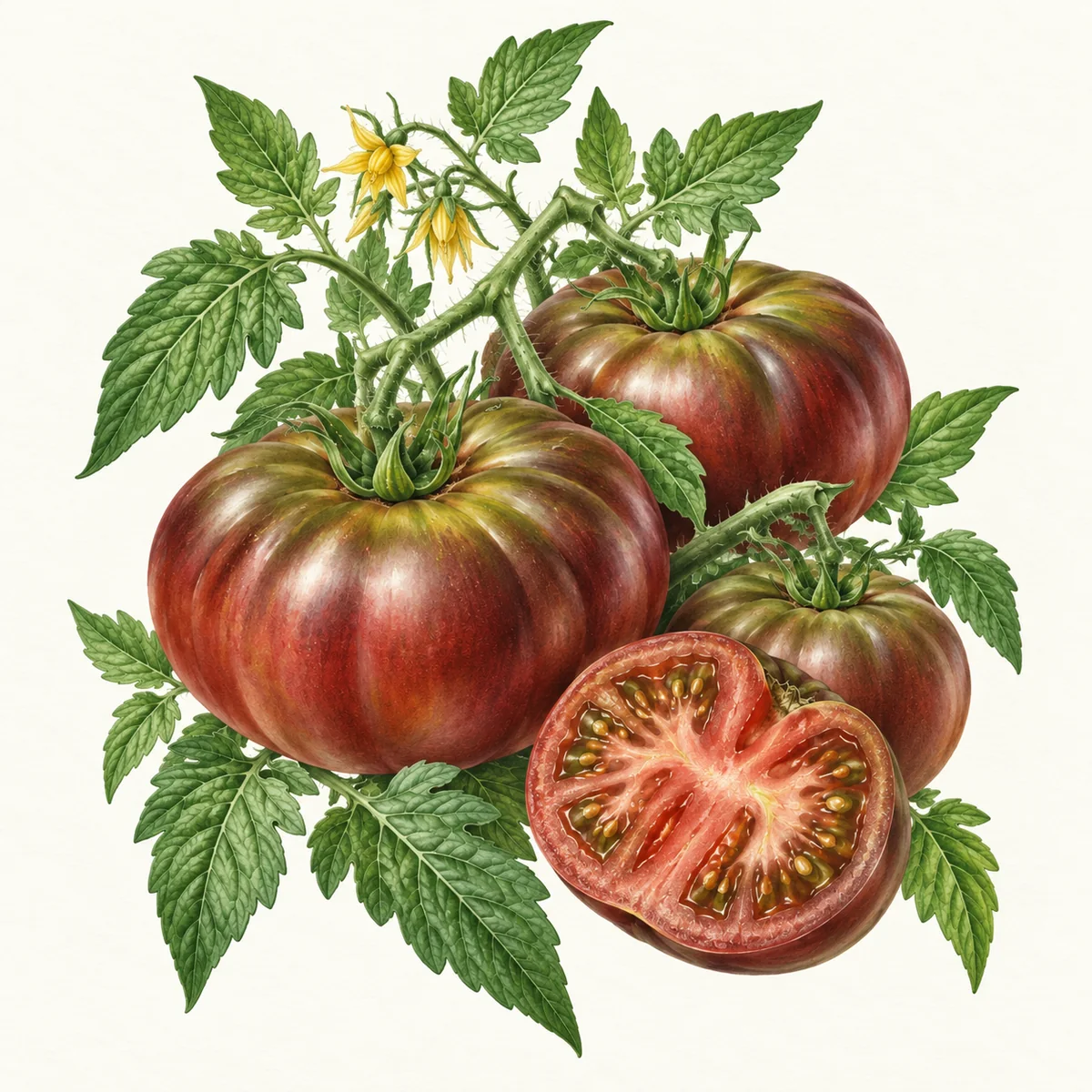
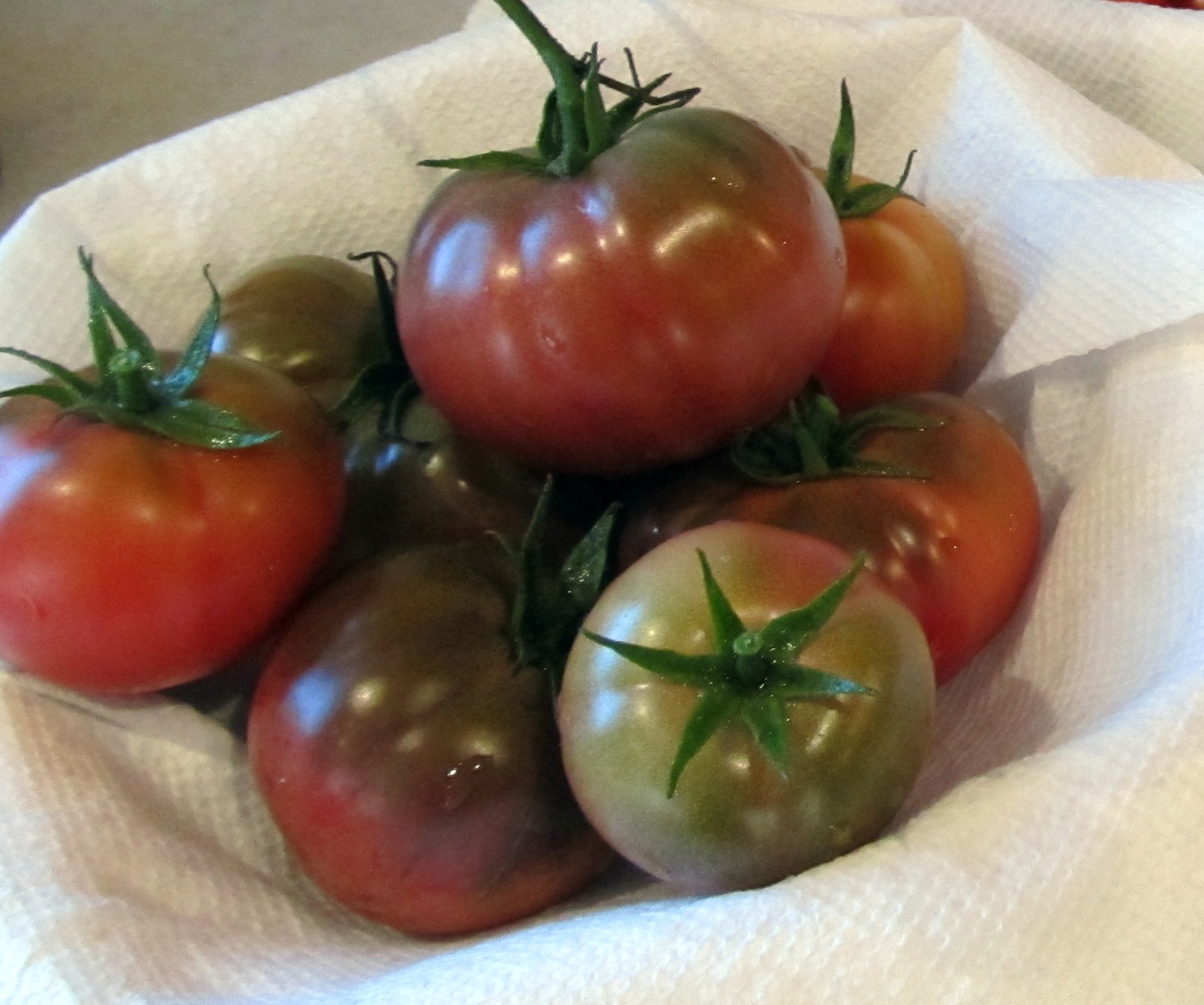
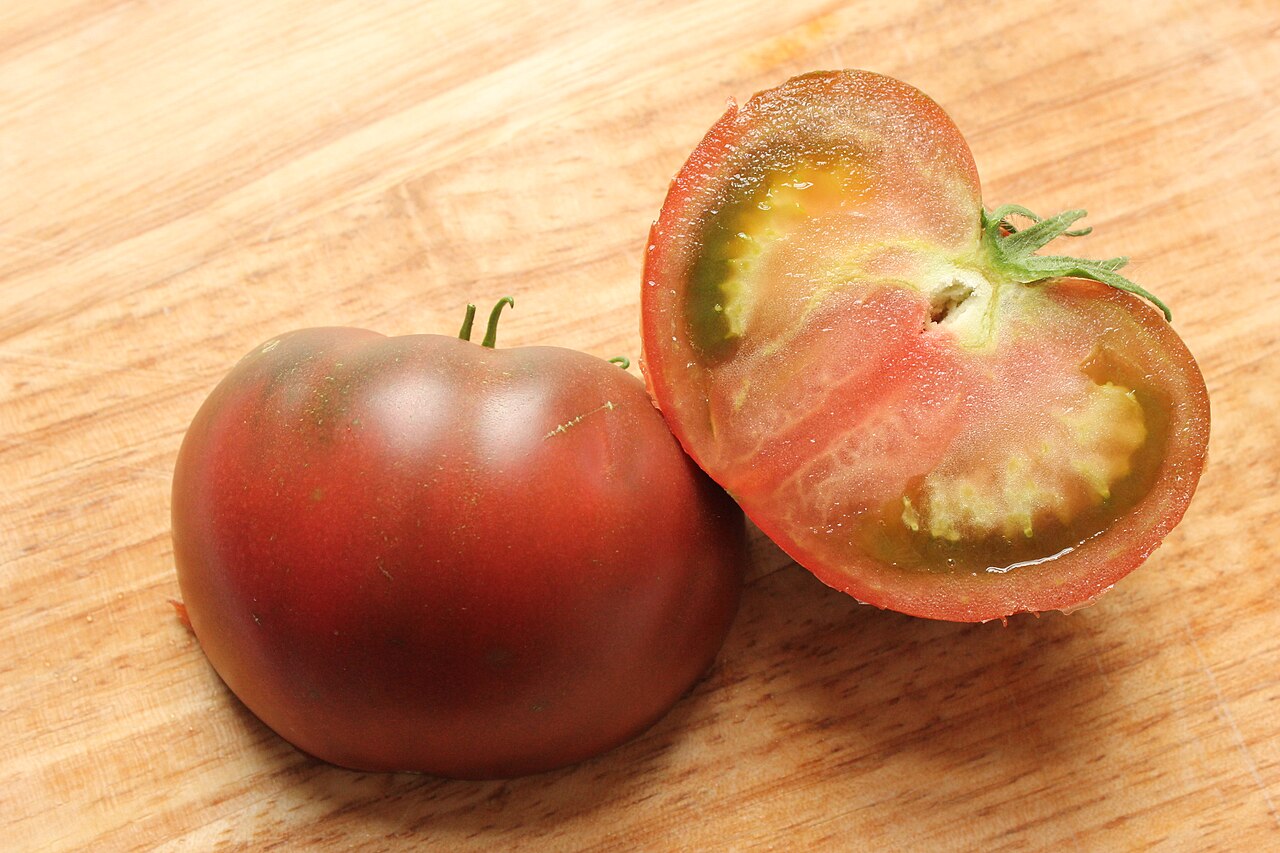
Choose Black Krim for generous, juicy slices in sandwiches and tomato plates. This indeterminate heirloom bears dark red-brown fruit with green-brown shoulders; Rutgers lists about 8 ounces as a reference size. Give it substantial support and picking access; use developed lower-fruit color and gentle give rather than waiting for uniformly red shoulders. The guide puts a Florida high-tunnel comparison in context. [3]
Choose it for: Fresh slices, salads, and gardeners who value distinctive fruit over a perfectly uniform harvest.
THE DECISIONS THAT MATTER
Practical growing tips
Support the fruiting branches.
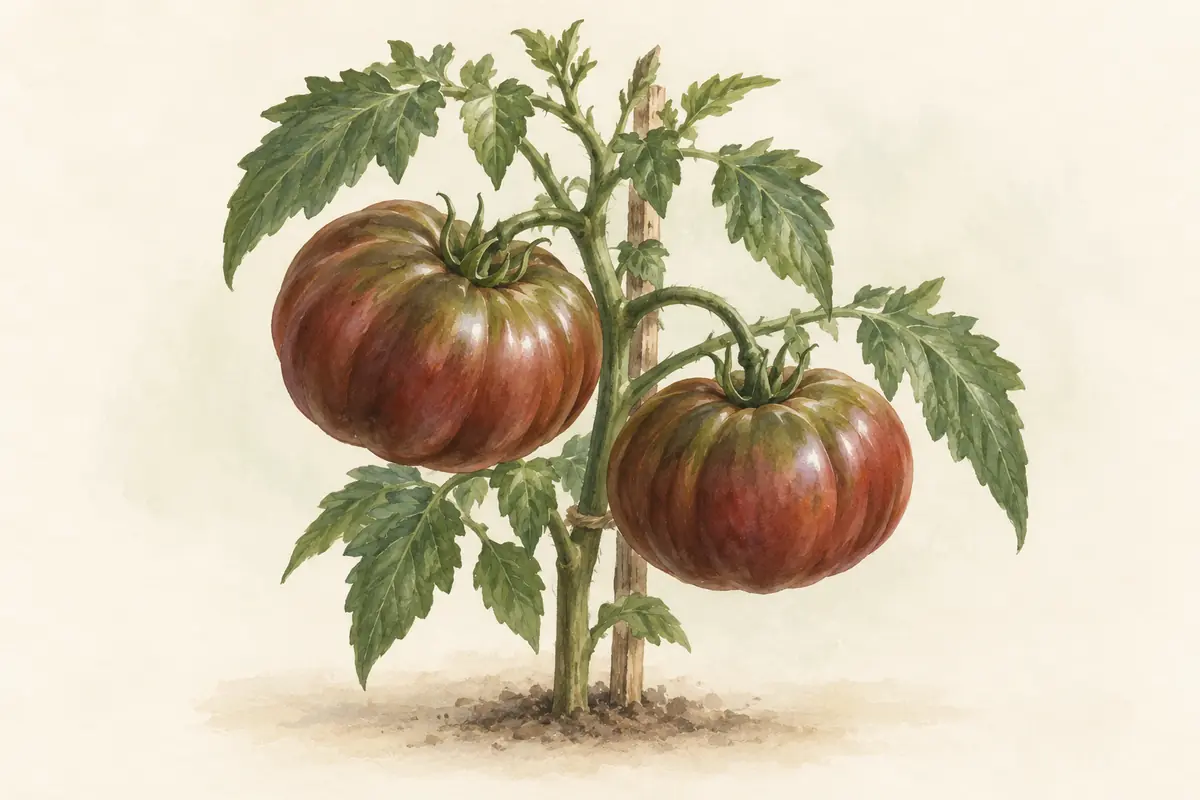
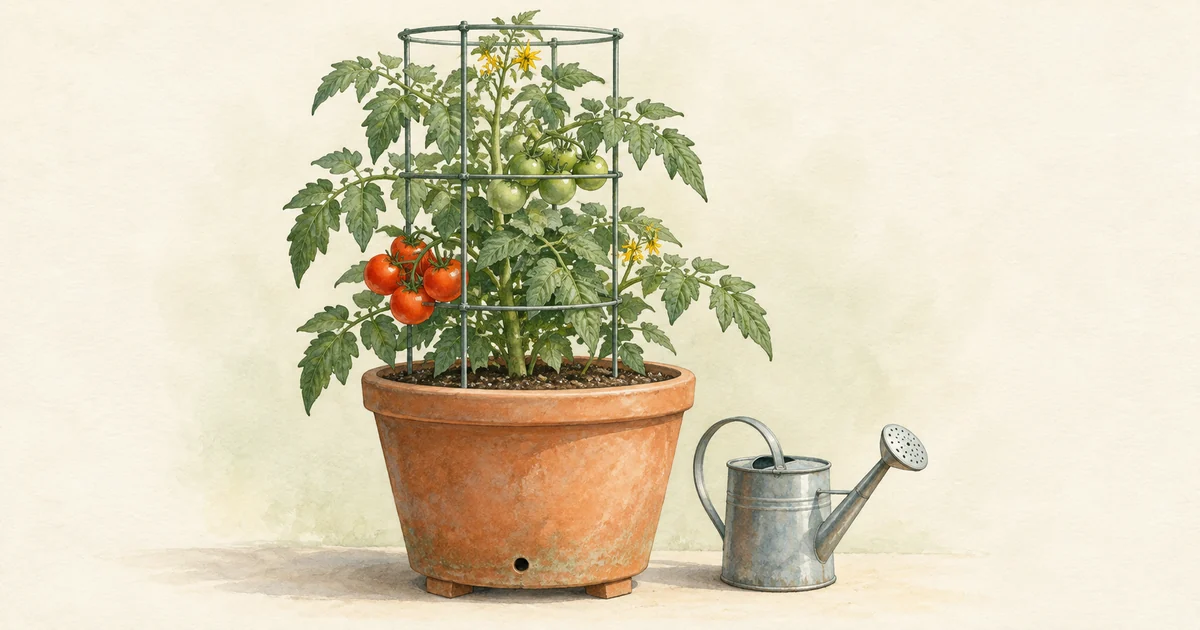
Put the cage or trellis in early, then check ties as clusters fill. Support stems without cinching them; heavy fruit increases leverage at branch forks. [1]
Expect green-brown shoulders.
Check the lower fruit for mature dusky color and gentle give. Its documented shoulder color means uniform red is a poor picking rule. [3]
Reduce dry-to-wet swings.
Check soil beneath mulch, water thoroughly when needed, and pick sound nearly ripe fruit before heavy rain if cracking recurs. [4]
Keep shade on the fruit.
Prune for access and your support system. Stripping a vine bare exposes its fruit to sunscald; hot weather alone is not a reason to remove healthy leaves. [2]
FROM PACKET TO GARDEN
A good start, one step at a time.
Start with warmth.
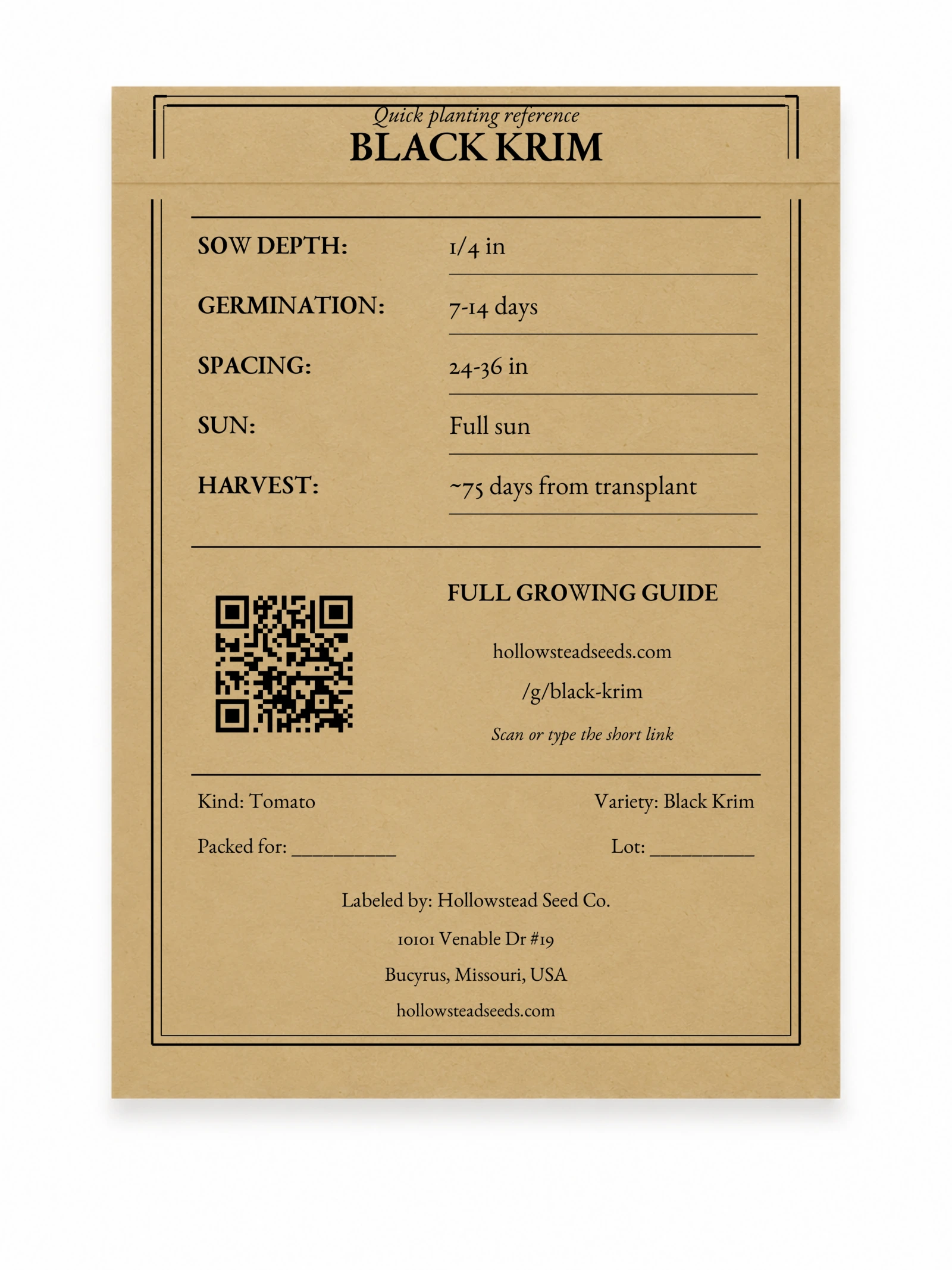
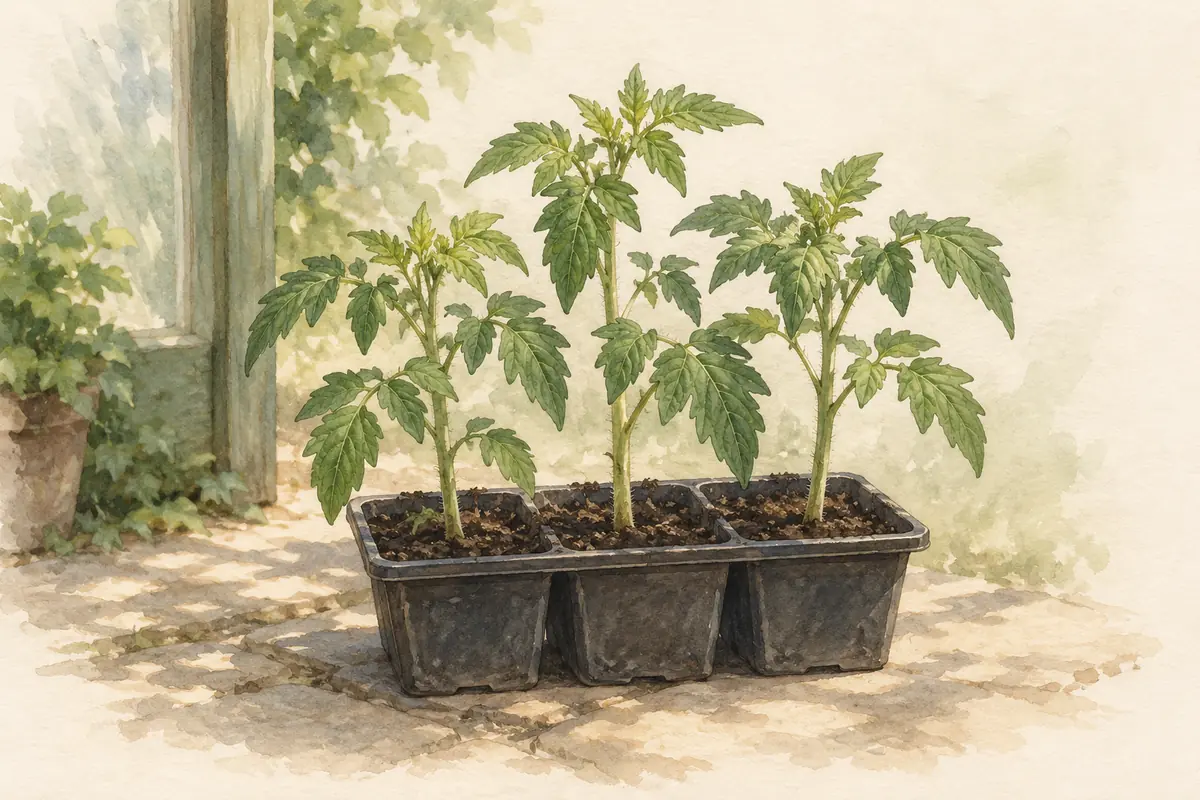
Sow indoors about 6–8 weeks before outdoor planting, ¼ inch deep. Keep the mix evenly moist and give emerged seedlings bright light. [2]
Wait for settled weather.
Harden seedlings gradually and transplant after frost danger into warm soil. A brief spring warm spell is not the same as an established planting window. [2]
Leave room to work.
Allow about 24–36 inches between supported plants. Favor more room for broad cages and humid sites; leave access for watering, tying, and picking.
The approximately 75-day estimate is from transplanting to the first ripe fruit, not from sowing or a promise that every fruit will be ready together.
FROM FLOWER TO HARVEST
Harvest with a little give, then handle gently.
Cradle a ripe tomato in your palm and cut a resistant stem rather than twisting the vine. Let sound coloring fruit finish indoors out of direct sun. Use fully ripe fruit promptly and inspect stored fruit each day. [2]
Steady soil moisture supports the next clusters. Water at soil level, keep foliage clear of splash, and check fruit as well as leaves: an expanding sunken spot or fresh open split needs different attention from normal dark shoulder color.
A FEW THINGS WORTH KNOWING
Before you plant.
Is this a sauce tomato?
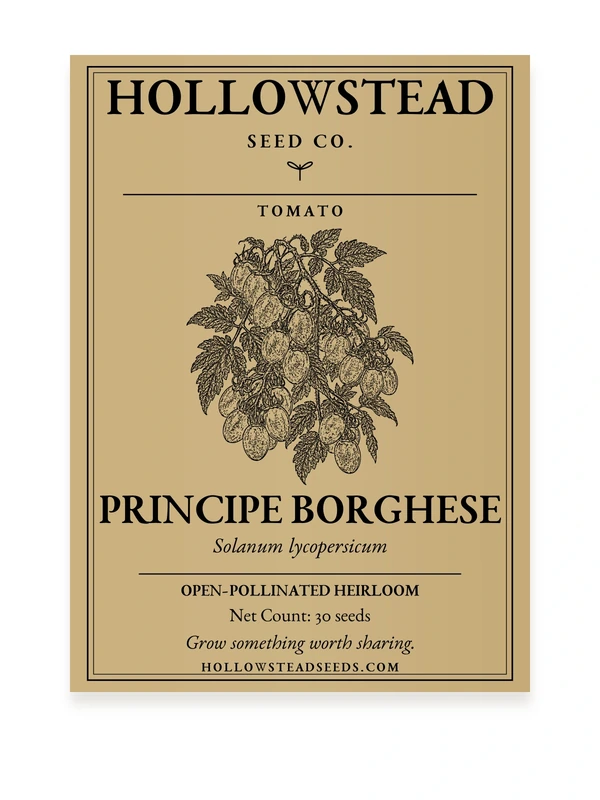
It can be cooked, but its distinctive role is fresh slicing. Principe Borghese offers smaller, drier fruit for roasting and drying.
Does it produce one big harvest?
No. Its indeterminate vine keeps extending and can provide repeat harvests while conditions allow. [3]
Are green shoulders always normal?
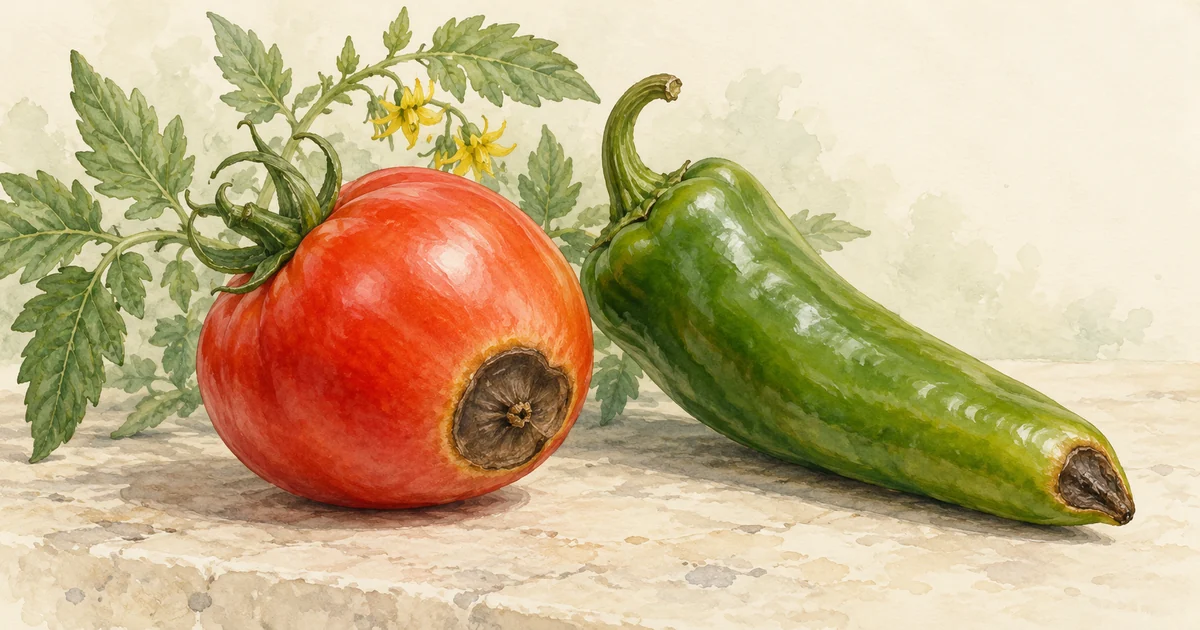
Green-brown shoulder color is documented for Black Krim. A hard, pale patch, sunken damage, or rot is a separate symptom; use the guide’s fruit-check table.
Does heirloom mean disease resistant?
No. The term does not establish resistance to a particular disease. Keep plants spaced, supported, and monitored rather than relying on that label.
PLAN YOUR PLANTING
Match the tomato to the meal.
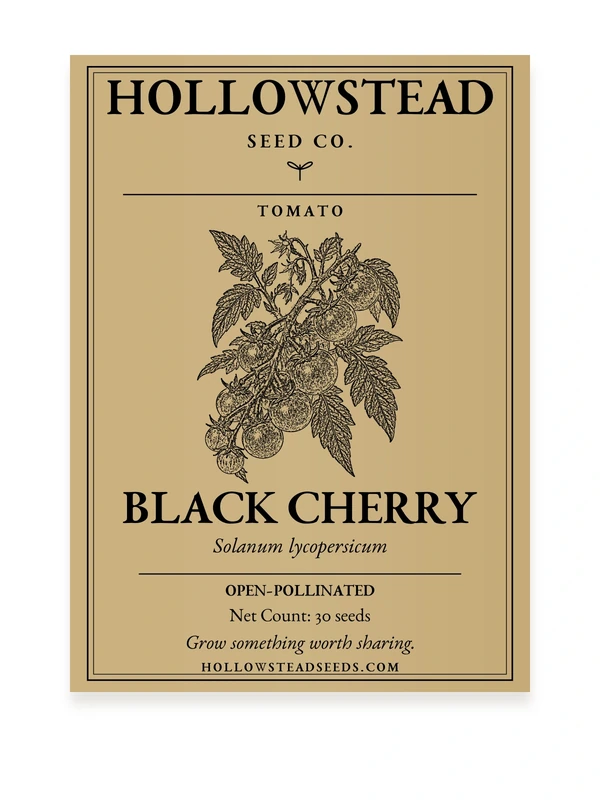
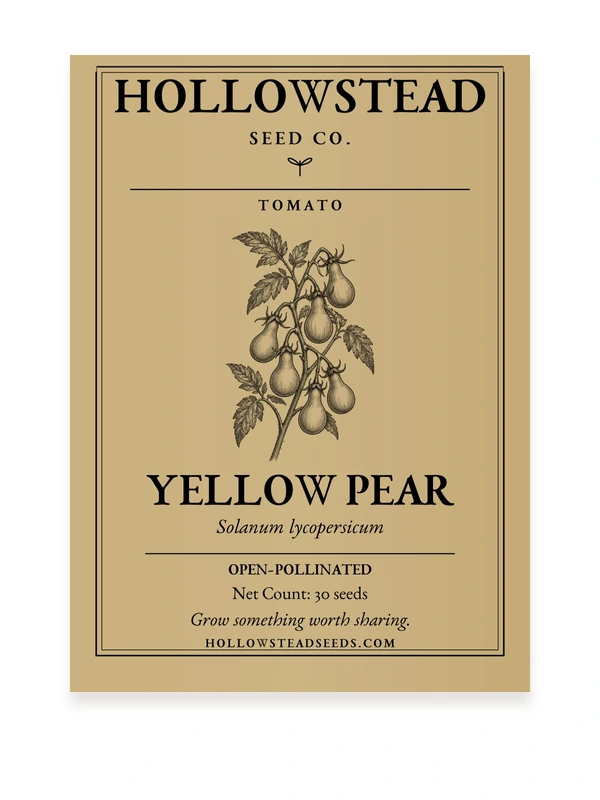
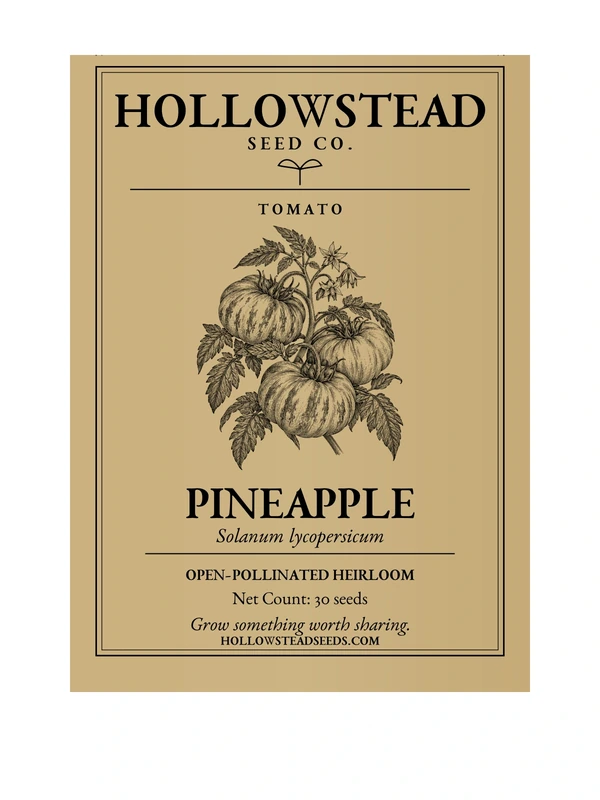
Choose Black Krim for large dark fresh slices, or Pineapple for golden-and-red bicolor slices. Black Cherry and Yellow Pear suit frequent small-fruit harvests, while Principe Borghese suits roasting, drying, and kitchen batches. The four fresh-eating varieties are indeterminate; compare all five varieties in the tomato variety guide.
Read the Black Krim growing guide for staged care, harvest decisions, sourced grower observations, and troubleshooting.
Growing references
Cultivar references and general crop guidance are identified below. Planting figures are planning estimates; seed count is not a guaranteed plant count. Reviewed September 24, 2026.
- Seed Savers Exchange — Growing tomatoes. Support, care, and seed saving.
- University of Minnesota Extension — Growing tomatoes. Seed starting, watering, fertility, and harvest.
- Rutgers Cooperative Extension — Black Krim. Open-pollinated indeterminate habit, fruit size, and shoulders.
- University of Minnesota Extension — Cracks in tomato fruit. Moisture swings and cracking.
- University of Maryland Extension — Growing vegetables in containers. Minimum volumes and the benefits of larger containers.
- University of Maryland Extension — Poor tomato fruit set during heat. Crop-level flowering response to high temperatures.



Reviews
THIS PATCH IS JUST GETTING STARTED
Your garden could start the conversation.
No published reviews for this variety yet. Once you have tried these seeds, your experience can help another gardener decide what to plant.
A few honest details are worth more than a perfect growing season.