
SEED STORAGE & STARTING
How to Store Garden Seeds and Test Old Seed
Keep leftover seed dry, cool, and labeled, then use a small germination test to decide what deserves space in the next planting. Includes a counting example, storage checklist, and crop-specific next steps.
Garden BasicsGarden planningBeginner → advanced
Published by Hollowstead Seed Co. · How this guide is prepared
Quick answer
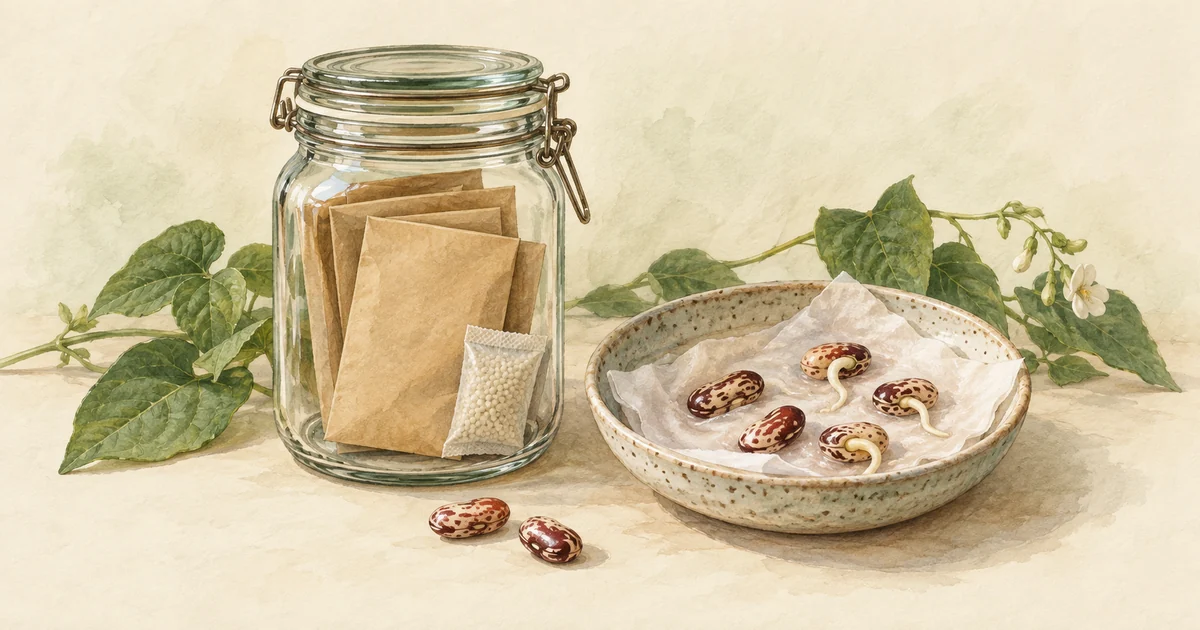
Store dry garden seed in labeled packets inside a tightly sealed container in a cool place. A refrigerator can work well when the container excludes moisture.[1] After cold storage, let the container reach room temperature while still sealed before opening it.[5] A packet’s age alone cannot tell you whether it will grow: test a small sample before relying on an older lot.
A home test gives you a useful planning estimate. It does not certify a seed lot or guarantee that every seedling will establish outside.
At a glance
| Decision | Useful starting point |
|---|---|
| Storage goal | Dry seed, a sealed container, and a cool location |
| What to keep | Crop, variety, lot, packet year, and sowing directions |
| Small home test | 10 seeds; a larger sample gives a less coarse estimate |
| What to observe | Germination, timing, and whether seedlings develop normally |
| Before replacing seed | Check that the test matched the crop’s temperature and light needs |
A storage setup you can actually maintain
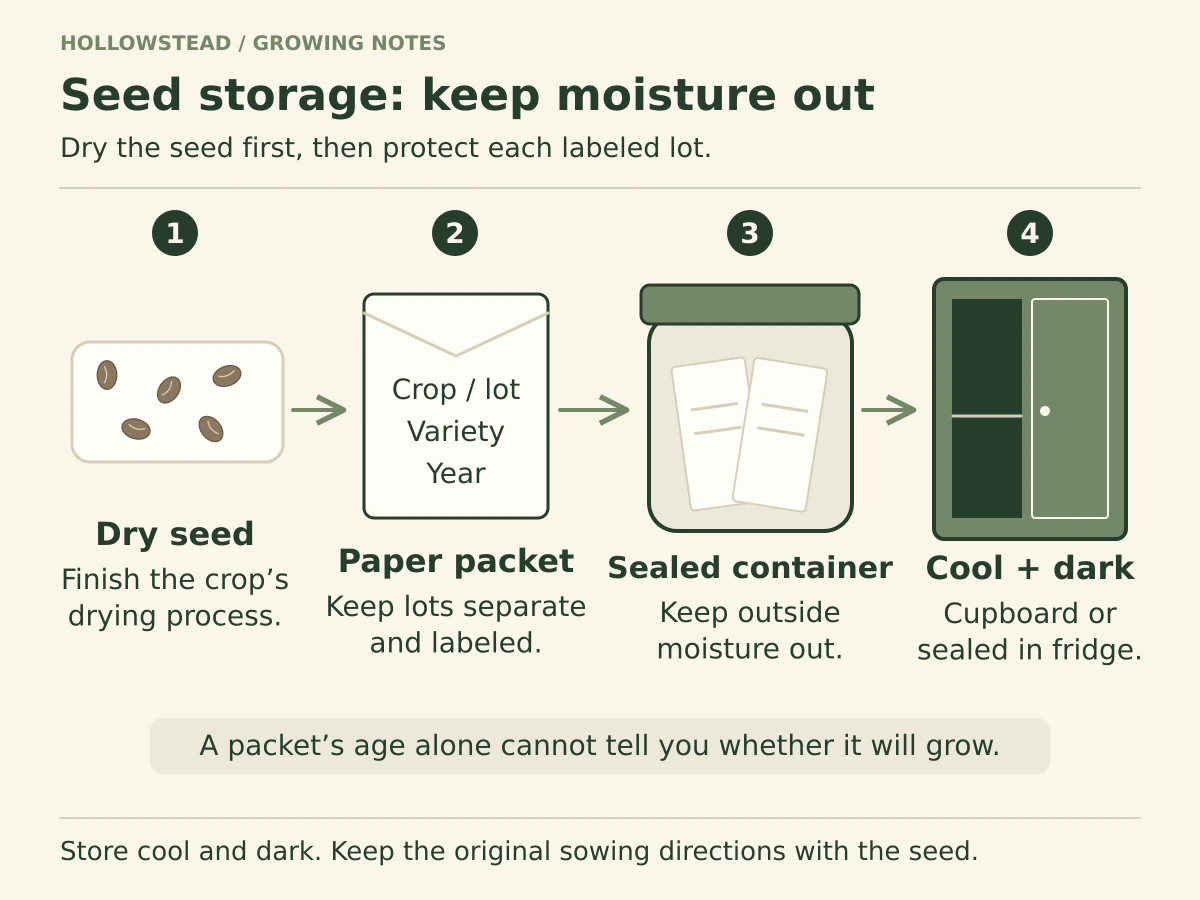
Keep different varieties and lots separate. Put the original packets in a lidded jar or other airtight container, and use a cool indoor cupboard or refrigerator. Minnesota Extension recommends sealed glass containers and describes refrigeration as a suitable option.[1] A hot shed, damp basement shelf, or sunny windowsill makes the conditions harder to control.
When taking seed out of cold storage, leave the outer container sealed until it reaches room temperature. Opening it while cold can let moisture from warmer air condense on the seed.[5] Take out what you need, then reseal the dry packets inside the container before returning it to storage.
Choose a container you can inspect without emptying every packet. Write a short inventory on its lid or keep a list alongside it. A useful label reads “Black Krim / packet year / lot / received date”; add the date and result of any later home test. This keeps a good result from one lot from being mistakenly applied to another.
For home-saved seed, finish the crop’s cleaning and drying process before sealing it. The seed-saving sections in the Black Krim guide and bean guide address the step before storage. Drying and labeling are part of saving seed, not an optional cleanup after it.[2]
How long do garden seeds last?
Published storage-life tables are broad guides, not expiration dates. They differ by crop and assume reasonable storage. Oregon State lists tomato and cucumber among its longer-lived vegetable seeds and puts beans in an intermediate group; it gives peppers a shorter estimate.[2] Do not turn those categories into a promise about a packet left in a hot car.
For Hollowstead’s herbs and flowers, keep the same habit: record the packet year, preserve its directions, and test an older lot when timing matters. A surviving seed and a vigorous transplant are different outcomes. Plan around the seedlings you actually get.
Run a small paper-towel germination test
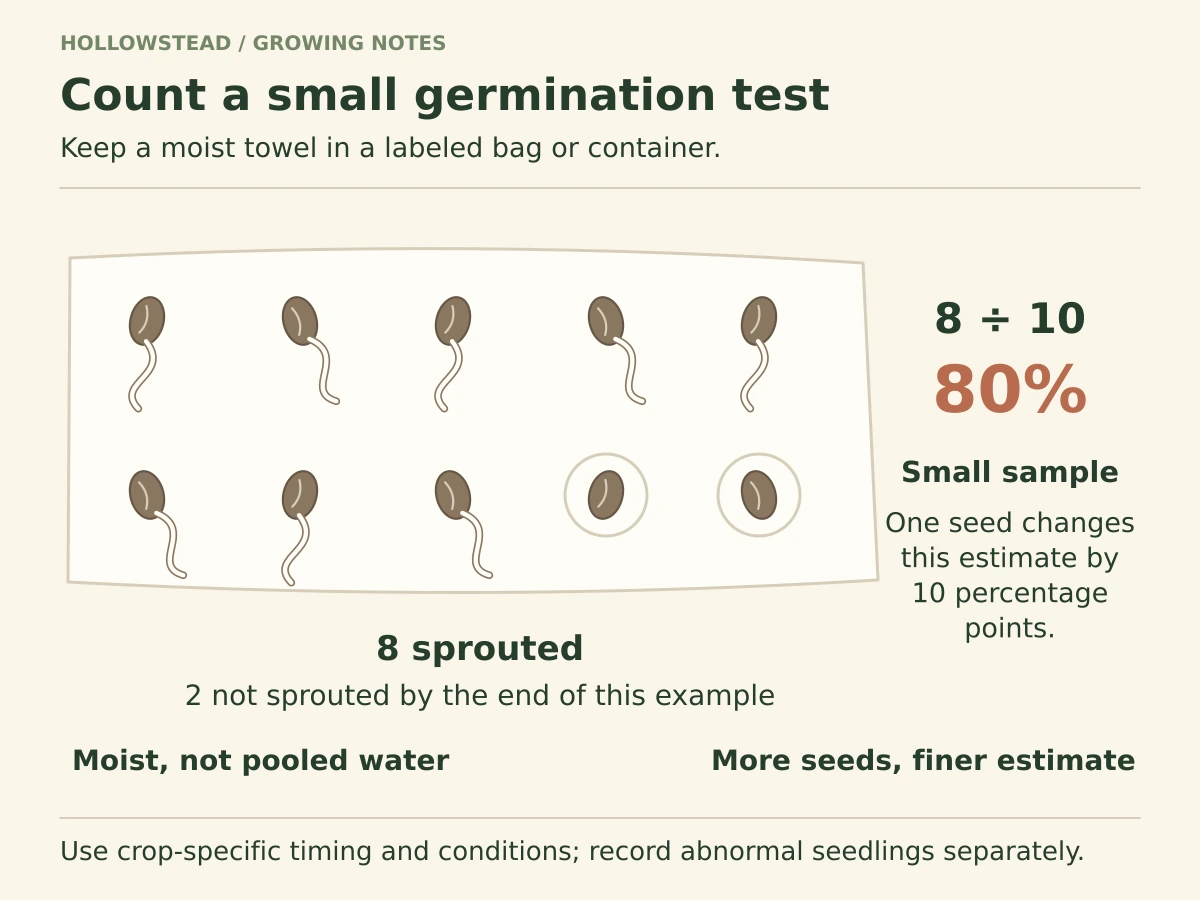
Illinois Extension describes this simple method using a moist towel and sealable bag or container.[3] Use clean materials and label the test before adding seed.
- Count 10 seeds from the packet. If you have plenty, a larger sample makes each individual seed less influential.
- Moisten a paper towel, spread out the seeds, and fold it loosely. It should stay moist without seeds sitting in a pool of water.
- Place it in a labeled bag or container to slow drying.
- Provide the conditions specified for that crop. Keep a dated record and inspect periodically; restore moisture if needed.
- Count germinated seeds and note weak or abnormal development separately. Allow the crop’s expected germination period before judging the unsprouted seeds.
For slow peppers, warmth and patience matter. For shiso, follow the lot’s directions and the guide’s starting checks. A damp towel alone does not reproduce every species’ germination requirements.
Turn the result into a planting decision
Germination percentage = seeds germinated ÷ seeds tested × 100. Seven seedlings from ten tested seeds is 70%. In a ten-seed sample, one seed changes the estimate by ten percentage points, so treat a borderline result as a reason to test again when you have enough seed.
| Home test | Practical response |
|---|---|
| Most seeds sprout normally | Use the packet, while allowing for ordinary losses after sowing. |
| A mixed or slow result | Check the test conditions; repeat if the planting is important. Sow a reserve batch if you keep the lot. |
| Few or none sprout | Check crop requirements before declaring the seed dead. Replace an unreliable lot when a missed planting window would matter. |
Here is a planning example: if you want 12 plants and use a provisional 75% germination estimate, 12 ÷ 0.75 = 16 seeds. That only accounts for germination. It does not include later losses, and a small home sample cannot promise 12 plants. Start a reasonable reserve when you have room, then thin or select healthy plants.
If the test fails, check the setup once
Write down what happened: no change, swollen seed, mold, a root followed by collapse, or a slow but healthy start. These are different observations. Compare the temperature, moisture, and any light or pretreatment requirements with the packet. Dormancy or an unsuitable test can prevent germination even when a seed is alive.[3][4]
If you have a known newer lot of the same crop, testing it alongside the uncertain lot can help you assess the setup. Keep them labeled separately. When a repeat test still gives a poor result, decide whether conserving seed is worth the garden space and delay.
For outdoor failures, continue with bean seedbed troubleshooting or lettuce germination troubleshooting. Lettuce especially needs its own temperature and shallow-sowing check before a failed warm-weather test is blamed on seed age. Soil crusting, cold conditions, and a drying seed zone require a different response from replacing an old packet.
A short end-of-season routine
- Return unused seed to its labeled packet promptly.
- Separate questionable packets for an early test.
- Record how the seed was stored, not just its age.
- Keep sowing directions with each lot.
- Test before your seed-starting window, leaving time to obtain replacements.
Pair that inventory with days-to-maturity planning. A packet that germinates slowly may still grow, but the delay can change what fits into the remaining season.
For home-saved lettuce, the storage routine begins with fully mature, dry seed rather than an ordinary leaf harvest. Use the lettuce seed-saving guide for selecting plants and collecting the fluffy seed heads before packing them away.
PLAN THE NEXT SOWING
Put this guide to work.
Record the seed you have, test uncertain lots, and use the results to plan what to sow or replace.
PRINTABLE WORKSHEET
Seed inventory and germination worksheet
Keep packet details, storage notes and home-test results together before your next sowing.
BROWSE ALL SEEDS
Find seed for the next sowing
Explore vegetables, herbs and flowers once you know which seeds your growing plan needs.
KEEP LEARNING
Related growing guides
GARDEN BASICS
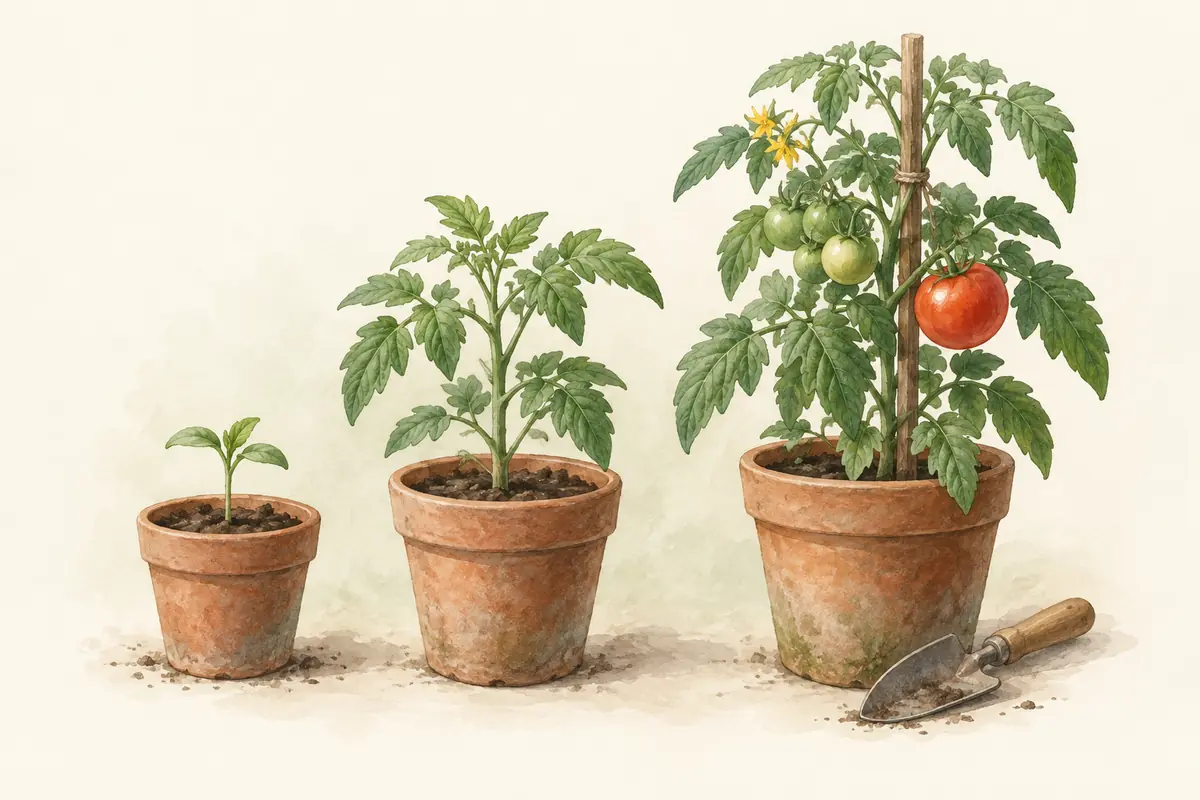
What “Days to Maturity” Actually Means for Tomatoes and Other Garden Crops
Days to maturity is a planning estimate, not a harvest appointment. Learn when the count starts, how transplanted and direct-sown crops differ, and how weather, containers, and transplant stress change the real timeline.
Read the guide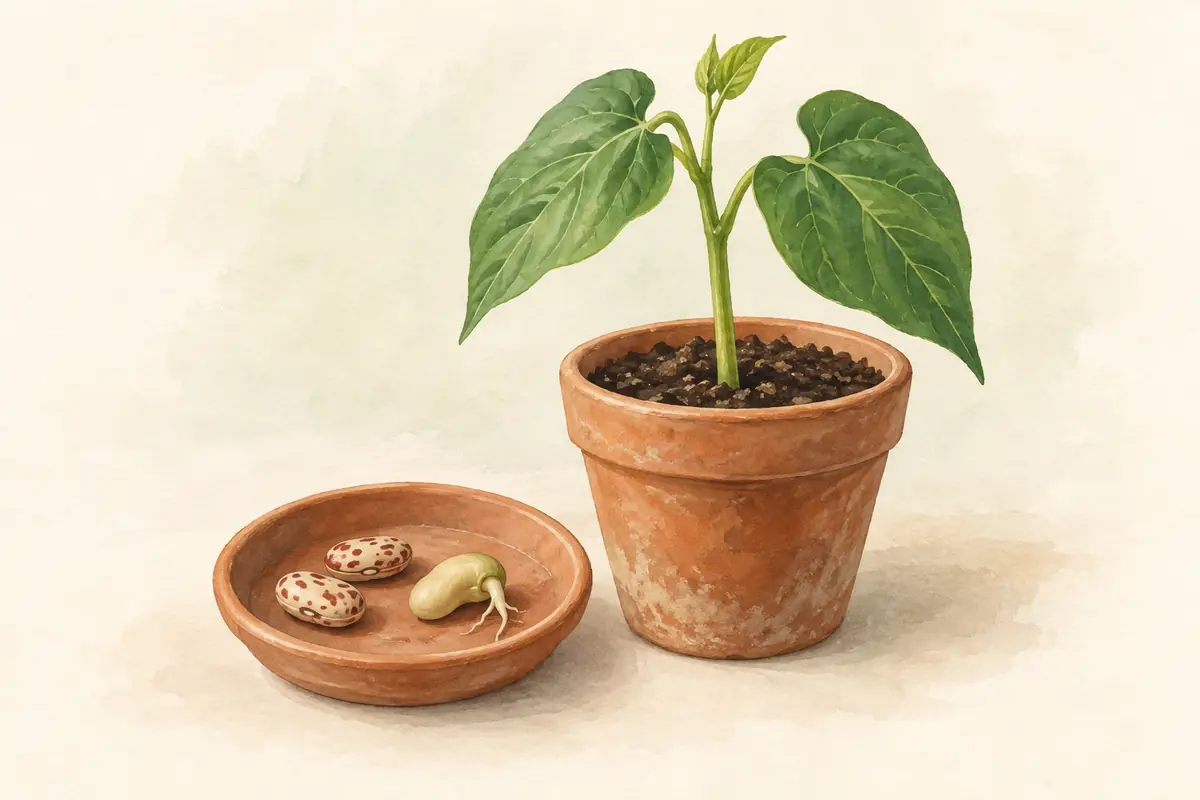
TROUBLESHOOTING
Why Bean Seeds Don’t Germinate: Early Problems & Fixes
Missing bean seedlings usually leave clues underground. Learn how cold and wet soil, drying, crusting, planting depth, damping off, and seedcorn maggot affect emergence—and how to decide whether to wait or replant.
Read the guide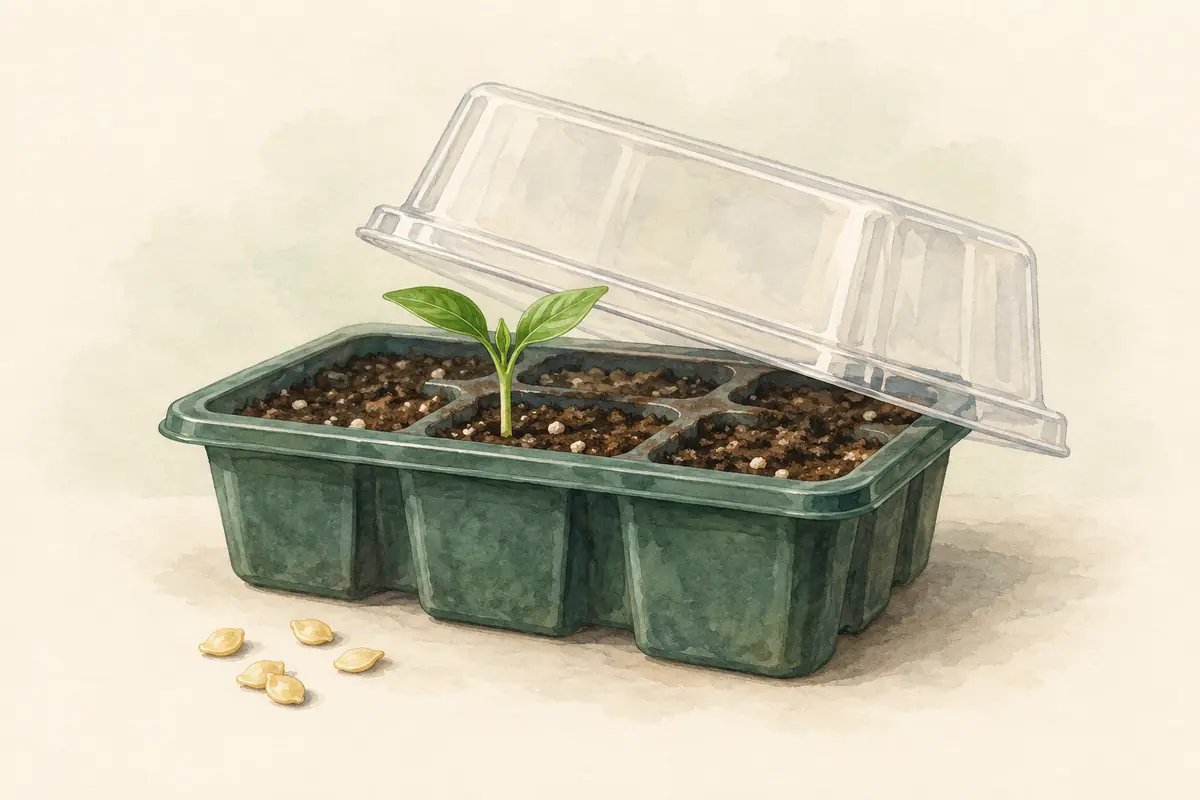
TROUBLESHOOTING
Why Pepper Seeds Take So Long to Germinate
Troubleshoot slow pepper germination by checking root-zone temperature, moisture and oxygen, sowing depth, seed age, heat-mat use, damping-off symptoms, and when to start a backup sowing.
Read the guideFrequently asked questions
Is a packet automatically bad after its printed year?
No. Age is one clue; crop, storage, and the result of a suitable germination test are more useful together.
Can I just put paper packets in the refrigerator?
Protect them inside a sealed outer container so the dry seed is separated from refrigerator moisture. Let that container reach room temperature while still sealed before opening it, then reseal the dry packets before returning them to the refrigerator.[5]
Does 100% in a ten-seed test guarantee every seed will grow?
No. It describes that small sample under those conditions. It does not measure the remaining seeds individually or account for seedling losses.
Should I use the same test duration for beans and peppers?
No. Allow the time and conditions appropriate to the crop. Use the packet and the crop-specific starting guide.
Need crop-specific sowing conditions? Browse the crop-by-crop growing guides.
Sources & further reading
- University of Minnesota Extension — Saving vegetable seeds
- Oregon State University Extension — Collecting and storing seeds from your garden
- Illinois Extension — Are my seeds still good? Testing seed germination
- Penn State Extension — Seed and Seedling Biology
- South Dakota State University Extension — How to Store Leftover Garden Seeds
Hollowstead Growing Notes
A little help for your next growing season
Practical sowing advice, help choosing seeds, and occasional Hollowstead shop news. Usually one or two emails a month, plus a short welcome note.
Choose your topics and frequency after you confirm. Our guides and planting calendar are always free.