
TOMATO GUIDE
Principe Borghese Tomato Growing Guide
Principe Borghese produces small, meaty tomatoes for drying, roasting and sauce. Learn how to start and support the compact determinate plant in the current Hollowstead listing, harvest ripe fruit, dry it with controlled heat, and save seed.
TomatoesVariety guideBeginner → advanced
Published by Hollowstead Seed Co. · How this guide is prepared
Quick answer
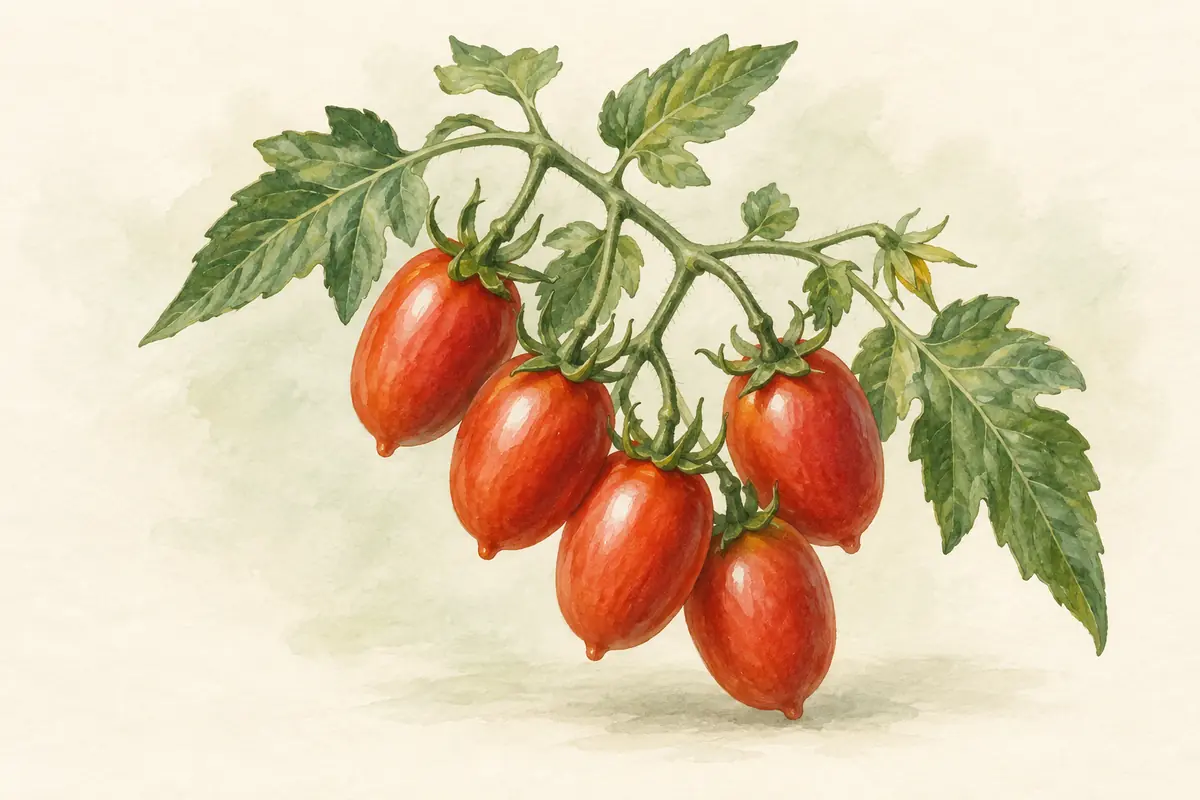
Principe Borghese is an open-pollinated Italian heirloom known for small red fruit with relatively dry, meaty flesh and few seeds—traits that make it especially useful for drying, roasting, sauce, and other concentrated tomato preparations.[1][2]
The current Hollowstead listing describes a compact determinate plant, about 70–75 days from transplant. Broader published maturity estimates run to about 78 days; weather and transplant condition shift the first ripe harvest.[1][2]
Use a cage or stake at planting to carry the fruit load, and avoid routinely removing all side shoots from this determinate plant. Other seed sources may describe different strains; use the instructions supplied with the seed you buy.
And one food-safety point matters: “classic drying tomato” does not mean Hollowstead recommends leaving cut tomatoes outside in the sun. The National Center for Home Food Preservation advises controlled indoor drying for vegetables rather than outdoor sun drying.[4]
Principe Borghese at a glance
| Trait | What to expect |
|---|---|
| Type | Open-pollinated Italian heirloom |
| Fruit | Small red dry/meaty fruit, commonly ~1–2 oz |
| Maturity | Current Hollowstead listing: ~70–75 days from transplant |
| Plant habit | Current Hollowstead listing: compact determinate |
| Support | Plan a cage/stake/trellis regardless |
| Distinctive use | Drying, roasting, sauce, concentrated cooking |
| Fresh eating | Possible; preservation is the special reason to grow it |
| Preservation note | Use tested controlled drying guidance, not casual outdoor sun drying |
| Start indoors | About 6–8 weeks before transplant; ¼ inch deep; 75–85°F germination medium |
| Current listing spacing | 18–36 inches between plants |
SAVE FOR SOWING DAY
Five-step crop plan for Principe Borghese
Open the sow-to-harvest plan
- StartSow ¼ inch deep indoors about 6–8 weeks before a realistic planting-out window; warm the medium to about 75–85°F. Guide details
- PlantHarden, plant after frost risk into warm soil with nights consistently above about 50°F, and cage or stake at planting. Guide details
- MaintainSupport fruit-bearing branches and retain productive side shoots if the plant grows compact and determinate; observe its actual habit. Guide details
- HarvestPick sound red fruit over several passes; process ripe batches for roasting, sauce or controlled indoor drying. Guide details
- Next sowing or seedMark typical healthy parents; protect unopened flower clusters when preserving identity, then clean, dry and label mature-fruit seed. Guide details
- Space
- Current listing allows 18–36 inches; use the wider end with a cage or humid, crowded conditions.
- Timing
- Hollowstead lists roughly 70–75 days from transplant. Published growth-habit descriptions differ; this packet’s habit is not proven by other listings.
Full growing guidehttps://hollowsteadseeds.com/principe-borghese-tomatoes-guide/Seed packethttps://hollowsteadseeds.com/product/principe-borghese-tomato-seeds/Find planting dates by ZIP code
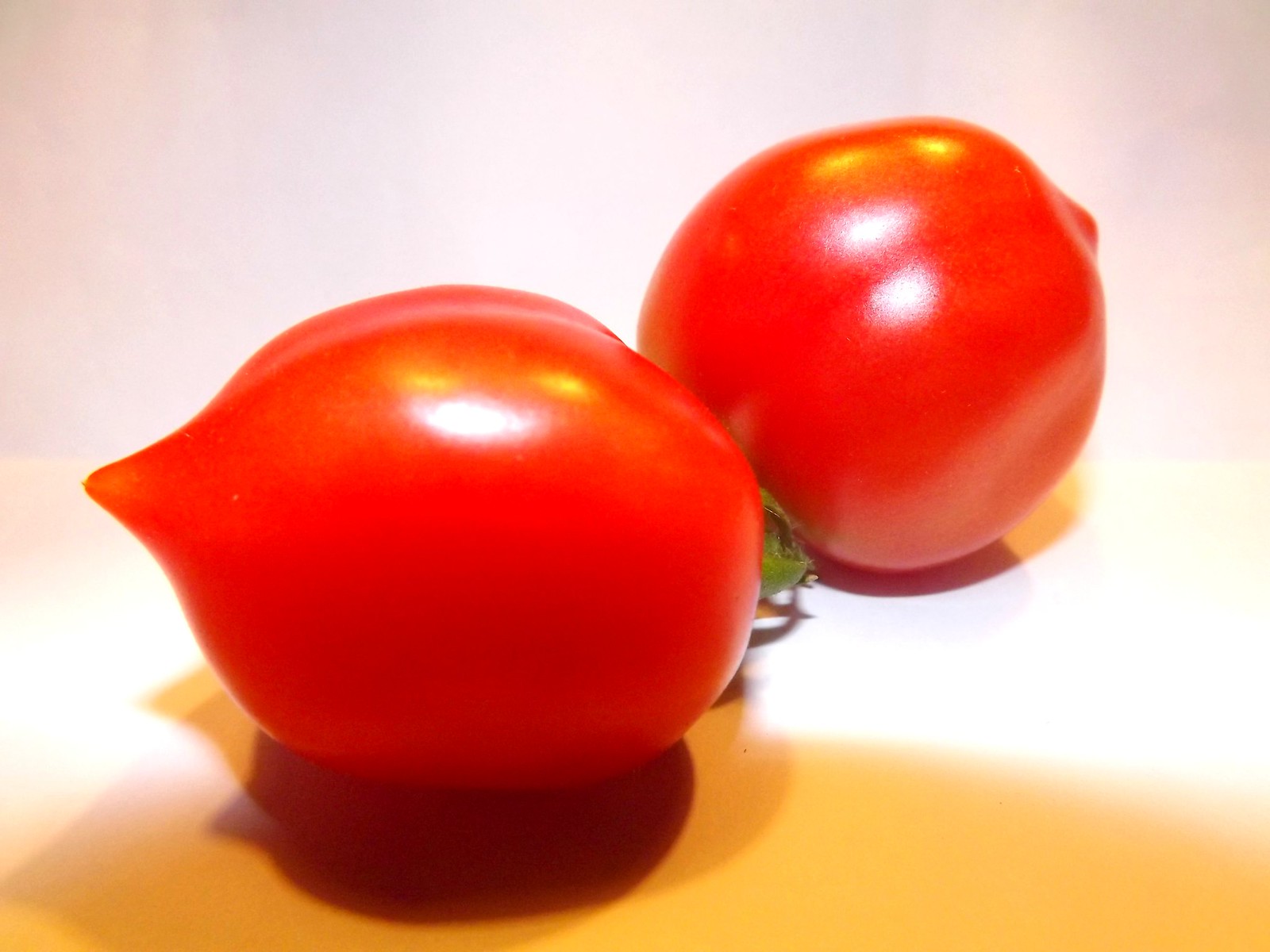
Variety reference photo
From seed to an established plant
Start indoors about 6–8 weeks before your likely planting-out date, sow ¼ inch deep, and keep the germination medium around 75–85°F. Expect roughly 7–14 days for emergence in good conditions; the packet estimate is not a germination guarantee. Remove a humidity cover when seedlings emerge and give strong overhead light.
Pot up once true leaves and roots are developing, before the plug becomes tightly root-bound. Choose a stocky transplant with a root ball that holds together, then harden gradually over about 7–14 days. Transplant after frost danger, into warm soil, with nights consistently above about 50°F. Healthy tomato stems can be planted deeper after lower leaves are removed; keep leaves above the soil.[9]
The current Hollowstead spacing is 18–36 inches between plants. Favor the wider end with cages or humid weather, and leave an accessible path between rows. Install the support while planting so later stakes do not cut established roots. For the complete light, watering and feeding setup, use the tomato starting guide.
Why is Principe Borghese called a drying tomato?
Most tomatoes can be dehydrated. Principe Borghese is distinctive because published descriptions repeatedly emphasize dry flesh, relatively low moisture, small fruit, and few seeds.[1][2]
Those traits are convenient for drying because you are starting with less water relative to solids than in a large juicy slicer.
Think about the difference between:
- a large salad tomato that releases a puddle when sliced;
- a small meaty tomato that holds its structure and concentrates quickly.
The second is simply more convenient for drying and roasting.
What does Principe Borghese look like?
Institutional descriptions commonly place the fruit in the 1–2 ounce range, red when ripe, with a small plum/pear/grape-like shape depending on the strain/source.[1][2]
Do not expect the uniform blocky shape of a modern processing hybrid. Heirloom seed lines can show some variation in fruit form.
What does Principe Borghese taste like?
This is a variety where the intended use changes the answer.
The relatively dry flesh is the useful starting point: it gives sauces and dried pieces a different texture from a juicy slicer. Flavor still changes with ripeness, growing conditions, and preparation.[2]
Hollowstead would frame it this way:
Grow Principe Borghese because you want a kitchen-purpose tomato, not because you are trying to beat a large heirloom slicer in a fresh tomato sandwich contest.
Drying and roasting remove water and concentrate sugars, acids, and aromatic compounds. A fruit that seems merely pleasant fresh can become much more intense after concentration.
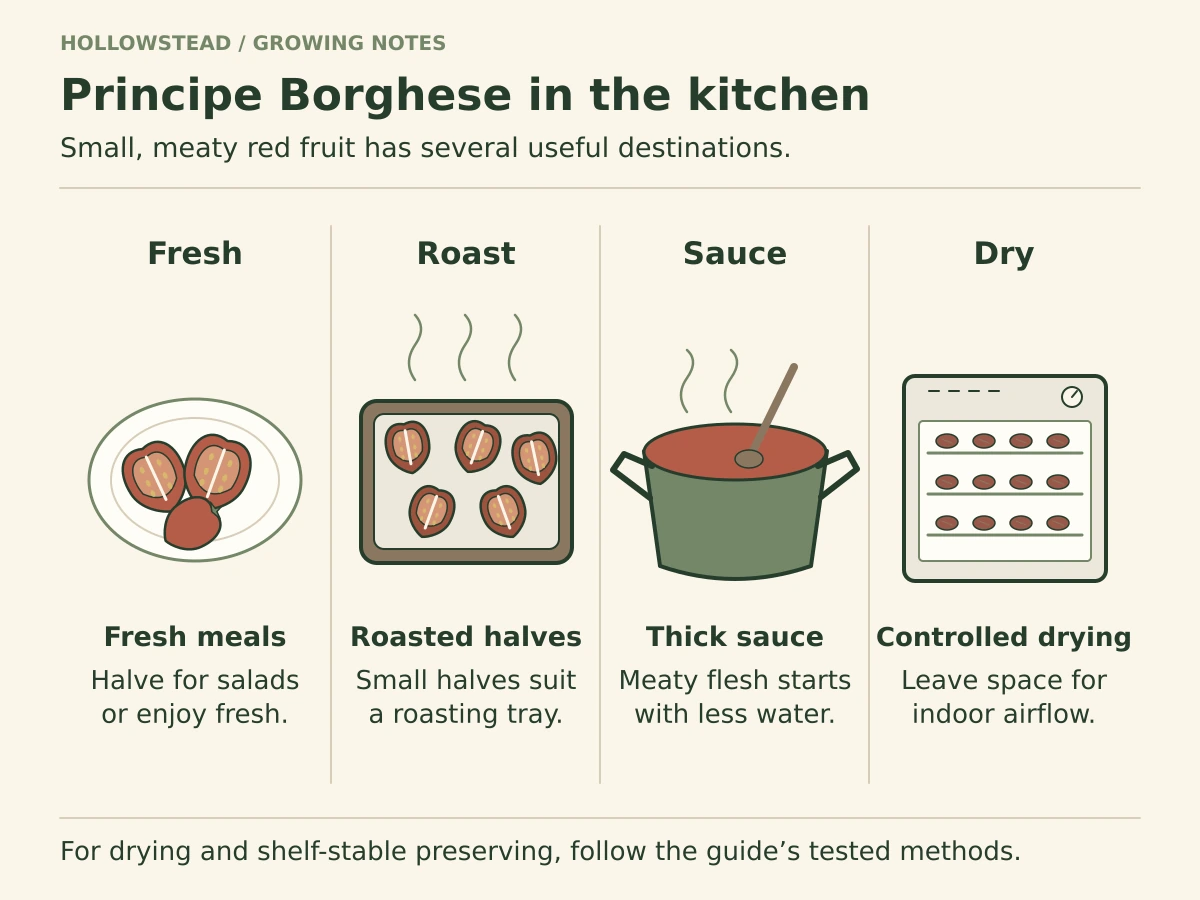
Fresh eating vs. roasting vs. sauce vs. drying
Fresh
Perfectly usable in salads or snacking if you like a meatier small tomato. The skin-to-flesh ratio is higher than in a big slicer, and the dry texture is noticeable.
Roasting
An excellent fit. Small fruit can be halved, lightly seasoned, and roasted until the flavor concentrates and edges caramelize.
Sauce
Useful because less initial water means less cooking to reach a thick texture. Small fruit require more cutting/handling per pound than a large paste tomato, so whether that tradeoff is worthwhile depends on your kitchen.
Drying
This is the cultivar’s signature use. The dry flesh and small size reduce the amount of water that must be removed.[1][2]
 View full-size diagram
Use controlled indoor drying
“Sun-dried” describes a culinary tradition, not a reliable home storage procedure. NCHFP recommends controlled indoor drying for vegetables because outdoor weather and contamination are difficult to control.[4] Use the tomato preparation and drying checks below; hanging a whole plant is not a tested substitute.
What is the growth habit of Principe Borghese?
Hollowstead currently lists its Principe Borghese as compact determinate. Plan for a bushier plant and a more concentrated harvest than Black Krim or Black Cherry. Support branches before they carry a heavy crop; do not train it by routinely stripping every sucker as you might a single-stem indeterminate.
Cornell and an Arkansas graduate-student plant-sale catalog also describe determinate plants; the latter is a catalog, not a cultivar trial. Seeds from Italy describes its Franchi listing as a small indeterminate. Published descriptions differ, but that alone does not establish distinct strains or this packet’s observed habit. Set support early and follow the actual plant; retain productive side shoots on a compact determinate one.[1][2][15]
When does Principe Borghese mature?
Cornell lists roughly 72–78 days, while the Arkansas cultivar description gives approximately 70–75 days.[1][2]
Those numbers are generally understood as transplant-to-harvest references, not seed-sowing-to-harvest guarantees.
Actual first harvest changes with:
- transplant size;
- temperature after transplanting;
- light;
- fruit load;
- container/root restriction;
- disease/stress;
- local season.
Use the maturity number to compare cultivars and plan, not to circle an exact harvest date on a calendar.
How should you support Principe Borghese?
Choose a sturdy cage or stake for a compact determinate plant with concentrated fruit load.
Good options:
- a medium/strong tomato cage;
- a stake with soft ties;
- a short trellis for a row.
Install it when transplanting rather than trying to thread fruit-laden branches through support later.
Spacing Principe Borghese
Hollowstead’s current listing gives 18–36 inches between plants. Use the wider end for cages, humid sites, and easy picking; the narrow end requires careful support and good airflow.
Leave an access path between rows so you can harvest both sides without breaking fruiting branches. Check mature canopy width rather than filling every spare inch with another plant.
Keep lower foliage off the soil, but retain healthy foliage that shades the fruit.
Plan the concentrated harvest
A concentrated harvest is easier to use when the kitchen is ready before the plants peak. A determinate plant still ripens fruit over multiple passes; do not wait for every tomato to reach the same shade.
| Stage | Garden decision | Kitchen decision |
|---|---|---|
| Before branches fill | Cage the branching plant and retain productive side shoots; heavy pruning removes part of a determinate crop.[13] | Decide whether you mainly want roasted meals, sauce, or fully dried pieces. |
| First red fruit | Check both sides of the plant and separate sound ripe fruit from partly colored and damaged fruit. | Run a small first batch to learn how much preparation and tray space your equipment needs; this is a workflow check, not a drying-time test. |
| Main harvest | Keep picking ripe fruit rather than holding it outdoors to make one oversized batch. | Use similarly ripe fruit and uniform pieces. Load only what can dry with good airflow; do not crowd or overlap pieces.[5][11] |
| After drying | Keep marked seed-saving fruit separate from kitchen fruit. | Check the thickest cooled pieces, then package only when fully dry and cool. Moisture in storage means the batch needs attention.[6][12] |
Harvesting Principe Borghese for fresh use
Pick when fruit has reached full red color and feels ripe but not collapsing-soft.
Because the fruit is small, repeated picking is efficient. Bring a container to the plant rather than making dozens of individual trips.
For roasting or sauce, fruit can be fully ripe. For drying, uniformly ripe sound fruit provides consistent starting material.
Discard fruit with active decay or questionable deep cracking before preservation.
Handle and store the harvest
Cradle ripe fruit rather than pulling on the vine; snip a stubborn stem. Keep sound, uncut fruit at room temperature out of direct sun until ripe. Refrigerate ripe fruit if you need to hold it longer, and refrigerate cut tomatoes promptly. Use soft or cracked fruit quickly only if it remains sound; discard moldy, leaking or decaying fruit. For shelf-stable sauce or canned tomatoes, use a tested preservation recipe rather than assuming this cultivar is acidic enough.
Harvesting for drying
The gardening decision and the food-safety decision are separate.
Drying is a kitchen method, not evidence that fruit keeps for winter while hanging on the plant. Oregon State excluded Principe from one 2021 winter-storage trial after disease and insufficient keeping in that trial; use the controlled drying method above for preservation.[16]
In the garden
Choose:
- ripe sound fruit;
- fruit free from rot;
- relatively uniform pieces so drying proceeds evenly.
In the kitchen
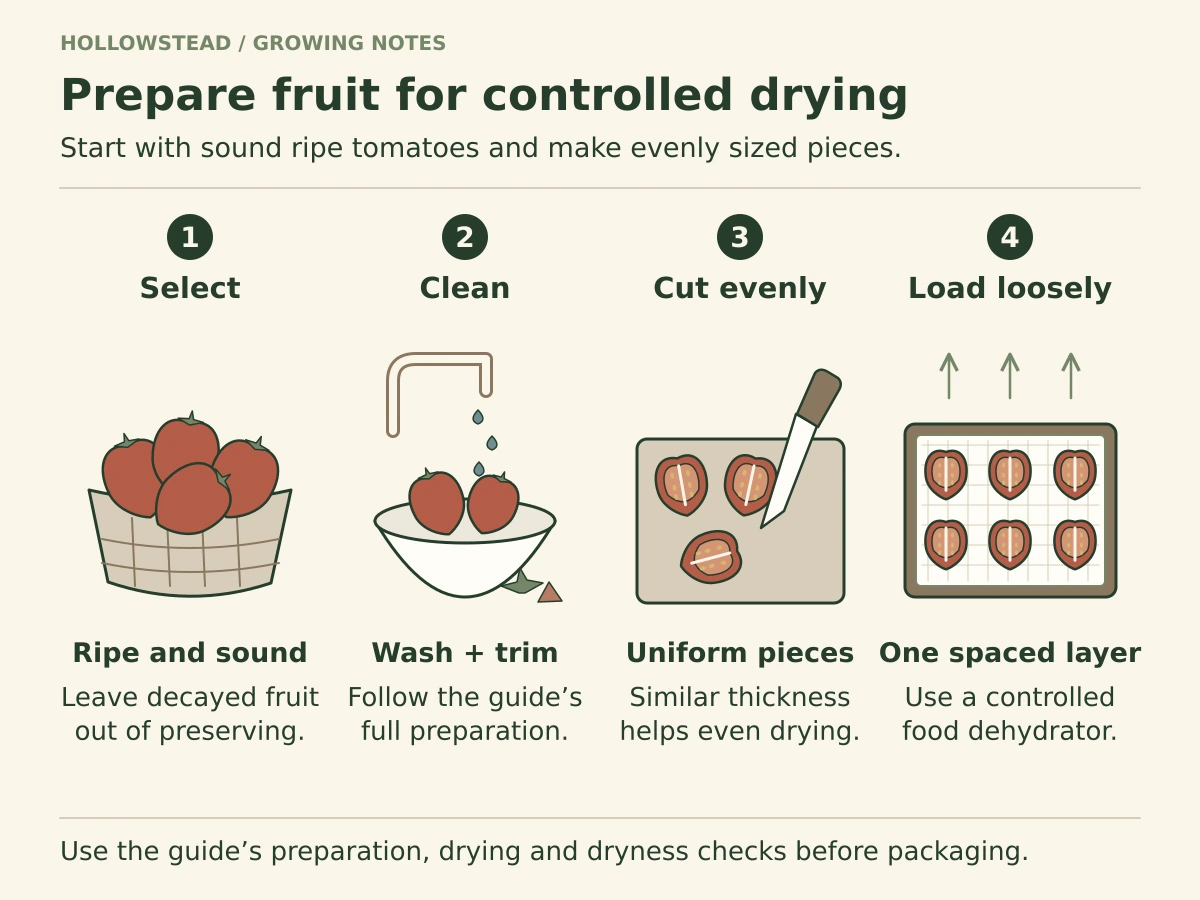
Start with the Utah State tomato-slice preparation procedure, then use controlled dehydrator heat and the dryness/storage checks below. The preparation is tomato-specific; the equipment and vegetable-dryness guidance comes from the separately cited preservation references.
- Prepare sound ripe fruit. Wash, remove stems and core. USU describes loosening skins by steaming for 3 minutes or dipping in boiling water for 1 minute, cooling in cold water and slipping off the skins. Cut about ½-inch sections/slices, or halve small pear/plum fruit.[11]
- Dry in a single layer with airflow. Use a thermostatically controlled food dehydrator; NCHFP describes 140°F drying. Follow the appliance’s tray-loading directions and keep pieces from overlapping.[5]
- Check the thickest cooled pieces. For fully dried vegetables, USU describes a tough or brittle endpoint. Moist, plump centers are not the target for this dry-storage method. Dry longer if uncertain; elapsed hours alone cannot establish dryness.[12]
- Cool, then package. Once fully dry, cool completely and pack small portions in clean, dry, moisture-proof containers. Store cool, dark and dry; inspect for moisture or mold and discard moldy food.[6]
Keep fully dried tomatoes separate from semi-dried or oil-packed foods. This procedure does not make moist tomatoes in oil shelf-stable. Use a separate tested preservation method for that product; do not add oil and leave a homemade jar at room temperature.
 View full-size diagram
Can Principe Borghese grow in a container?
For a practical home setup, choose one plant in a 10–15-gallon pot with unobstructed drainage and a cage secured against tipping. A pot around 16 inches deep or more gives useful working room; this is a generous planning example, not a tested cultivar minimum.
Maryland Extension lists 5 gallons as a minimum reference for standard tomatoes, while emphasizing that volume and depth must suit the mature plant.[7] Choose more volume when a hot site or your watering schedule makes rapid drying likely.
- Before planting: place the pot where a filled container and loaded cage can stay stable, with space to reach fruit all around.
- At fruit fill: check beneath the surface before watering; an established plant can use water faster than a new transplant.
- For preserving: match plant numbers to your growing space and the batches you can handle. A small pot is not a shortcut to a predictable amount of sauce.
For a pot-grown plant, work through container size, support, watering, and feeding for tomatoes as one plan.
Saving seed from this open-pollinated tomato
Keep the named line, not just viable seed
For a practical small-garden isolation method, place a breathable blossom bag over an unopened flower cluster before insects visit. Remove any already-open flowers from that cluster first. Gently tap the protected cluster to assist self-pollination, and mark the set fruit before removing the bag. Save only those marked fruit if varietal purity is your goal; nearby unbagged flowers can still cross. [10]
For variety maintenance, aim to save from 5–10 healthy, typical plants where practical. Keep parent batches separate through cleaning and drying, with cultivar, original supplier/lot, plant number and year on each label. Compare offspring before combining lines. After short fermentation loosens the gel, rinse through a fine sieve and spread in a thin layer in a shaded, airy place; do not oven-dry planting seed. Store only completely dry seed in a labeled airtight container, cool and dry, and run a small germination test before the next sowing.
Principe Borghese is treated in the cultivar references on this page as an open-pollinated heirloom, so seed saving can be especially useful when you want to keep track of how your particular line behaves.[1][3] University of Minnesota Extension recommends open-pollinated tomatoes for home seed saving and advises selecting vigorous plants and fully ripe fruit.[8]
Scoop the seed and gel from representative ripe fruit into a labeled container with a little water, allow a short fermentation, rinse once viable seed settles, and dry the seed thoroughly before storage. Do not save from weak, off-type, or diseased plants simply because one fruit looks desirable; UMN specifically advises saving tomato seed from healthy plants because some pathogens can be carried with seed.[8]
Common Principe Borghese questions and problems
| Symptom | Check | Action |
|---|---|---|
| Sunken dark tissue at the blossom end | Whether watering has alternated between very dry and wet | Blossom-end rot can develop even where soil contains calcium. Stabilize moisture before reaching for a supplement; exclude damaged fruit from preserving.[14] |
| Many leafy side shoots | Whether the support carries the canopy and fruit stays accessible | For the current determinate selection, keep productive branches. Remove only what is needed for access, sanitation, and manageable support.[13] |
“My plant is taller than a determinate tomato should be.”
Determinate does not mean that every plant stays the same height. Check whether the growing tips end in flower clusters, along with the overall branching and harvest pattern. Keep support in place; if the plant remains strongly vining and continues extending beyond the expected habit, record its supplier/lot and keep saved seed separate while you investigate a possible off-type or labeling mix-up.
“The tomatoes are not very juicy.”
“Fresh flavor is only okay.”
That does not necessarily mean the crop failed. Its relatively dry texture is particularly useful for roasting, sauce and drying.[2]
“Can I hang the whole plant and let tomatoes dry naturally?”
Hollowstead does not recommend that as a food-safety method. Use tested preservation guidance.[4]
“Can I sun-dry them in my yard?”
NCHFP does not recommend outdoor sun drying for vegetables in general.[4] Use a controlled indoor drying method.
Principe Borghese and the other Hollowstead tomatoes
| Variety | Fruit and kitchen role | Habit and support | Harvest and management |
|---|---|---|---|
| Principe Borghese | About 1–2 oz, relatively dry, meaty fruit for roasting, sauce, and drying | Compact determinate in the current listing; support the fruit load | Organize small-fruit kitchen batches; one plant per generous pot is a container option. |
| Black Krim | Large dusky, juicy slicer; about 8 oz is a published reference | Indeterminate; substantial support and working space | Pick individual ripe fruit through the season; judge dark color and watch cracking. Containers need generous root volume. |
| Black Cherry | About 1-inch dusky cherries for snacking and salads | Indeterminate; substantial support for a full-size vine | Frequent cluster picking; watch splitting. Container growing is possible with enough root volume and water. |
| Yellow Pear | Small yellow pear-shaped fruit, about 1–2 inches long, for fresh eating | Indeterminate; substantial support despite small fruit | Repeated fresh picking; judge yellow ripeness. Containers still need room for a full-size vine. |
| Pineapple | Large golden-and-red bicolor slices for fresh plates and sandwiches | Indeterminate; substantial support for heavy fruit | Allow time for the 85–90-day first-ripe estimate from transplant; use bicolor harvest cues. |
Yellow Pear adds yellow, pear-shaped fruit to the fresh-harvest choices. Its indeterminate habit needs substantial support even though the fruit is small; Cornell describes fruit about 1½ inches long and a main-season maturity range.[17] Choose it for shape and color in salads or snacking, and see Yellow Pear Tomato Seeds for the packet. For large golden-and-red slices, compare Pineapple with Black Krim’s dark-slicer role; both need room and sturdy support.
Who should grow Principe Borghese?
It is especially appealing if you:
- own a dehydrator;
- roast tomatoes frequently;
- make thick sauces;
- want an heirloom with a clear kitchen purpose;
- like preserving small batches throughout tomato season.
It may be less compelling if your only goal is the juiciest fresh tomato sandwich.
Sourced grower observations
These are attributed experiences from other growers, checked against the linked horticultural references. They are not Hollowstead trials of the seed offered here.
A Wisconsin zone 4 Seed Savers Exchange member preferred the small fruit cooked or dehydrated rather than fresh. Treat flavor as that grower’s preference. If drying your harvest, follow the controlled indoor procedure above; the member’s mention of outdoor sun drying is not a safety recommendation. Published habit descriptions also disagree, so do not infer Hollowstead’s lot habit from that listing.
GROW THESE TOMATOES
Put the guide to work.
Choose a variety that fits the way you want to grow and harvest, then use the guide above as your reference through the season.
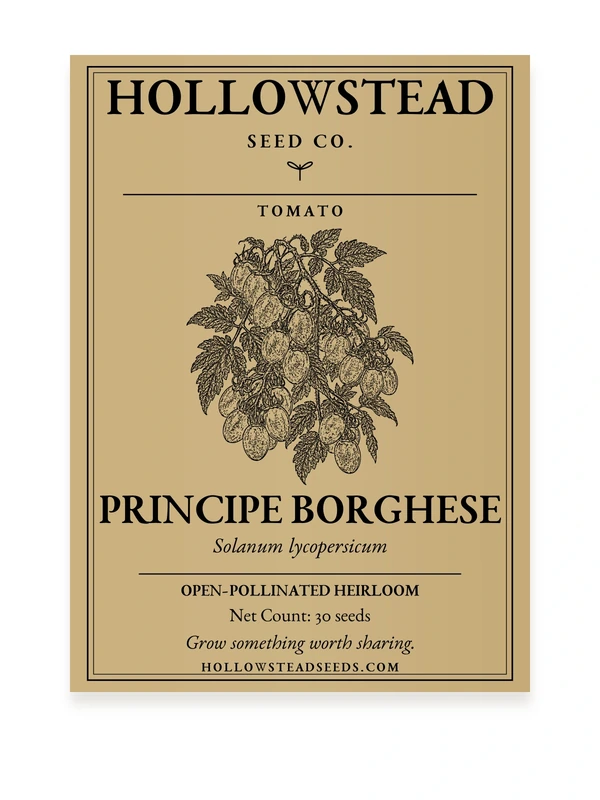
HOLLOWSTEAD SEED
Principe Borghese Tomato Seeds
$4.49
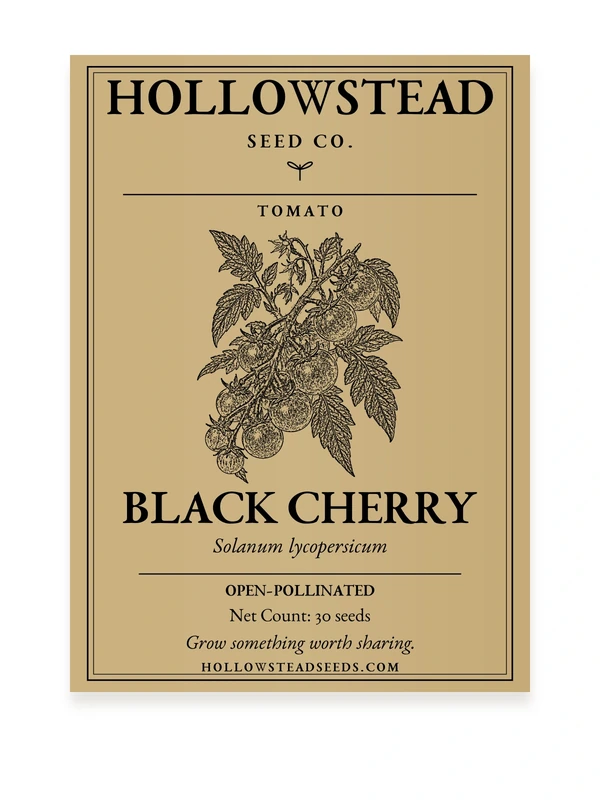
HOLLOWSTEAD SEED
Black Cherry Tomato Seeds
$4.49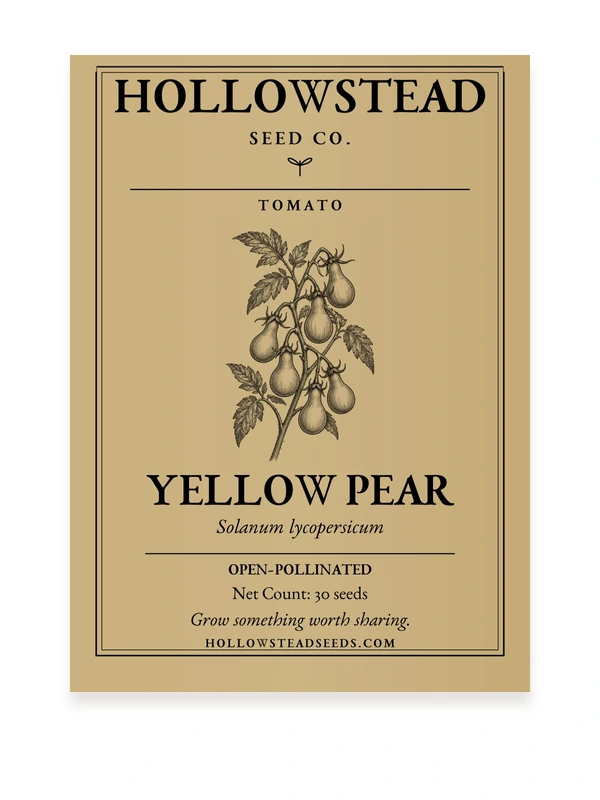
HOLLOWSTEAD SEED
Yellow Pear Tomato Seeds
$4.49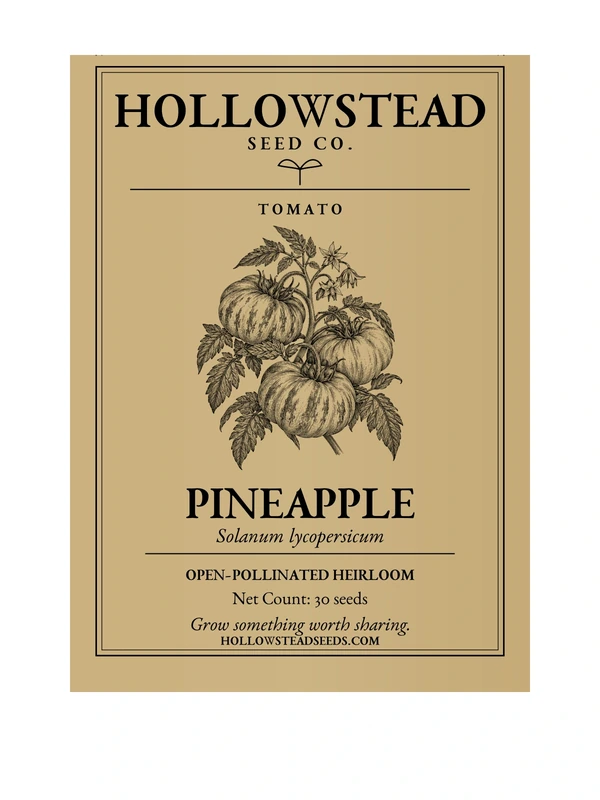
HOLLOWSTEAD SEED
Pineapple Tomato Seeds
$4.49KEEP LEARNING
Related Hollowstead guides

SEED STARTING
The Complete Guide to Growing Tomatoes From Seed
Start tomato seeds with confidence. This guide covers the quick version first, then goes deep on temperature, light, watering, potting up, hardening off, transplant timing, containers, and common seedling problems.
Read the guide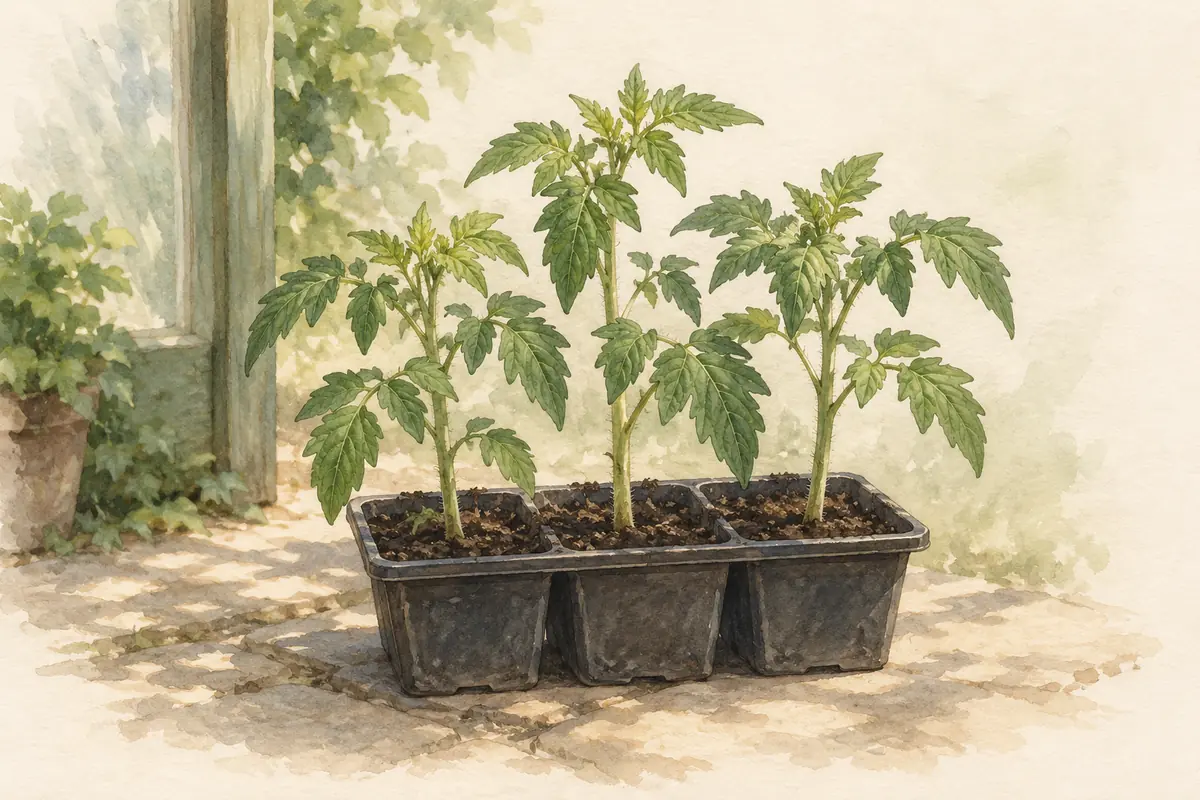
TRANSPLANTING
How to Harden Off Tomato Seedlings Without Stunting Them
Indoor tomato seedlings need time to adjust to full sun, wind, temperature swings, and faster drying. This guide explains a flexible hardening-off process that protects plants without deliberately starving or stunting them.
Read the guide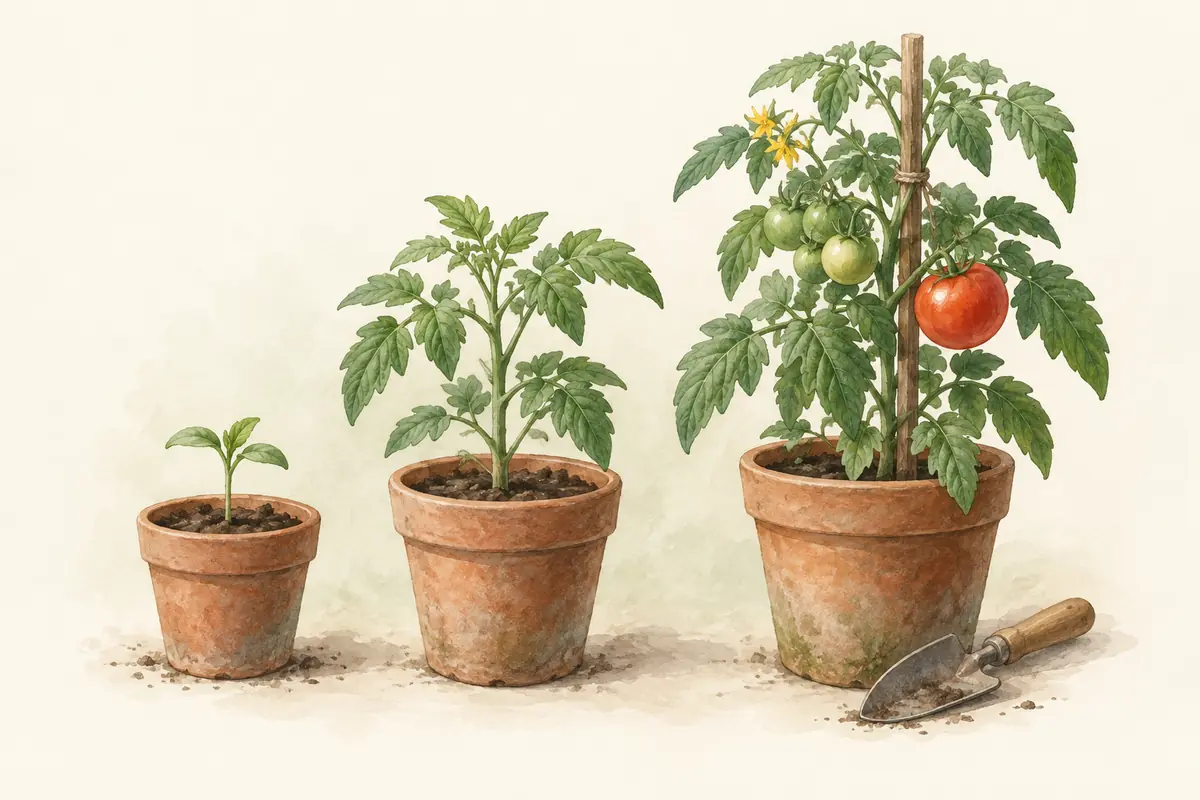
GARDEN BASICS
What “Days to Maturity” Actually Means for Tomatoes and Other Garden Crops
Days to maturity is a planning estimate, not a harvest appointment. Learn when the count starts, how transplanted and direct-sown crops differ, and how weather, containers, and transplant stress change the real timeline.
Read the guideFrequently asked questions
Is Principe Borghese determinate or indeterminate?
The current Hollowstead listing describes compact determinate plants. Support the fruit load and avoid heavy sucker removal. Other seed sources may offer strains with different habits; follow the description attached to your seed.
How big are Principe Borghese tomatoes?
Is Principe Borghese good for fresh eating?
Yes, if you like a smaller, meatier tomato. Its special strength is concentrated cooking/drying rather than competing with a large juicy slicer.
How many days to harvest?
Is Principe Borghese a paste tomato?
It is commonly grouped with paste/drying tomatoes because of its meaty, relatively dry fruit. The fruit is much smaller than a typical Roma.
Is it safe to sun-dry tomatoes outdoors?
NCHFP does not recommend outdoor sun drying for vegetables in general.[4] Use tested controlled drying guidance.
Sources & further reading
- Cornell Vegetable Varieties for Gardeners. Principe / Principe Borghese Tomatoes. https://vegvariety.cce.cornell.edu/main/detail.php?filterBy=0&variety_id=1636
- University of Arkansas graduate-student plant sale. Tomato Descriptions — Principe Borghese (catalog, not trial). https://enpl.uark.edu/_resources/documents/pdf/TomatoDescriptions2022v3.pdf
- Hollowstead Seeds. Current Principe Borghese listing (catalog description, not an independent grow-out). Principe Borghese Tomato Seeds
- National Center for Home Food Preservation. Sun Drying. https://nchfp.uga.edu/how/dry/drying-general/sun-drying/
- National Center for Home Food Preservation. Food Dehydrators. https://nchfp.uga.edu/how/dry/drying-general/food-dehydrators/
- National Center for Home Food Preservation. Packaging and Storing Dried Foods. https://nchfp.uga.edu/how/dry/drying-general/packaging-and-storing-dried-foods/
- University of Maryland Extension. Growing Vegetables in Containers and Salad Tables. https://extension.umd.edu/resource/growing-vegetables-containers-and-salad-tables
- University of Minnesota Extension. Saving vegetable seeds. https://extension.umn.edu/garden-and-home/yard-and-garden/gardening-in-minnesota/saving-vegetable-seeds
- University of Minnesota Extension — Growing tomatoes in home gardens https://extension.umn.edu/garden-and-home/yard-and-garden/gardening-in-minnesota/growing-tomatoes
- Seed Savers Exchange — Growing and saving tomato seeds https://seedsavers.org/grow-tomato/
- Utah State University Extension — How to Preserve Tomatoes (Tomato Slices) https://extension.usu.edu/preserve-the-harvest/research/tomatoes
- Utah State University Extension — Testing Foods for Dryness (vegetable endpoint) https://extension.usu.edu/preserve-the-harvest/research/drying-testing
- Iowa State University Extension and Outreach. Why extensive sucker removal does not suit determinate tomatoes. https://yardandgarden.extension.iastate.edu/how-to/pruning-tomatoes-home-garden
- University of Minnesota Extension. Moisture fluctuation, calcium delivery, and blossom-end rot. https://extension.umn.edu/agriculture/specialty-crops/vegetable-farming/irrigation-strategies-for-vegetables
- Seeds from Italy / Franchi — Principe Borghese listing Small indeterminate habit published for that supplier listing. https://www.growitalian.com/products/tomato-principe-borghese
- Oregon State University — 2021 winter tomato variety trial Single winter storage trial; Principe exclusion for disease and insufficient keeping in that trial. https://smallfarms.oregonstate.edu/sites/agscid7/files/smallfarms/2021_winter_tomato_vareity_trial_report_final.pdf
- Cornell Cooperative Extension. Vegetable Varieties for Gardeners: Yellow Pear tomato. https://vegvariety.cce.cornell.edu/main/detail.php?filterBy=0&variety_id=1596
Hollowstead Growing Notes
A little help for your next growing season
Practical sowing advice, help choosing seeds, and occasional Hollowstead shop news. Usually one or two emails a month, plus a short welcome note.
Choose your topics and frequency after you confirm. Our guides and planting calendar are always free.